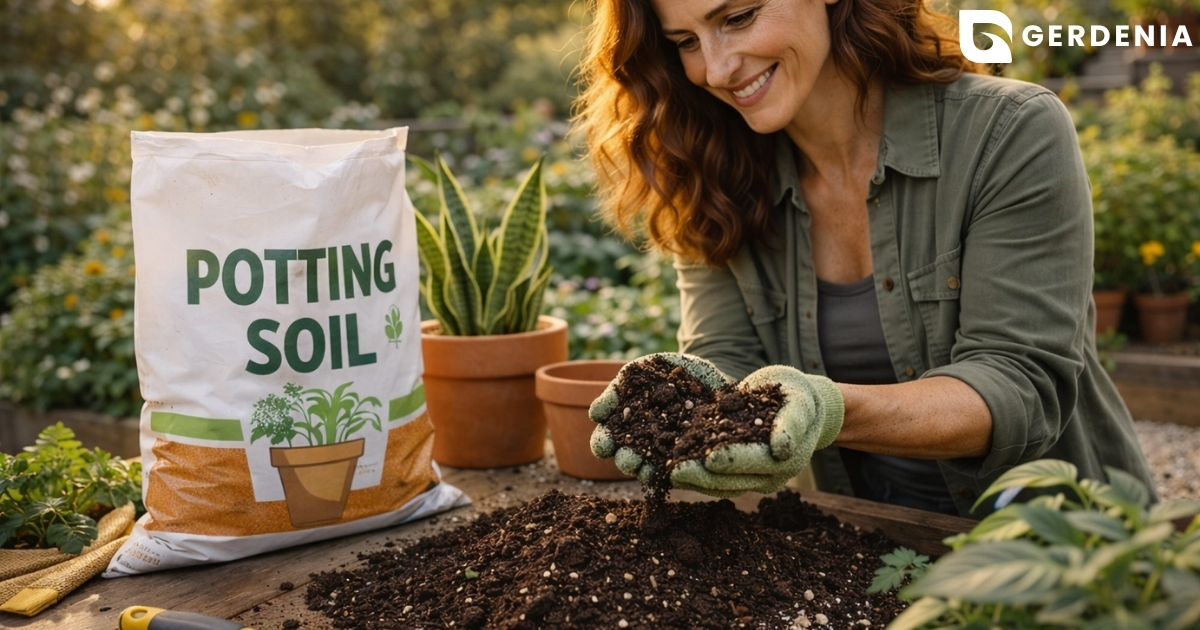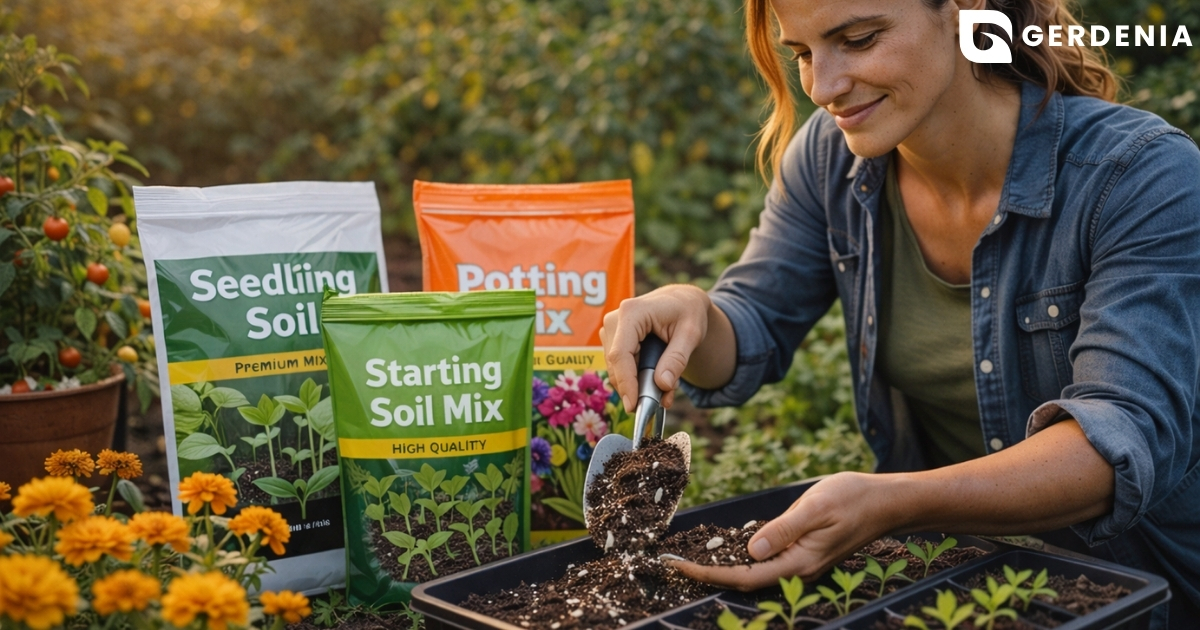
In the realm of agriculture and environmental science, the vitality of soil health is a foundational concept that underpins ecosystem sustainability and agricultural productivity. Soil health is intricately linked to its organic matter content, which serves as a critical component in maintaining soil structure, fertility, and biological activity. This article delves into the significance of organic matter in understanding soil health and explores how organic fertilizers and soil amendments contribute to the ecological balance and productivity of agricultural systems.
Organic matter is a heterogeneous mixture of organic compounds that includes plant and animal residues at various stages of decomposition, cells and tissues of soil organisms, and substances synthesized by the soil population. It plays a multifaceted role in enhancing soil properties and functions.
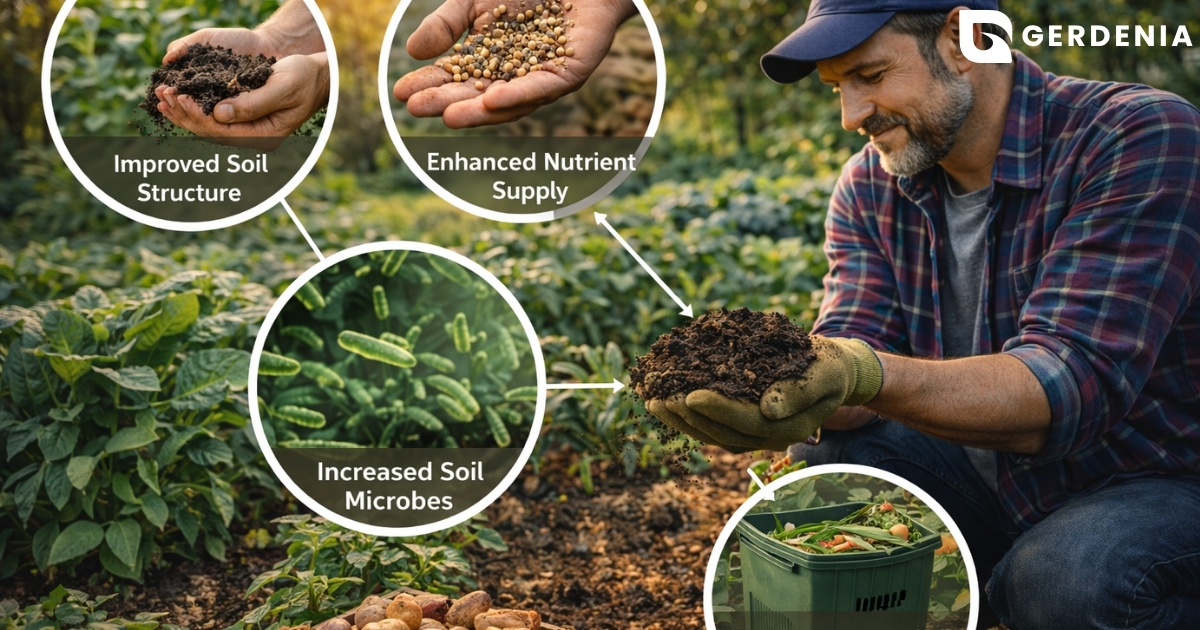
Organic matter contributes to soil aggregation, which improves soil structure and increases porosity. This, in turn, enhances water infiltration and retention, reduces erosion, and promotes root growth. The presence of organic matter helps bind soil particles into aggregates, which are crucial for maintaining soil aeration and preventing compaction.
Moreover, the improved porosity from organic matter allows for better gas exchange, which is essential for root respiration and microbial activity. This ensures that plants have access to oxygen, vital for their growth, and facilitates the removal of carbon dioxide produced by roots and soil organisms. The resulting environment is conducive to vigorous plant growth and robust microbial communities.
The increased water retention capacity due to better soil structure means that plants have a more consistent water supply, even during dry periods. This is particularly important in regions susceptible to drought, as it can significantly reduce the need for irrigation, conserving water resources and reducing costs for farmers.
One of the pivotal roles of organic matter is its ability to supply essential nutrients to plants. As organic matter decomposes, it releases nutrients such as nitrogen, phosphorus, and sulfur, which are vital for plant growth. Additionally, organic matter increases the soil’s cation exchange capacity (CEC), enabling it to hold onto and exchange nutrients more effectively.
The increased CEC from organic matter means that nutrients are less likely to leach away from the root zone, making them more available to plants over time. This is particularly beneficial in sandy soils, which typically have low nutrient retention. The slow release of nutrients from decomposing organic matter provides a steady supply of essential elements, reducing the need for frequent fertilization.
Furthermore, organic matter acts as a reservoir of nutrients, slowly releasing them as soil organisms break down organic compounds. This process not only supports plant growth but also fosters a vibrant soil ecosystem, where nutrients are cycled efficiently, supporting a diverse range of microorganisms and soil fauna.
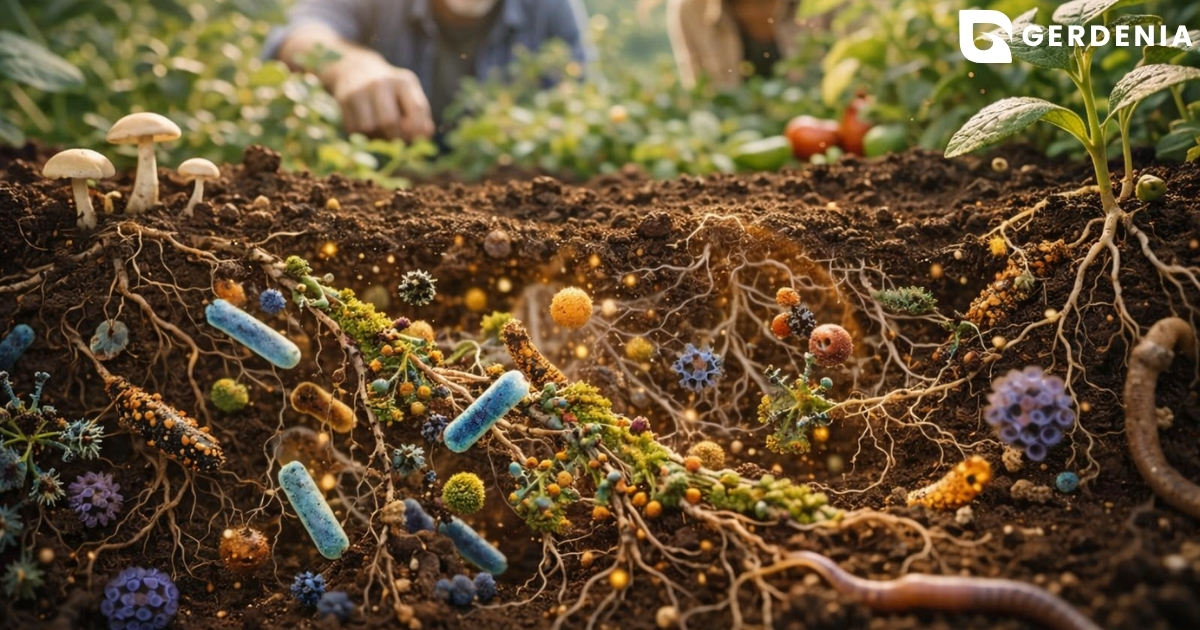
The decomposition of organic matter provides a source of energy and nutrients for soil microorganisms. These microorganisms play a critical role in nutrient cycling, organic matter decomposition, and the suppression of soil-borne pathogens. A healthy soil microbial community is indicative of a robust and resilient soil ecosystem.
Microbial activity is essential for transforming organic matter into forms that plants can readily absorb. This process involves a myriad of soil organisms, including bacteria, fungi, and protozoa, each contributing to the breakdown of complex organic compounds into simpler substances. The diversity of microbial life in the soil is a key indicator of its health and fertility.
In addition to nutrient cycling, soil microorganisms contribute to disease suppression. A diverse microbial community can outcompete pathogenic organisms, reducing the incidence of soil-borne diseases that can devastate crops. This natural form of biological control is an invaluable asset in sustainable agriculture, reducing the need for chemical pesticides.
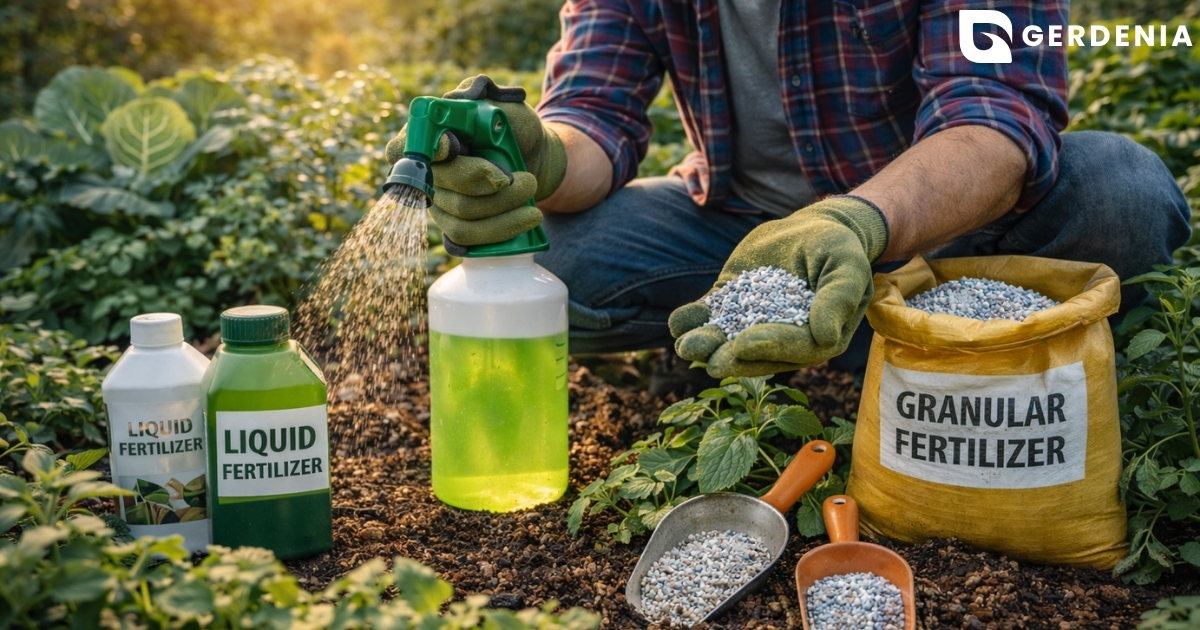
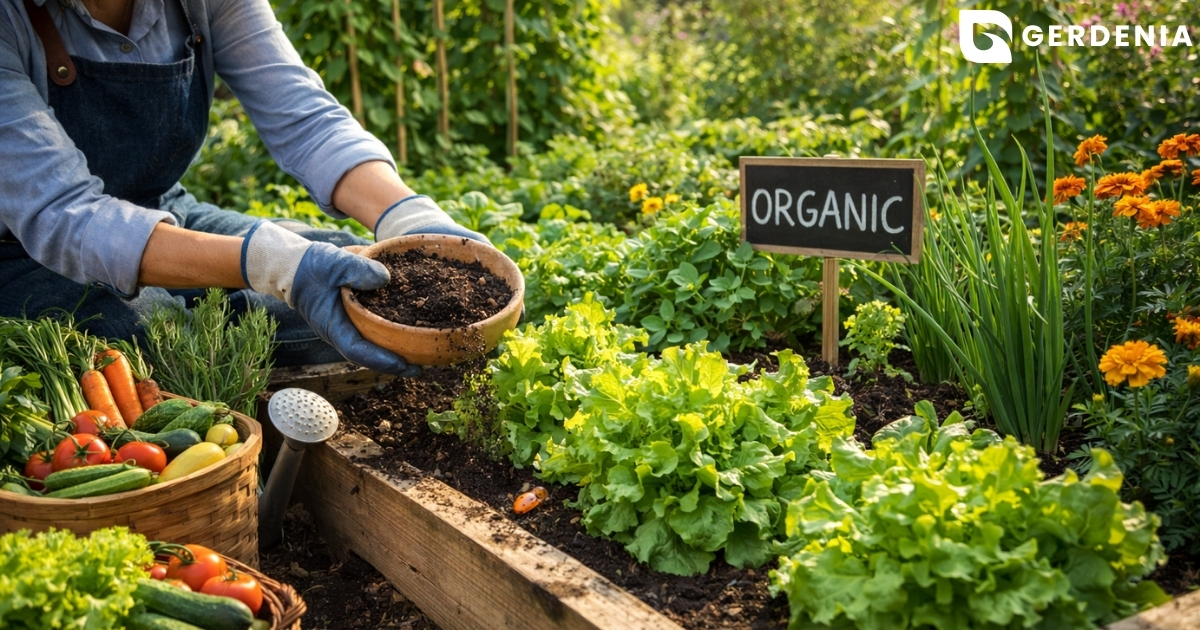
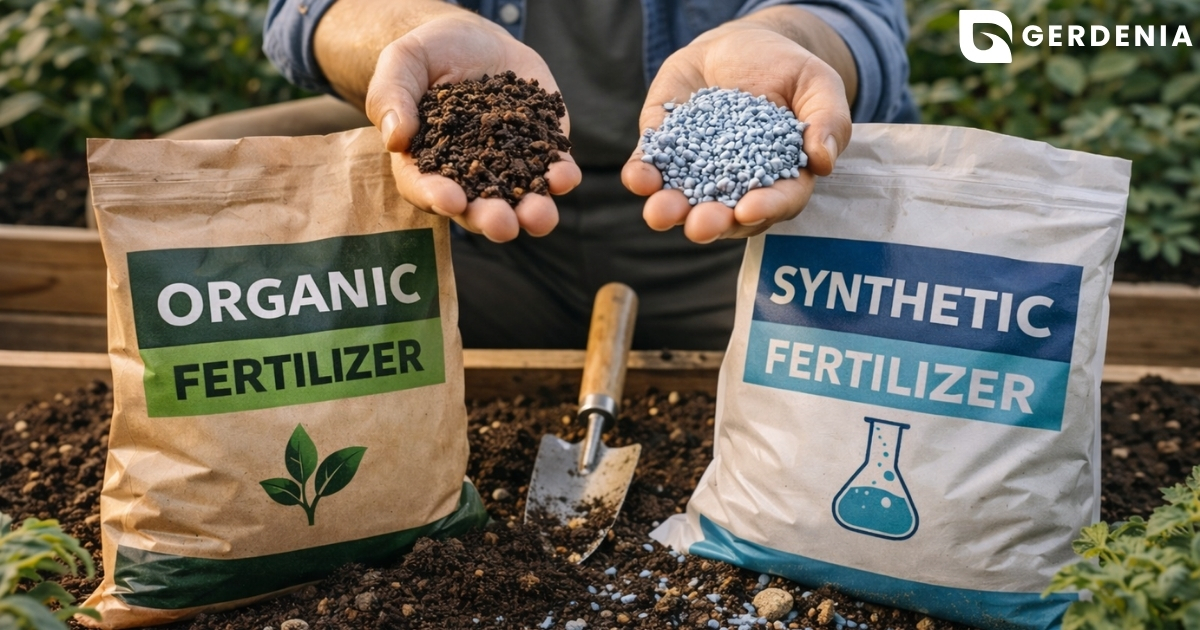
The use of organic fertilizers and soil amendments is a sustainable approach to enhancing soil health by replenishing organic matter levels. Organic fertilizers, derived from natural sources such as compost, manure, and bone meal, provide a slow-release source of nutrients and improve soil structure over time.
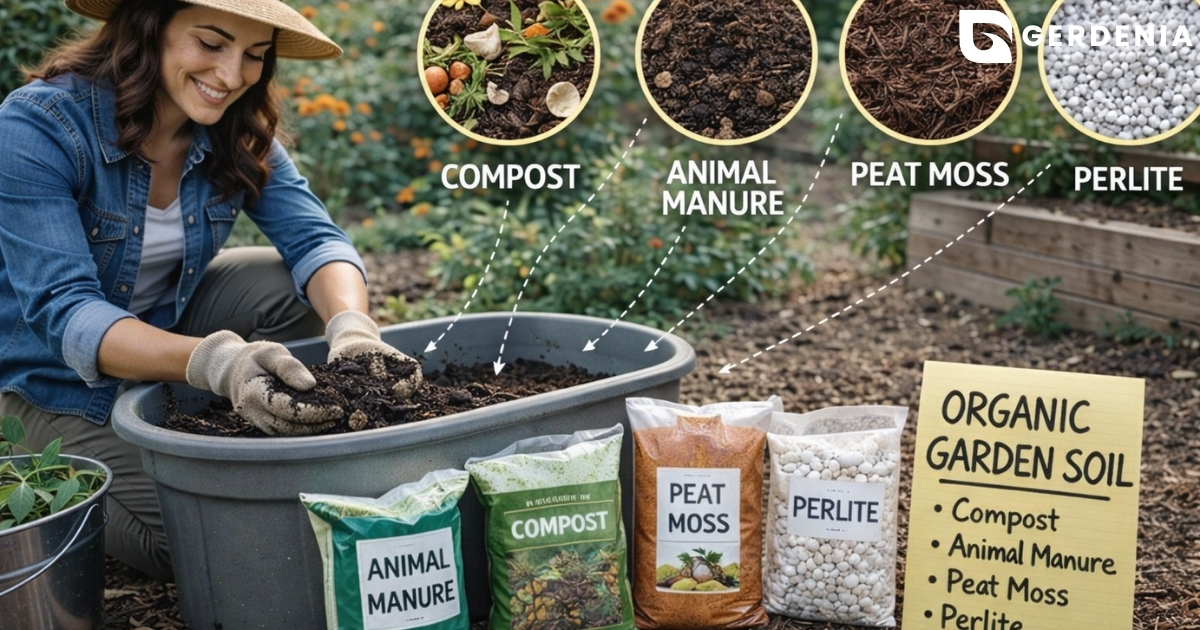
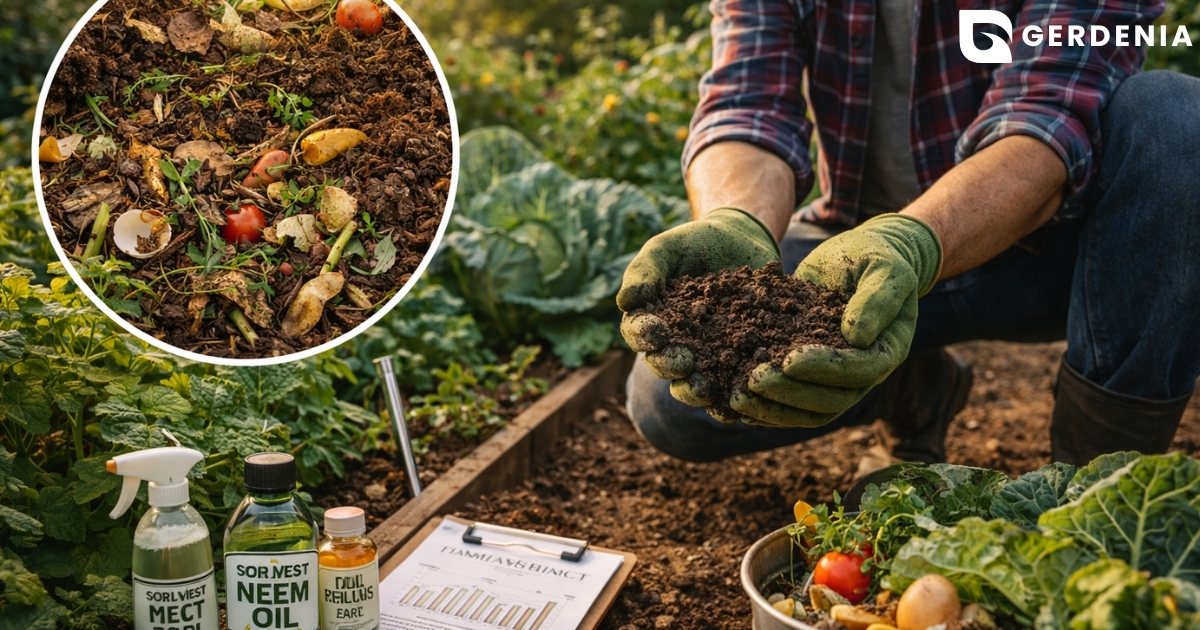
Composting is a controlled biological decomposition process that converts organic waste materials into a stable, humus-like product. The application of compost to soil increases organic matter content, improves soil structure, and enhances water-holding capacity. Composting not only recycles organic waste but also mitigates greenhouse gas emissions by diverting organic materials from landfills.
In addition to its environmental benefits, composting is an excellent way to improve soil fertility. The humus produced through composting is rich in nutrients and beneficial microbes, which contribute to plant health and growth. Applying compost to soil can also improve its texture, making it more friable and easier to work with.
Moreover, composting can be tailored to meet specific soil needs by adjusting the types of organic materials used. For instance, adding nitrogen-rich materials like grass clippings can create a compost suitable for crops with high nitrogen demands, while using more carbon-rich materials can improve soil structure.
Animal manure has been used as a natural fertilizer for centuries. It is rich in organic matter and nutrients, making it an excellent soil amendment. Manure application enhances soil microbial activity, increases nutrient availability, and improves soil structure. However, it is essential to manage manure application carefully to avoid nutrient leaching and runoff.
The type of manure used can vary depending on availability and specific soil requirements. Different types of manure, such as cow, chicken, or horse, have varying nutrient compositions, allowing for tailored soil management strategies. Proper composting of manure before application can further enhance its benefits and reduce the risk of pathogens.
Moreover, integrating manure into a crop rotation plan can maximize its benefits. For example, applying manure before planting nitrogen-demanding crops can significantly enhance their growth. By understanding the nutrient dynamics of manure, farmers can optimize its use to improve soil health sustainably.
Cover crops, also known as green manure, are grown primarily for soil improvement rather than for harvest. They add organic matter to the soil, reduce erosion, and improve soil fertility. Leguminous cover crops, such as clover and vetch, have the added benefit of fixing atmospheric nitrogen, enriching the soil with this essential nutrient.
The benefits of cover crops extend beyond nutrient addition. By covering the soil, they protect it from erosion caused by wind and rain, preserving topsoil and reducing sediment runoff into waterways. This soil conservation aspect is critical for maintaining long-term soil productivity and preventing environmental degradation.
Incorporating cover crops into cropping systems can also break pest and disease cycles. By rotating cover crops with cash crops, farmers can disrupt the life cycles of certain pests and diseases, reducing their prevalence and reliance on chemical controls. This integrated approach enhances both soil health and crop resilience.
Organic soil amendments are materials added to soil to improve its physical or chemical properties. These amendments can significantly influence soil health by enhancing organic matter content and improving nutrient cycling.
Biochar is a stable form of carbon produced by the pyrolysis of organic materials. It is highly porous and can improve soil structure, water retention, and nutrient availability. Biochar also acts as a habitat for soil microorganisms, promoting microbial diversity and activity.
The unique properties of biochar make it an excellent tool for carbon sequestration. By locking carbon into a stable form, biochar can help mitigate climate change while enhancing soil fertility. Its application can lead to long-term improvements in soil health, making it a valuable addition to sustainable agricultural practices.
Additionally, biochar’s high surface area and porosity allow it to act as a filter, capturing nutrients and water, thereby reducing leaching and improving nutrient use efficiency. This quality makes it particularly useful in sandy soils, where nutrient retention is a challenge.
Humic substances, including humic and fulvic acids, are organic compounds that result from the decomposition of plant and animal matter. They play a crucial role in improving soil chemistry by enhancing nutrient availability, increasing CEC, and promoting root growth. Humic substances are often applied as soil amendments to boost soil fertility.
These substances improve soil structure by binding soil particles, reducing compaction, and increasing porosity. This physical improvement facilitates root penetration and enhances plant access to water and nutrients. The chemical enhancement of soil through humic substances also includes increased buffering capacity, helping to stabilize soil pH and improve plant nutrient uptake.
Moreover, humic substances can chelate micronutrients, making them more available to plants. This chelation process prevents nutrient lock-up in the soil, ensuring that plants have consistent access to essential elements for growth and development.
Vermicompost is a type of composting that uses earthworms to decompose organic material. The resulting product is rich in nutrients and beneficial microorganisms, making it an excellent soil amendment. Vermicompost improves soil structure, enhances nutrient availability, and promotes microbial activity.
The process of vermicomposting accelerates the decomposition of organic matter, producing a high-quality amendment that can be applied to a variety of crops. The castings produced by earthworms are rich in plant growth hormones and enzymes, which can enhance plant growth and resilience.
In addition to its nutrient benefits, vermicompost can improve soil aeration and drainage, reducing the risk of waterlogging and root diseases. Its application can lead to healthier, more productive plants, contributing to sustainable agricultural practices.
To harness the benefits of organic matter, farmers and land managers must adopt effective organic matter management practices. These practices involve integrating organic fertilizers and amendments into a holistic soil management strategy.
Integrated soil fertility management (ISFM) combines organic and inorganic nutrient sources to optimize soil fertility and crop productivity. By incorporating organic matter through compost, manure, and cover crops, ISFM enhances soil health and reduces the reliance on synthetic fertilizers.
The integration of organic and inorganic inputs allows for a balanced nutrient supply, meeting crop demands while preserving soil health. This approach can improve soil fertility over the long term, supporting sustainable crop production and environmental stewardship.
Moreover, ISFM can be adapted to different farming systems and environmental conditions. By assessing soil health and nutrient needs, farmers can tailor their management practices to optimize soil fertility and maximize crop yields.
Conservation tillage is a practice that minimizes soil disturbance, preserving organic matter and reducing erosion. By leaving crop residues on the soil surface, conservation tillage helps maintain soil structure, increase organic matter content, and enhance soil microbial activity.
This practice not only preserves soil health but also reduces labor and energy costs associated with traditional tillage methods. Conservation tillage can improve water infiltration and retention, reducing the need for irrigation and enhancing drought resilience.
Additionally, conservation tillage supports carbon sequestration by reducing soil carbon loss. This contributes to climate change mitigation efforts while enhancing soil fertility and productivity.
Agroforestry involves integrating trees and shrubs into agricultural landscapes, enhancing soil health and providing additional environmental benefits. Trees contribute organic matter through leaf litter and root turnover, improving soil structure and fertility.
The presence of trees in agroforestry systems can enhance biodiversity, providing habitat for beneficial insects and wildlife. This integrated approach can improve ecosystem services, such as pollination and pest control, supporting sustainable agricultural systems.
Moreover, agroforestry practices can improve water management, reducing runoff and erosion while enhancing water quality. By combining trees with crops and livestock, farmers can optimize resource use and improve resilience to environmental changes.
Understanding soil health through organic matter is crucial for developing sustainable agricultural systems that are resilient to environmental changes. Organic fertilizers and soil amendments play a vital role in enhancing soil properties and functions, contributing to sustainable crop production and ecosystem health.
By adopting organic matter management practices, we can improve soil health, increase agricultural productivity, and contribute to the long-term sustainability of our natural resources. The integration of organic matter into soil management strategies is not only a pathway to healthier soils but also a step towards a more sustainable and environmentally responsible future.
Organic matter management practices offer numerous benefits, from improving soil fertility and structure to enhancing biodiversity and ecosystem services. By embracing these practices, we can build resilient agricultural systems that support food security and environmental sustainability. The journey towards sustainable soil health is a collective effort, requiring the collaboration of farmers, researchers, and policymakers to create a more sustainable and resilient future for all.