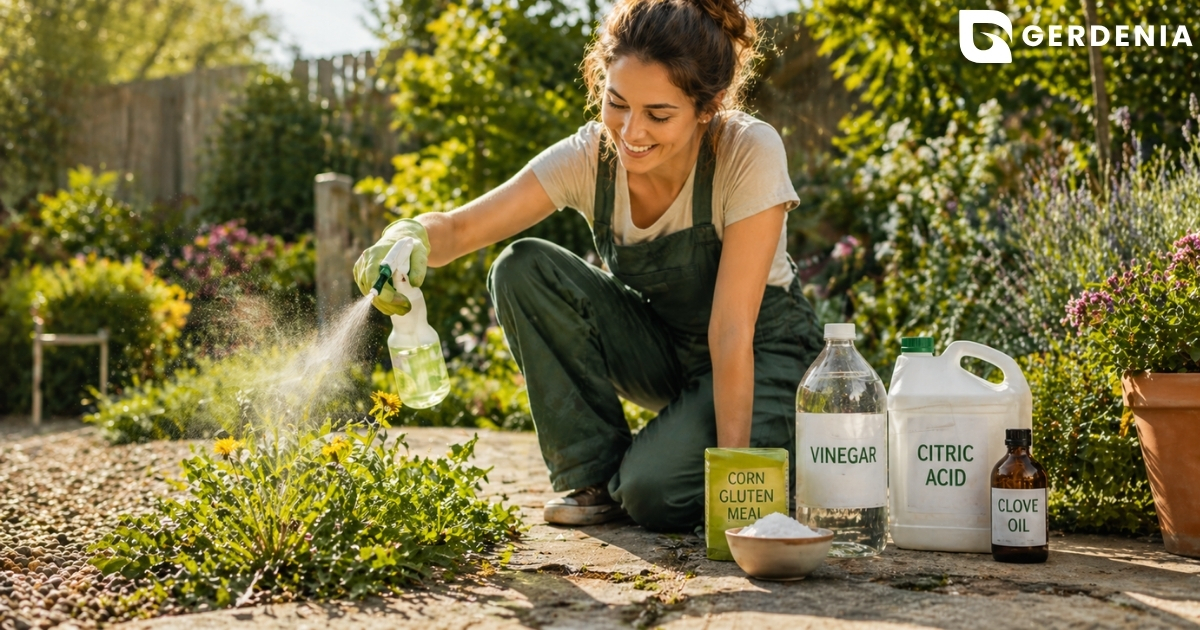
You step out into the morning air with your coffee, only to discover your prize kale looks like a piece of green Swiss cheese. The urge to grab the strongest chemical spray is incredibly tempting, but then you think about your toddler playing nearby or the family dog sniffing the flowerbeds. Finding effective organic pest control methods for gardens does not mean you have to compromise the safety of your backyard or resort to wearing a hazmat suit.
Traditional agriculture often treats pest management like a scorched-earth campaign, wiping out every creeping insect in sight. According to decades of ecological research, however, true garden health relies on natural balance rather than total eradication. The goal is never a completely sterile environment; instead, it is about managing the bad bugs while protecting “nature’s bouncers”—those beneficial insects like ladybugs and predatory wasps that naturally police your plants.
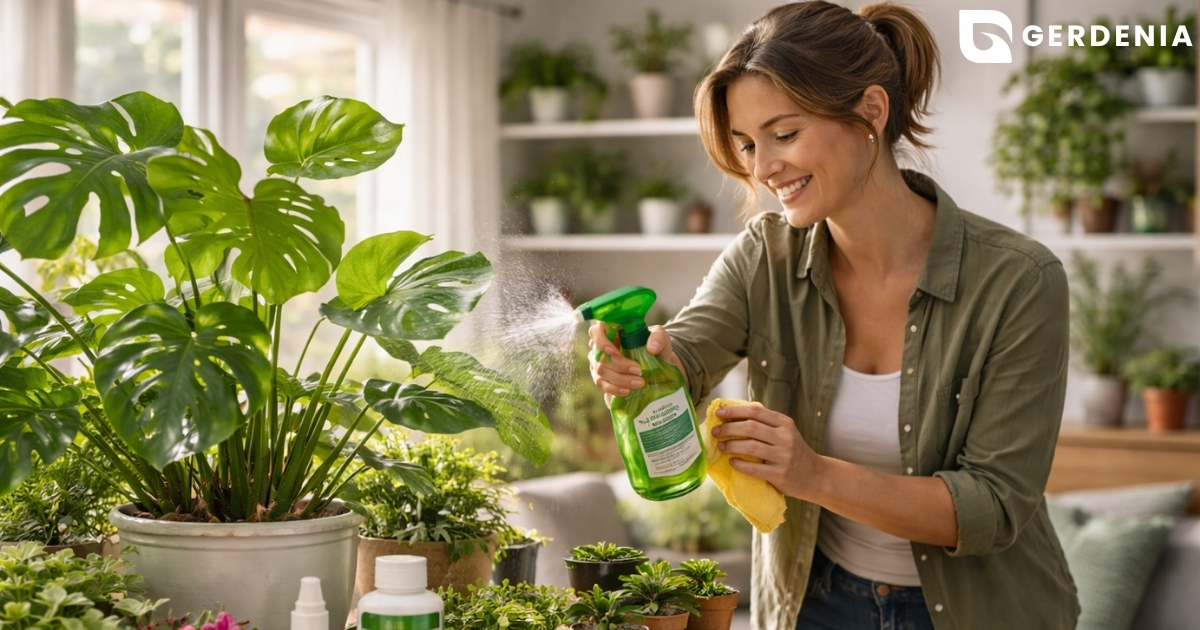
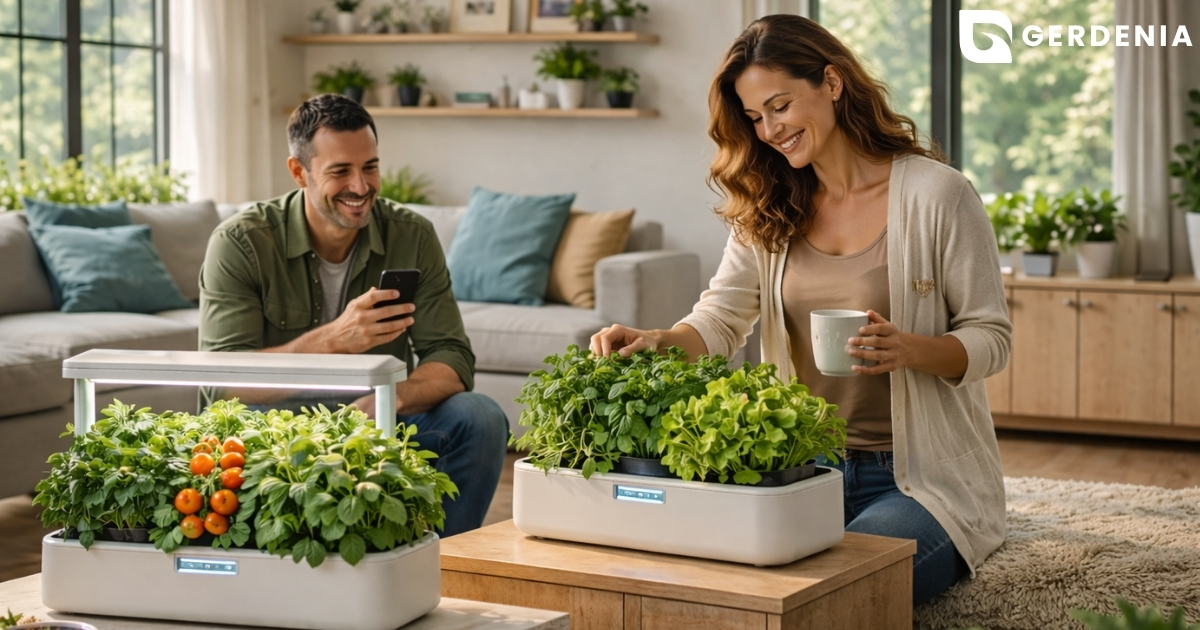
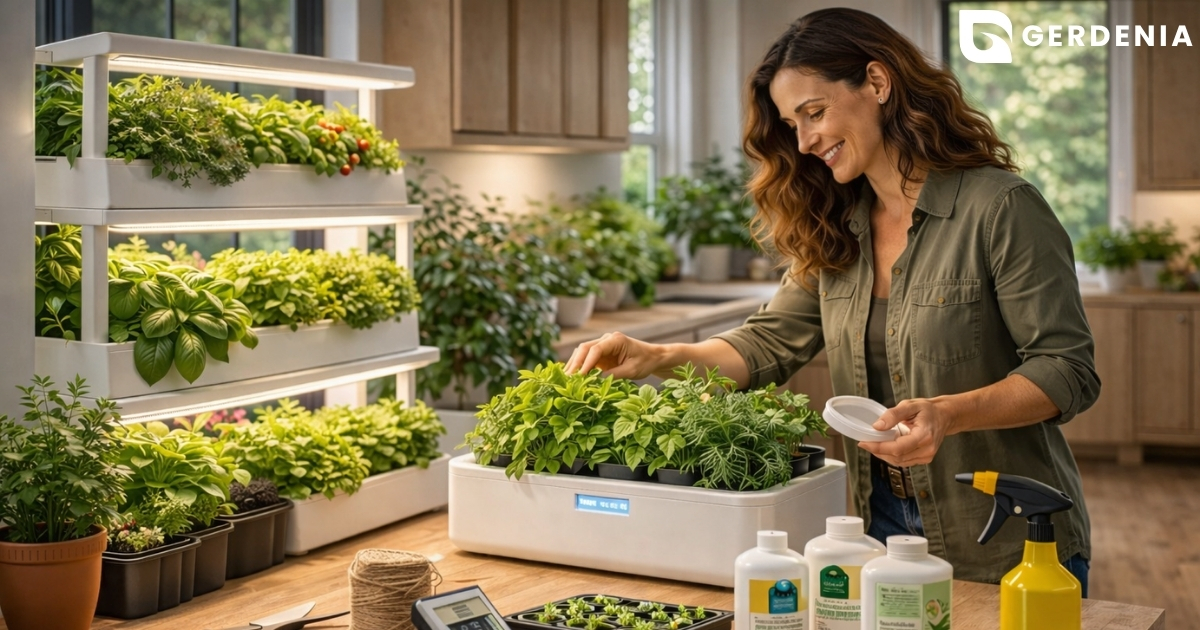
How exactly do these gentler alternatives get the job done without leaving a toxic residue? Using a natural insecticide approach is like running a simple kitchen lab, relying on basic plant-based oils, gentle soaps, and crushed minerals rather than unpronounceable synthetic compounds. Because these ingredients break down quickly and safely, they perfectly double as safe pesticides for indoor vegetable gardens where harsh chemical fumes are simply out of the question.
Armed with a little bit of science, you can turn your plants into an impenetrable fortress. Nature has spent millions of years perfecting these gentle but powerful defenses, which generally work in three specific ways: physical barriers that stop pests from breathing, potent plant scents that repel them, and disruptive biological compounds that prevent them from feeding and growing.
Understanding the ‘Natural’ Label: Why Safe Pest Control Matters for Your Pets and Soil
Watching a toddler explore or a dog sniff your flowerbeds instantly changes how you view garden sprays. We all want a non-toxic bug repellent for pets and children, especially because of the residual effect. This is the invisible chemical footprint left on leaves and soil long after a spray dries, making the search for safe indoor and outdoor pest solutions critical for the food we eventually harvest.
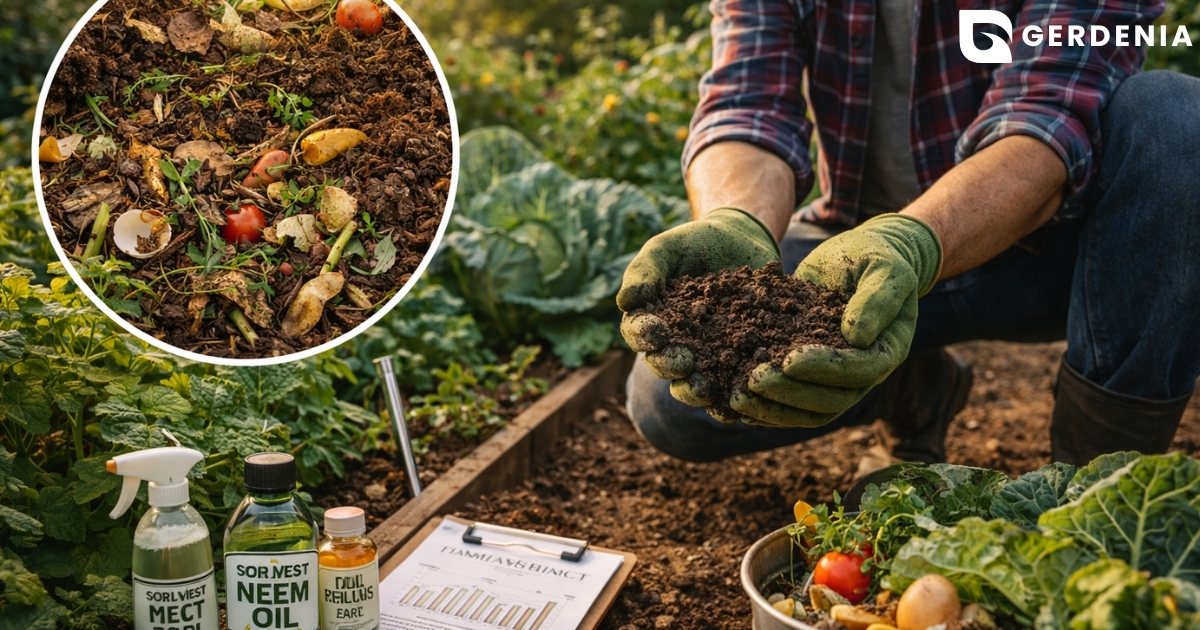
Beneath those leaves lies a delicate living network known as soil ecosystem health. When comparing chemical vs biological pest control, harsh synthetic sprays act like a microscopic bulldozer. They eliminate the target pest, but they also destroy the earthworms, beneficial fungi, and passing bees that keep your plants naturally strong and resilient.
A thriving underground environment actually acts as your garden’s immune system against future infestations. While “natural” doesn’t mean completely harmless—you still wouldn’t spray strong peppermint oil in your eyes—these gentler alternatives preserve your yard’s vital defenses rather than wiping them out. The easiest way to protect this balance is likely already sitting right by your kitchen sink.
The Simple Suffocation Method: Using Kitchen Soaps to Stop Aphids and Mites
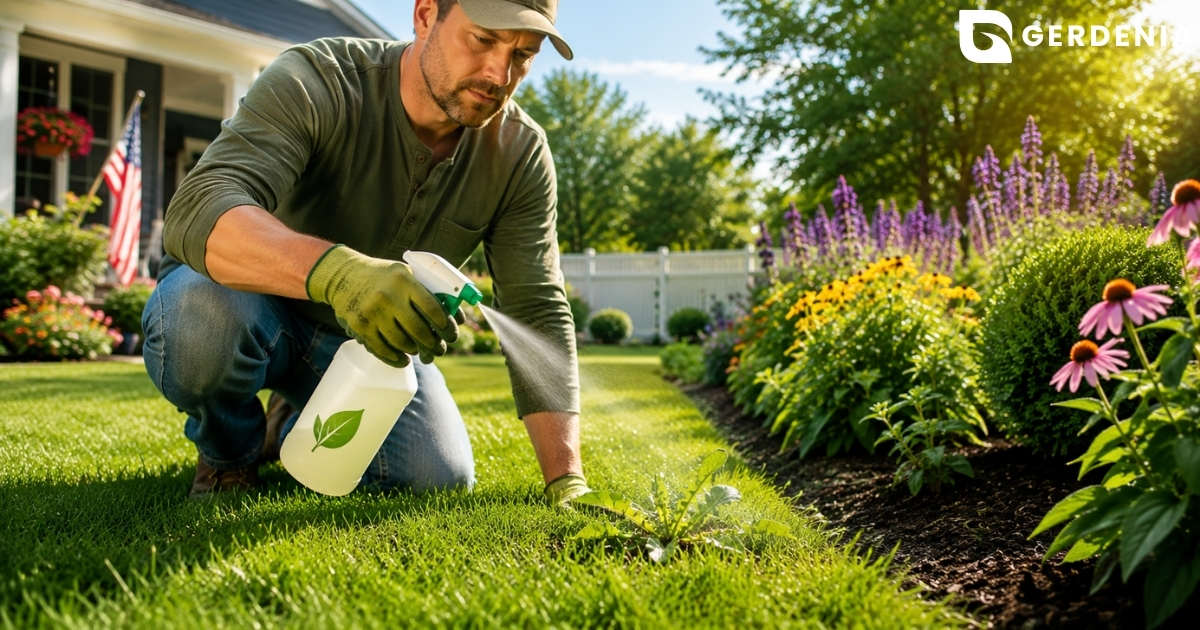
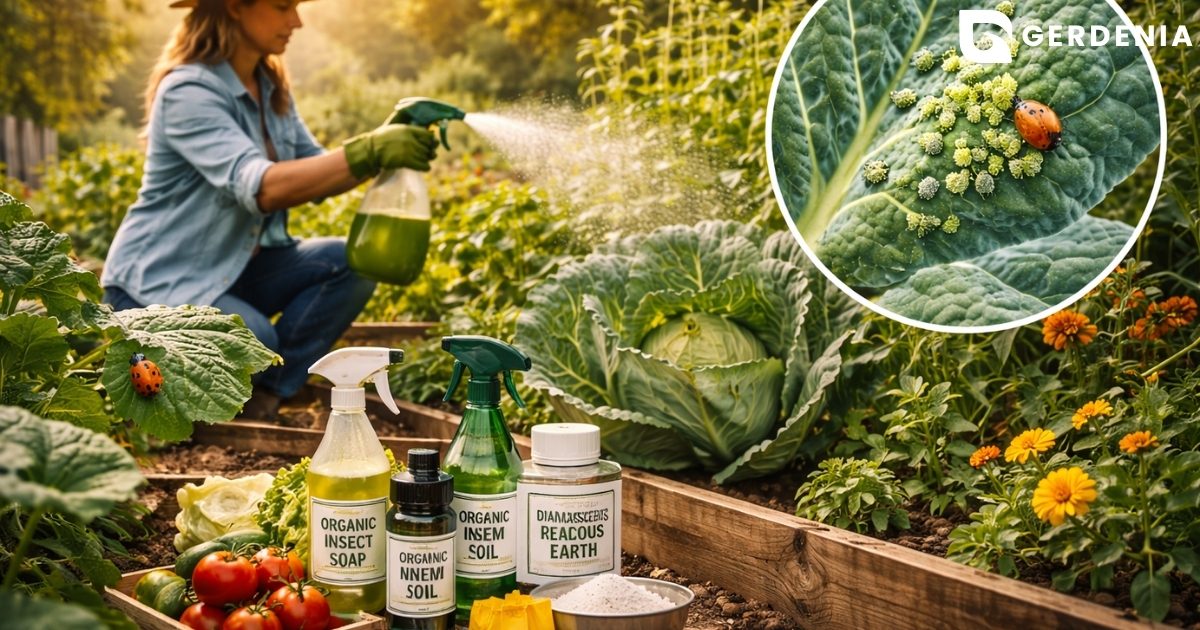
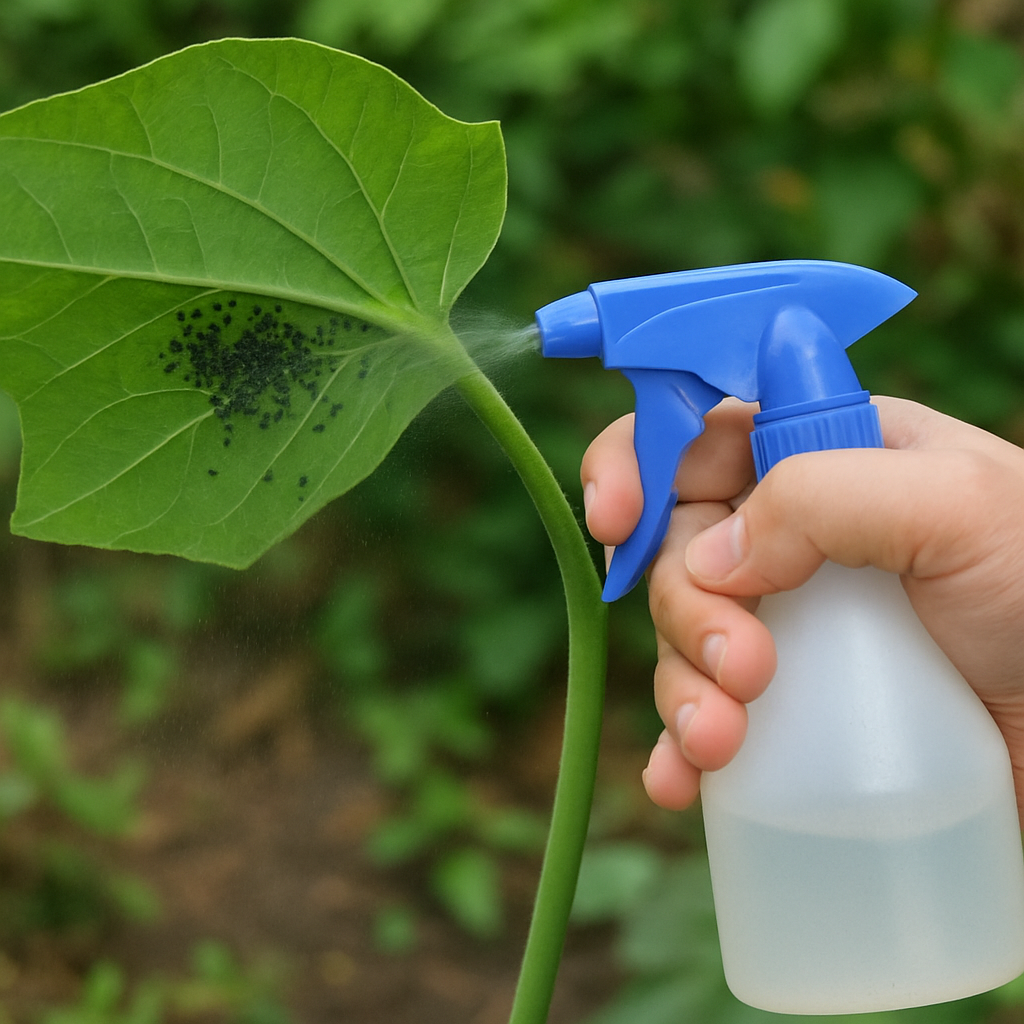
That bottle of liquid soap by your sink is a formidable weapon for getting rid of spider mites naturally. To aphids and other soft-bodied insects, soap acts as a surfactant—a substance that easily spreads and sticks. This soapy film washes away their protective waxy coating and blocks their breathing pores, essentially suffocating them upon contact.
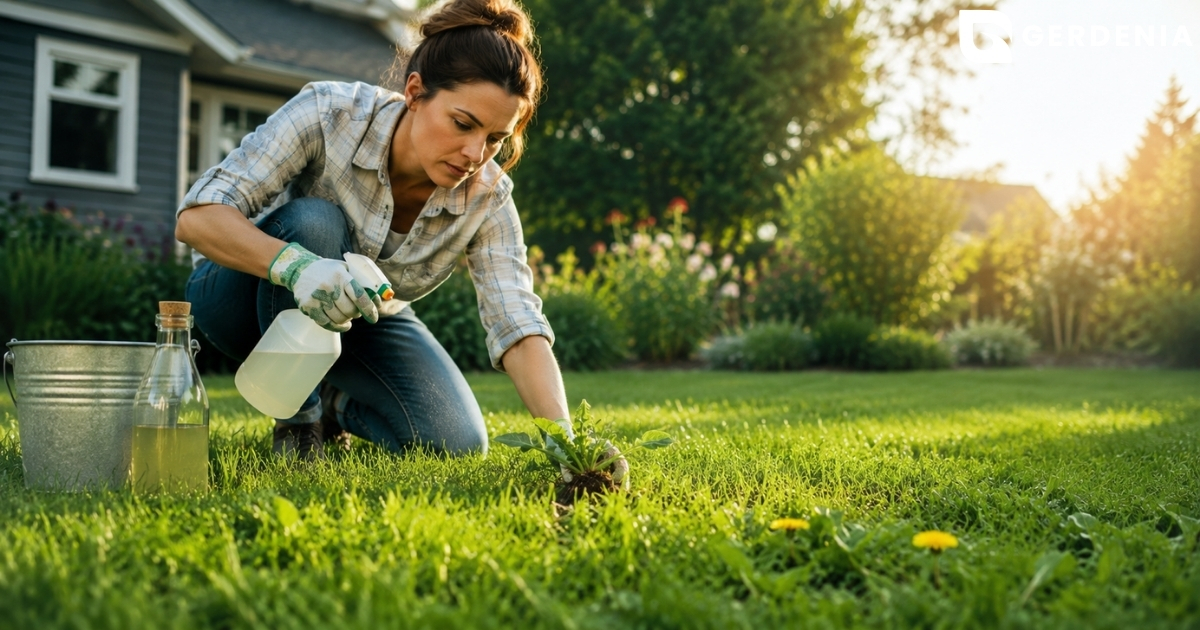
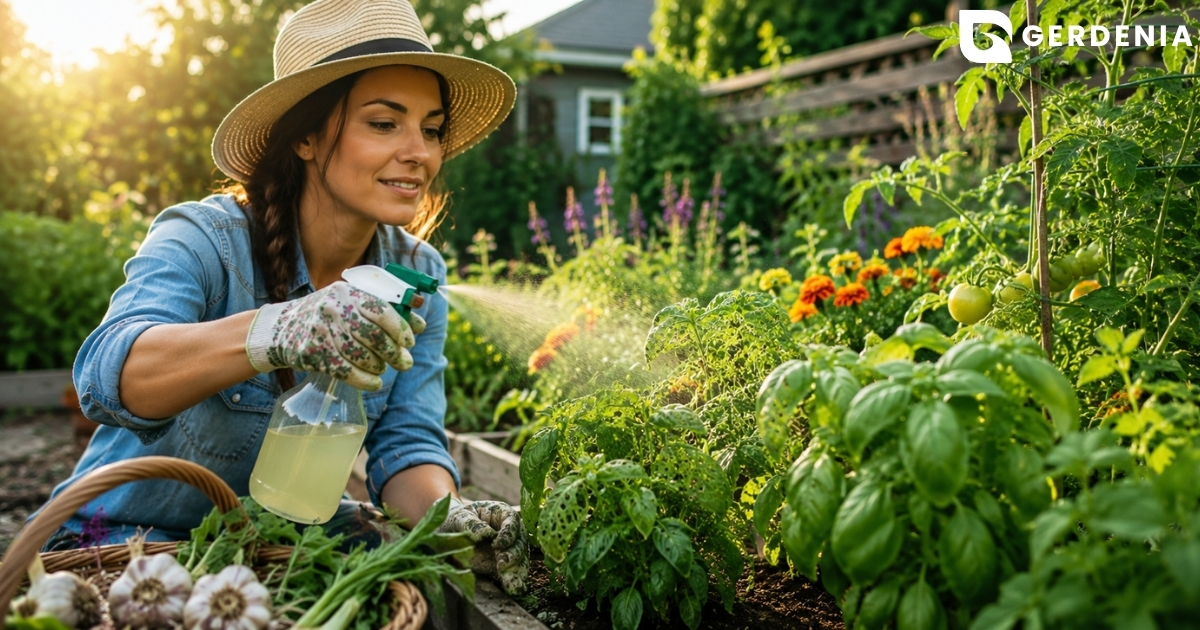
Making this homemade plant spray takes just seconds. Because this method requires direct physical contact to work, thoroughly drench the hidden bugs using this basic mixture:
- 1 gallon of water
- 1-2 tablespoons liquid soap
- 1 tablespoon vegetable oil
Before treating your whole garden, perform a “Leaf Test” to prevent phytotoxicity—simply known as leaf burn. Spray one hidden leaf and wait 24 hours to check for plant sensitivity, always applying in the early morning or late evening so the sun doesn’t scorch the wet foliage. While soap offers an eco-friendly way to manage aphids, botanical solutions can step in to disrupt the pest’s actual growth cycle.
Neem Oil 101: How This Ancient Botanical Disrupts the Insect Life Cycle
If soap acts as a swift physical barrier, neem oil behaves like a deceptive Trojan horse. As a top choice among organic alternatives to synthetic pesticides, it functions as a “growth disruptor.” Whether sprayed directly onto leaves (topical) or absorbed into the plant’s sap (systemic), it scrambles a bug’s hormones. They ingest it, forget to eat, and simply stop growing. This makes neem a brilliant “long-game” solution that takes a few days to work, while its bitter scent doubles as a natural repellent to keep new pests away.
Creating a step-by-step DIY neem oil spray requires emulsification, because oil and water naturally separate. Soap acts as the necessary bridge, binding oil droplets to the water so the mixture sprays evenly without clogging your bottle. To blend it correctly:
- Warm the oil.
- Mix soap with water.
- Slowly add the oil while stirring.
Using botanical extracts for residential pest management requires patience, but the long-term garden balance is worth the wait. While neem oil masterfully protects your plant foliage from sap-sucking insects, ground-dwelling bugs require a much sharper defense.
Diatomaceous Earth: The Microscopic Shield for Crawling Pests
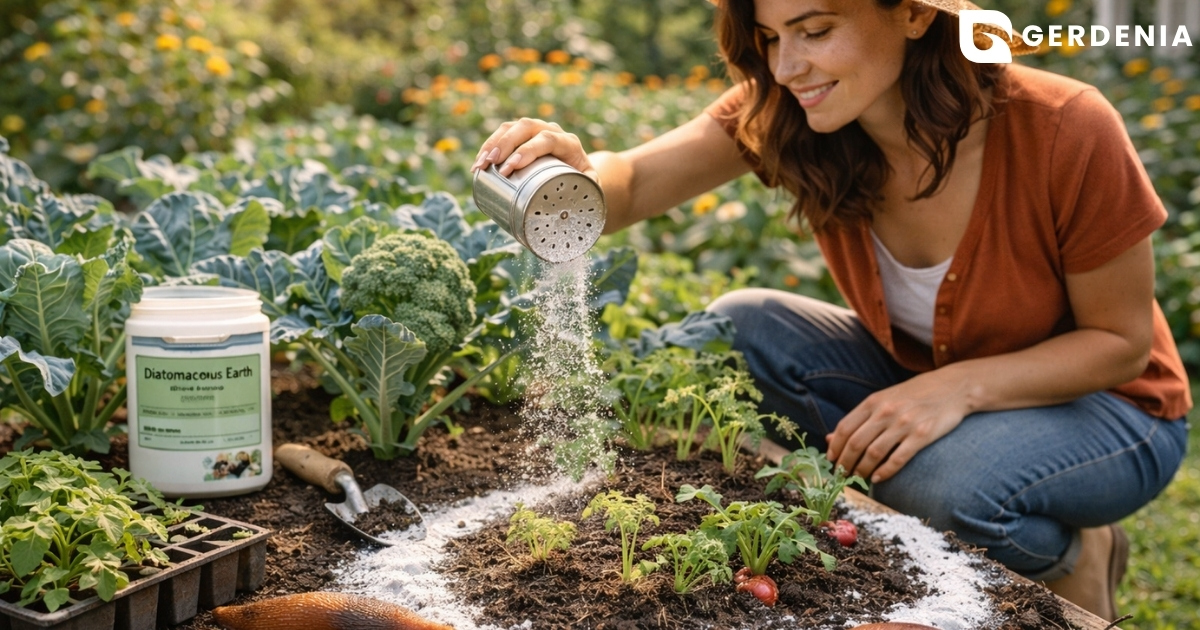
Unlike sprays that alter hormones, Diatomaceous Earth (DE) takes a purely physical approach. To us, this fossilized algae powder feels harmless. Yet, to crawling pests, walking through it is like marching over microscopic broken glass. Rather than chemical poison, this natural insecticide utilizes a mechanical kill that scratches the insect’s shell and rapidly dehydrates it.
Building a defense line simply requires dusting a protective ring around vulnerable seedlings. When shopping for this organic pest control, always choose “Food Grade” DE. Pool-grade versions are dangerous to breathe, but the food-grade powder safely stops ants, slugs, and beetles without risking the health of curious toddlers or pets.
One important catch with this non-toxic bug repellent is the “Wetness Rule,” meaning the dust becomes ineffective when damp. You must reapply the powder after any rainstorm or heavy dew. Once your soil is secured against crawlers, airborne threats require a different approach.

Botanical Bug Sprays: Making Homemade Garlic and Pepper Deterrents
Have you ever noticed how pests ignore certain strong-smelling herbs? Rather than killing bugs outright, a deterrent makes your prized vegetables completely unappetizing. Plants naturally defend themselves using “volatile compounds”—strong scents acting like a biological cloaking device that hides sweet foliage from hungry caterpillars. By harnessing these odors, you can mix a highly effective natural bug spray yourself.
Crafting these botanical deterrents is simple, though you must remember basic kitchen safety and wash your hands after handling spicy ingredients! Here is how to make it:
- Blend one garlic bulb and one hot chili pepper.
- Steep the mash in two cups of boiling water overnight.
- Strain out the solid pieces using cheesecloth.
- Dilute the liquid into a quart of water and spray.
Because these aromatic defenses rely on fading smells rather than heavy coatings, they evaporate quickly and need reapplication every few days. To stretch your efforts, use the “Adhesion Trick” by adding a single drop of dish soap to your bottle, helping the scent stick to the leaves. Once you master this kitchen recipe, you can expand your invisible shield using essential oils.
Essential Oils as Garden Guards: Using Peppermint and Rosemary
Insects navigate the world primarily through smell. By introducing strong scents like peppermint and rosemary, you create “olfactory masking,” which essentially blinds a bug’s tracking system so they get confused and leave. Using these essential oils as effective garden pest deterrents targets specific invaders: peppermint halts marching ants, while rosemary repels flies.
Protecting vulnerable plants doesn’t always require coating their leaves. Instead of directly applying a natural bug spray, try the ‘Scent Stake’ method. Just add thyme oil to cotton balls and place them inside ventilated containers staked near your crops. This invisible perimeter complements other eco-friendly pest control methods without risking sun damage to delicate foliage.
Before deploying these aromas, remember that concentrated extracts can be toxic to pets. Always place your soaked materials inside secure containers well out of reach from curious dogs or cats. Once your boundary is safely established, you can upgrade your biological defense by growing living herbs directly alongside your vegetables.
Strategic Companion Planting: Designing Your Garden Bed to Confuse Pests
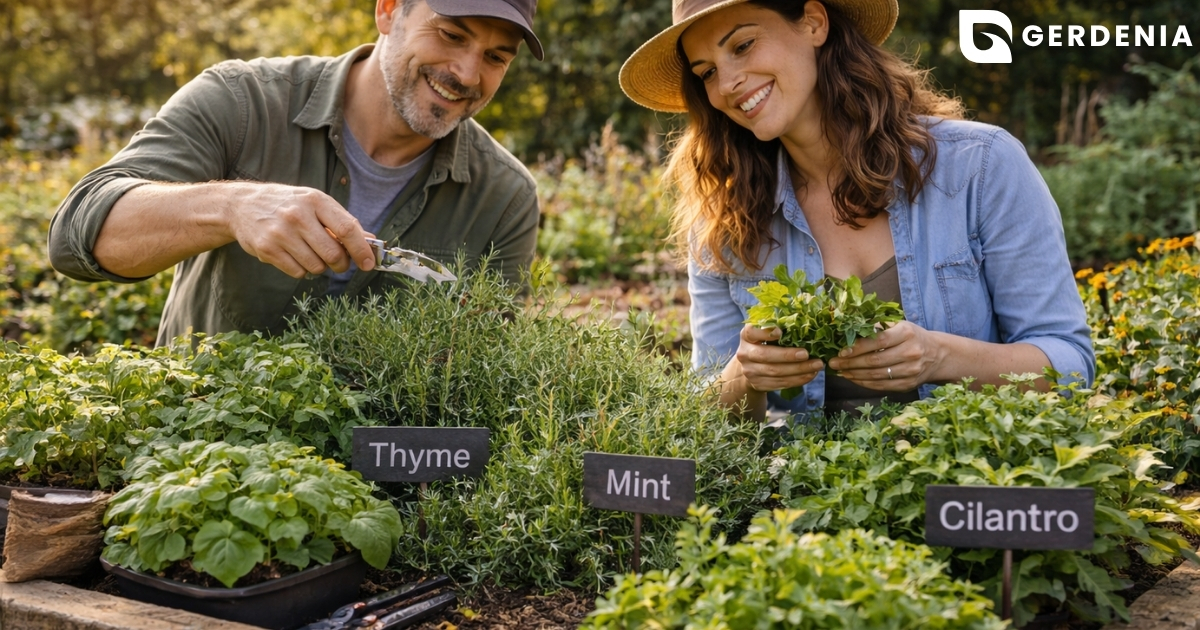
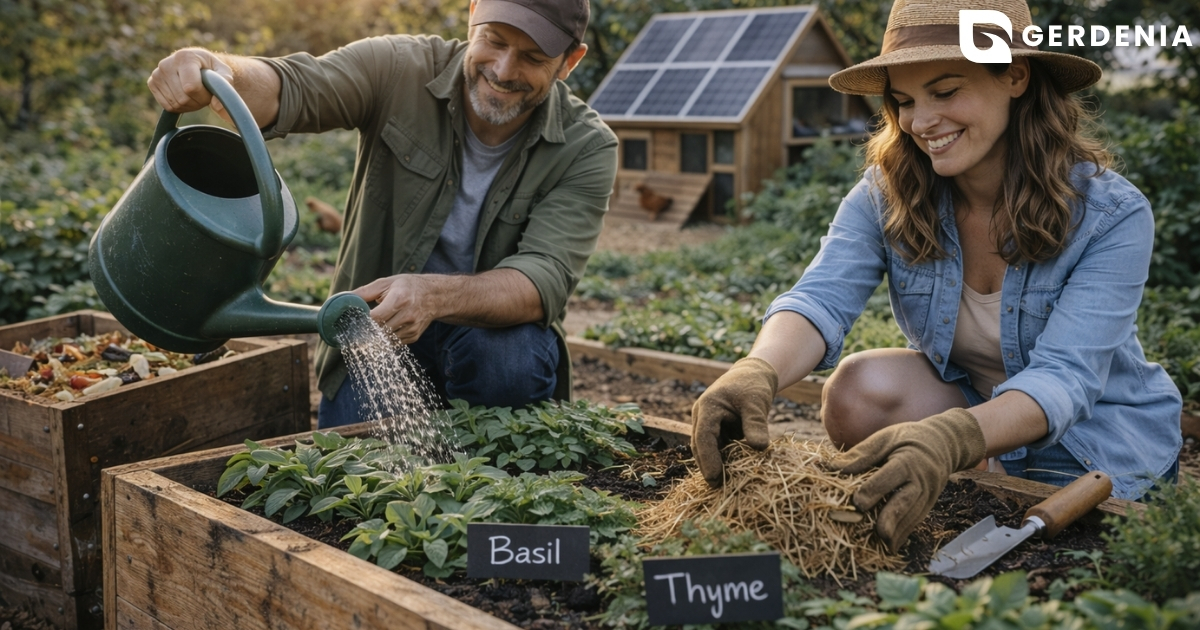
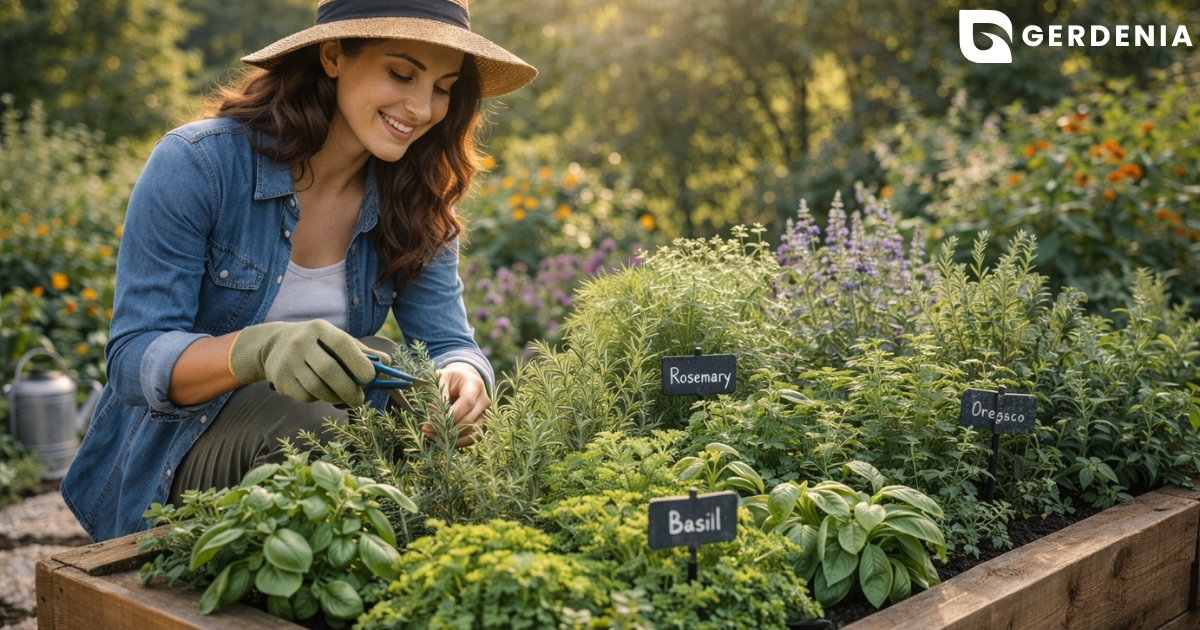
Growing living herbs near vegetables is one of the top organic pest control methods for gardens. Planting a large patch of just one crop—a monoculture—creates an all-you-can-eat buffet for hungry insects. Mixing different species together forms a polyculture, creating a confusing jungle of smells and shapes that prevents any single bug from taking over your yard.
You can also rely on a “trap crop,” which is a sacrificial plant grown specifically to take the hit for your prized harvest. Because they rely entirely on biology rather than synthetic chemicals, these decoys serve as completely biodegradable garden pest solutions. To discover the best companion plants for pest prevention, start with these classic neighborhood pairings:
- Tomatoes + Basil (deters thrips)
- Roses + Garlic (blocks aphids)
- Broccoli + Nasturtiums (trap crop for cabbage moths)
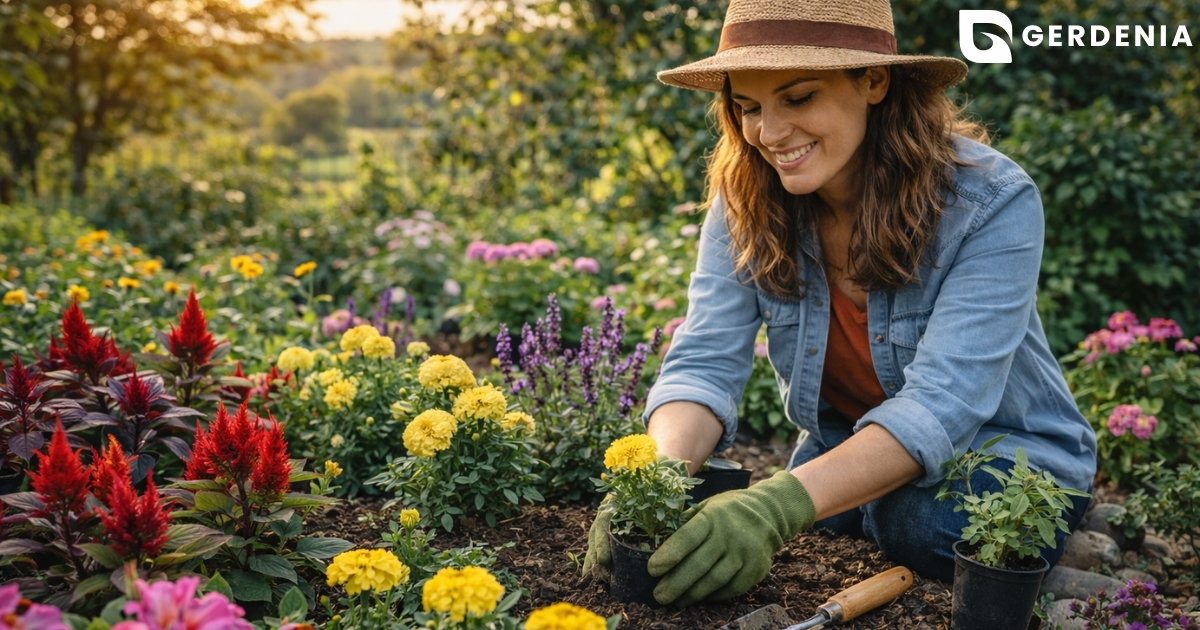
Beyond just confusing the bad guys, weaving bright flowers into your vegetable beds serves another crucial purpose. These vibrant blooms act as beacons for the helpful insects that patrol your garden. With your defensive layout established, attracting predatory insects provides the next layer of protection.
Recruiting the Bouncers: How to Attract Ladybugs and Predatory Wasps
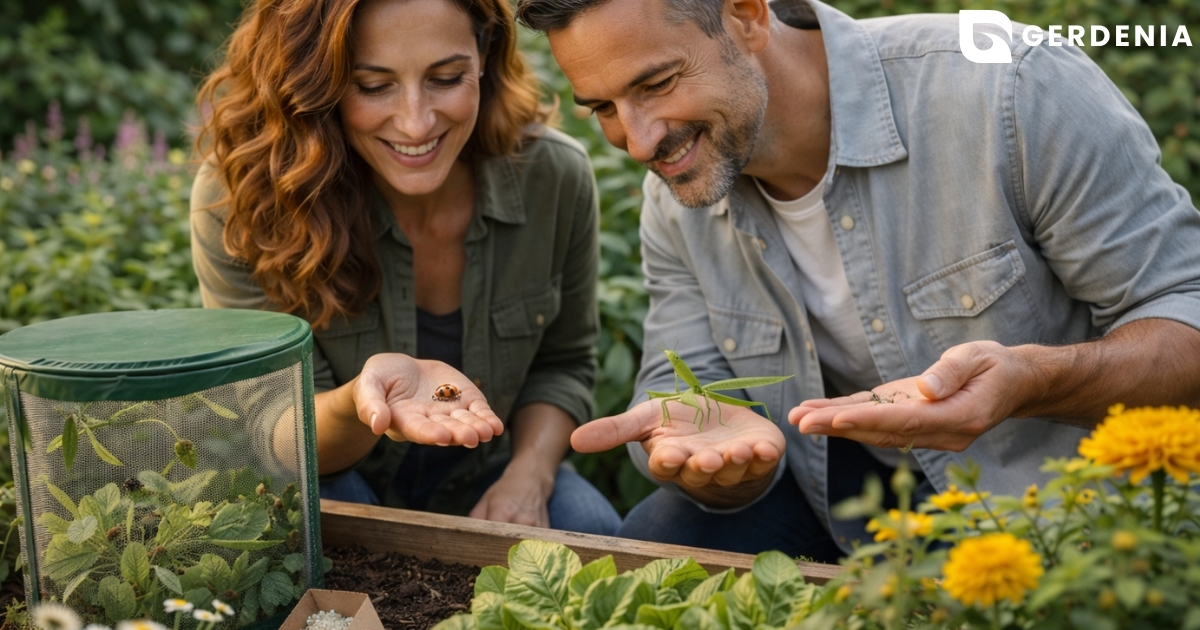
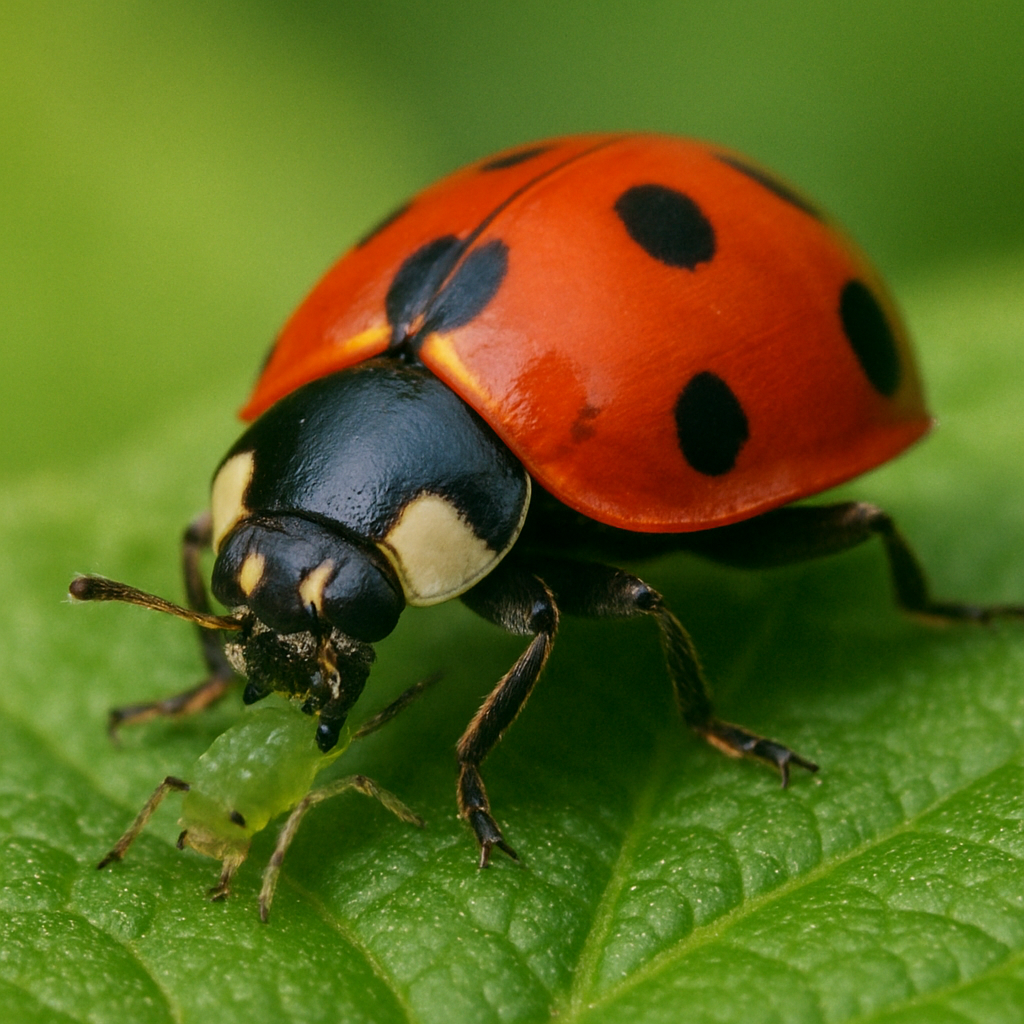
True organic pest control relies on beneficial insects for garden protection rather than broad-spectrum sprays that wipe out everything. To keep these natural bouncers around, selective control is key. You actually need a few surviving aphids in your yard; otherwise, your biological security team starves and flies away.
While ladybugs are famous, delicate green lacewings and hoverflies are actually much hungrier predators. Since you know insects transform from eggs to adults, watch closely for their young. Before growing wings, beneficial larvae look nothing like their parents—they resemble tiny, spiked alligators aggressively patrolling your leaves.
Retaining these guardians year-round requires planting a “pollen buffet.” Letting herbs like dill bloom provides sweet nectar that sustains them whenever pest populations temporarily drop. Balancing these helpful predators forms the very core of integrated pest management strategies.
The Integrated Pest Management Blueprint: A Step-by-Step Guide
Instead of grabbing a spray bottle at the first chewed leaf, successful gardeners use integrated pest management (IPM) strategies. This approach starts by establishing an “Action Threshold”—deciding exactly when a bug actually becomes a threat. A few nibbled tomato leaves will not ruin your harvest, and as we just learned, leaving a small number of aphids alive is strictly necessary to keep your biological security team fed.
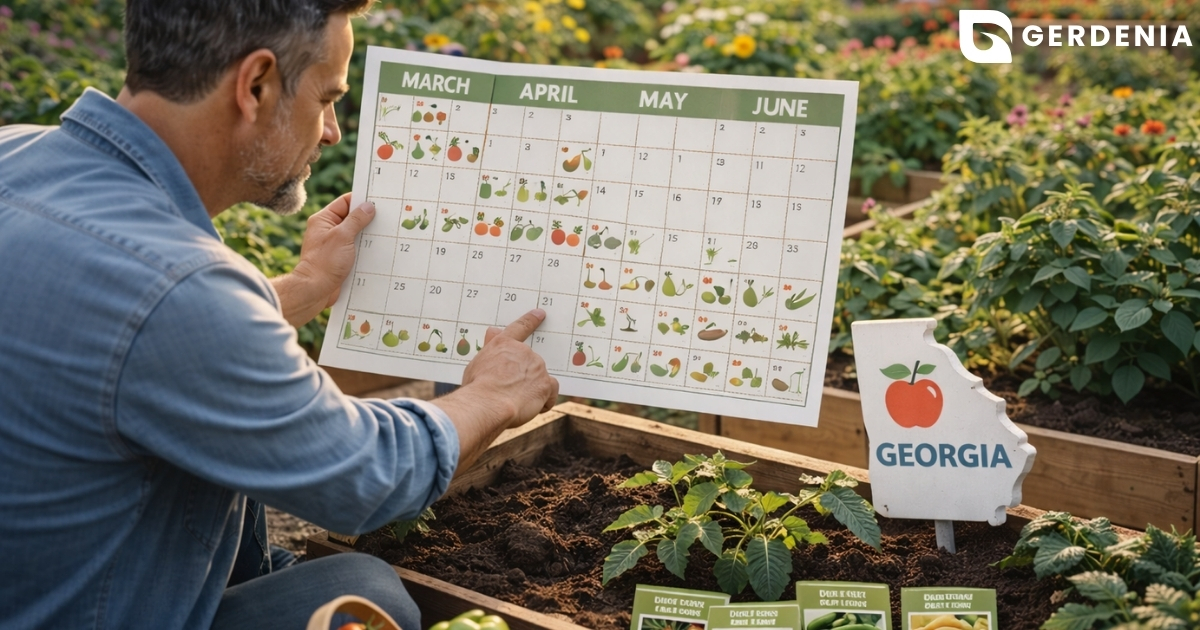
Tracking these seasonal arrivals in a basic garden notebook makes organic pest control methods highly effective over time. Simply writing down when specific beetles appear this July allows you to predict their arrival and prepare your defenses weeks in advance next summer.
When action is truly required, follow this escalating pyramid of natural solutions:
- Prevention: Build healthy soil to grow naturally resilient plants.
- Cultural: Use fragrant companion plants to confuse hungry pests.
- Physical: Make a strong water blast your first line of defense to clear 80% of aphids quickly, or hand-pick larger intruders.
- Biological: Let your beneficial insects handle the stragglers.
- Chemical: Apply natural sprays only as a final resort.
Trusting this step-by-step hierarchy prevents panicked reactions that might accidentally harm your yard’s delicate balance.
Your Weekend Action Plan: Transitioning to Natural Garden Protection
You no longer have to panic at the first sign of plant damage. By choosing a natural insecticide approach, you are working with your environment rather than against it. Remember that your garden is a living ecosystem, not a factory, so the goal is a healthy balance, not total sterility. Embrace the “Morning Walk” habit: spending just five minutes looking under leaves with your morning coffee will save you hours of reactive spraying later.
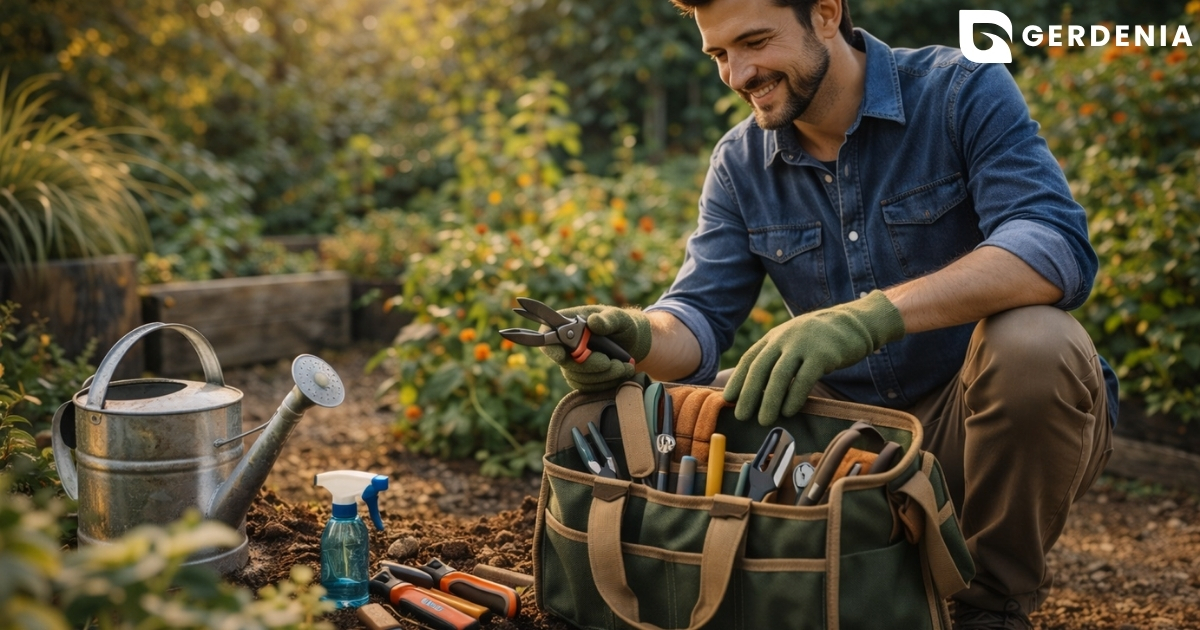
To confidently practice organic pest control, set up your “Kitchen Lab” starter kit with these essentials:
- A sturdy spray bottle
- Pure liquid Castile soap
- Cold-pressed Neem oil
- Food-grade Diatomaceous Earth
- A simple magnifying glass
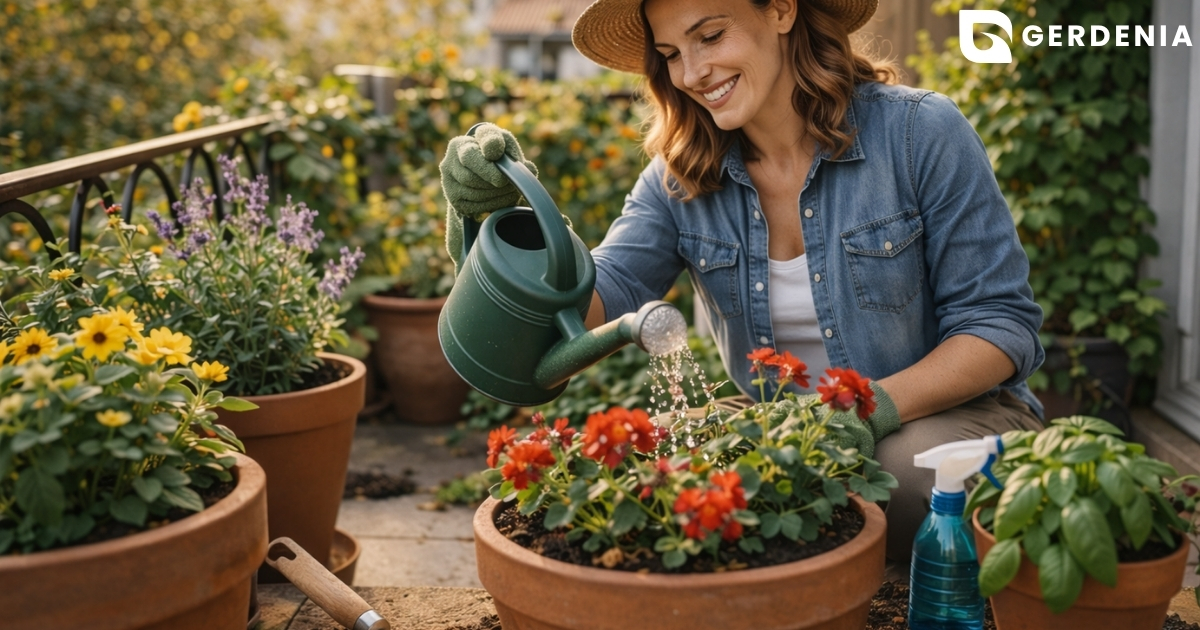
Start your new routine today. Mix your first gentle batch of soapy water to protect your favorite patio tomato, or use it as a safe pesticide for your indoor plants. You do not have to be perfect on the first try. Simply watch, learn, and let your newfound skills protect your garden safely.