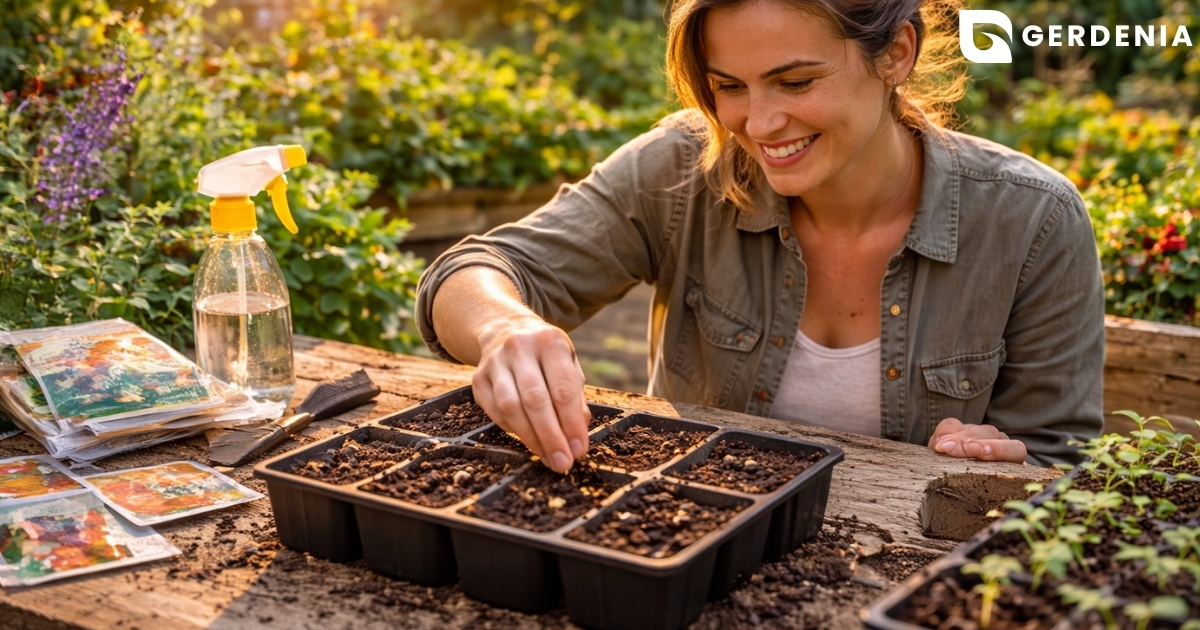
Germinating seeds is a fundamental yet intricate process that serves as the basis for cultivating a thriving garden. Whether you aim to grow seeds in a backyard plot or propagate seeds indoors, understanding the nuances of seed starting is crucial for success. This guide will provide a comprehensive, step-by-step approach to seed germination, addressing everything from preparation to planting, to nurturing seedlings until they are ready for transplantation.

Understanding Seed Germination
Seed germination is the process by which a seed develops into a new plant. It involves a complex interplay of environmental factors such as water, temperature, light, and oxygen. Successful germination results in the emergence of a seedling, which is the initial stage of plant development.
The Biological Process of Germination
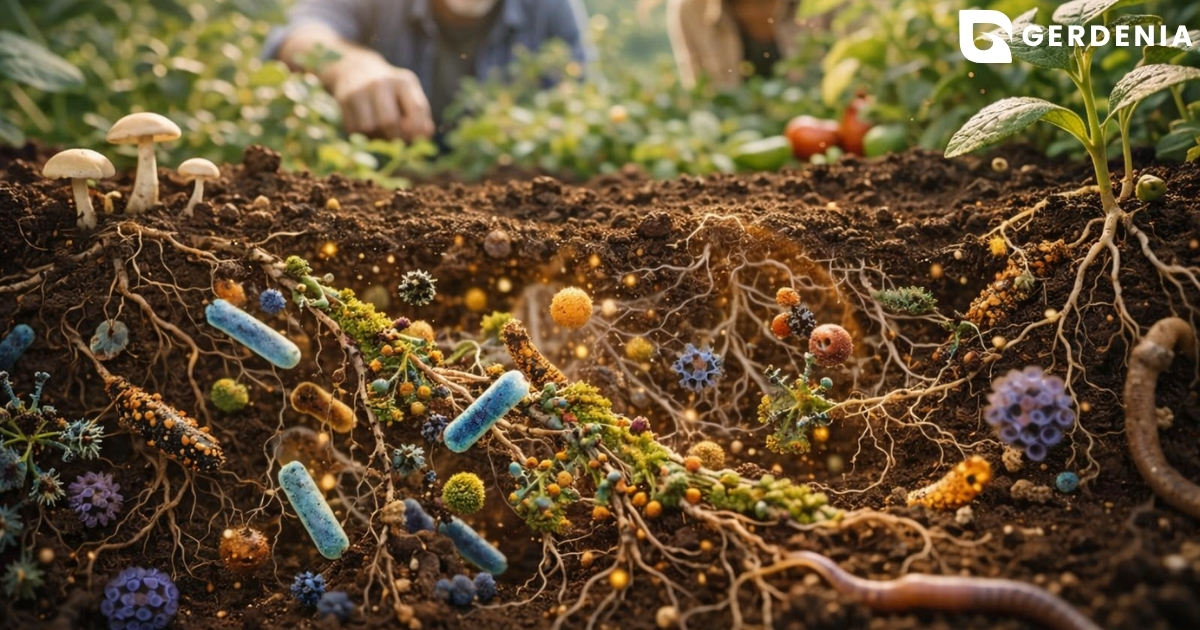
At the heart of germination is the awakening of a dormant seed to life. Initially, seeds remain in a state of dormancy, preserving their potential until conditions are favorable. The absorption of water, known as imbibition, triggers metabolic processes, leading to the activation of enzymes. These enzymes break down stored food resources, supplying energy and nutrients for the emerging seedling. As the seed swells, the protective coat splits, allowing the embryonic root, or radicle, to penetrate the soil.
Environmental Requirements
The environment plays a pivotal role in germination. Adequate moisture is crucial as it initiates the swelling and subsequent growth of the seed. Soil temperature must be within a specific range, varying from species to species, to facilitate metabolic activity. Light requirements also differ; some seeds need light to germinate, while others require darkness. Oxygen is essential for cellular respiration, supporting the energy needs of the growing seedling.
Seed Dormancy and Viability
Not all seeds germinate immediately after reaching the soil; some require a period of dormancy to overcome physiological barriers. Dormancy can be influenced by factors like seed coat thickness, internal chemical inhibitors, and environmental cues. Understanding these aspects is vital for predicting germination success. Viability testing, involving germination tests or tetrazolium tests, helps ascertain the health and potential of seeds before planting.
Preparing Seeds for Planting

Before planting, seeds may require pre-treatment to enhance germination rates. Common techniques include scarification and stratification, both of which simulate natural processes seeds undergo in the wild.
Scarification Techniques
Scarification involves physically breaking or softening the seed coat to facilitate water absorption. This can be done by:
- Mechanical Scarification: Gently abrading the seed coat with sandpaper or a file can help seeds with hard coverings absorb water more efficiently. It’s important to be gentle to avoid damaging the seed embryo.
- Thermal Scarification: Briefly immersing seeds in hot water and then rapidly cooling them can mimic the effect of natural thermal stress, such as wildfires, that some seeds require for germination.
- Chemical Scarification: Using mild acids can also break down seed coats, although this method requires careful handling and knowledge of the specific seed type.
Stratification Methods
Stratification mimics natural conditions that a seed would experience in its dormant state, often involving chilling periods. This process can be achieved by:
- Cold Stratification: Placing seeds in a moist medium in the refrigerator for several weeks simulates winter conditions, breaking dormancy in species that require cold to germinate.
- Warm Stratification: Storing seeds at temperatures above 68°F for a specified period can be necessary for seeds requiring a warm season to break dormancy.
- Double Stratification: Some seeds require alternating cold and warm periods to mimic seasonal changes, ensuring they germinate at the right time.
Seed Pre-soaking
Pre-soaking seeds in water before planting can expedite germination. This technique involves:
- Water Soaking: Submerge seeds in water for a specified duration, usually 12-24 hours. This softens the seed coat and initiates the absorption process.
- Oxygenated Soaking: Adding an aquarium pump to the soaking container can enhance oxygen levels, benefiting seeds that require high oxygen levels during germination.
Steps for Planting Seeds
Planting seeds involves choosing the right medium, containers, and ensuring the correct planting depth. These steps are crucial for supporting the initial growth phase.
Choosing the Right Medium
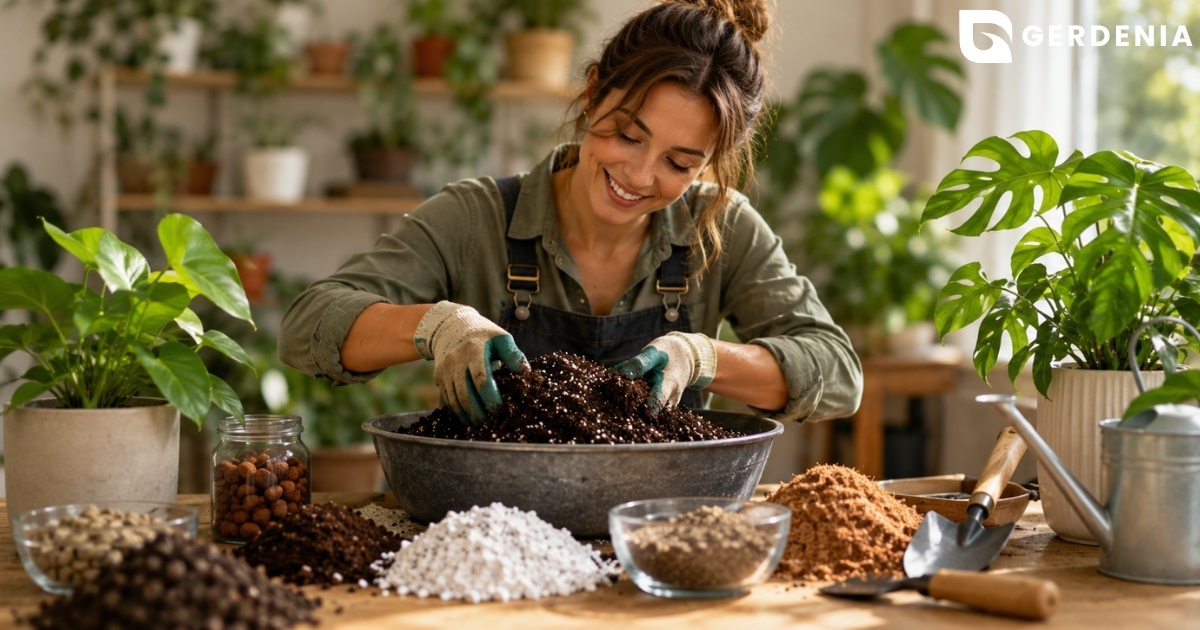
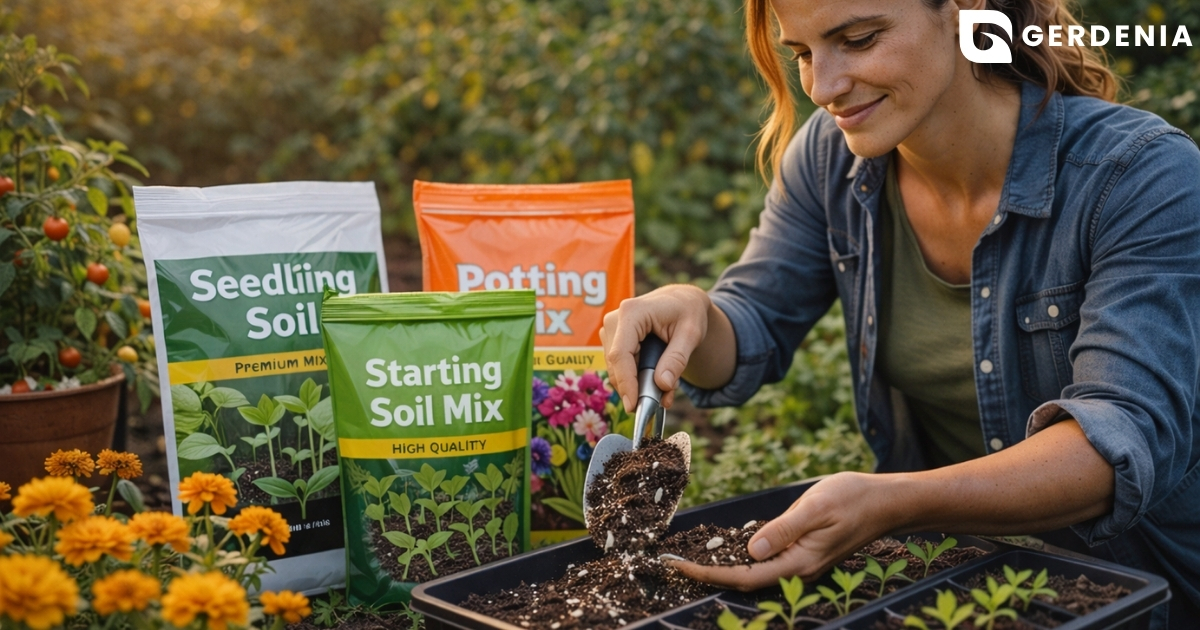
The choice of growing medium is pivotal for seedling development. Ideal media should offer good drainage, aeration, and retain moisture. Common options include:
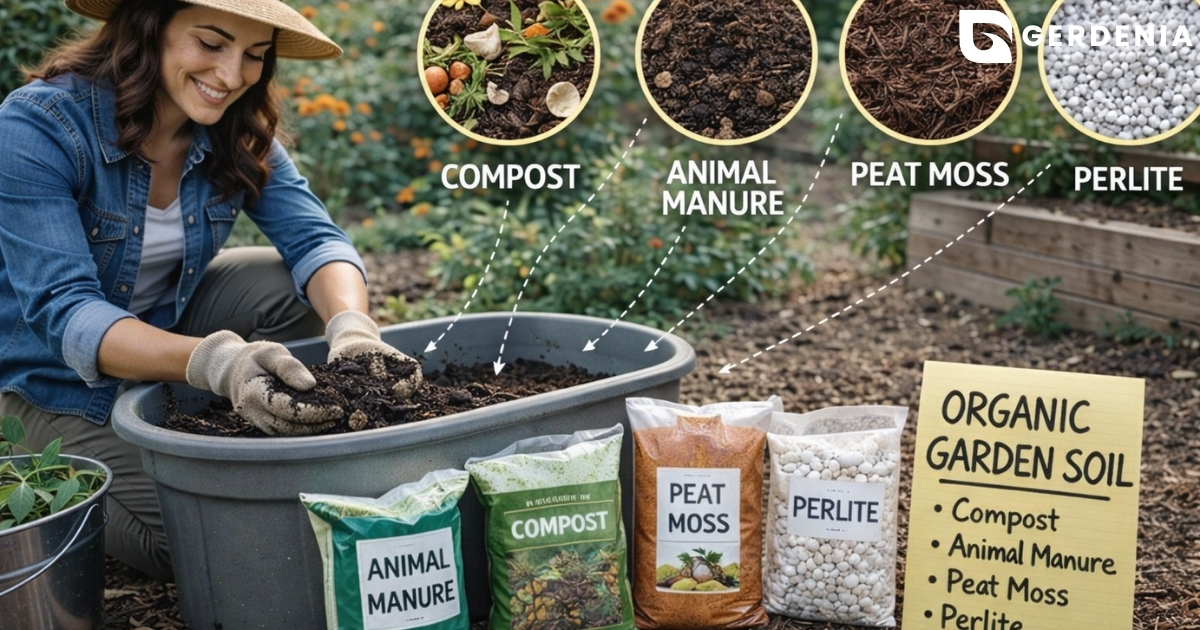
- Seed-starting Mix: A sterile mix of peat moss, vermiculite, and perlite provides a lightweight, well-draining environment ideal for seeds. Its neutral pH and nutrient-free composition prevent damping-off and other seedling diseases.
- Coconut Coir: As an eco-friendly alternative, coconut coir offers excellent water retention and aeration, supporting robust root growth. It’s pH-neutral and free from pathogens, making it a safe choice for seed starting.
- Compost-Based Mixes: Rich in nutrients, compost-based mixes can be used for seeds that require more immediate nutrition. Ensure proper sterilization to avoid introducing pests and diseases.
Container Selection
Containers for seed starting can vary, but they must have adequate drainage. Popular choices include:
- Seed Trays: Shallow trays with multiple cells offer uniform growing conditions and efficient use of space. They’re ideal for large batches of seeds.
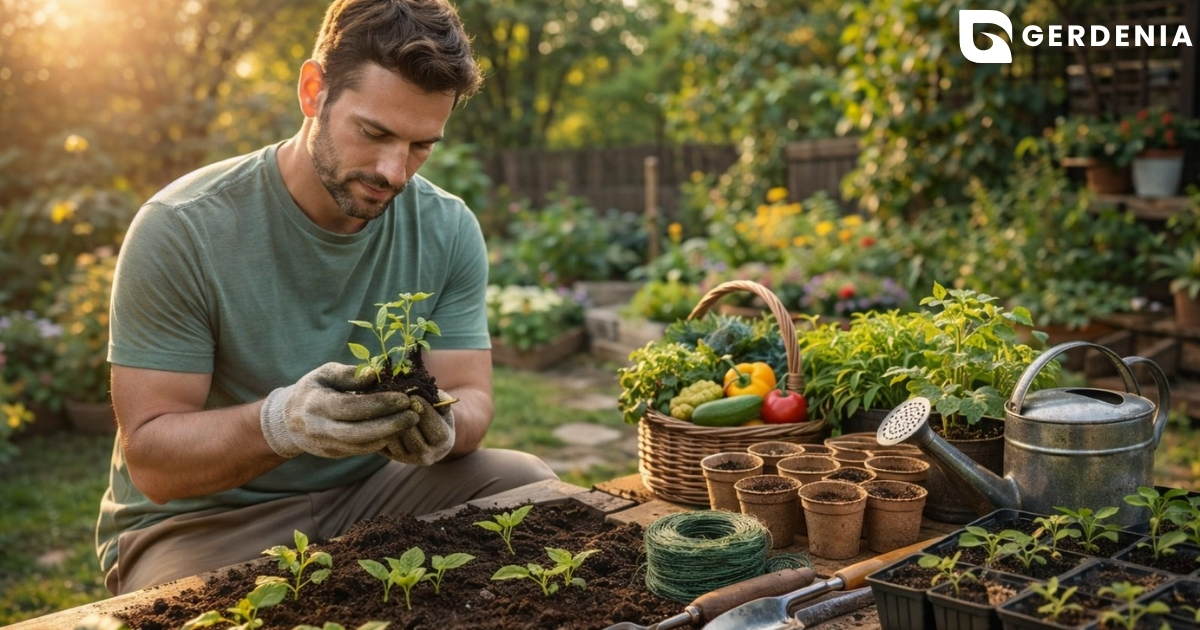
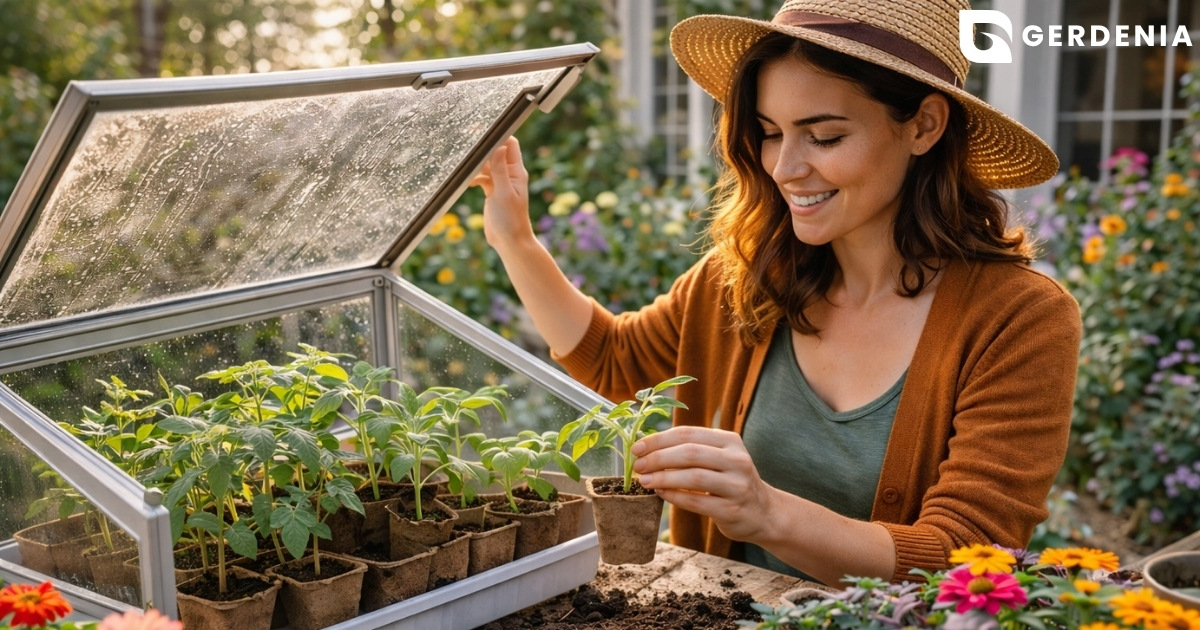
- Peat Pots: Biodegradable pots that can be planted directly into the soil, reducing transplant shock. They decompose naturally, enriching the soil.
- Recycled Containers: Using yogurt cups or egg cartons as seed containers is an economical and eco-friendly option. Ensure proper drainage by adding holes at the bottom.
Sowing Seeds Indoors
Sowing seeds indoors requires attention to detail to ensure successful germination.
- Filling Containers with Medium: Fill your chosen containers with the seed-starting mix, leaving a small gap at the top to allow room for watering.
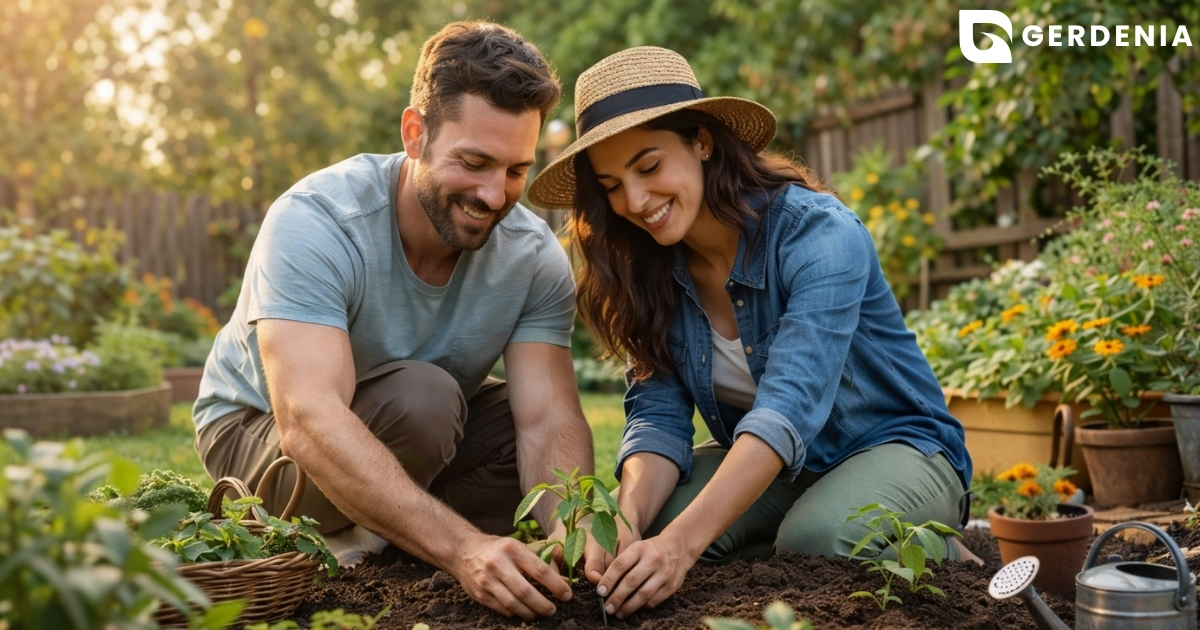
- Planting Seeds: Sow seeds at a depth of about twice their diameter. Fine seeds should be sown on the surface and gently pressed into the soil to ensure good contact.
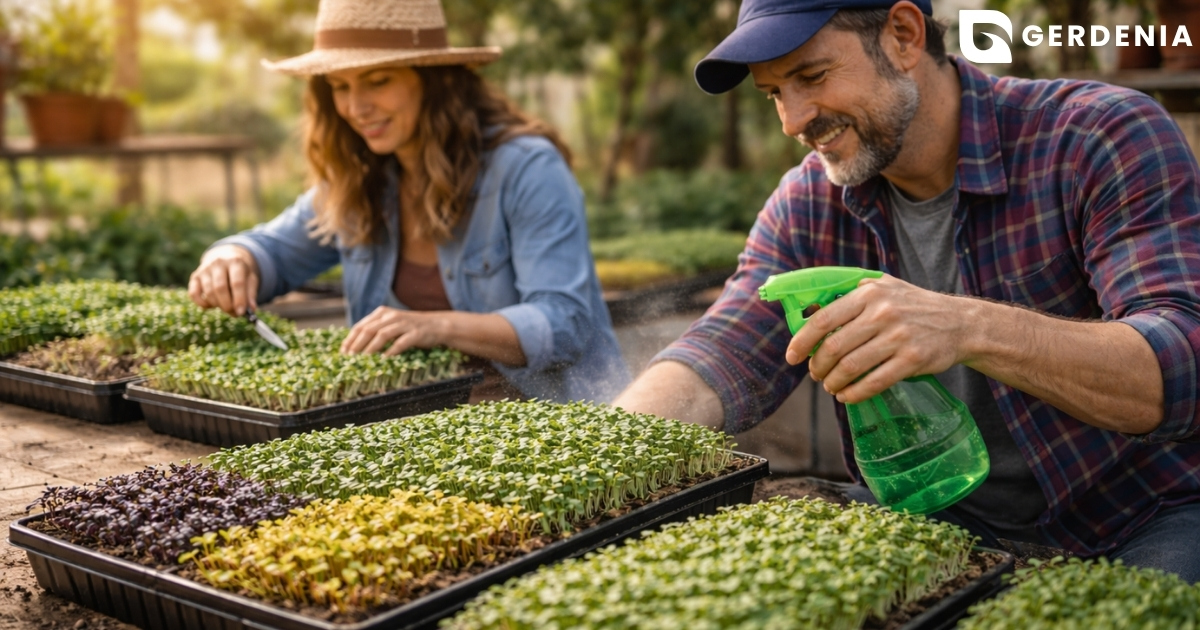
- Watering Techniques: Moisten the soil using a misting spray or a gentle pour to avoid displacing seeds. Consistent moisture is key to germination, but avoid waterlogging.
Creating Optimal Conditions
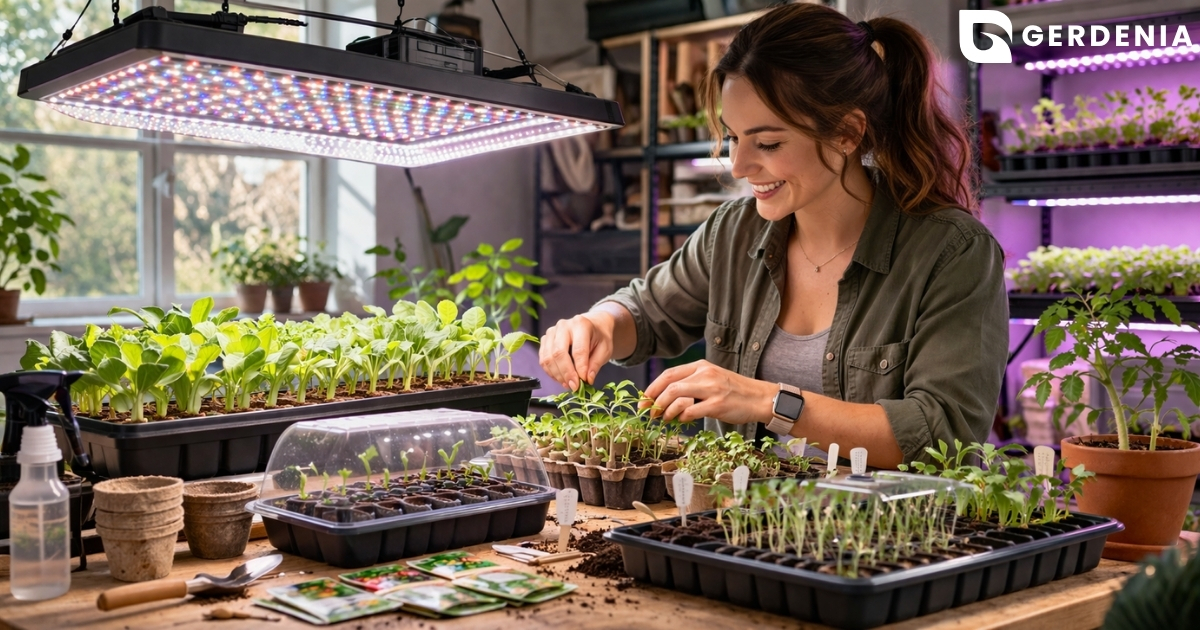
- Humidity Management: Cover containers with a plastic dome or wrap to maintain humidity until germination. This creates a micro-greenhouse effect, retaining moisture and warmth.
- Temperature Control: Use a heat mat to maintain consistent soil temperatures conducive to germination. Adjust according to species-specific requirements.
- Light Exposure: Position seedlings under grow lights for 12-16 hours a day. Ensure lights are close but not too close to prevent burning, promoting strong and healthy growth.
Nurturing Seedlings
Once germination occurs, seedlings require care to transition into robust plants. This involves thinning, transplanting, and providing the right nutrients and environment.
Thinning Seedlings
To prevent overcrowding, thin seedlings by removing weaker plants, ensuring that the strongest seedlings have space to grow.
- Selective Thinning: Choose the strongest, healthiest seedlings to keep, removing those that are spindly or malformed. This promotes better air circulation and reduces competition for resources.
- Timing of Thinning: Thinning should occur once seedlings have developed their first set of true leaves. This ensures that resources are allocated to the most viable plants.
Transplanting Seedlings
Seedlings should be transplanted when they have developed their first true leaves. Gradually acclimate them to outdoor conditions through a process called hardening off, which involves:
- Gradual Exposure: Place seedlings outdoors for a few hours each day, gradually increasing time and exposure to sunlight. This helps them adjust to changing temperatures and light levels.
- Protection from Elements: Shield seedlings from wind and extreme temperatures during this adjustment period. Use row covers or temporary shelters if necessary.
- Transplant Timing: Choose a cloudy day or late afternoon for transplanting to reduce transplant shock and stress on the seedlings.
Nutrient and Water Management
Proper feeding and watering are essential for seedling health.
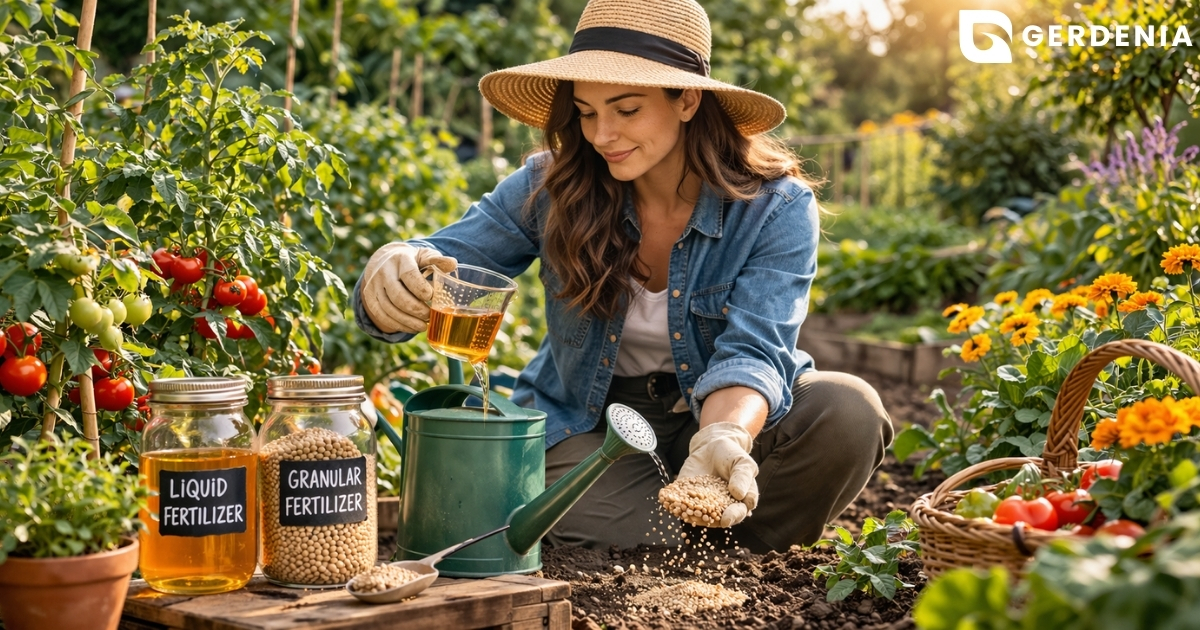
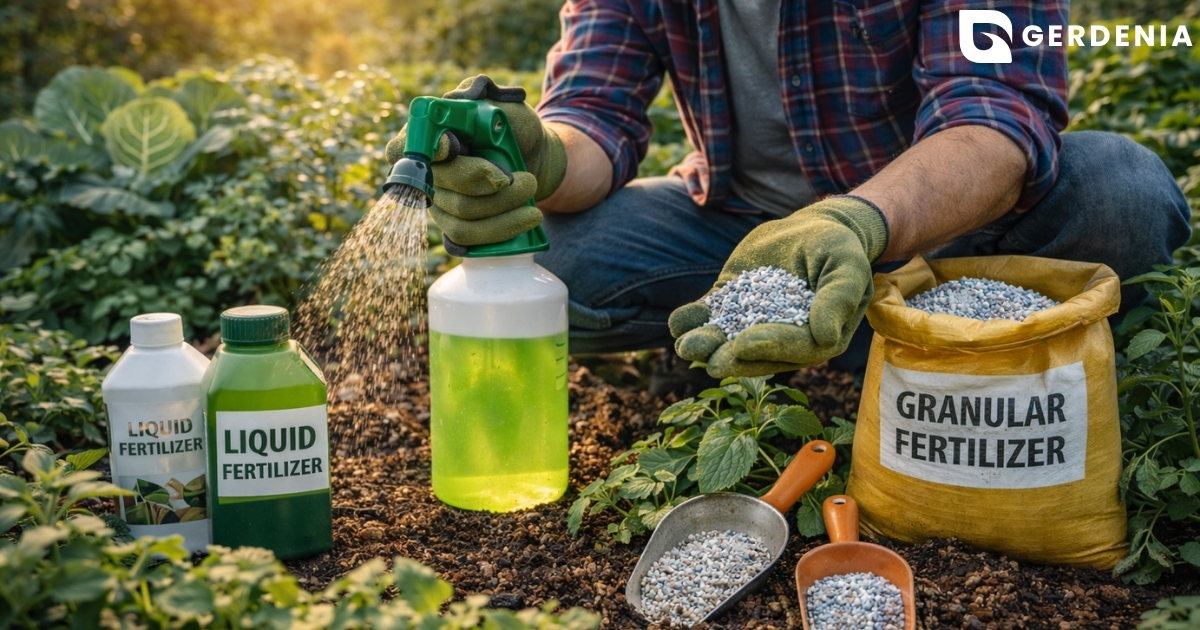
- Fertilization: Begin feeding with a diluted, balanced fertilizer once seedlings have their true leaves. This supports continued growth and development.
- Watering Practices: Water seedlings regularly but sparingly, allowing the soil to dry out slightly between waterings to prevent root rot.
Troubleshooting Common Germination Issues
Despite best efforts, some challenges may arise during seed germination. Here are a few common issues and solutions:
Damping-Off
Damping-off is a fungal disease that causes seedlings to collapse. Prevent by:
- Ensuring Proper Drainage and Aeration: Use well-draining soil mixes and containers with adequate drainage holes to prevent waterlogging.
- Avoiding Overwatering: Water only when necessary, keeping the soil evenly moist but not saturated.
- Using Sterilized Containers and Media: Clean containers and use fresh, sterile potting mixes to reduce the risk of fungal contamination.
Poor Germination Rates
If seeds fail to germinate, consider:
- Checking Seed Viability: Conduct a germination test with a few seeds on a damp paper towel to confirm seed viability and assess germination potential.
- Reviewing Environmental Conditions: Ensure appropriate temperature, moisture, and light are provided. Adjust conditions as necessary to meet species-specific needs.
- Re-evaluating Planting Techniques: Ensure seeds are planted at the correct depth and spacing to avoid competition and resource constraints.
Pests and Diseases
Seedlings can be vulnerable to pests and diseases, which can hinder growth.
- Pest Control: Monitor seedlings for signs of pest activity, such as aphids or fungus gnats. Use natural remedies or insecticidal soap as needed.
- Disease Management: Maintain good air circulation and sanitation practices to minimize disease risk. Remove any affected plants promptly to prevent spread.
Conclusion

by Trent Haddock (https://unsplash.com/@trailshutter)
The process of growing seeds indoors or starting a garden from seeds is both a science and an art. By understanding the fundamentals of seed germination and employing best practices for planting and nurturing seedlings, you can successfully cultivate a vibrant and productive garden. Whether you are planting vegetable seeds or raising ornamental plants from seeds, these guidelines offer a robust framework for achieving your gardening aspirations. Embrace the journey of seed starting and watch as your efforts come to life in the form of flourishing plants. With patience, attention to detail, and a bit of experimentation, you can unlock the secrets of seed germination and enjoy the rewards of a thriving garden.