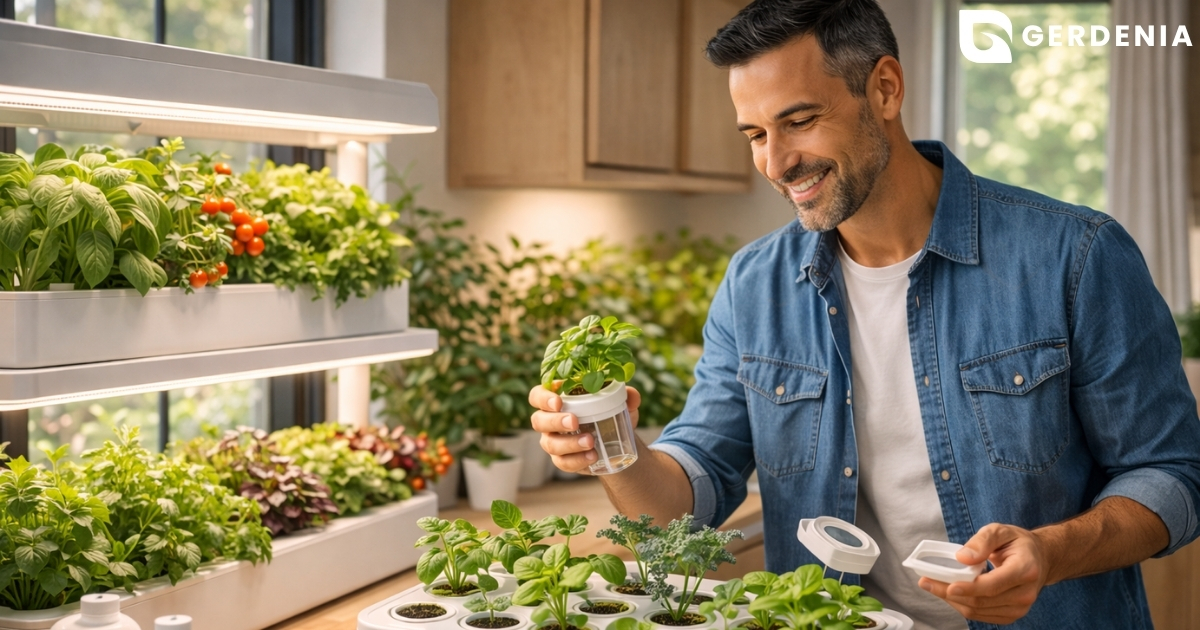
Walking into a big-box garden center often feels like navigating a maze without a map. Surrounded by a confusing wall of indoor gardening supplies, many aspiring plant parents simply leave empty-handed.
According to horticultural experts, a “green thumb” is not a magical superpower. In practice, successful indoor gardening relies purely on mechanics, using specialized tools to replicate perfect outdoor conditions inside your living room. Grabbing the right beginner indoor plant starter kit gives you the precise equipment needed to mimic nature’s environment.
Four basic pillars support this ecosystem: soil builds a home, artificial light creates energy, water provides sustenance, and basic maintenance tools guarantee health.
Why Garden Dirt Kills Indoor Plants: The Secret to Breathable Potting Mix
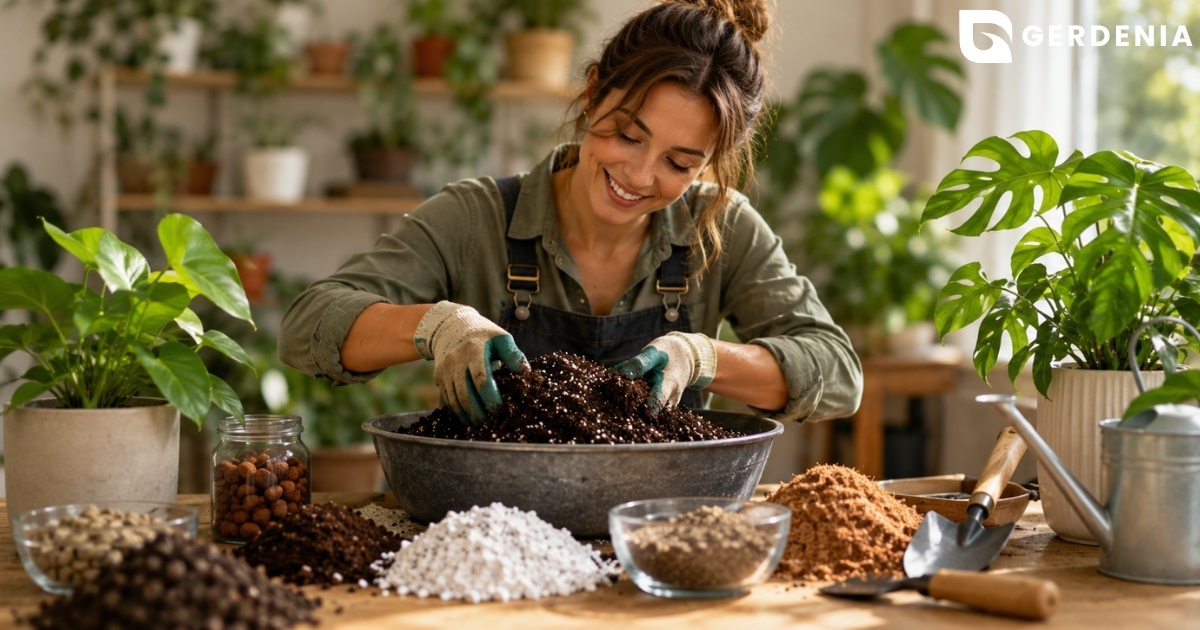
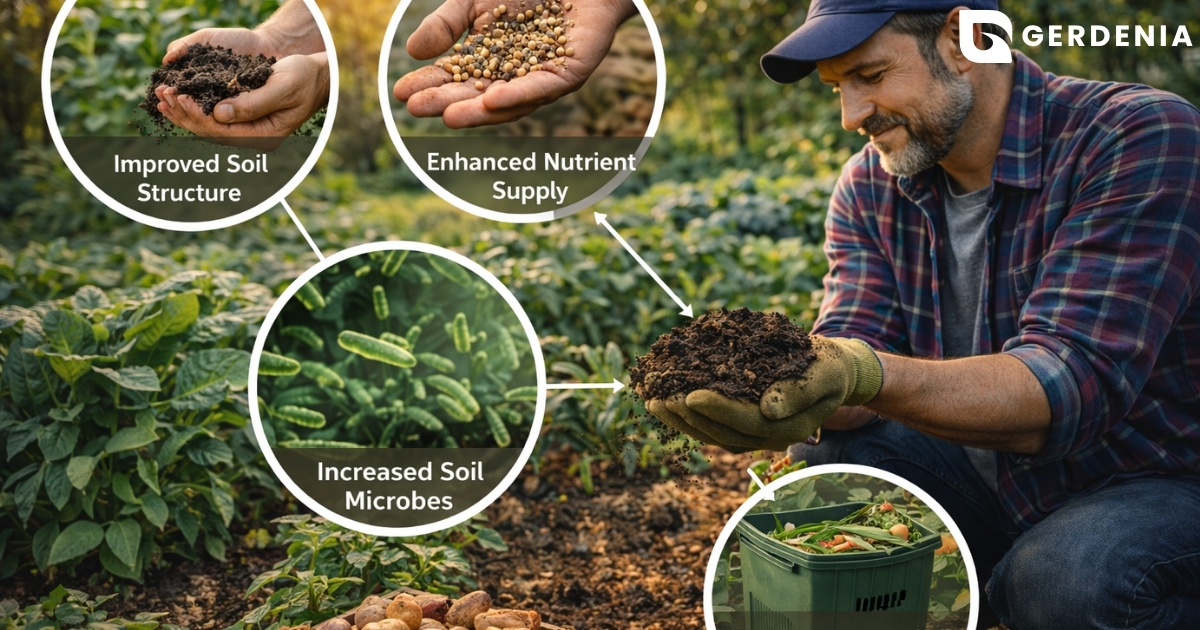
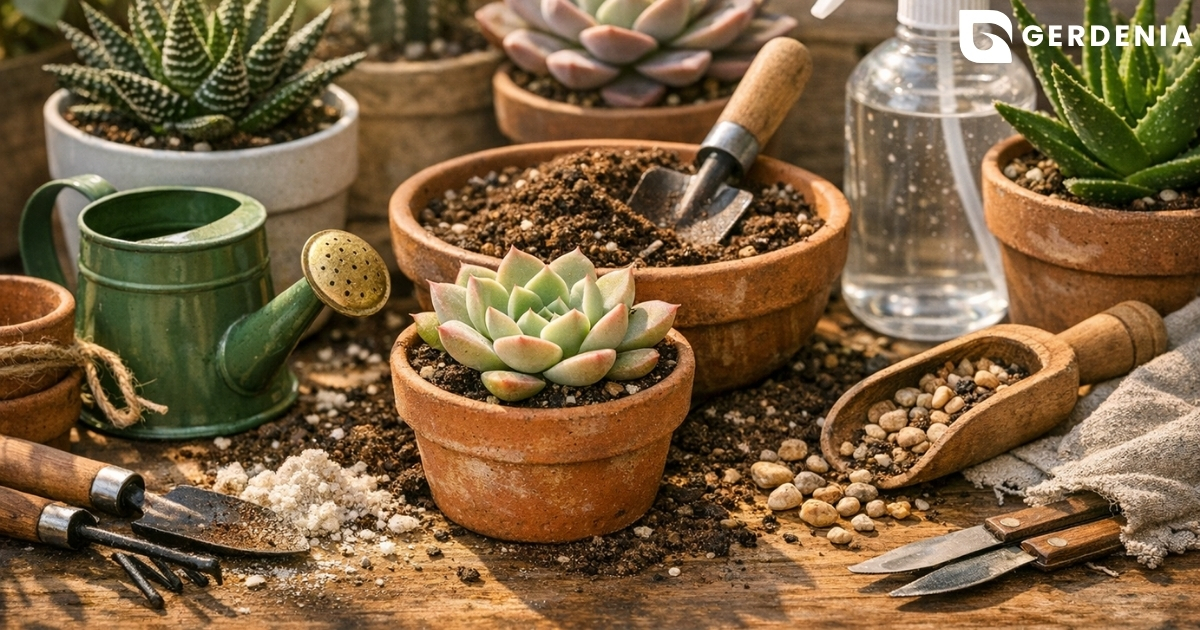
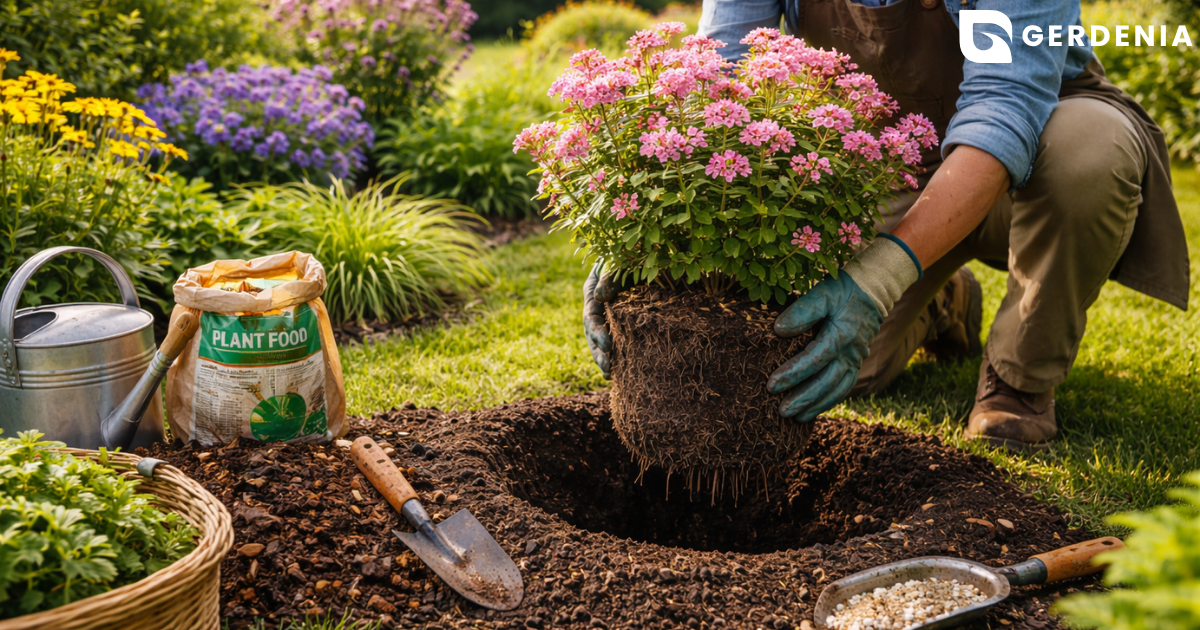
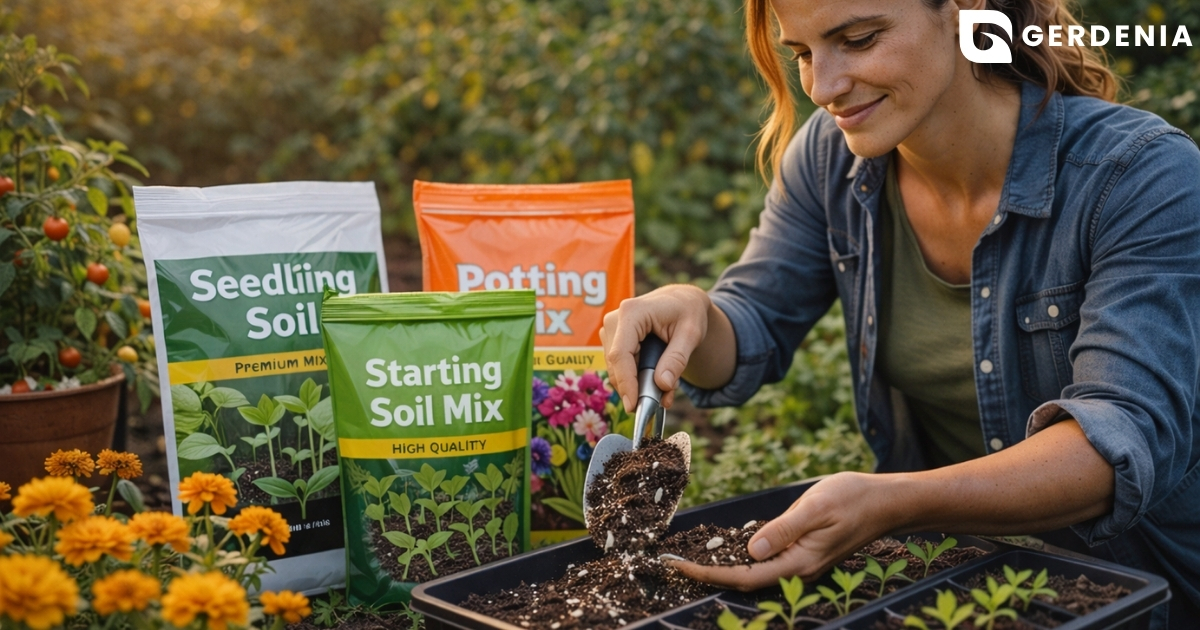
Scooping backyard dirt for a houseplant seems like a budget-friendly idea until the leaves suddenly turn yellow. Outdoor dirt is simply too heavy for indoor containers, compacting into a dense brick that suffocates roots. Houseplants actually need a “soilless medium”—a fluffy blend explicitly designed for aeration, which means it lets oxygen flow freely around the root system.
Figuring out how to choose indoor potting soil comes down to preventing “wet feet,” a condition where trapped water literally drowns your plant. A proper mix feels incredibly light and drains almost immediately.
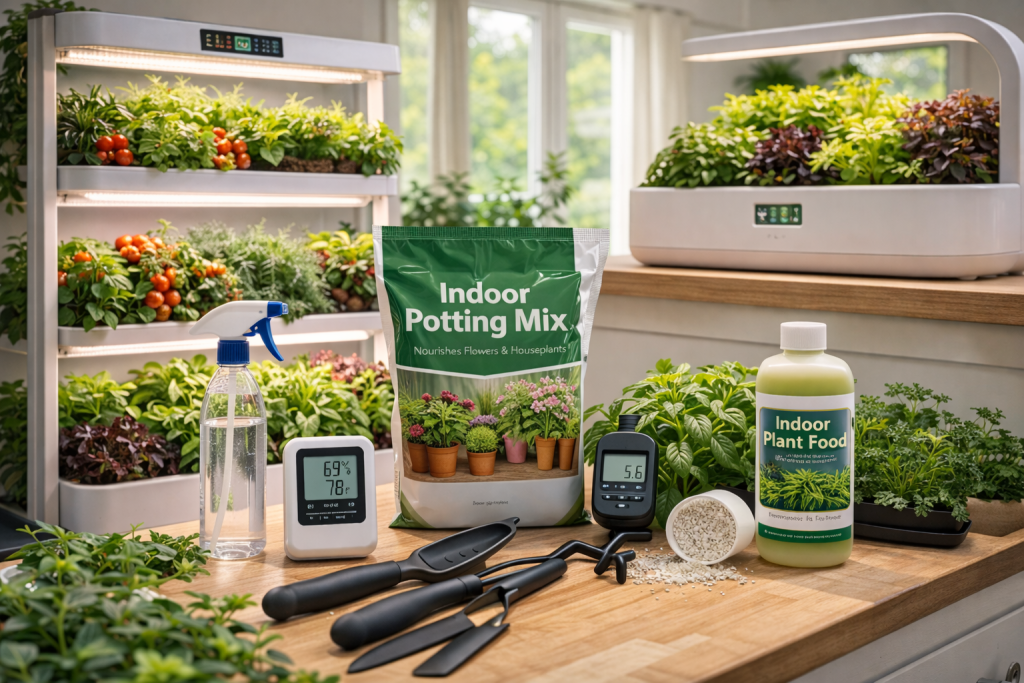
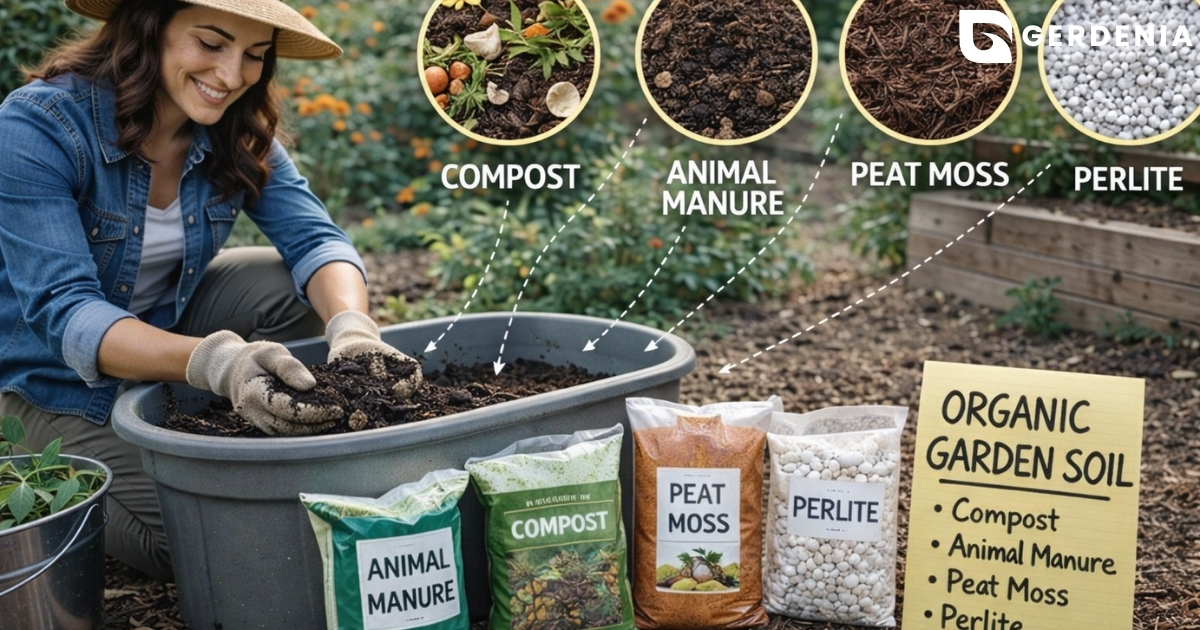
Manufacturers create this breathable texture by adding perlite and vermiculite soil amendments. A high-quality bag will include these essential soil amendments:
- Perlite for air: Those little white rocks act like tiny balloons, keeping the dirt loose.
- Vermiculite for moisture: This acts as a sponge, holding just enough hydration.
- Coco coir for sustainable structure: When weighing peat moss vs coco coir, coco is the eco-friendly foundation that stops soil from shrinking.
Giving your plant this airy foundation is just the first step. Packing that beautiful soil into the wrong decorative pot will quickly trap water all over again.

Stop Drowning Your Plants: The Non-Negotiable Rules for Choosing Containers
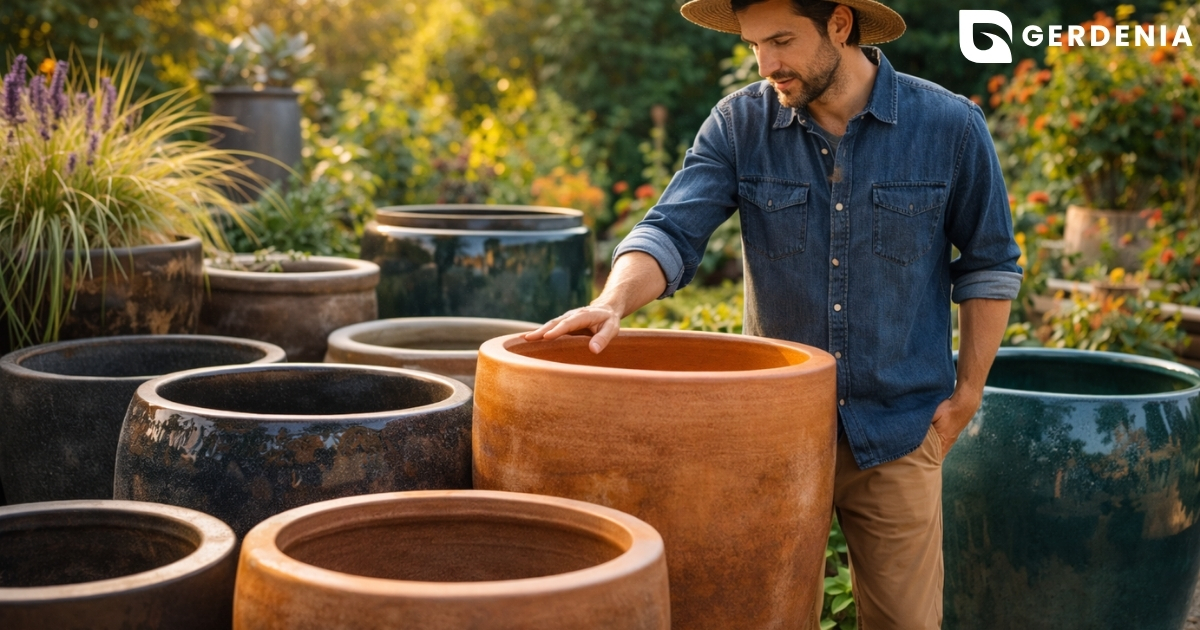
Even the fluffiest soil becomes a swamp if water has nowhere to go. When beginners ask, “do indoor plants need drainage holes,” the answer is an absolute yes. Without an escape route for excess moisture, roots sit in a puddle and drown from a lack of oxygen. Finding the right essential indoor gardening equipment always starts with securing a container that lets water flow straight through the bottom.
Fortunately, you never have to risk ruining your favorite ceramic pieces with a drill just to keep your greenery alive. The professional secret is the “cachepot” method: keep your plant in its plastic nursery pot and drop it directly into your decorative, hole-free container. Just lift the inner pot out, water it at the sink, let it drain completely, and pop it back in.
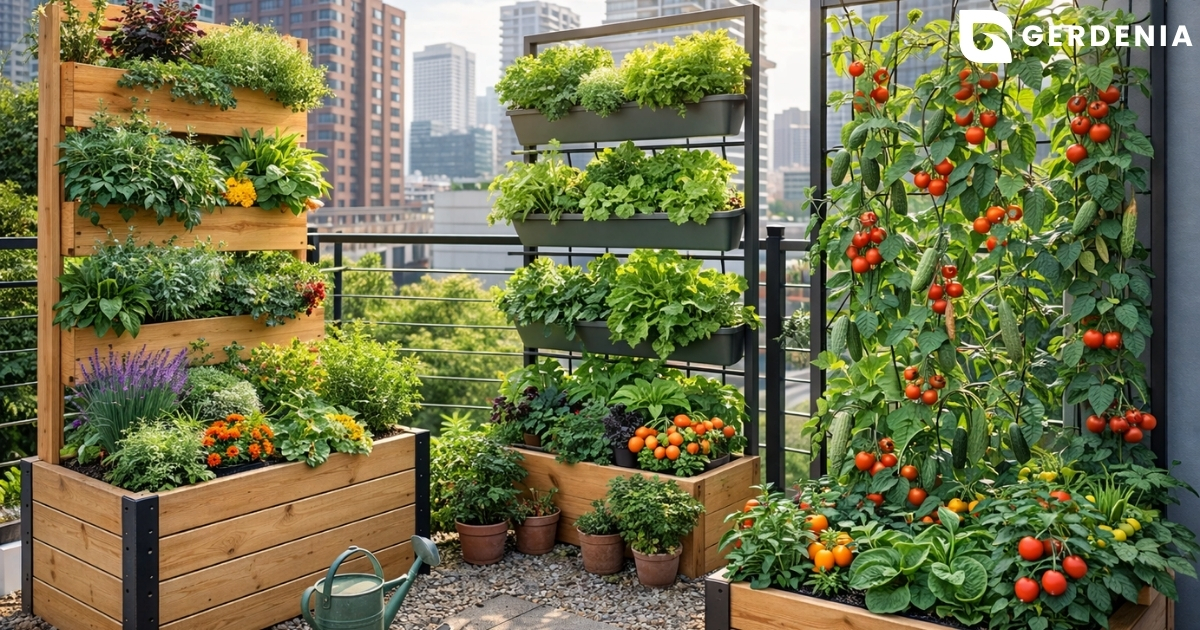
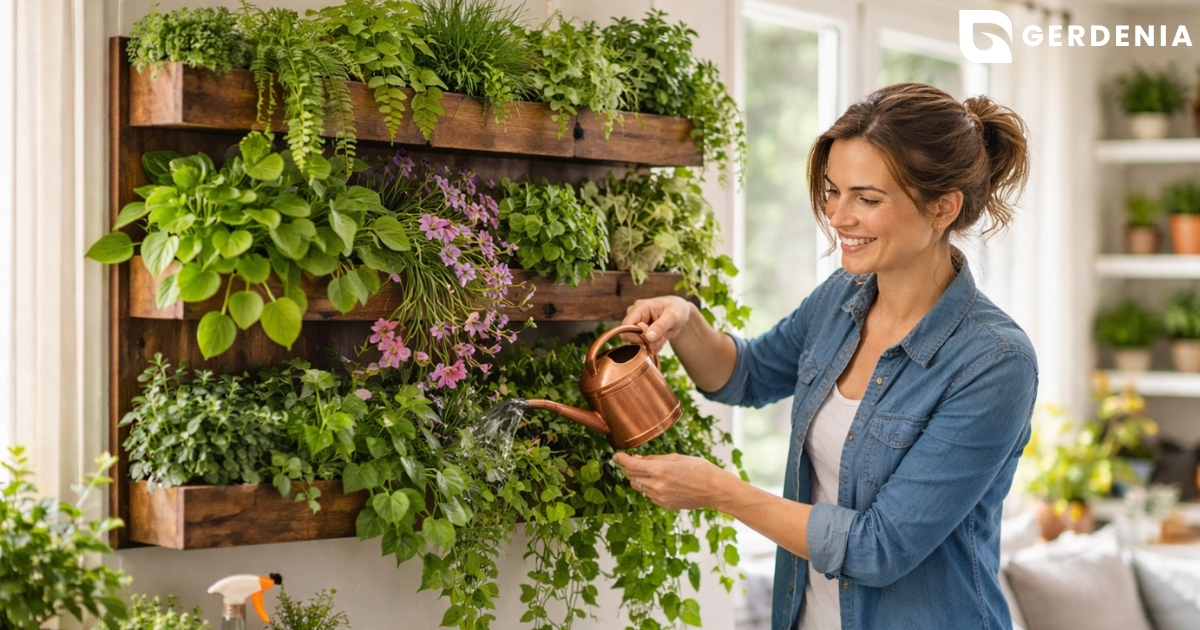
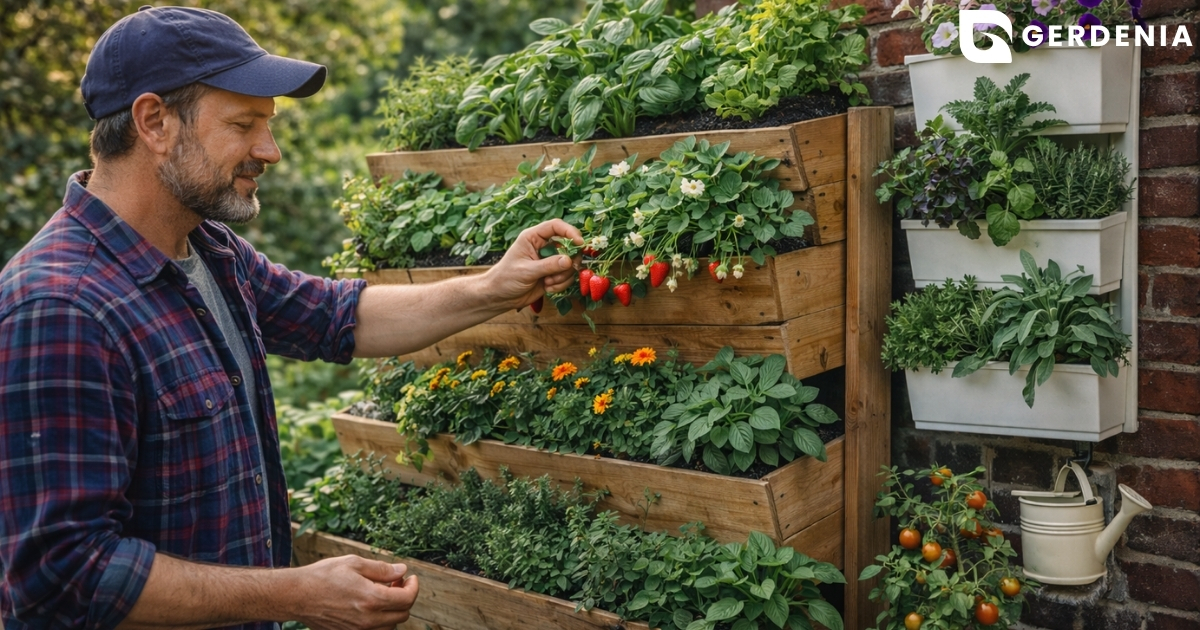
Maximizing small apartments often means moving your collection upward using vertical garden wall planters. While lifting pots off crowded tables looks beautiful, shifting them deeper into the room usually takes them away from the window’s reach. To keep elevated plants thriving when natural sunshine falls short, artificial light becomes essential.

Providing the ‘Sun’ Indoors: Choosing LED Grow Lights That Actually Work
Moving plants away from a sunny window might fit your decor, but it starves them of energy. A dim corner might keep a basic pothos alive, but it won’t work for high-energy greenery. This is exactly why standard window light isn’t enough when gathering indoor vegetable growing supplies.
Instead of grabbing a standard desk lamp, your garden requires full spectrum LED grow lights to thrive. Regular household bulbs only provide the bright light humans can see. A full-spectrum bulb acts like an artificial sun, delivering the specific red and blue energy waves that fuel photosynthesis to keep your plants fed.
When comparing LED vs fluorescent grow lights, consider these key differences for your setup:
- Fluorescent: Cheaper to buy initially, but they run hot and offer a limited, weaker light spectrum.
- LED: Highly energy-efficient, naturally cooler, and deliver the exact full spectrum your plants crave.
Finally, remember that light intensity matters just as much as color. Hanging a powerful LED too close causes leaf sunburn, so position your fixtures roughly a foot above your plants. Properly managing this light pairs directly with mastering plant hydration.

No More Guesswork: Using Moisture Meters and Self-Watering Systems
When you notice wilting, your first instinct might be to grab the watering can. However, fixing yellow leaves on houseplants often means addressing root stress from too much water, not a thirsty plant. Soil acts like a sponge; when it is totally saturated, it holds onto water so tightly that roots actually struggle to pull the hydration they need—an invisible battle known as soil moisture tension. Constantly soaking those roots deprives them of oxygen, inevitably leading to dreaded root rot.
To eliminate this dangerous guessing game, check the bottom of the pot using moisture meters for soil testing. Instead of just touching the dry surface dirt, a meter tells you exactly what is happening down where the roots actually live:
- 1-3 (Dry): Water now.
- 4-7 (Moist): Perfect happy zone.
- 8-10 (Wet): Stop watering and let it breathe.
If your daily schedule makes consistent hydration difficult, try self watering planters for herbs and moisture-loving tropicals. These clever containers utilize “sub-irrigation,” meaning a reservoir sits safely below the dirt, allowing roots to drink upward naturally only when they are thirsty. Beyond proper watering, maintaining plant health relies on a few key practices.
Maintenance and Health: The Finishing Touches for a Thriving Jungle
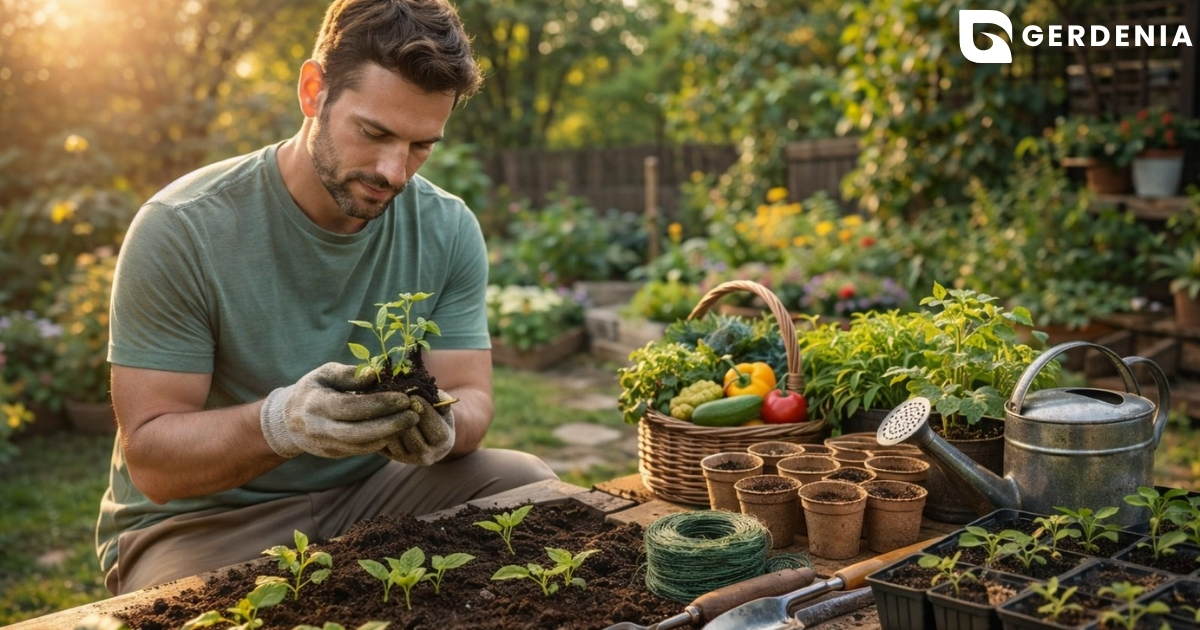
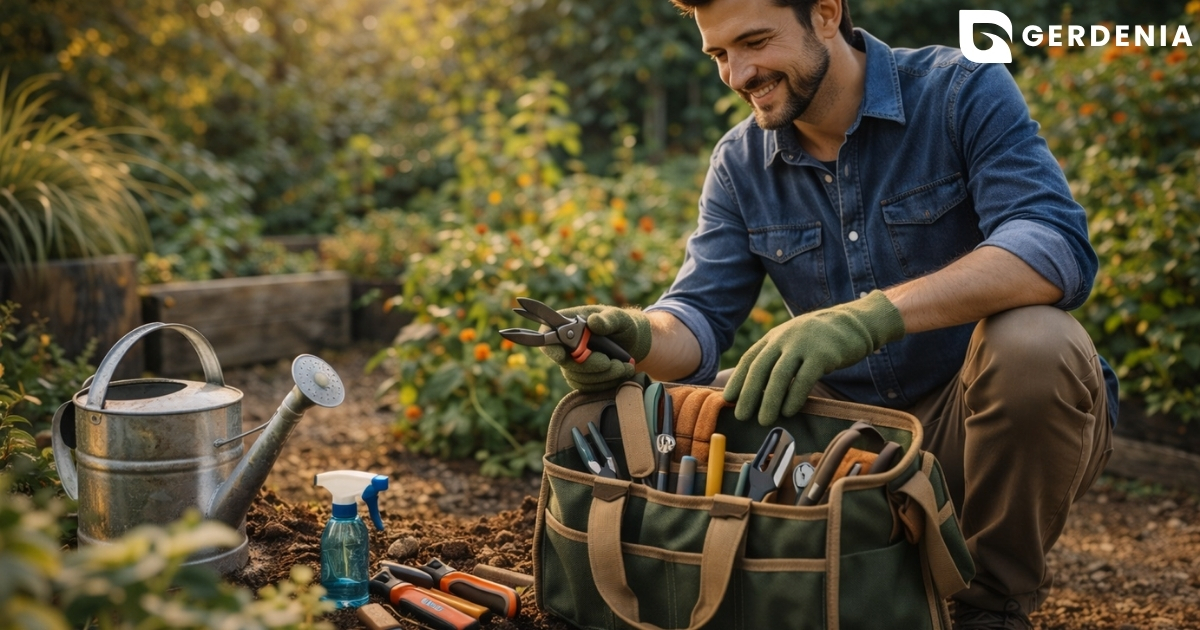
With watering handled, daily care requires specialized items. Using bulky outdoor equipment on a delicate pothos often causes broken stems and spilled dirt. Instead, choose ergonomic hand trowels for small pots and miniature pruning shears, which give you the precision to navigate cramped containers safely.
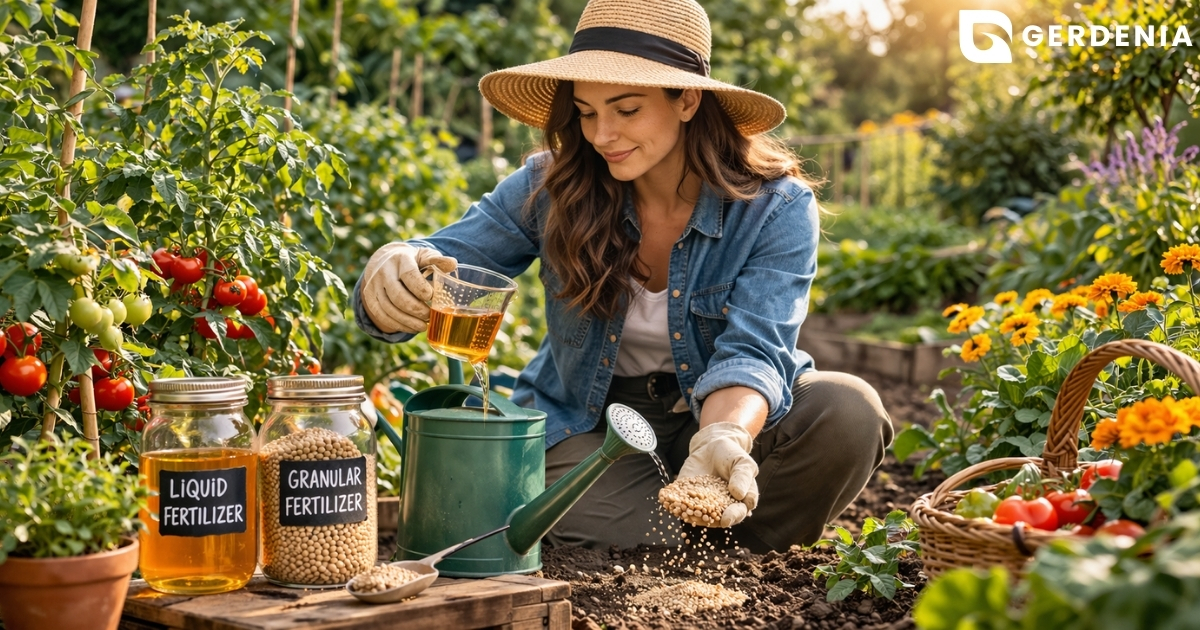
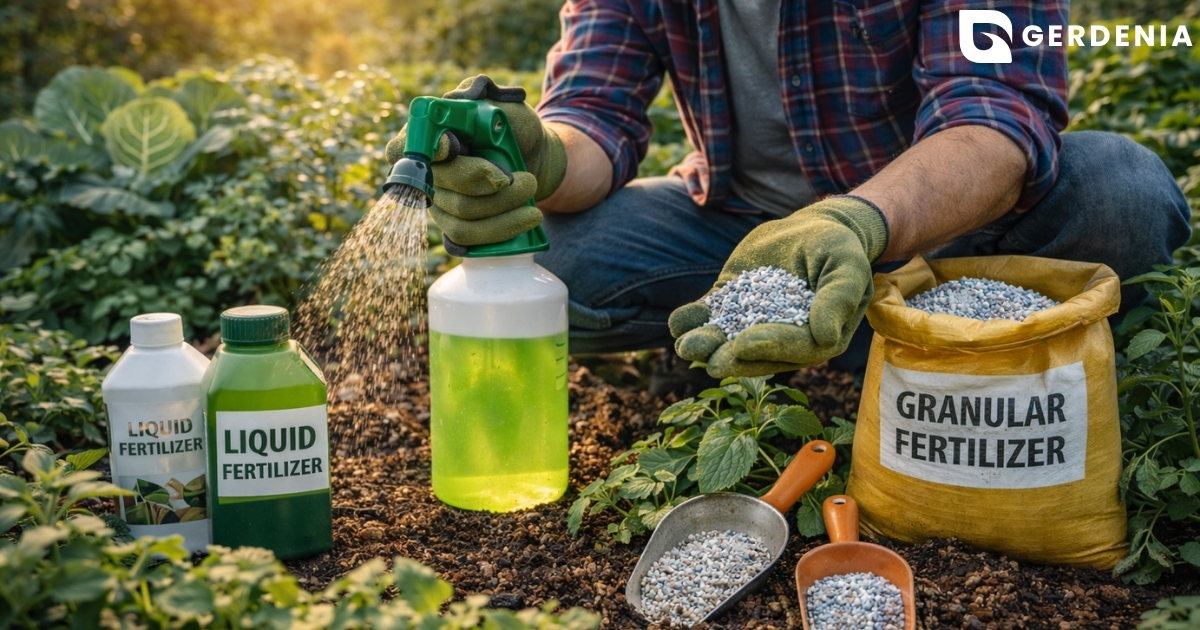
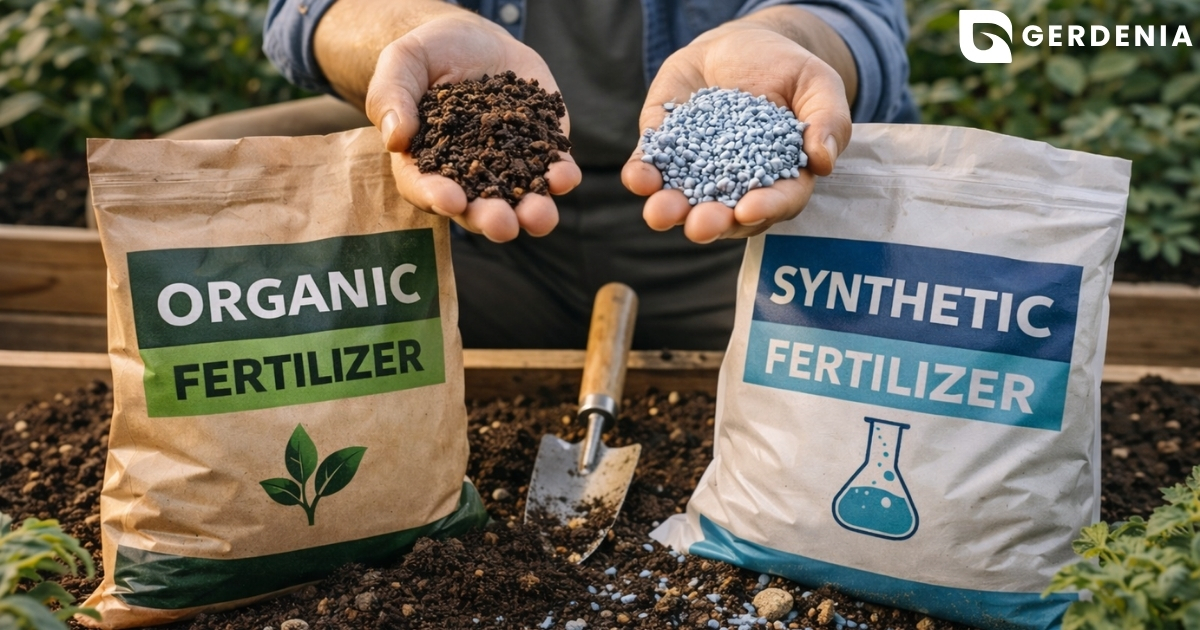
Beyond physical tools, plants rely on a diet of Nitrogen, Phosphorus, and Potassium (the N-P-K ratio on labels) to grow new leaves. Rather than using harsh synthetics, try a liquid seaweed extract fertilizer. This gentle alternative acts like a multivitamin, naturally feeding your plants while helping them handle environmental stress from dry indoor air.
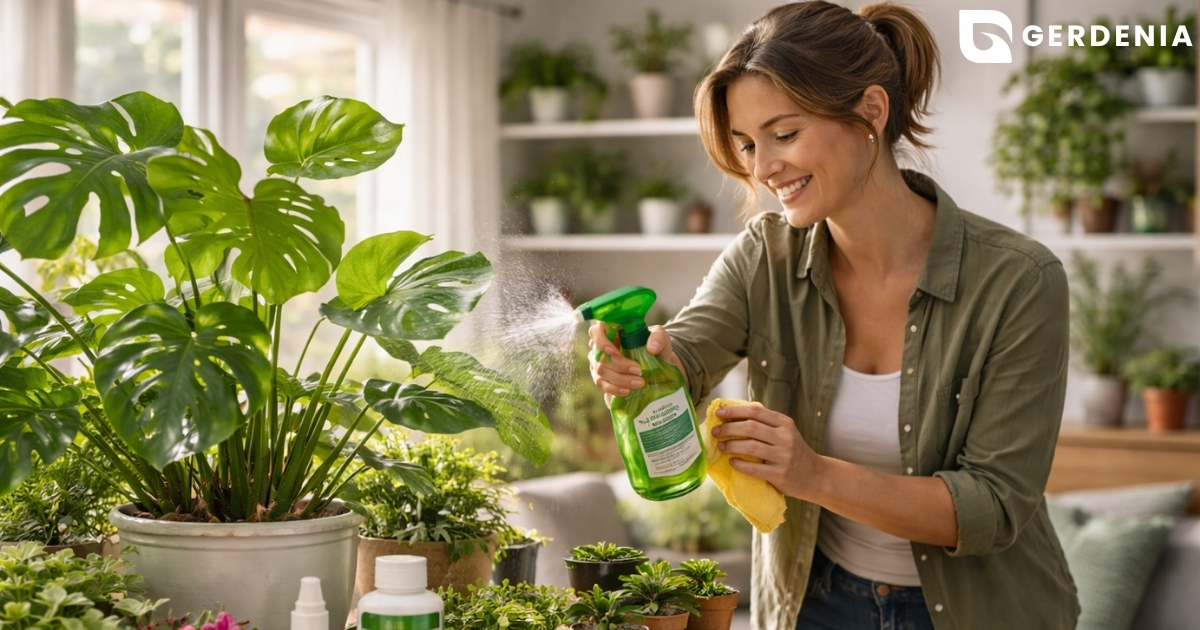
Even healthy greenery occasionally attracts bugs, but you never need harsh chemical sprays in your living room. Simple organic indoor pest control methods, like wiping leaves with diluted neem oil, safely eliminate pests. Building your toolkit doesn’t require guessing.
Your 3-Step Shopping List for a Thriving Indoor Oasis
You no longer have to guess what your plants need to survive. Instead, you can confidently build a budget-friendly foundation with The Essential Beginner Kit: (1) High-quality potting mix, (2) Pot with drainage, (3) Moisture meter.
Visit any indoor grow store to gather these essentials and begin monitoring your new plants. By checking moisture levels before watering and providing appropriate light, your focus will quickly shift from preventing dead plants to celebrating exciting new growth. With the right supplies, a vibrant indoor jungle becomes a sustainable reality.