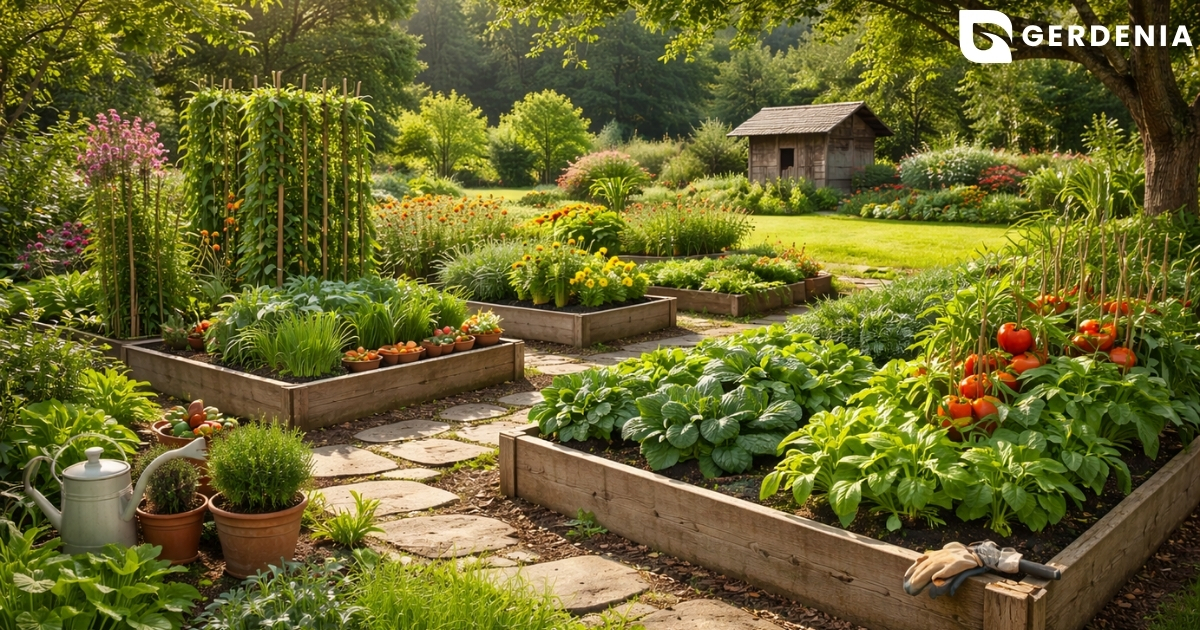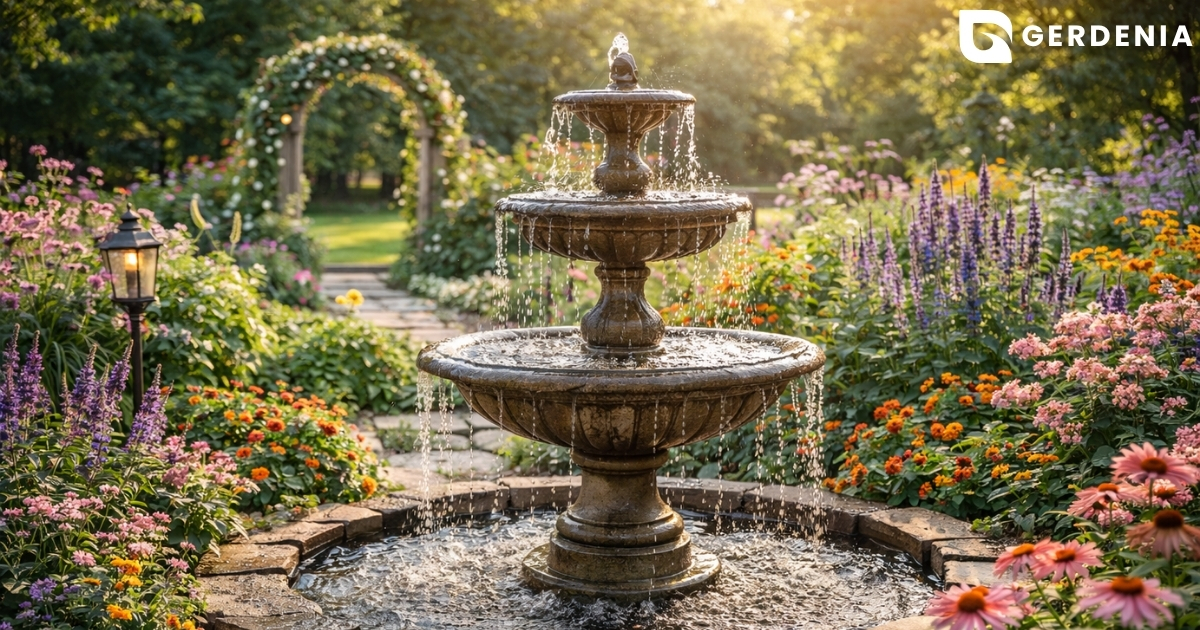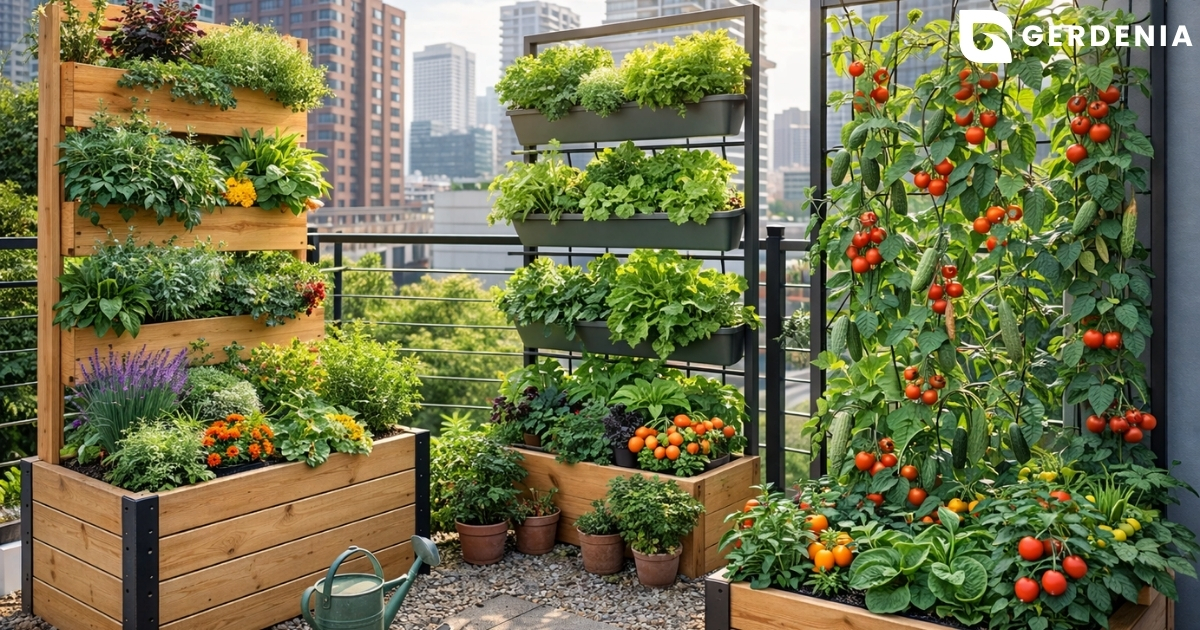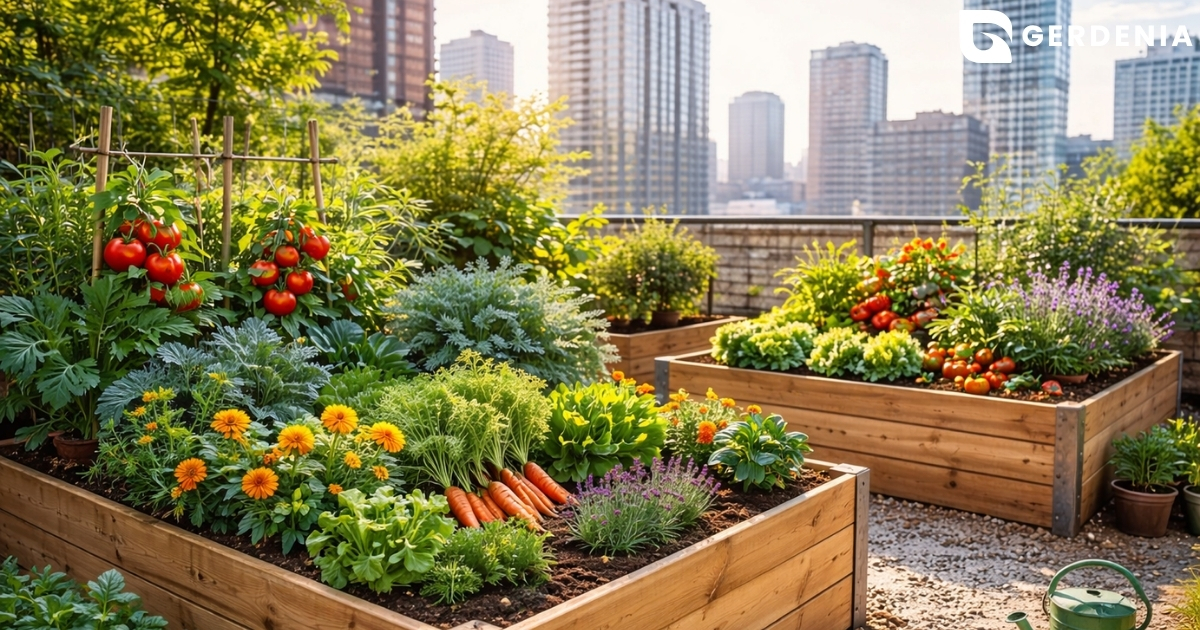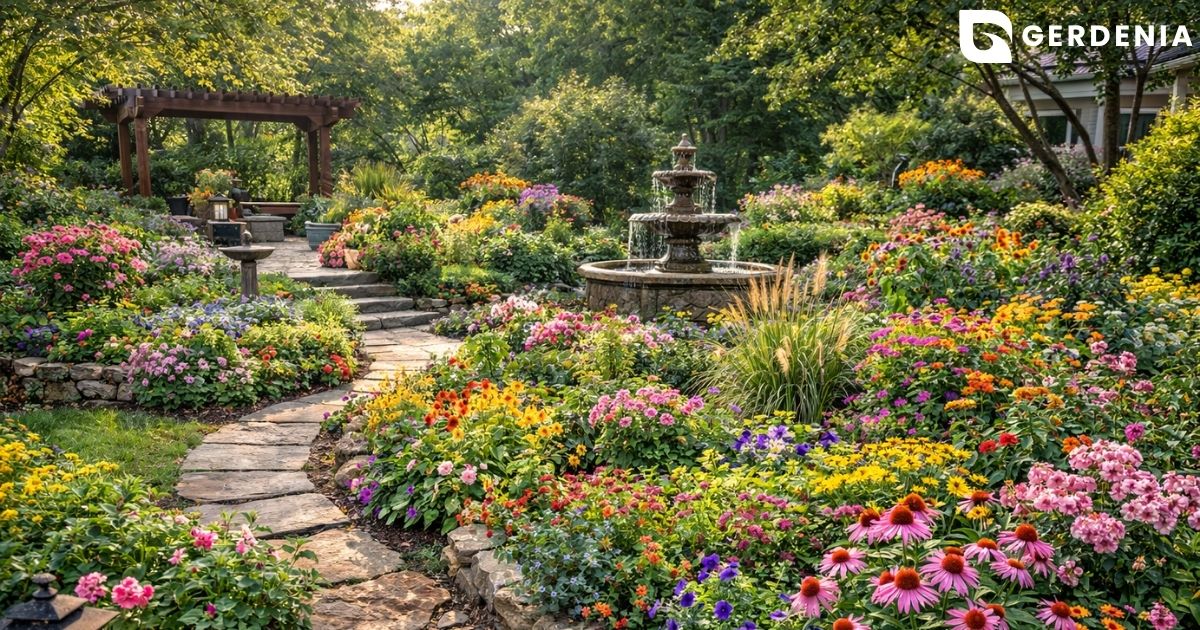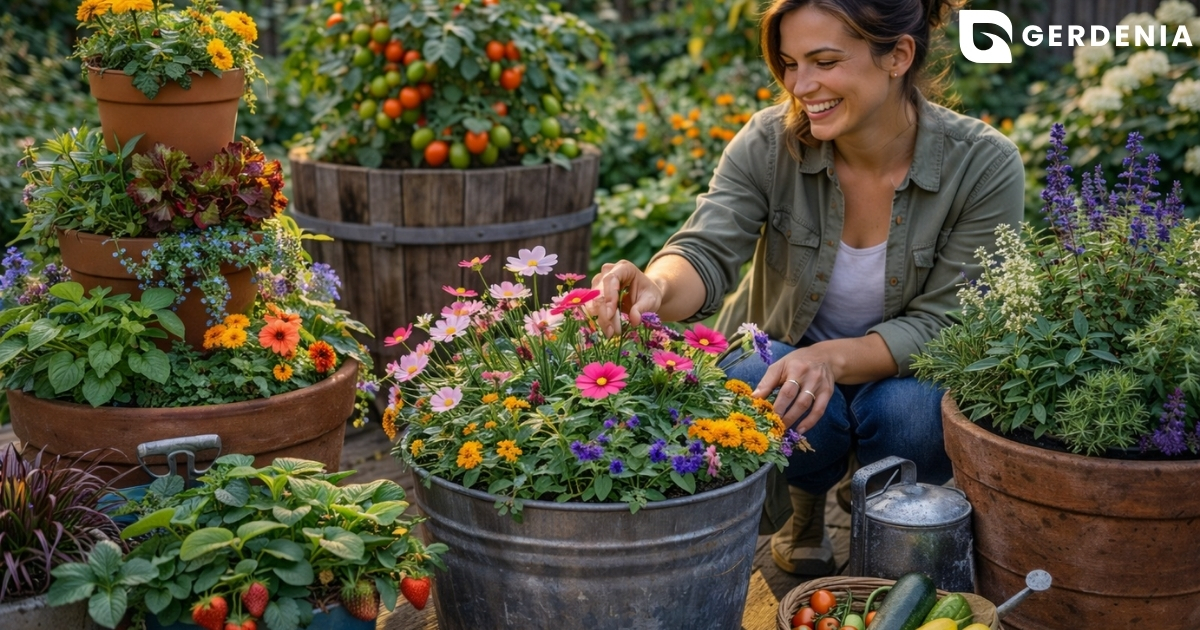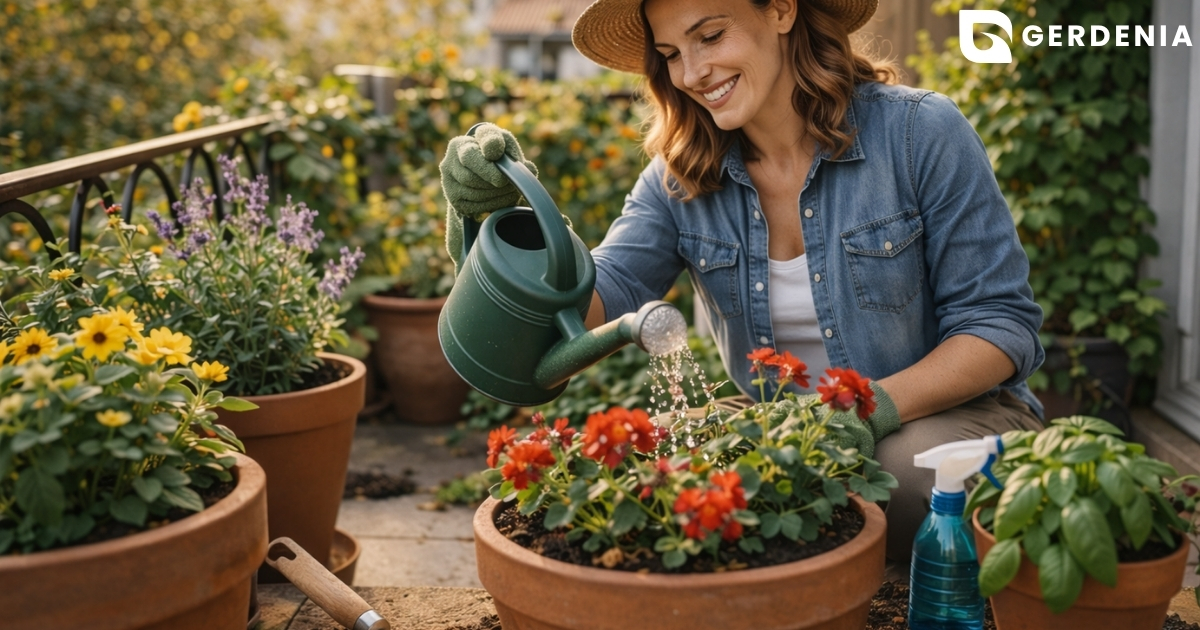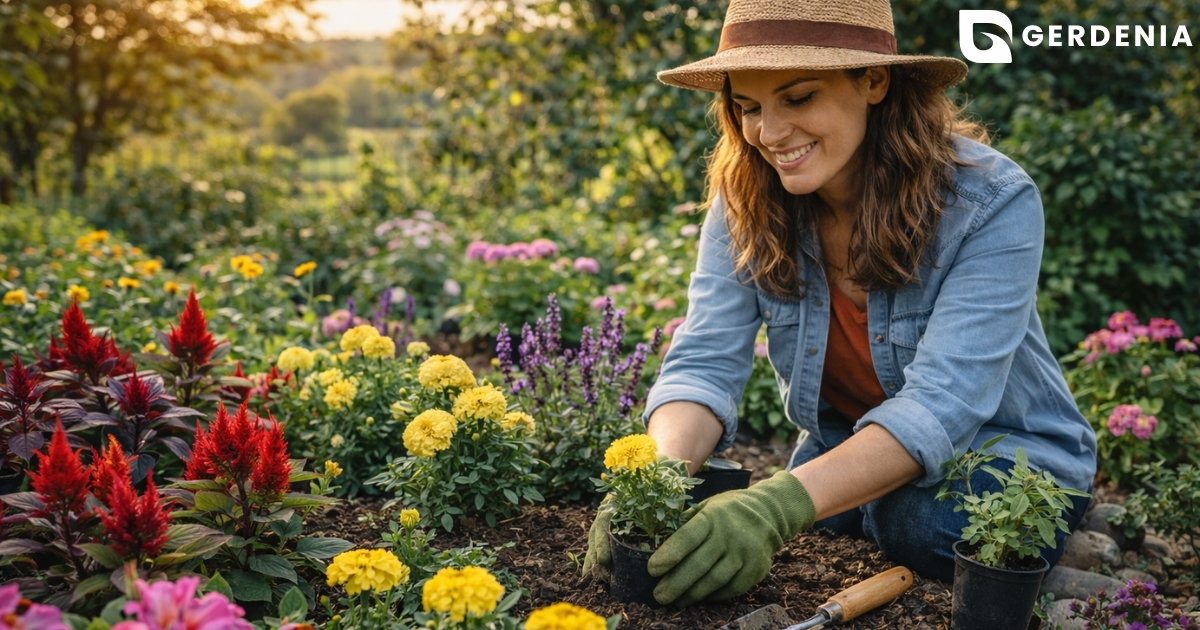
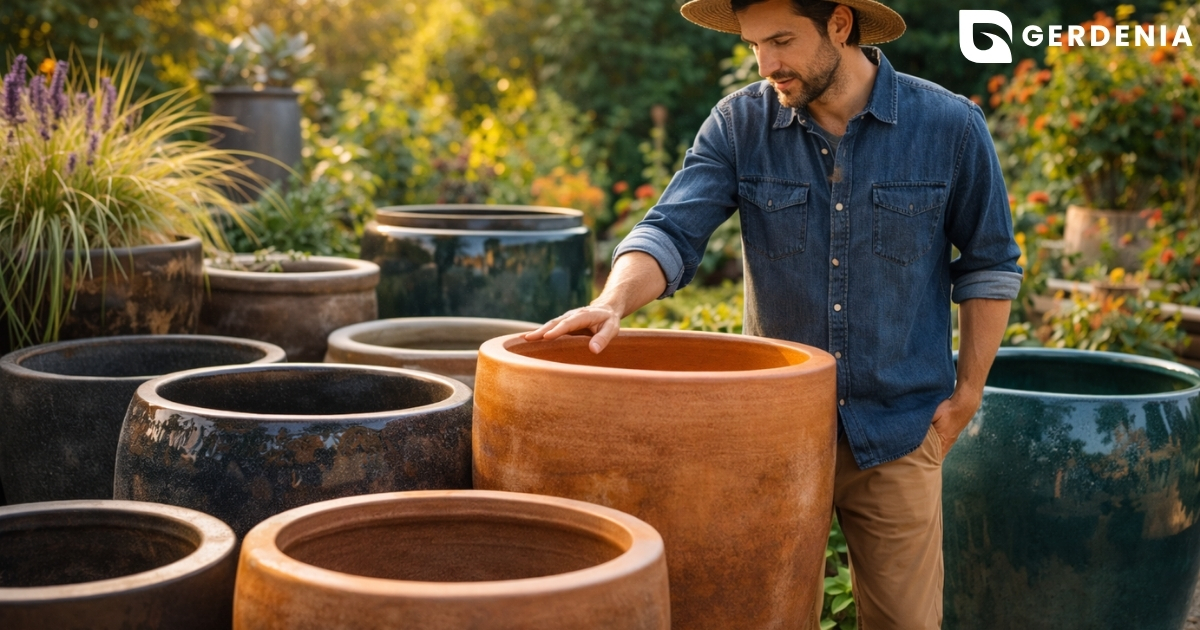
Transforming a bare patio requires just one stunning focal point rather than a cluttered dozen. In practice, garden pots large enough to thrive—starting at a 20-inch diameter minimum—act like bigger fuel tanks for your plants. This generous soil volume creates a vital “climate buffer” that effortlessly insulates delicate roots against harsh temperature extremes. Heavy large outdoor planters also double as reliable structural anchors in windy areas, making extra large planter pots for trees the ultimate low-maintenance foundation.

Choosing Materials: Lightweight Resin vs. Heavy-Duty Concrete
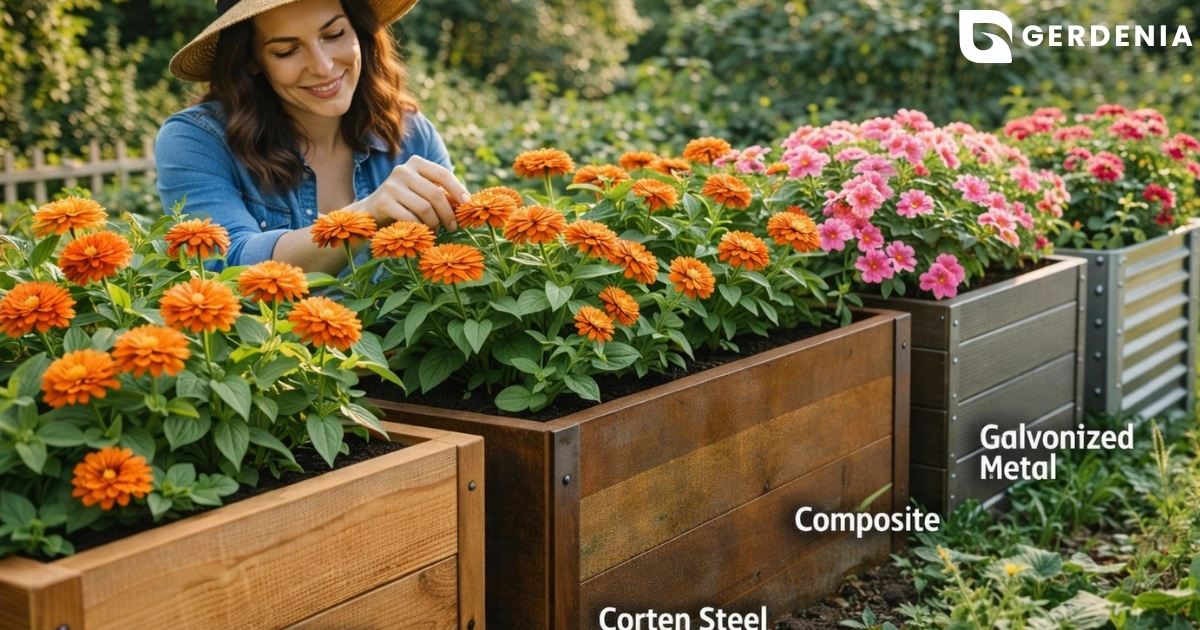
Picking the best material for oversized outdoor planters means balancing your space’s load-bearing weight with the plant’s need for thermal insulation against summer heat.
- Resin: Lightweight and perfect for second-story balconies. Choose these when comparing terracotta vs fiberglass outdoor urns for easy moving.
- Concrete: Heavyweight anchors. Ideal for windy outdoor decks where you need permanent stability.
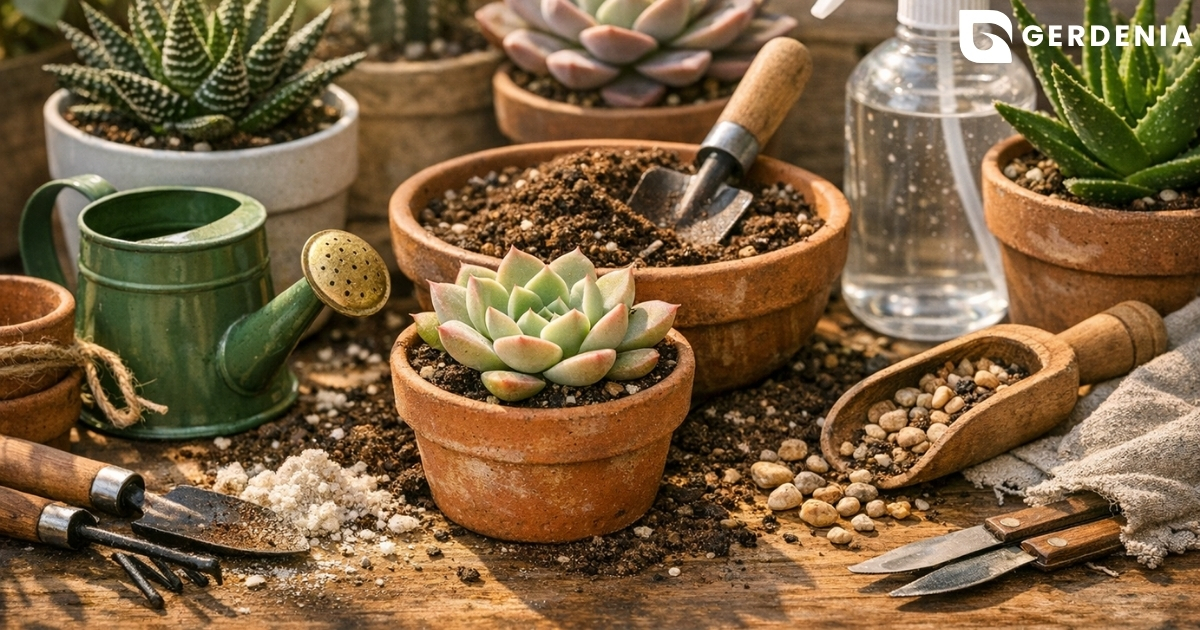
- Terracotta: Highly porous. These and unglazed ceramic large plant pots naturally breathe, pulling excess moisture away from roots to prevent drowning.
This porosity requires special care when winterizing heavy ceramic plant pots; always look for “frost-proof” labels rather than just “frost-resistant” so expanding trapped ice won’t crack the sides. Once you have selected a weather-ready vessel, the next crucial step is filling it correctly to balance weight and moisture.
The ‘Big Pot’ Setup: Smart Fillers and Perfect Drainage

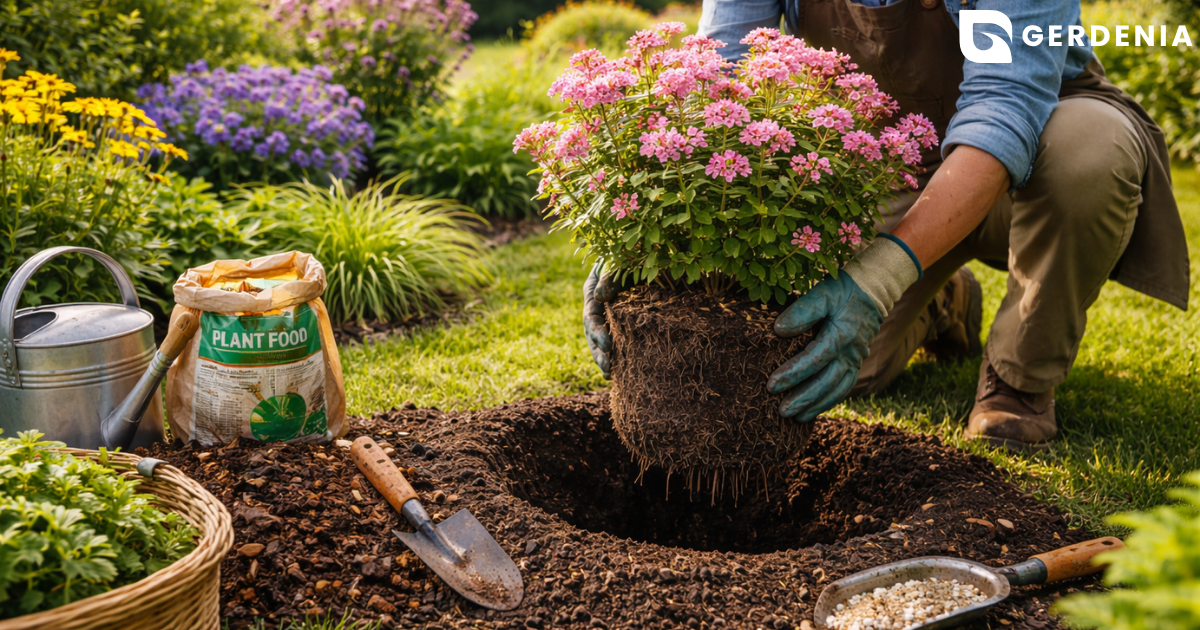
Properly filling a deep flower pot for better drainage prevents root rot in big containers. Think of a wet sponge: water naturally pools at the bottom. To keep roots from drowning in this “perched water table,” ensure proper aeration by adding pot feet—which also protects wooden decks from rot. Before adding anything, always place your vessel on a heavy duty dolly for moving heavy planters.
Filling a 24-inch container entirely with premium potting mix gets expensive fast. Instead, build a “void filling” false bottom to save up to 30% on soil costs while keeping the pot lightweight. Try these cost-effective soil fillers for giant pots:
- Upside-down plastic nursery pots
- Crushed aluminum cans
- Empty, sealed water bottles
Smart Shopping: Where to Buy Quality Large Planters Without Overpaying
Securing quality containers without overpaying ensures your garden investment lasts for years. You no longer have to guess where to buy large flower pots that survive the winter. Whether scouring big box stores for late-summer sales or visiting specialty nurseries, you now understand true value. Gardener’s logic dictates that buying flimsy containers guarantees expensive replacements next spring. Rather than settling for cheap planters that crack during their first freeze, prioritize lasting durability over a quick bargain.
Before deciding on the container for your next project, confidently perform this 3-point inspection:
- Weight check: Can you safely move it once it is filled with heavy soil?
- Drainage check: Are there existing holes to prevent root rot?
- Material check: Will it withstand your local weather?
Start your patio transformation with one carefully chosen container to establish a lasting, low-maintenance foundation for your garden.