Facing a massive garden center, it is easy to stare at a wall of shiny shovels and wonder why one costs fifteen dollars and another fifty. According to consumer retail data, most beginners abandon their plans right in aisle four, filling carts with colorful impulse buys they will never actually use.
Instead of grabbing whatever catches your eye, successful outdoor projects rely on understanding the tool utility-to-cost ratio. This simply means paying a little more for an item you will hold every single day, like a sturdy hand trowel that won’t snap when hitting a rock. Asking what you need for gardening should always lead you toward quality over sheer quantity.
Building a thriving backyard oasis requires focusing strictly on five foundational garden pillars. Every successful harvest rests on proper physical protection, healthy soil, reliable water access, durable hand tools, and basic plant nutrition. These are the fundamental essentials required for a garden to survive past the first warm week of summer.
Calculating a realistic starter budget becomes incredibly simple once you master these basics. Landscape experts suggest that planning purchases around these five distinct areas prevents overspending while ensuring your plants thrive. Grabbing just the absolute necessities allows you to bypass the marketing gimmicks and step out of the store confidently. Ultimately, setting this smart foundation creates a high-yield, low-stress hobby right outside your back door.
Why Moisture-Wicking Gloves Save Your Skin and Your Spirit
Pulling weeds for twenty minutes only to find your hands trapped in sweaty, blister-causing rubber is an easily avoidable mistake. While yard work requires physical effort, suffering from “gardener’s dermatitis”—an itchy skin irritation caused by trapped moisture—is completely optional. Upgrading to moisture-wicking protective gardening gloves acts like activewear for your hands, pulling sweat away to keep your skin dry. This simple swap guarantees a comfortable experience without the painful blisters.
Beyond staying dry, a snug fit provides tactile sensitivity, meaning you can actually feel exactly what you are touching. Clunky gloves make it impossible to hold tools securely or pluck tiny weeds without crushing your flowers. To build out your garden essentials, match the glove material to the specific job:
- Nitrile: Perfect for maintaining a tight grip during basic weeding.
- Leather: Essential for thick protection when pruning thorny bushes.
- Synthetic Mesh: Ideal for maximum breathability on hot summer afternoons.
Measuring from your middle fingertip to the base of your palm ensures the correct size for complete tool control.
Hand Trowel vs. Transplanter: Choosing Carbon Steel for Strength
When evaluating the wall of mini-shovels, you might easily wonder about the practical difference between a hand trowel and a transplanter. Think of the wide-bladed trowel as your heavy lifter, perfectly shaped for scooping large amounts of potting soil into empty pots. A transplanter is much narrower and features built-in ruler lines on the metal. Use a transplanter’s depth markings to ensure perfect seed placement, taking the guesswork out of burying delicate tomato seedlings.
Snapping a cheap blade in half on a hidden rock is a frustrating rite of passage. Flimsy tools use stamped metal, which is essentially punched out of thin metal sheets. Distinguish between forged steel and stamped metal to avoid tool snapping; forged pieces are heated and hammered into one solid, heavy-duty piece. When weighing carbon steel vs. stainless steel tools, carbon steel delivers unmatched strength for breaking up stubborn dirt.
The part you actually hold ultimately dictates your weekend stamina. Upgrading to ergonomic hand tools for weeding means seeking thick, curved grips that naturally fit your palm. Identify ergonomic handle shapes that reduce wrist strain by 40% by keeping your joints in a neutral position.

Bypass vs. Anvil Shears: The Secret to Cleaner Pruning Cuts
Choosing the right pruning shears comes down to understanding exactly what you are cutting. Bypass shears work just like household scissors, where two sharp blades sweep past each other. Use these for living stems to make a clean, surgical cut. Anvil shears feature a single blade that comes down onto a flat base, much like a knife chopping onto a cutting board. Reserve anvil styles exclusively for snapping through dead, dry branches.
Crushing a live stem with the wrong tool damages the plant’s vascular system, which is essentially the bundle of internal straws it uses to drink water. A jagged, crushed wound invites pests and bacterial infections to move in. By slicing cleanly through live wood, you speed up plant healing when applying pruning techniques for perennial shrubs.
Even top-tier garden essentials will ruin plants if the blades are dull and sticking together. Protect your tools with a quick, three-step maintenance routine:
- Clean: Wipe away sticky sap using rubbing alcohol to prevent disease spread.
- Sharpen: Run a small hand file along the angled cutting edge.
- Oil: Add a drop of mineral oil to the central bolt.
The “Kitchen Test” for Soil: How to Identify Your Dirt’s Personality
Digging a hole and hoping for the best is a common beginner strategy, but understanding your dirt is one of the most crucial elements for garden success. Try a simple drainage test by digging a foot-deep hole and filling it with water. If the water sits there like a parking lot puddle for hours, your roots will drown; if it vanishes instantly, your plants will constantly be thirsty.
Achieving the perfect middle ground requires a texture called loam—a crumbly, balanced mix of sand, silt, and clay. Think of loam like a freshly wrung-out kitchen sponge. If your dirt feels sticky or resembles dry beach sand, simply blend in organic soil amendments like compost to create a fluffy, comfortable home for your tomatoes and marigolds.
Beyond physical texture, your yard possesses a hidden chemical personality known as soil pH, which measures whether the ground is “sour” (acidic) or “sweet” (alkaline). Learning how to test soil pH takes just minutes with an inexpensive hardware store kit. This matters because when your dirt is too sour or too sweet, it acts like a padlock, completely preventing roots from absorbing vital nutrients.
Decoding Fertilizer Ratios: The Simple “Up-Down-All-Around” Rule
Staring at fertilizer bags with confusing numbers often feels like reading a foreign language. Those three digits represent the essential macronutrients—Nitrogen (N), Phosphorus (P), and Potassium (K)—which you can easily remember as “Up, Down, and All-Around.” Nitrogen grows leafy greens up top, Phosphorus builds strong roots down below, and Potassium keeps the whole plant healthy. While synthetic options exist, mixing in organic soil amendments like compost naturally provides these nutrients while improving your dirt’s overall quality over time.
How you serve this food matters just as much as what you serve. When choosing between a slow release vs. liquid fertilizer, think of liquids like a quick energy drink and slow-release granules like a hearty, filling meal. Liquids provide an immediate boost but are highly vulnerable to nutrient leaching—which happens when water washes the food away before roots can grab it. Granules stay put, feeding your yard steadily for months.
Even well-fed greenery will occasionally try to tell you it is hungry. Mastering the art of identifying plant nutrient deficiencies means watching for classic distress signals:
- Yellow leaves: Needs Nitrogen.
- Purple tints: Needs Phosphorus.
- Weak stems: Needs Potassium.

Setting Up Drip Irrigation to Cut Your Water Bill and Effort
Watching sprinklers water sidewalks instead of soil is a universal frustration. By setting up drip irrigation systems, you deliver moisture straight to roots through drip emitters—tiny nozzles that release a steady trickle. This prevents leaf diseases like powdery mildew by keeping foliage dry and reduces garden water waste by up to 50%.
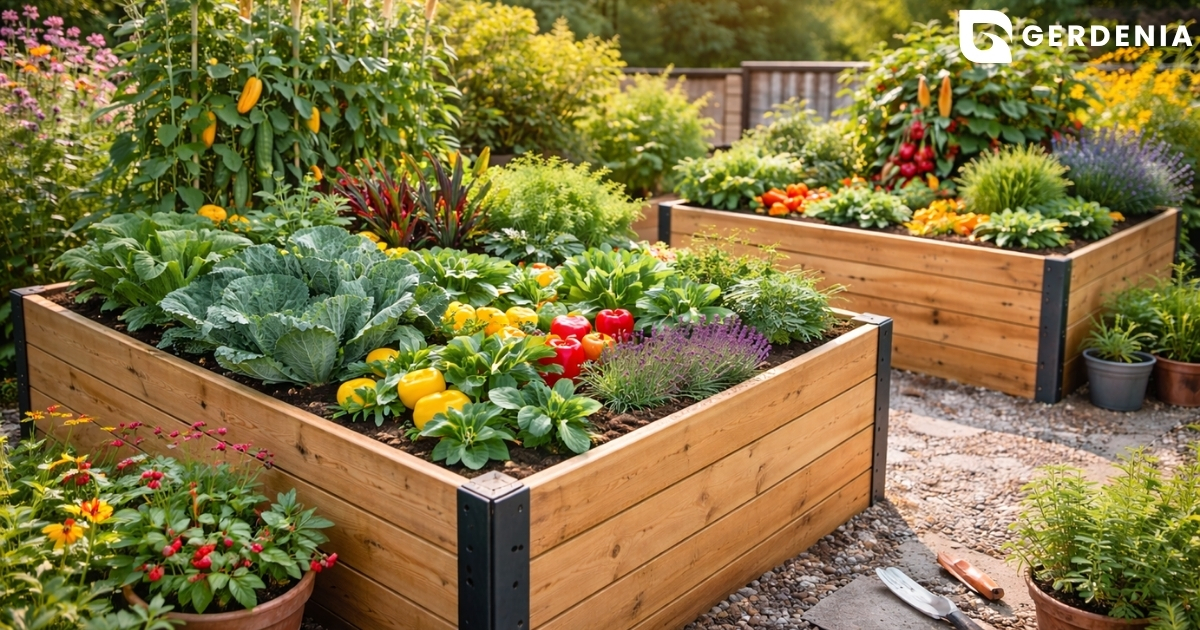
Building your own network is surprisingly simple. You can assemble a “no-tool” drip starter kit for a single raised bed in just one afternoon. These kits rely on hydrostatic pressure—the built-up water force inside the tubes—to push moisture precisely where needed. Direct soaking drastically lowers evapotranspiration, which is simply the fancy term for moisture evaporating from the dirt into the hot summer air.
The success of this water-saving setup starts with your core garden essentials. Before making any connections, selecting durable garden hoses made of thick, UV-resistant rubber ensures your main water line won’t crack in the sun.

Why Mulching is the “Blanket” Your Plants Crave for Moisture
Leaving bare dirt exposed after watering is like running the air conditioning with open windows. To protect that damp earth, you need proper mulching techniques for moisture retention. Think of mulch as a cozy blanket. During scorching afternoons, this layer provides soil insulation, keeping the ground cool and preventing the sun from baking your water away.
Beyond saving moisture, this covering significantly reduces garden maintenance because it cuts weeding time in half. It creates seed germination suppression—a simple way of saying it blocks sunlight so pesky weed seeds cannot sprout. Spread a layer exactly two to three inches deep, as piling it higher risks suffocating plant roots.
Matching materials to your space ensures the best results. Straw and compost serve as excellent organic soil amendments for vegetable gardens, while wood chips offer a long-lasting look for decorative flower beds. This proper yard care builds plant resilience, playing a hidden role in stopping pests naturally.
Stopping Pests Naturally Without Turning Your Yard into a Biohazard
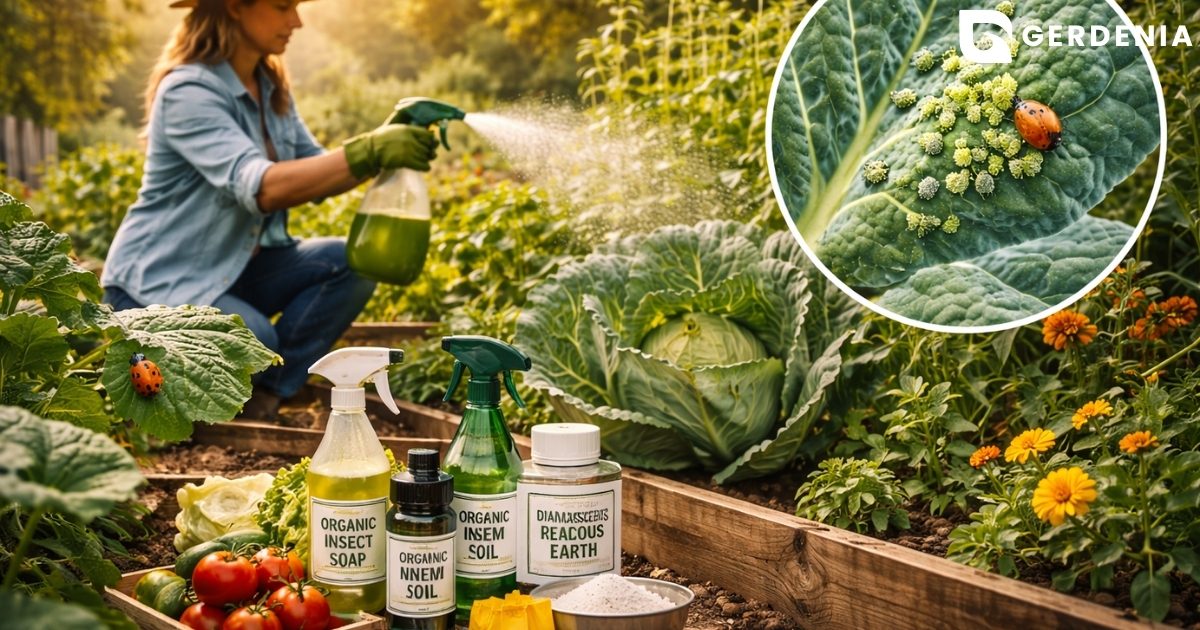
Finding a favorite basil plant chewed full of holes overnight is discouraging. Before grabbing harsh chemical sprays, try Integrated Pest Management (IPM)—a professional term for using smart, balanced strategies to outsmart bugs. Exploring natural pest control for beginners often starts right in your kitchen; mixing a few drops of dish soap with water creates a simple spray that stops soft-bodied pests instantly.
Not every crawling creature wants to destroy your garden essentials. Many bugs are actually beneficial insects—nature’s tiny bodyguards that eat the real troublemakers for you. Always roll out the red carpet for these three helpers:
- Ladybugs: Famous for devouring hundreds of destructive aphids.
- Lacewings: Delicate green flyers whose young happily munch on caterpillars.
- Hoverflies: Stingless pollinators whose larvae fiercely protect your leaves.
To further protect your harvest, try planting a “trap crop”—a sacrificial flower like a nasturtium placed nearby to lure pests away from your tomatoes. Keep in mind that yellowing leaves aren’t always insect damage; sometimes, identifying plant nutrient deficiencies solves the mystery.
From Tangled Hoses to Tidy Sheds: Organizing for Longevity
Searching for your favorite trowel in a chaotic garage drains the joy out of weekend planting. Instead of tossing everything into a dark corner, try optimizing your vertical space by hanging items on a simple wall pegboard. By organizing garden tool storage based on frequency of use—putting daily items right at eye level—you can easily save fifteen minutes of frustrating searching every single session.
Once your gear is off the floor, keeping it functional becomes the next priority. A smart layout includes selecting durable garden hoses that resist kinking to reliably supply a dedicated wash zone. Setting up a basic five-minute cleaning station right beside this hose allows you to quickly rinse away corrosive soil and sap, effectively tripling the lifespan of your garden essentials.
The final longevity secret is stopping tool oxidation—the technical term for metal-destroying rust. Prevent this by keeping a bucket filled with playsand and a little mineral oil nearby. Plunging your metal hand tools into this mixture naturally scrubs them clean while leaving a protective moisture barrier.
Transforming Your Tools into a Flourishing Backyard Oasis
Standing in the hardware store doesn’t have to be a guessing game. You now know exactly what you need to garden successfully without wasting money on flashy, useless gadgets. By starting small with a focused list of true essentials, you are fully equipped to turn an empty patch of dirt into a blooming oasis. Trusting the proper gear transforms frustrating outdoor chores into a genuinely enjoyable experience. Keep your soil and equipment healthy by following this simple routine:
- Spring Prep: Mix fresh compost into your soil.
- Summer Water: Hydrate roots deeply at the base.
- Fall Clean: Clear out dead leaves and plant debris.
- Winter Store: Wipe down tools and keep them dry.
Grab those proper gloves, pick an easy starter plant like basil or marigolds, and get your hands dirty this weekend. Setting up a solid foundation today ensures a thriving, low-stress garden for seasons to come.