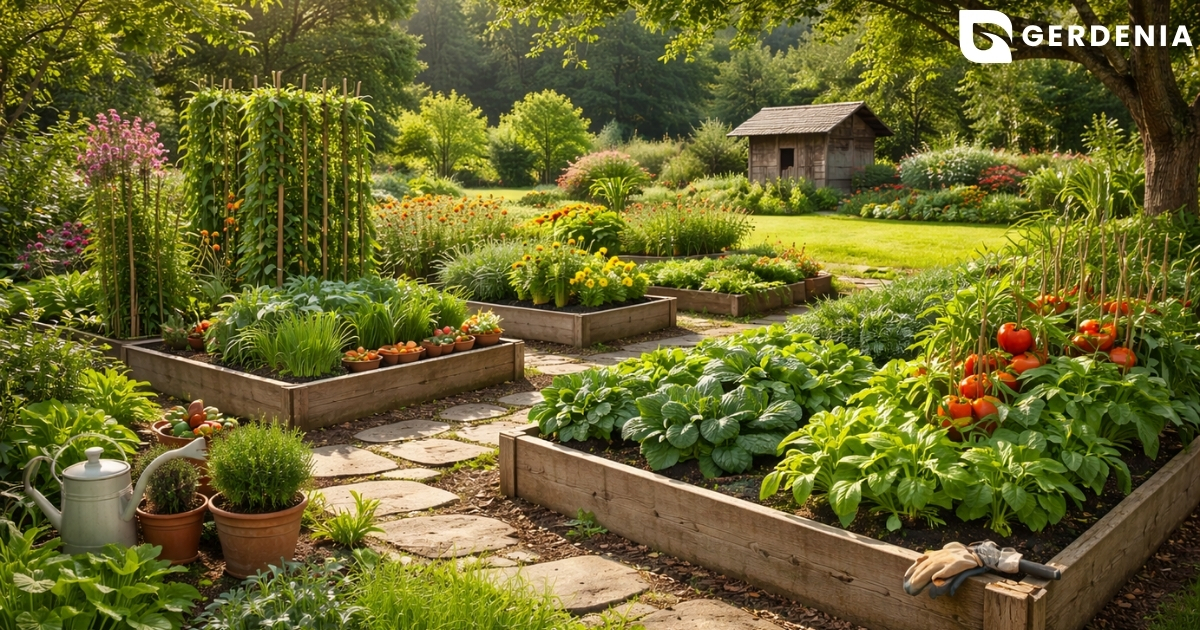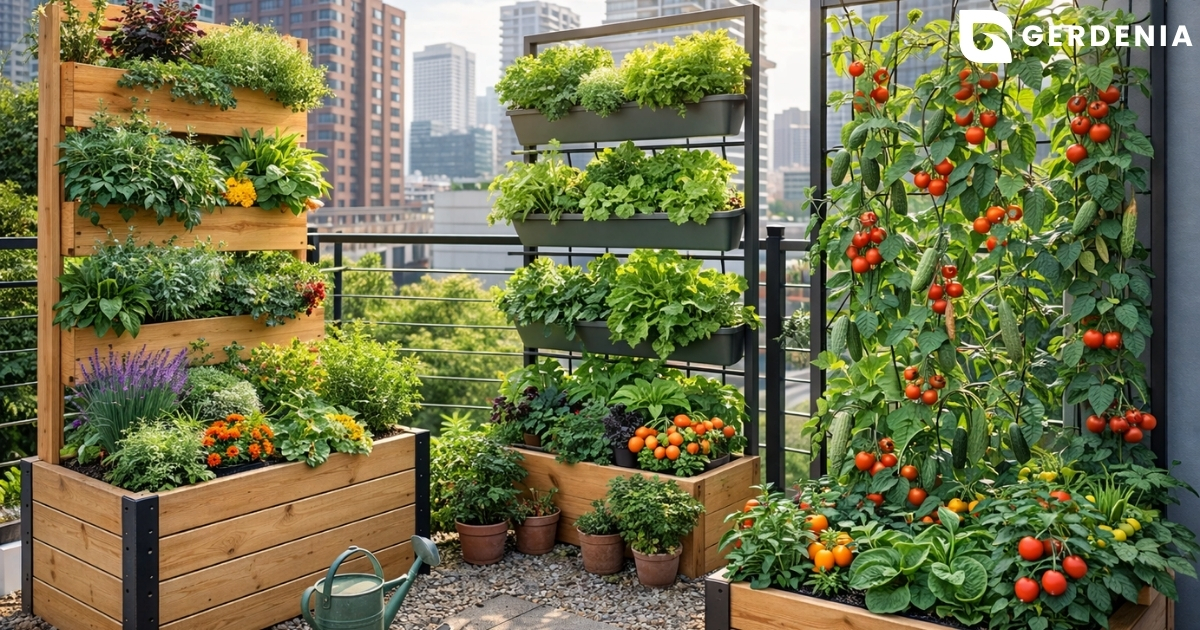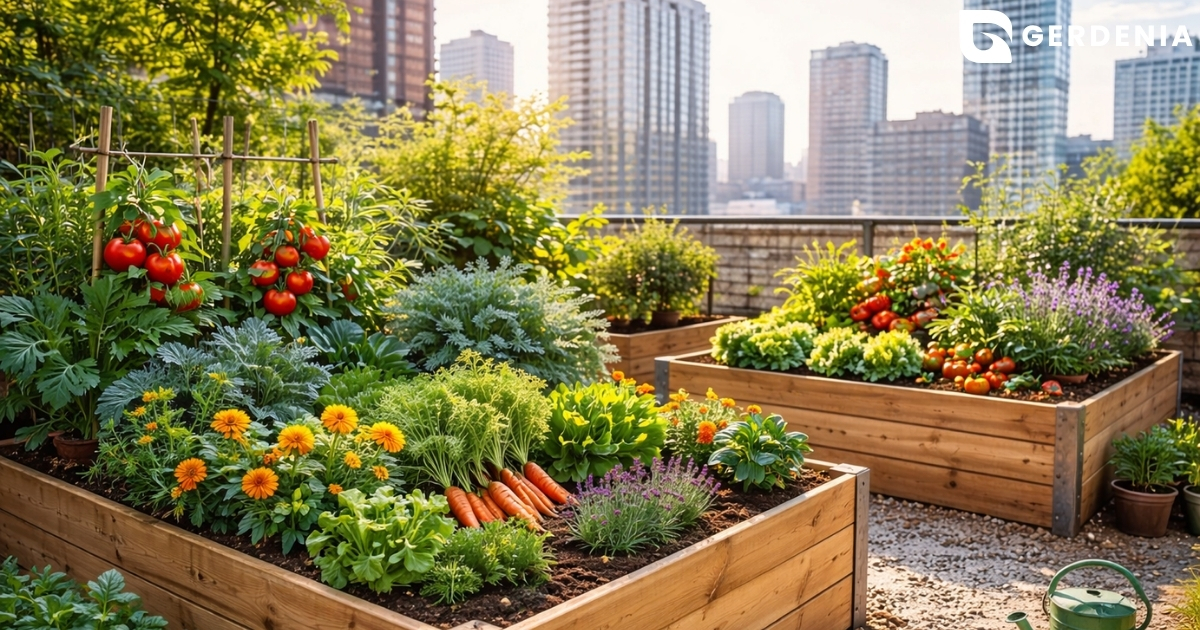
Missing the frantic rush of spring seed-sowing shouldn’t cause panic, because nature actually offers us a brilliant second window. Most backyard gardeners view mid-summer strictly as a time for watering and pulling weeds, assuming the opportunity to start anything new has firmly closed. In reality, July is not the end of the season; it is the secret start of a spectacular fall harvest.
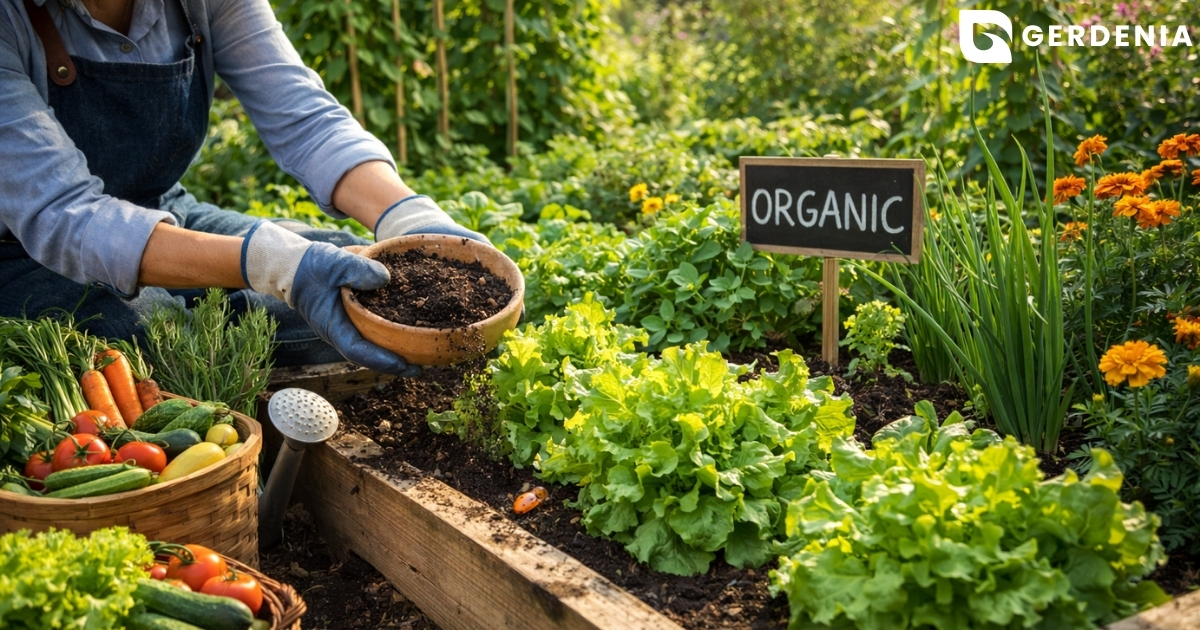
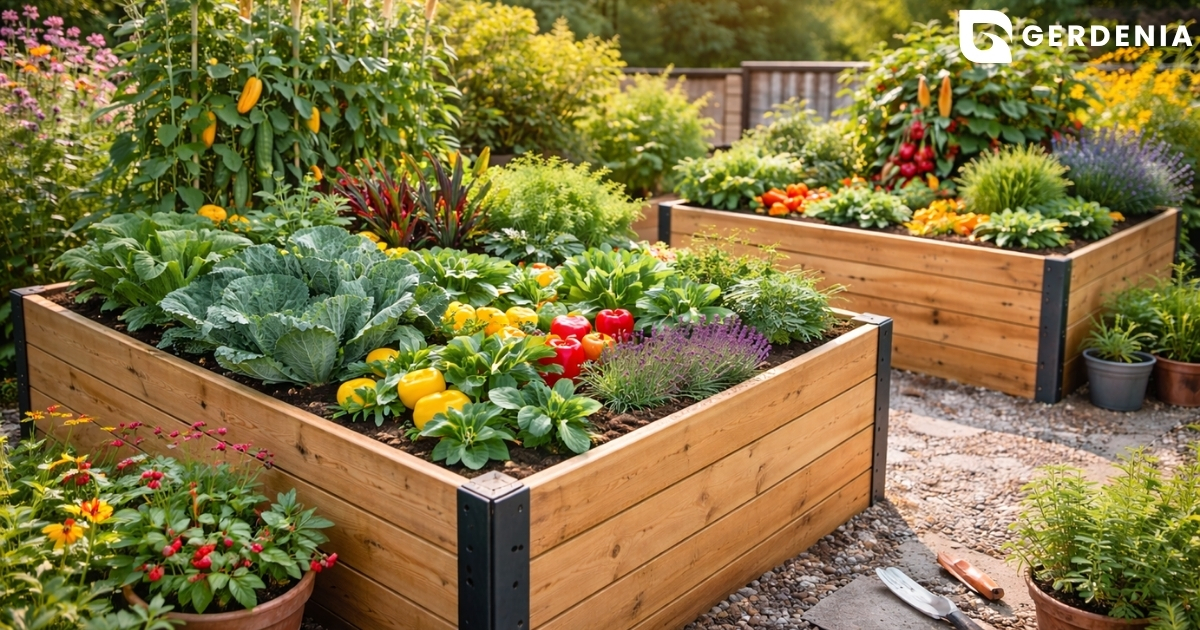
Looking at empty patches in your raised beds where the early lettuce used to be? Think of your yard like a relay race. As your spring peas finish their lap and fade in the heat, your next round of seeds is ready to take the baton. This technique, commonly known as succession planting, allows you to easily squeeze a robust second crop out of the exact same space.
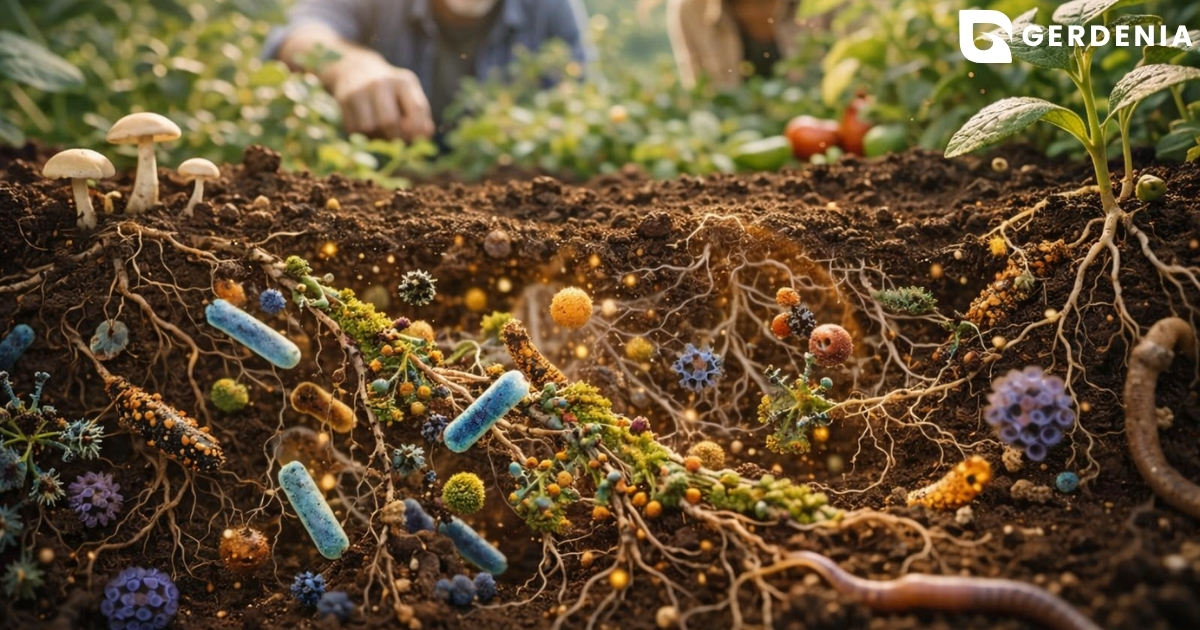
Deciding precisely when to plant summer garden additions often comes down to understanding the ground beneath your feet. Back in chilly April, seeds sit shivering in the damp earth, sometimes taking weeks just to peek above the surface. Mid-summer dirt is entirely different. The earth acts like a giant, sun-baked incubator that dramatically speeds up how fast a seed wakes up and begins to grow.
According to agricultural extension studies, warm soil accelerates germination because the higher temperatures stimulate rapid energy release inside the seed shell. In practice, a green bean seed that took fourteen days to sprout in the spring might burst through the soil in just four days right now. You simply have to ensure these tiny new sprouts receive consistent morning hydration to survive the midday glare.
Embracing this “second spring” completely changes how you experience your backyard plot. Imagine pulling crisp, sweet carrots from the earth right around Halloween instead of staring at empty, unused dirt. By mastering the basic rules of July planting, you are setting up a highly productive autumn that extends your homegrown food supply for months to come.
Calculating Your Harvest: The ‘Reverse Calendar’ for Autumn Success
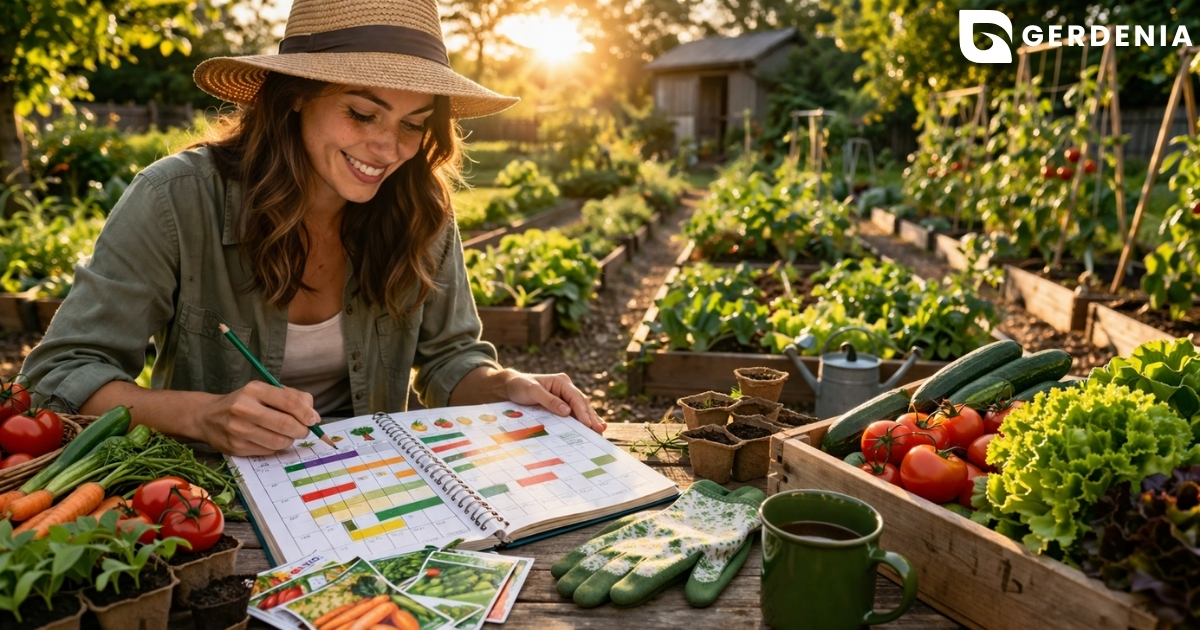
Looking at a fresh packet of carrot seeds, you might wonder if there is enough time to grow them before winter. Creating a succession planting schedule for fall harvest doesn’t require guessing; it just takes simple backward planning. Your secret weapon is right on the back of the seed envelope, usually listed as the days to maturity.
Autumn gardening comes with a hidden twist, though, known as the “fall stall.” While spring days get progressively longer and pump plants full of energy, late summer days grow shorter. As daylight decreases, your vegetables slow down. This means a turnip claiming it takes 45 days to grow will actually need a bit more time to plump up when planted in late July.
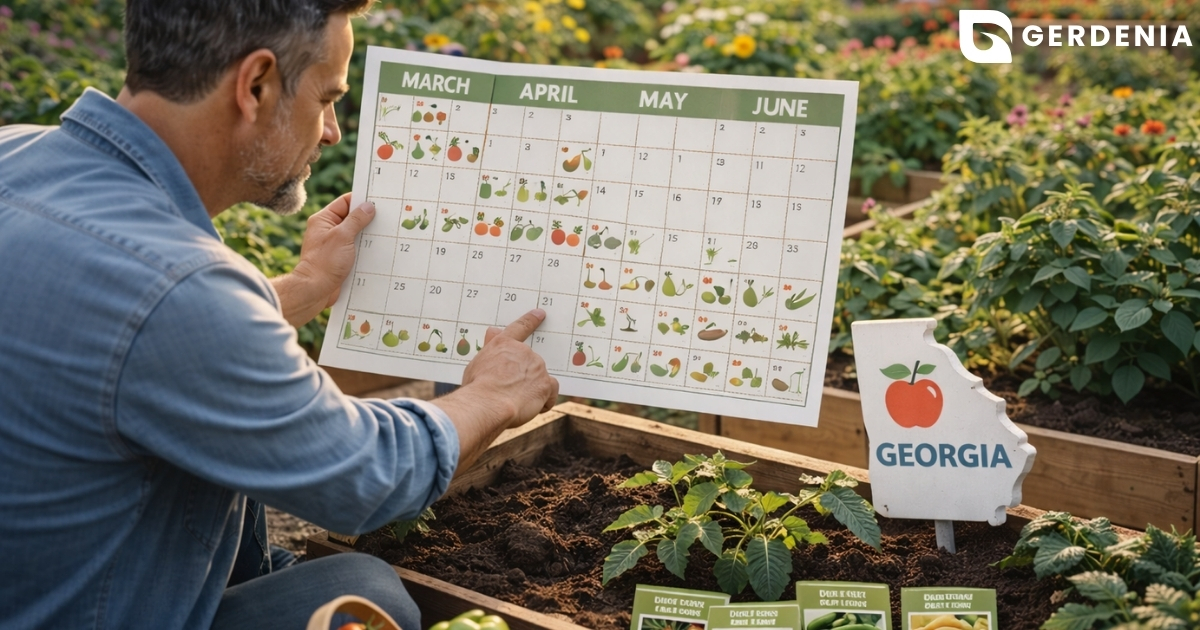
To guarantee your crops cross the finish line before freezing temperatures hit, use the “Reverse Calendar” method. Grab a calendar and follow this simple calculation to find your ideal planting window:
- Find your local first frost date (a quick internet search for your zip code works perfectly).
- Count backward by the days to maturity listed on your packet.
- Subtract an extra 10 days to account for the slower growth caused by shorter autumn light.
Once you land on that final date, you know exactly when those seeds must enter the soil. Sowing them on time is the first hurdle, but surviving the intense mid-summer sun is the second.
Shielding the Young: 3 Ways to Protect July Seedlings from Heat Stress
Getting a sprout to pop up in July is exciting, but intense mid-day glare can quickly turn tiny green victories into crisp casualties. Before reaching for the hose, you must recognize the difference between genuine thirst and heat-induced wilting. When temperatures spike, even established heat-tolerant crops droop as a natural defense mechanism to conserve moisture. If the soil already feels damp to your touch, adding more water might drown the struggling roots; instead, those vulnerable sprouts simply need a break from the sun.
Your garden doesn’t need an expensive overhaul to survive the afternoon glare. You can easily learn how to protect new seedlings from heat stress by building a temporary canopy for under five dollars. Just drape a light-colored cotton sheet, scrap cardboard, or specialized shade cloth over a few strategically placed stakes. This makeshift roof blocks harsh afternoon rays while letting cooling breezes pass underneath, acting exactly like a wide-brimmed sunhat for your delicate plants.
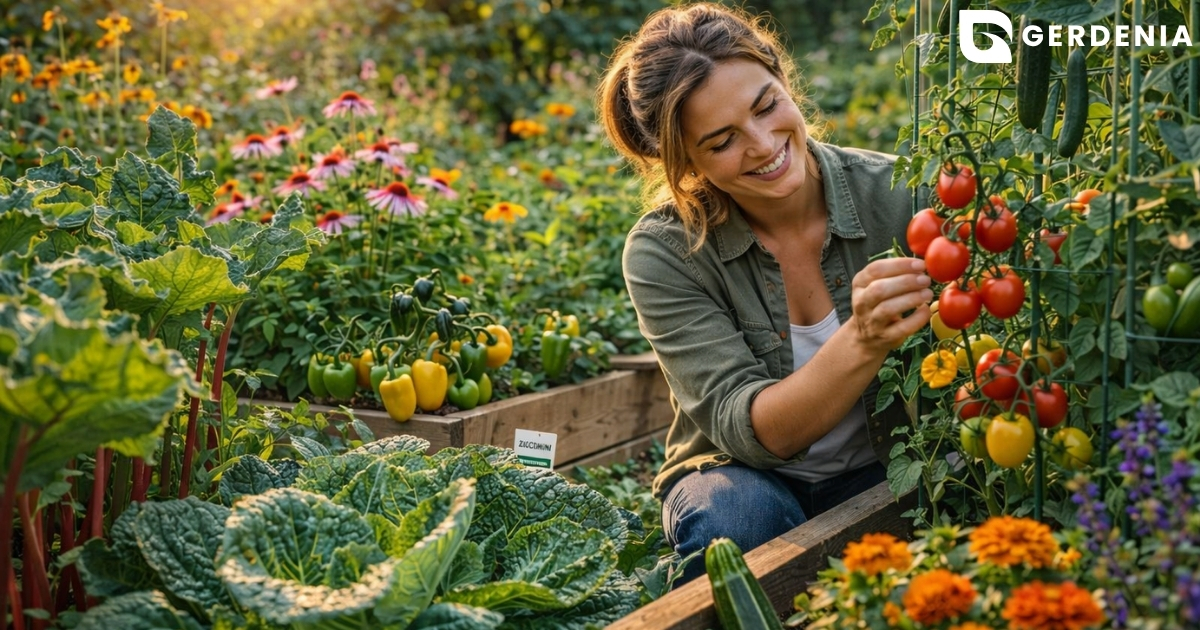
Nature also offers built-in parasols through a brilliant technique known as nurse cropping. Rather than sowing fall seeds in bare, exposed dirt, tuck them directly into the shadow of taller, mature vegetables. A towering tomato vine or sprawling zucchini leaf serves as a biological umbrella, casting gentle, dappled shade over the soil below.
Safely shielded from the blistering heat, your young plants can channel all their energy into rapid growth rather than mere survival. With a protective canopy securely in place, your garden is perfectly positioned for the mid-summer sprint.

The Mid-Summer Sprint: Fast-Growing Vegetables Ready in Under 60 Days
Looking at your calendar in July doesn’t mean you’ve missed out; it just means adopting a new strategy. When selecting vegetable seeds to sow in mid-summer, the secret lies in reading the seed packet’s “Days to Maturity.” Think of this number as a reverse calendar: if a packet says 50 days, a mid-July planting guarantees a bountiful harvest by early September, well before autumn frosts threaten your hard work.
Success in this tight window comes down to a biological concept called energy allocation. Since you already know the visual difference between sprawling vines and compact bushes, it helps to understand how they spend their internal resources. Vining plants waste precious weeks growing long stems before they even think about making food. Bush varieties immediately channel their energy into producing fruit, making them ideal fast-growing vegetables for 60-day harvest plans.
To ensure your early September bounty, focus on these reliable “sprinter” crops that thrive in warm soil:
- Bush beans (50 days)
- Summer Squash (45 days)
- Pickling Cucumbers (52 days)
- Radishes (25 days)
- Baby Kale (30 days)
Sowing these rapid-fire seeds guarantees a highly rewarding yield while the weather is still warm and pleasant.
Heat-Tolerant Heavy Hitters: Which Crops Thrive in the Late Summer Sun?
While the blistering July sun makes us retreat indoors, certain vegetables view those peak temperatures as a starting gun. Seeds for okra, southern peas, and sweet corn actually require soil to reach a toasty 80°F before they will even wake up. Instead of fighting the weather, you can use this intense thermal energy as a powerful growth stimulant to establish a robust late-season harvest.
This specific temperature preference explains why spring lettuce suddenly grows a tall, bitter stalk and flowers when summer arrives. This survival reaction is called bolting. When delicate plants experience intense heat stress, they abandon tasty leaf production and rush to make seeds before they die. Choosing the right crops now prevents you from accidentally triggering a plant’s biological panic mode.
Selecting the right seeds is your best defense against the scorch. To grow leafy greens as heat-tolerant crops for late summer sun, look specifically for slow-bolt varieties printed right on the seed packet. These tough genetics—found in crops like Swiss chard or specific summer basils—naturally resist the urge to flower early, providing you with tender leaves even when the afternoons feel completely relentless.
Filling bare spots with these sun-worshipping vegetables ensures your above-ground harvest remains lush and productive through August. Yet, the sun-baked surface of your garden is only half the story during these sweltering months; just beneath the warm topsoil, an entirely different opportunity awaits.
Underground Resilience: Starting Your Second Crop of Carrots and Root Veggies
While the topsoil bakes, the cooler earth just below offers a perfect sanctuary for late-summer root vegetables. July is the ideal time to sow ‘Nantes’ or ‘Danvers’ seeds. These rank among the fastest maturing carrot varieties for second crop success, ensuring they reach full size before heavy winter frosts arrive.
The biggest hurdle is keeping shallow seeds from drying out. Searing heat causes rapid evaporation, leaving tiny sprouts fatally parched before they can grow deep taproots. If your garden beds feel like sun-baked concrete, starting cool weather vegetables in containers is a great alternative. This lets you move pots into partial shade to take advantage of natural evaporative cooling while the seedlings establish themselves.
To beat the harsh sun in any setting, use a clever trick called the “Board Method.” This creates a protective canopy over your garden:
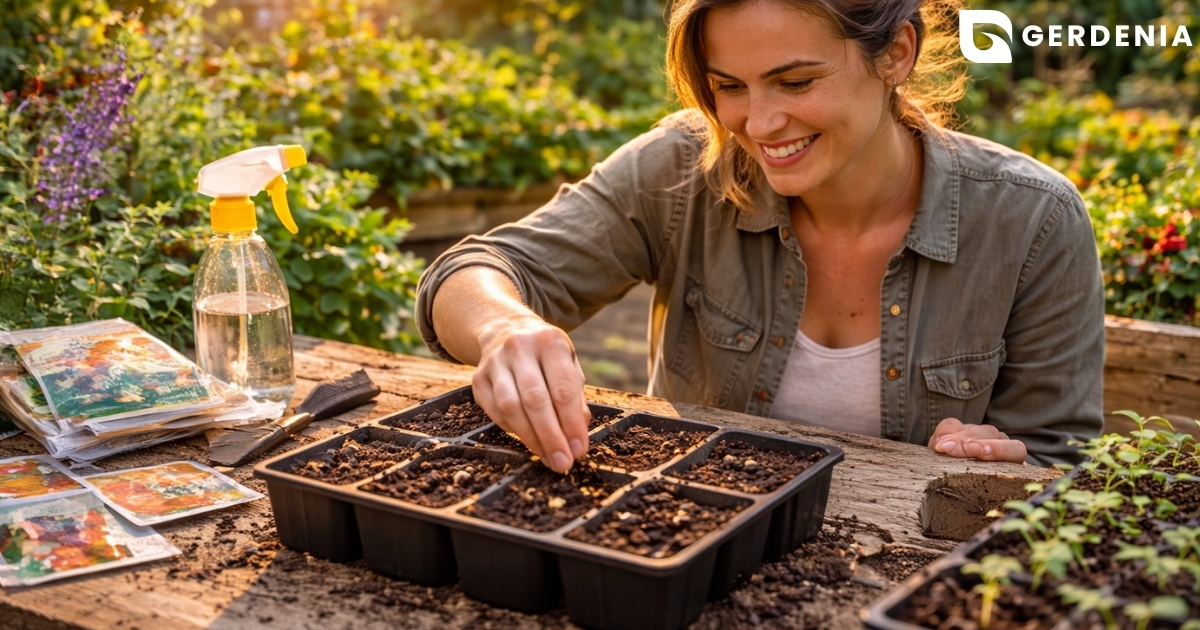
- Sow seeds shallowly in a prepared row.
- Water deeply until the earth feels like a damp sponge.
- Cover with a wooden board for 5 days to lock in moisture.
Your reward for this mid-summer effort arrives when autumn temperatures finally drop. As chilly weather sets in, the plant survives the cold by converting its bland starches into natural sugars, making fall-harvested carrots dramatically sweeter than anything pulled in the spring. With your roots safely established underground, your garden is ready to support an array of cool-weather crops.
The Leafy Green Relay: Transitioning from Heat to Cool-Weather Salads
Craving a crisp autumn salad means planning ahead, but convincing lettuce to wake up in July requires persuasion. These cool-weather favorites have a built-in survival mechanism called thermal dormancy, meaning their seeds refuse to germinate if soil temperatures climb above 80 degrees. If scattered directly into a sun-baked bed, they stubbornly sleep until cooler weather arrives—which is often too late for a substantial fall harvest.
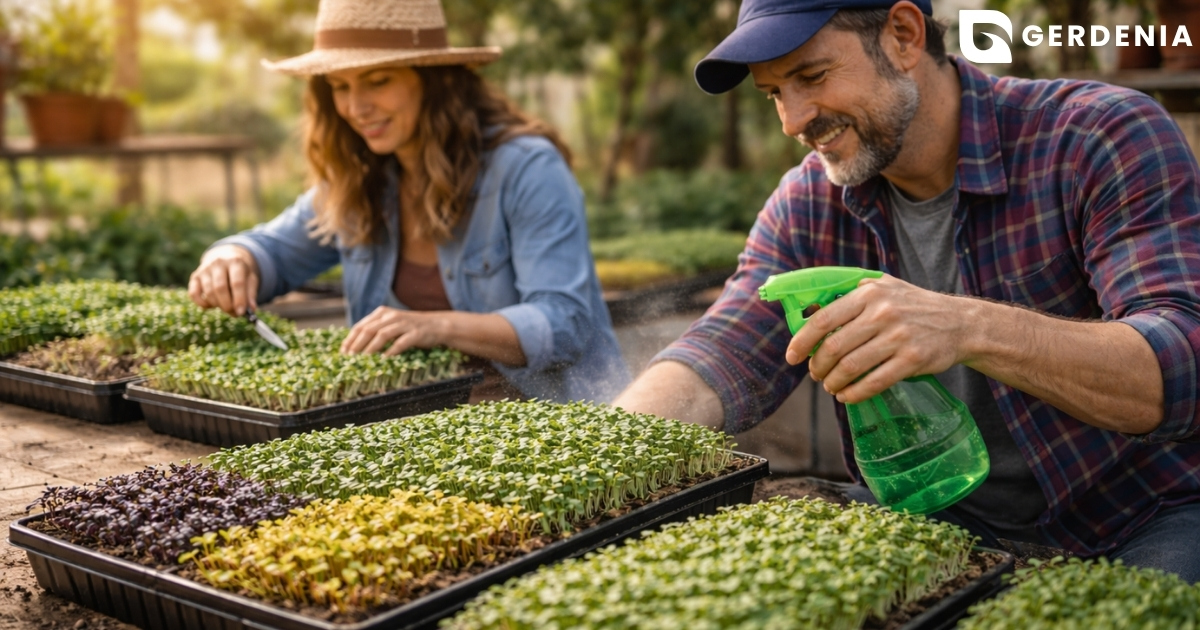
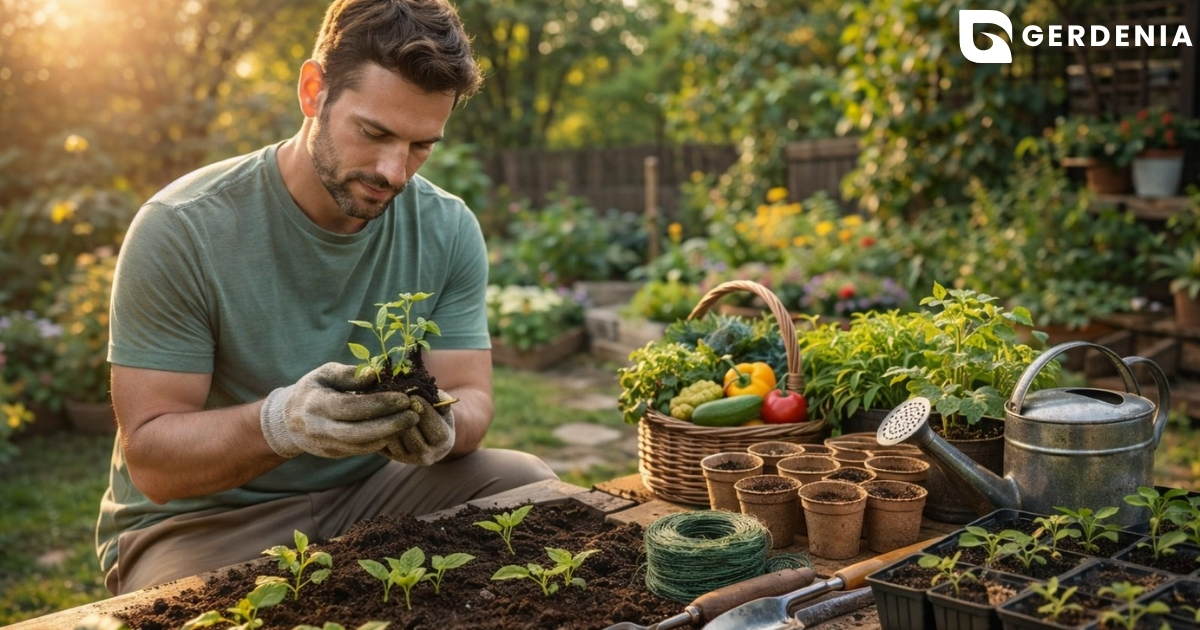
You can easily bypass this defense by tricking the seeds in your kitchen refrigerator. This pre-sprouting technique involves placing seeds between damp paper towels inside an unsealed plastic bag, then resting them in the fridge for a few days. The crisp environment mimics the chilly spring soil they crave. Once tiny white root tails emerge, they are fully awake and ready to be planted.
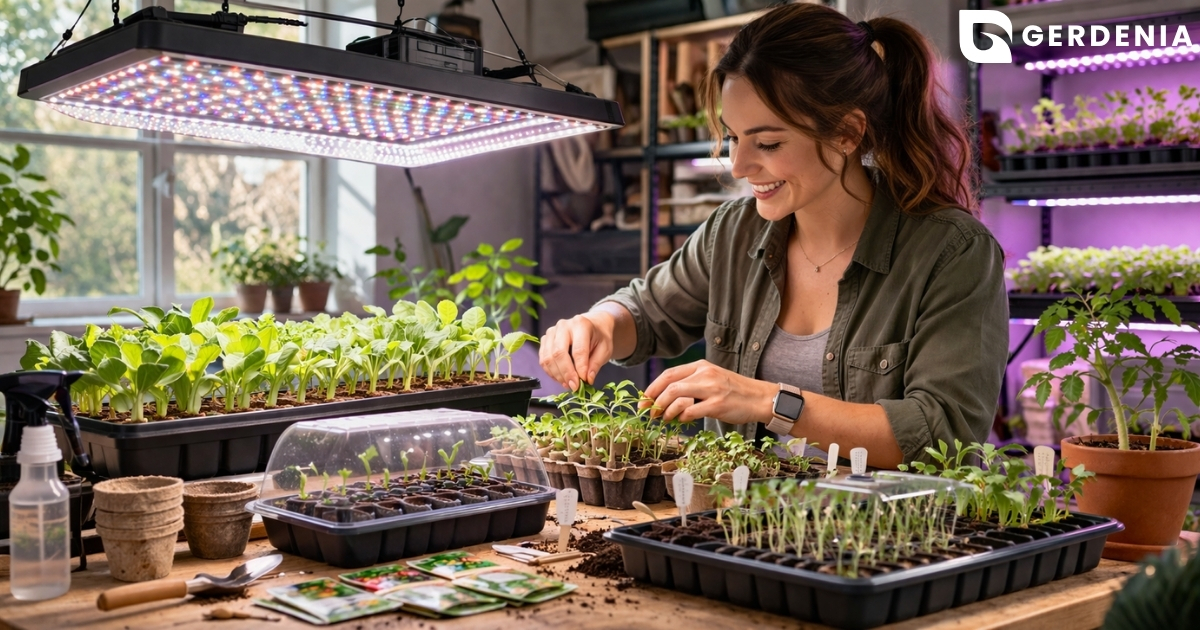
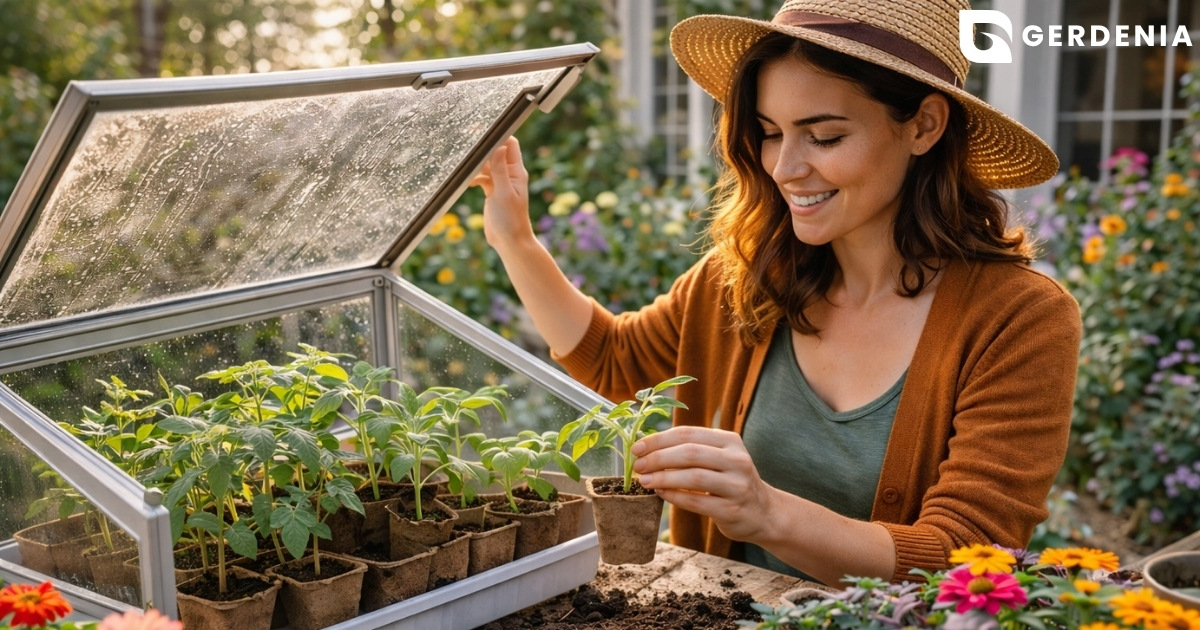
Rather than moving these delicate sprouts straight into the harsh outdoors, keep them protected inside your home. By starting cool weather vegetables in containers on a bright windowsill, you give them a stress-free space to develop strong leaves. This indoor nursery approach is the absolute best method for starting a second crop of leafy greens without watching them immediately wither under the mid-summer sun.
Soon enough, your robust little plants will need to face the outside world to complete their relay race. Hardening them off by slowly exposing them to outdoor conditions over a week prepares them for the garden. Keeping them alive during this transition requires protecting their shallow roots from the scorching soil.

Mastering Moisture: Mulching and Watering Tactics for Scorching Soil
Moving tender indoor sprouts into a July garden can feel like dropping them onto a hot frying pan. When ground bakes in the summer sun, it often becomes hydrophobic—meaning the hard, dusty surface actually repels water instead of soaking it up. Eliminate water waste by timing irrigation for maximum absorption; water deeply in the early morning so moisture penetrates the crust and reaches the roots before midday heat triggers rapid evaporation.
Before reaching for the hose later in the week, verify if the earth actually needs another drink. Sun-baked surface dirt frequently hides a perfectly damp root zone underneath. Apply the ‘Finger Test’ to check sub-surface moisture levels by pressing your index finger two inches into the dirt. If it feels like dry powder, soak the bed; if it is cool and sticky, skip watering for now.
After thoroughly hydrating the ground, your immediate goal is locking that dampness in. Adding organic thermal insulation acts like a sunhat for your dirt. Select the right mulch to lower soil temperature by up to 10 degrees, which is the foundation of smart mulching strategies for summer vegetable beds:
- Straw: The best option for vegetables, reflecting harsh sunlight while allowing water to easily pass through.
- Grass clippings: A fantastic free alternative, provided you use thin layers to prevent soggy matting.
- Wood chips: Perfect for walking paths or established perennials, but generally too heavy for delicate young vegetable seedlings.
Mastering these soil moisture retention techniques for hot weather guarantees your new transplants survive their tricky outdoor transition. With the ground now acting as a cool, hydrated oasis, your garden is perfectly prepped for cold-weather brassicas.
Brassica Basics: Starting Broccoli and Kale Now for a Frost-Sweetened Harvest
With your soil functioning as a cool oasis, you can do something that feels completely backward: planting cold-weather crops during the summer heat. Figuring out when to start brassica seeds for autumn requires a simple trick. Find your local first frost date and count backward eight to ten weeks. This July window gives broccoli and kale enough time to grow strong roots before the days begin to shorten.
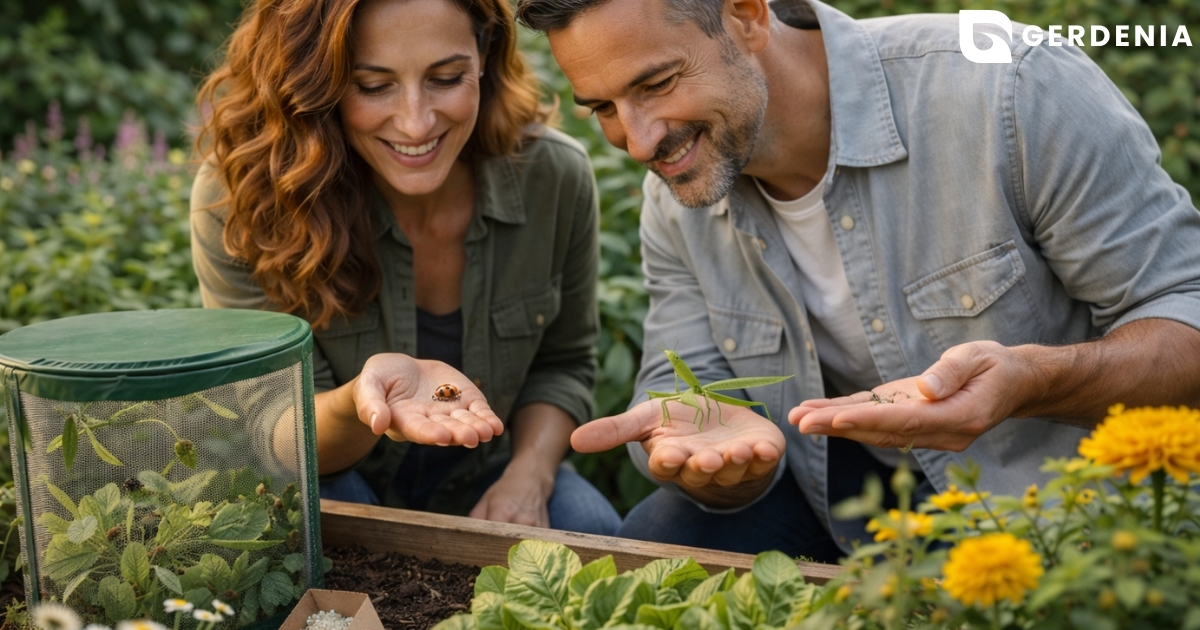
Placing fresh shoots into a summer garden comes with a catch, since July is peak season for hungry insects like cabbage moths. To protect your investment, drape lightweight insect netting over the seedlings immediately after planting. This acts like a mosquito net for your vegetables, physically blocking bugs until the mid-summer pest cycle naturally crashes in early fall.
The ultimate reward for nursing these plants through August arrives with the first icy morning. Brassicas possess a brilliant survival mechanism called “frost-sweetening,” converting their stored starches into liquid sugars to prevent cellular ice damage. This biological antifreeze makes late-fall broccoli incredibly sweet and crisp compared to summer crops. By sneaking in fast-growing crops alongside them, your beds will soon overflow with delicious autumn produce.
Securing this continuous bounty ensures your vegetable patches remain productive long after the tomatoes finally fade. While your newly planted greens establish themselves under their protective covers, you can also evaluate and rejuvenate the decorative borders of your yard.
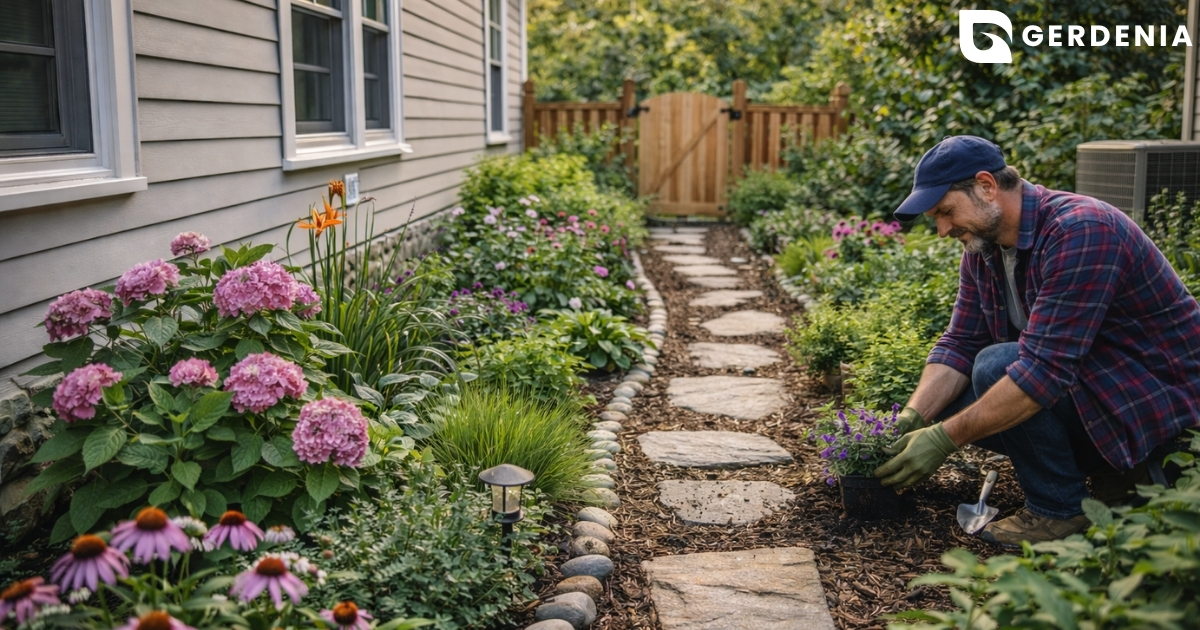
Divide and Conquer: Giving Your Perennials a Mid-Summer Makeover
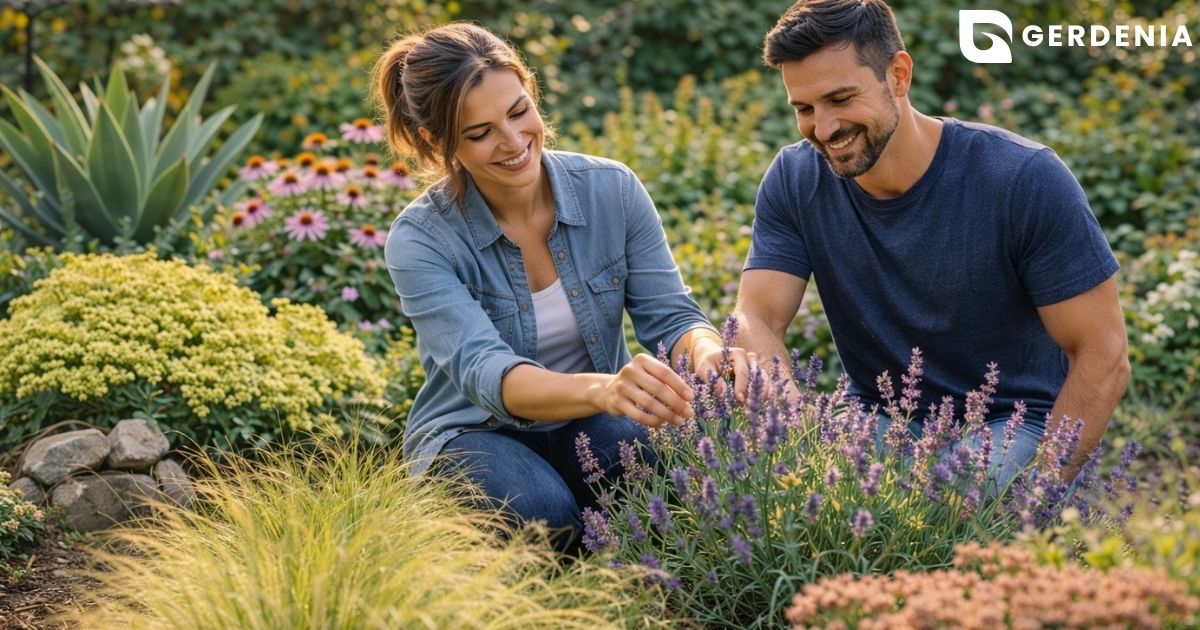
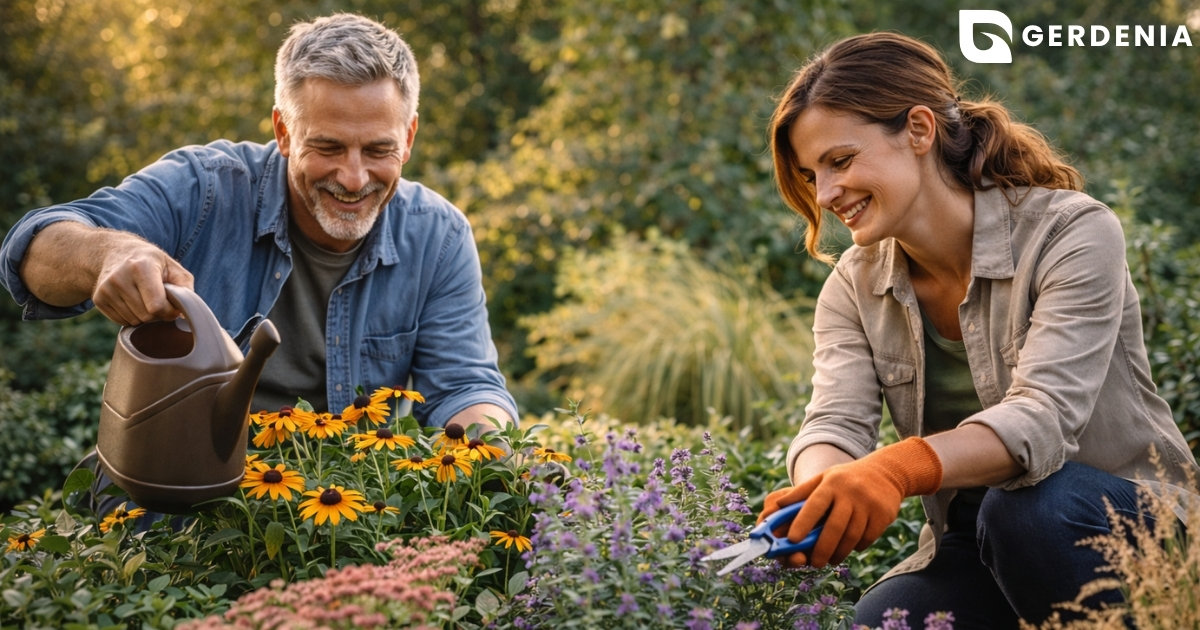
Stepping away from the vegetable patch, you can actually multiply your landscape for free by splitting established plants. As certain summer blooms fade, their underground root clumps—known as rhizomes—become crowded and less productive. Slicing these thick roots apart rejuvenates the parent plant and gives you brand new additions for your yard. The top perennial flowers to divide and transplant now include:
- Bearded Iris (immediately post-bloom)
- Daylilies (as their flowering slows)
- Peonies (waiting until late July or early August)
Uprooting greenery in July heat triggers “transplant shock,” a severe stress response where disturbed roots cannot absorb enough water to support tall foliage. You can prevent this wilting by cutting the plant’s top growth back by fifty percent before moving it. Trimming the leaves acts like taking off a heavy winter coat in the blazing sun—it drastically reduces moisture evaporation so the struggling roots can focus entirely on anchoring themselves.
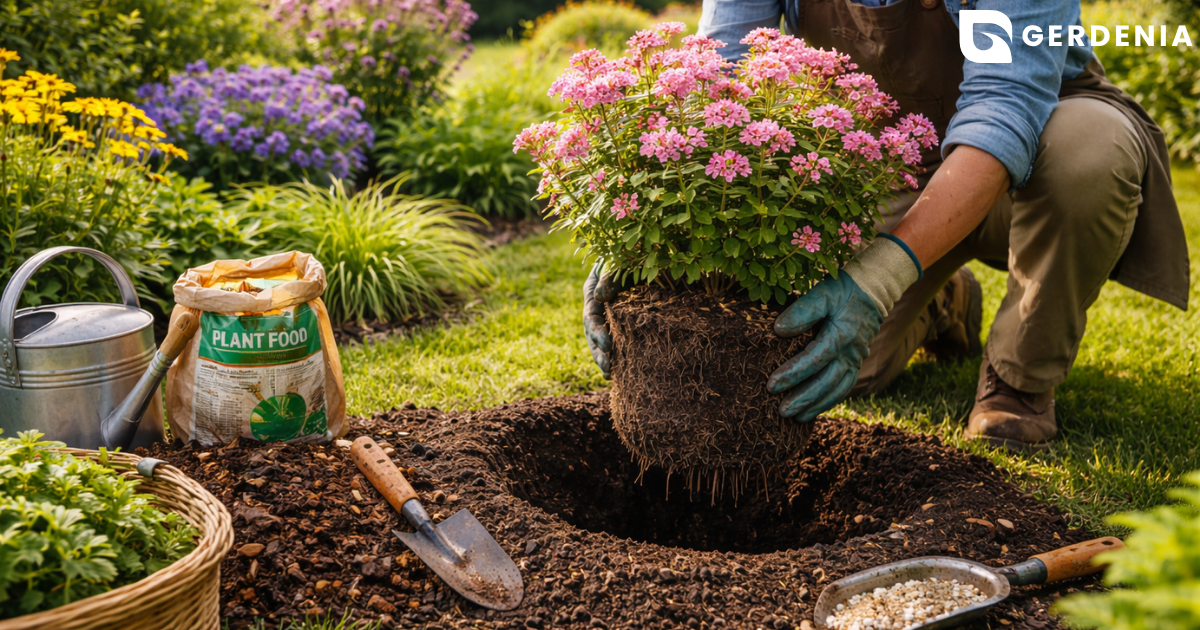
Securing these new divisions requires a trick called “puddling in.” Simply dig your hole, fill it completely with water, and place the roots directly into the muddy bath before backfilling. Even notoriously drought-resistant perennials need this instant root hydration to survive the seasonal transition. Once your landscape borders are successfully divided and settled, you can turn your attention toward rejuvenating your patio containers.
Herb Refresh: Boosting Your Mid-Season Container Garden
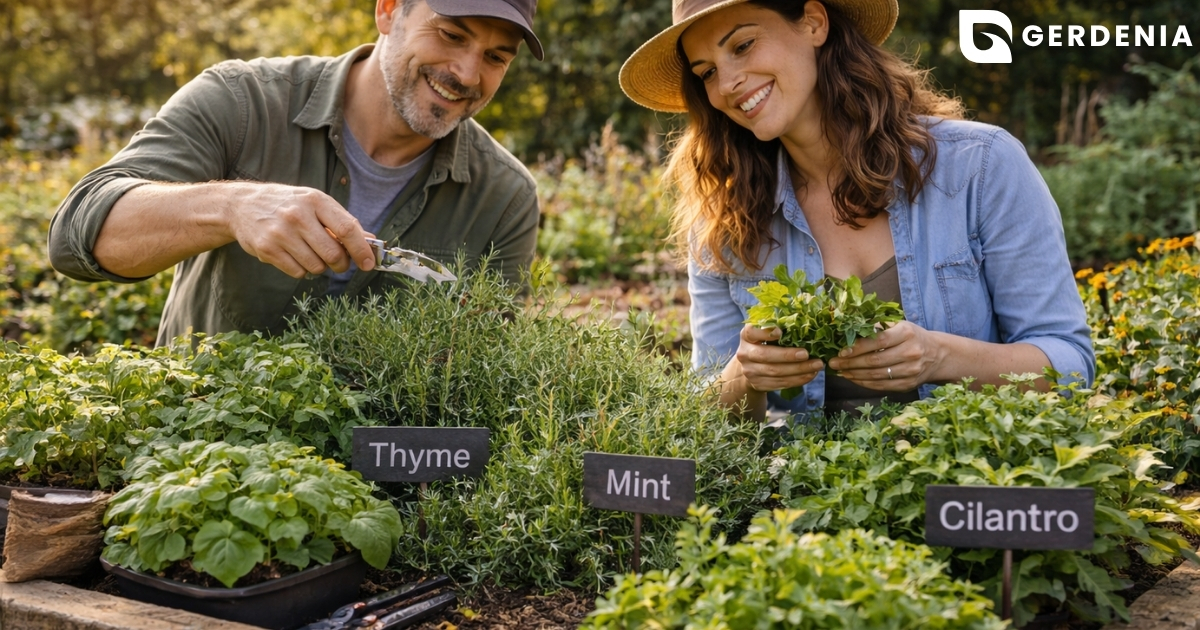
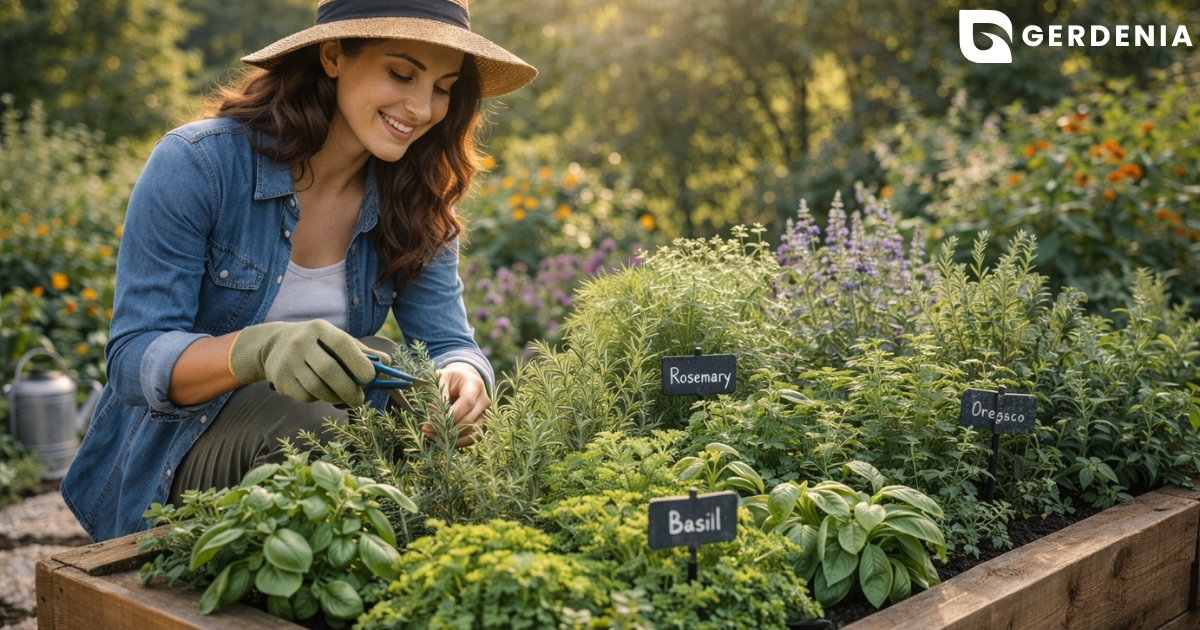
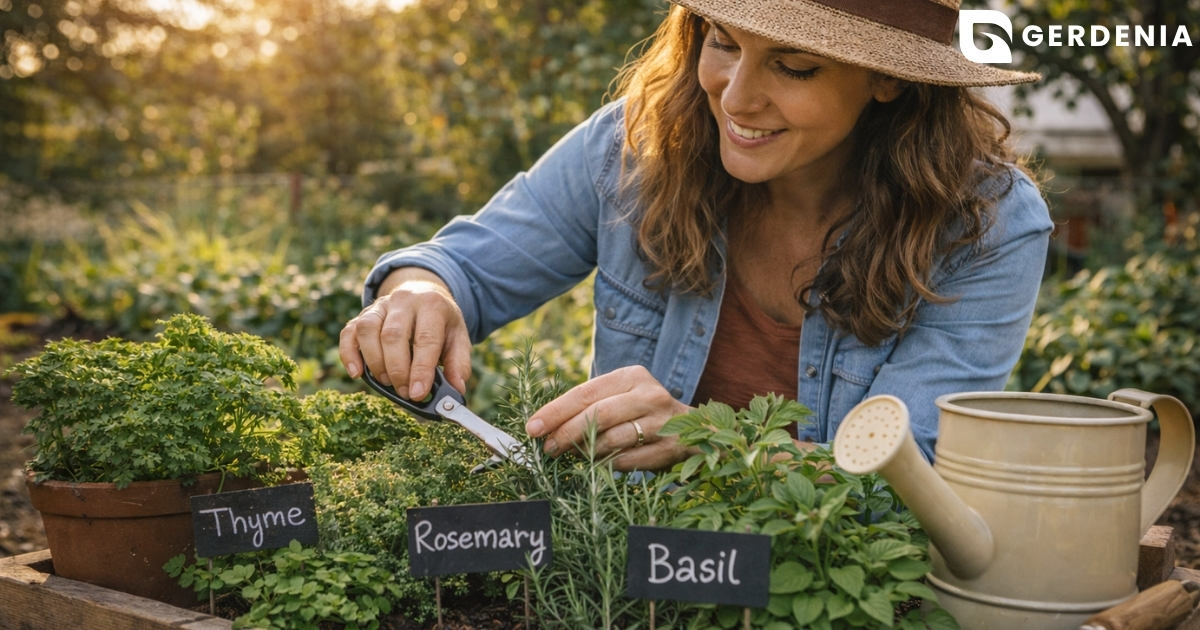
By July, your patio basil and mint often look like awkward teenagers—tall, stretched out, and starting to flower. This “leggy” phase means the plant is pausing leaf production to make seeds. You can force them back into a productive growth cycle with a quick haircut. Snip off the top two inches just above a set of leaves to prompt bushy, outward branching. This simple pruning makes them the best herbs for mid-season container gardening because they constantly renew themselves.
Dark plastic pots act like a heat sink in the blazing summer sun, literally baking delicate root systems. Manage this container heat absorption by slipping your dark pots inside slightly larger, light-colored containers to reflect the rays. Once the soil is insulated, restart quick-fading herbs like cilantro and dill. Sow small seed clusters every two weeks for a continuous fresh supply, using the exact same timing strategy you would rely on for other fast-maturing crops.
Keeping these resilient containers thriving takes only minutes a week. With your potted herbs cooled and freshly pruned, you are perfectly positioned to finalize your mid-summer garden action plan.

Your 3-Step Action Plan for a Productive July Garden
You no longer have to look at empty garden patches and assume the season has ended. July isn’t a finish line; it’s a strategic pivot point. By balancing the trio of deep watering, temporary shade, and smart plant selection, you can confidently guide delicate seedlings through the summer heat.
Ready to execute a 48-hour garden pivot? Prioritize tasks for maximum impact with minimum sweat using The ‘July Weekend Warrior’ Checklist:
- Clear out spent peas/lettuce
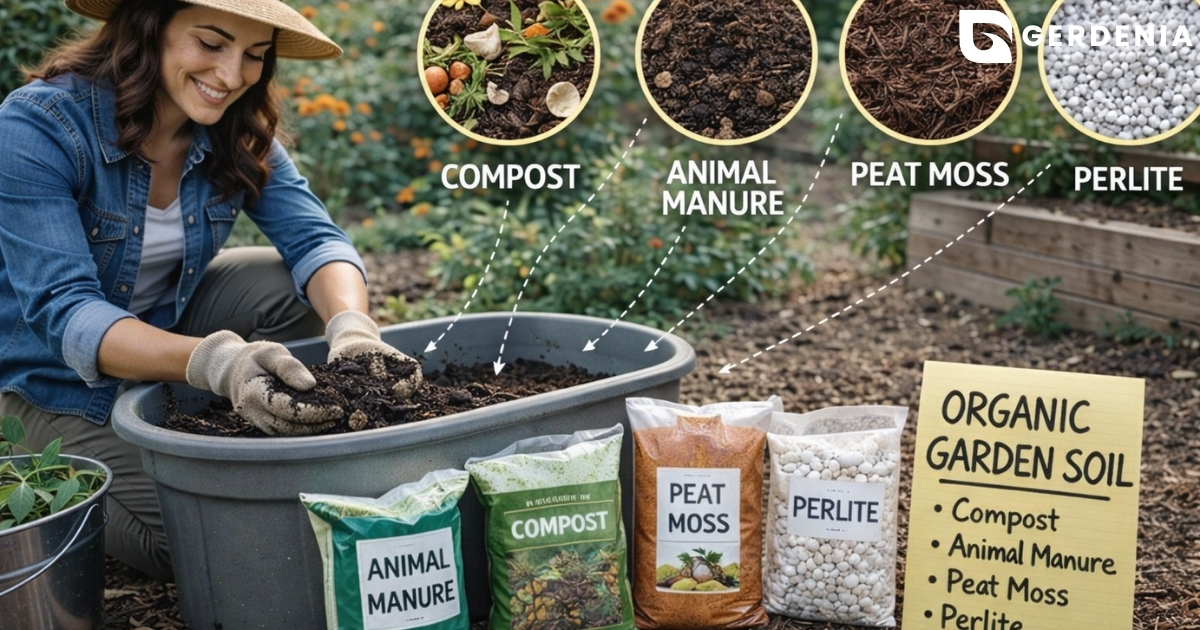
- Add 1 inch of compost
- Sow your ‘sprinter’ seeds
Integrating a succession planting schedule builds true confidence in year-round gardening cycles. Every time you swap a tired spring crop for fresh seeds, you transform basic July planting into a continuous, thriving ecosystem. Start with that simple weekend checklist to see immediate, rewarding results in your soil.
Your garden’s best harvest is still ahead of you. Look past the dog days of summer and imagine harvesting crunchy carrots straight from the cool autumn earth for your Thanksgiving dinner. Grab your seed packets, step out into the morning dew, and start growing your second act.