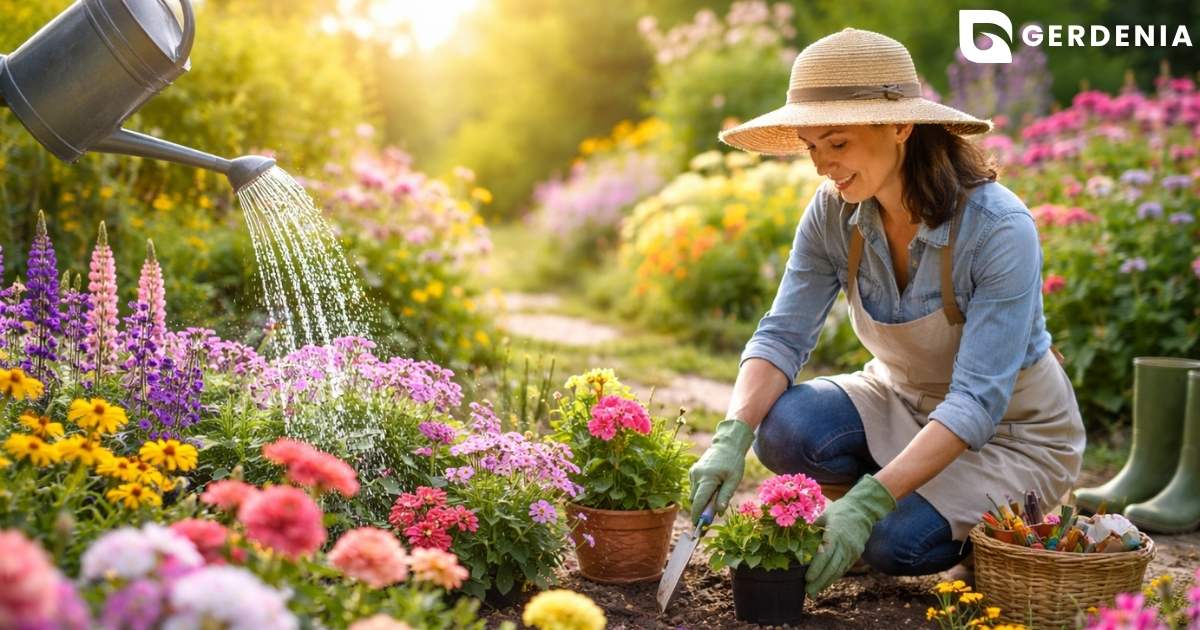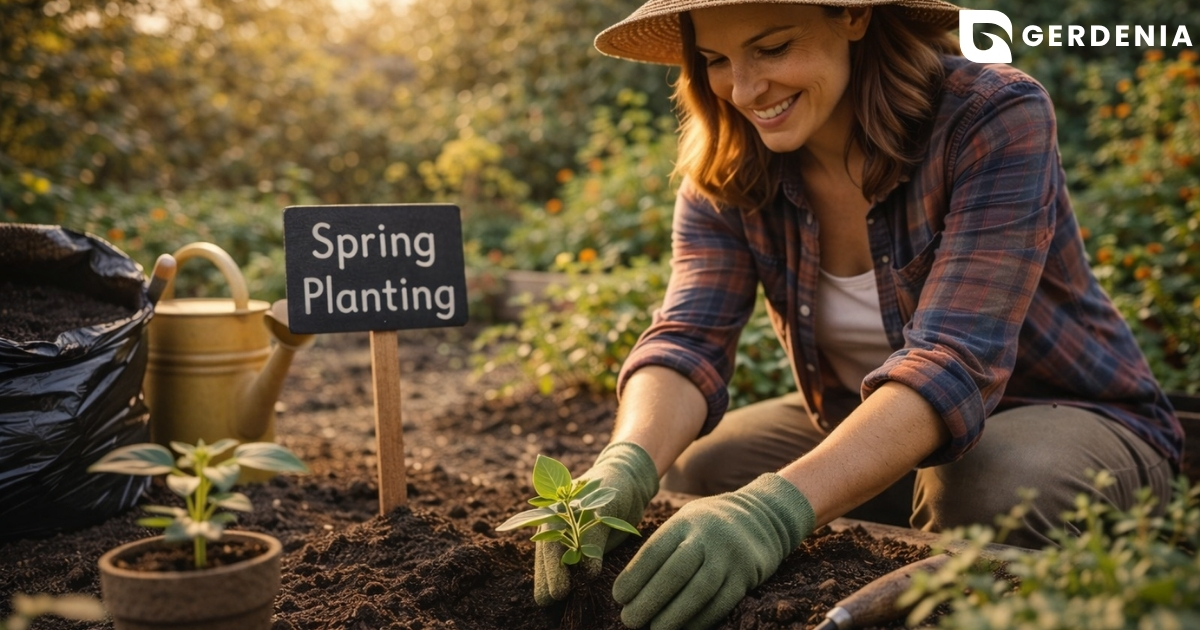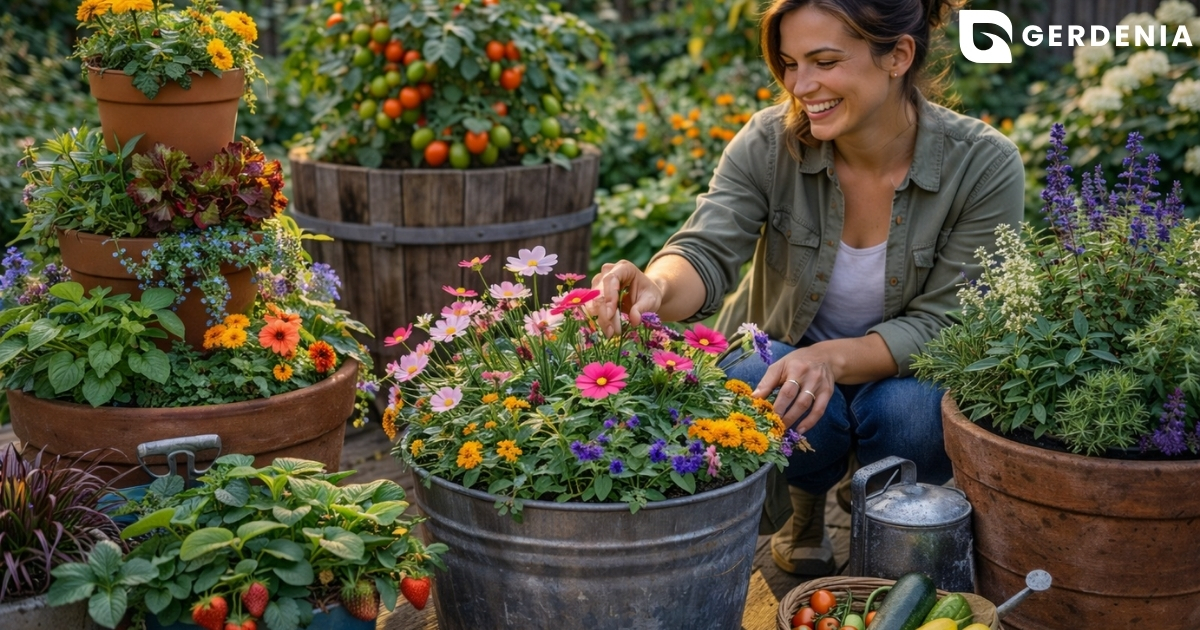
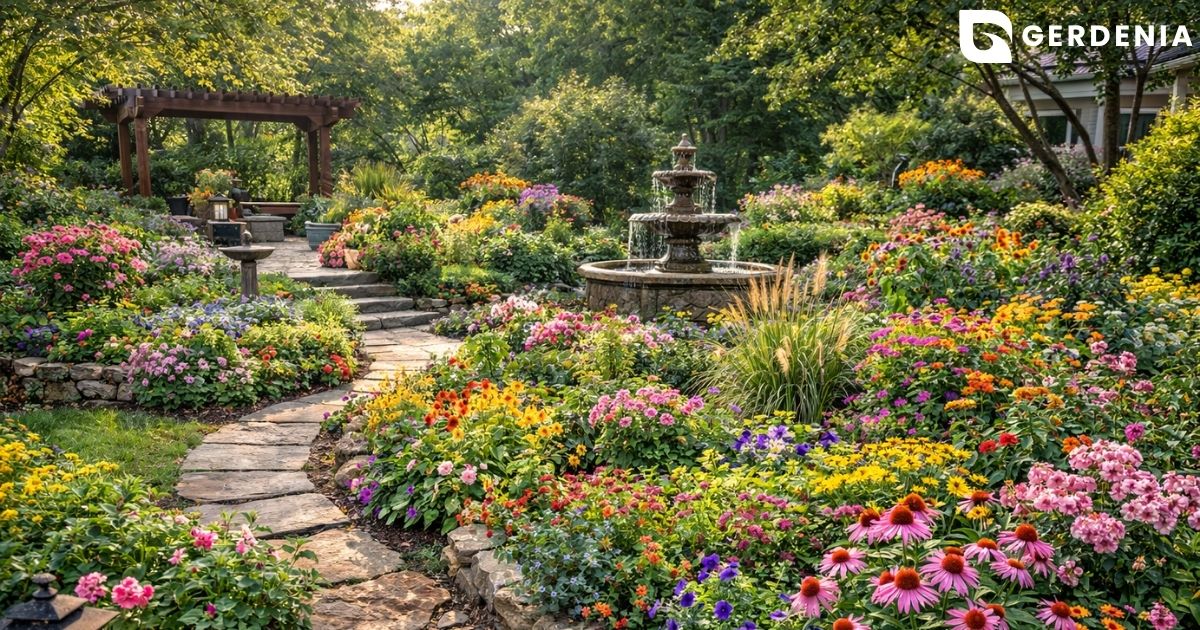
Before embarking on the journey of creating a flower bed, it is crucial to understand the fundamental principles of design that will guide your project. The key elements of flower bed design include balance, contrast, color harmony, and scale, each contributing to the overall visual appeal of your garden.
Balance in a flower bed is achieved when the visual weight of the plants is evenly distributed. This can be symmetrical, where both sides of the bed mirror each other, or asymmetrical, where different elements are used to create visual equilibrium. Symmetrical designs are often formal and structured, while asymmetrical designs offer more flexibility and creativity. Contrast, on the other hand, is about combining different textures, shapes, and colors to create interest and prevent monotony in the garden. By using a mix of large-leaved plants with fine-textured ones, or pairing bold colors with soft hues, you can create a dynamic and visually engaging space.
Color plays a pivotal role in flower bed design. Choosing a harmonious color palette enhances the aesthetic appeal of your garden. Consider using a color wheel to select complementary colors that will bring vibrancy to your flower beds. For instance, pairing blue flowers with orange blooms creates a striking contrast that draws the eye. Monochromatic schemes, using different shades of the same color, can also be effective for a more understated elegance. Additionally, consider the effect of seasonal changes on color; some plants may change color as they mature, providing an evolving palette throughout the year.
Scale refers to the size of the plants in relation to the overall garden and surrounding structures. It is important to select plants that fit well within the space and do not overwhelm other elements. Tall plants can be used to create a backdrop, while smaller plants fill in the foreground. Proportion involves the relationship between the different elements within the garden, ensuring that no single component dominates the scene. Consider the mature size of the plants to avoid overcrowding and allow each to thrive. Incorporating varying heights and widths adds visual interest and prevents the layout from appearing flat.
Choosing the right plants for your flower bed involves considering several factors, including climate, soil conditions, and the amount of sunlight the area receives. Understanding these elements will help you select plants that thrive in your environment and contribute to a sustainable and beautiful garden.
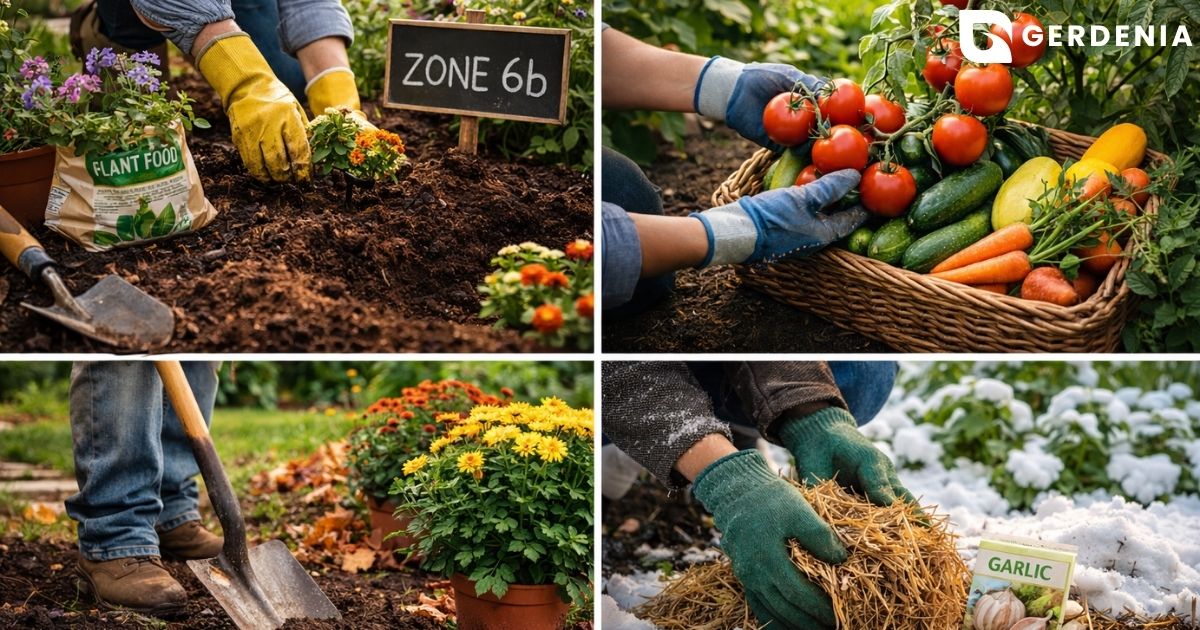
Before selecting plants, it is essential to know your region’s climate and hardiness zone. This information will guide you in choosing plants that can withstand local weather conditions. Hardy perennials are often a good choice for long-lasting flower beds, while annuals can provide a burst of color throughout the growing season. Consider the microclimates within your garden, such as sheltered areas that may be warmer or cooler than the rest of the yard. This can impact plant survival and growth. Additionally, research the typical rainfall patterns and temperature extremes in your area to ensure your plants can withstand these conditions.
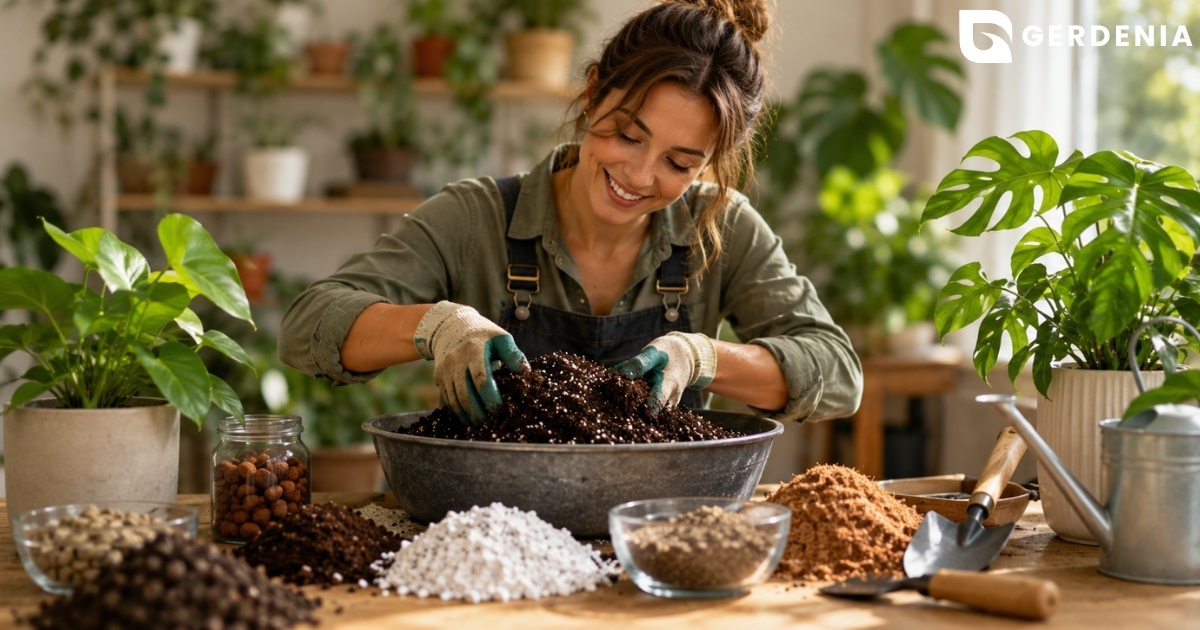
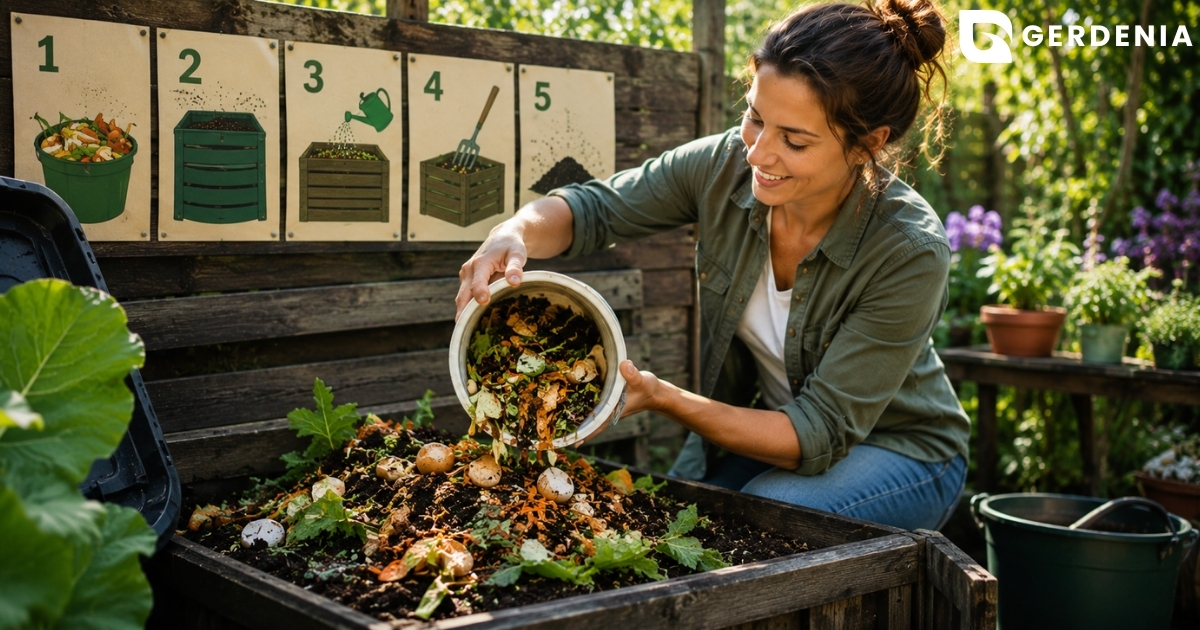
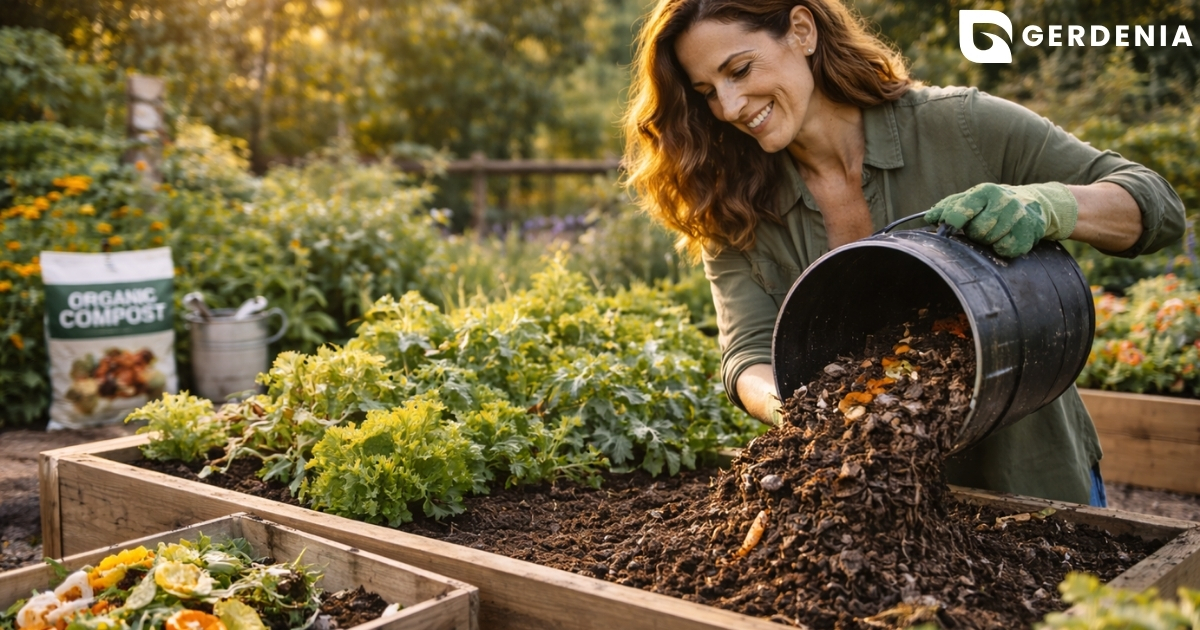
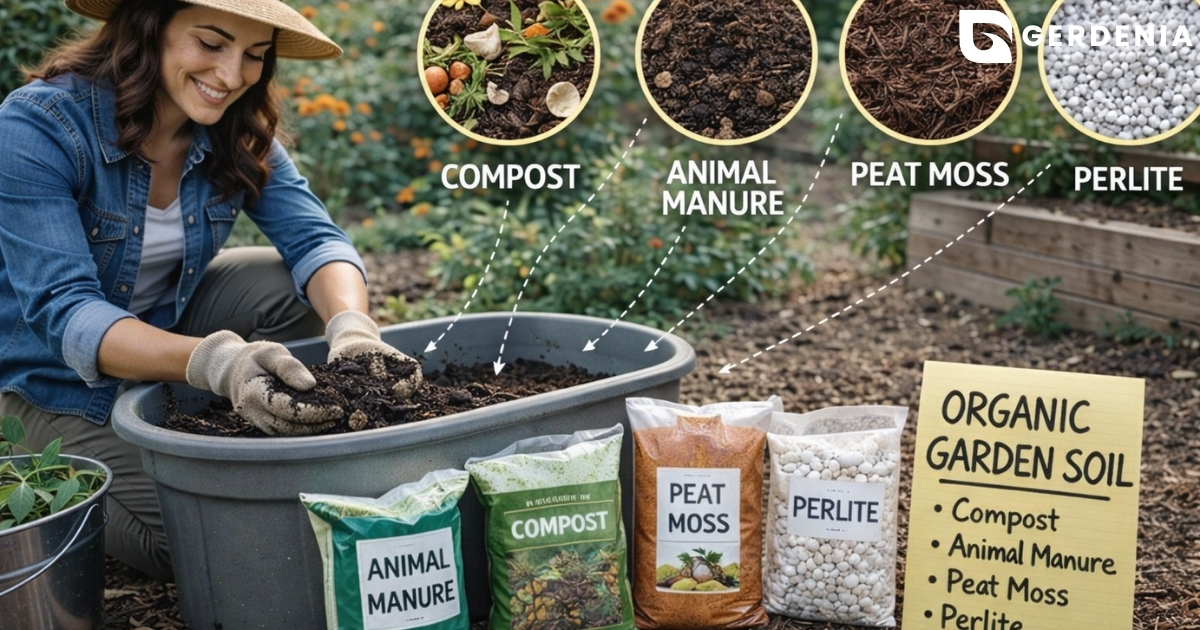
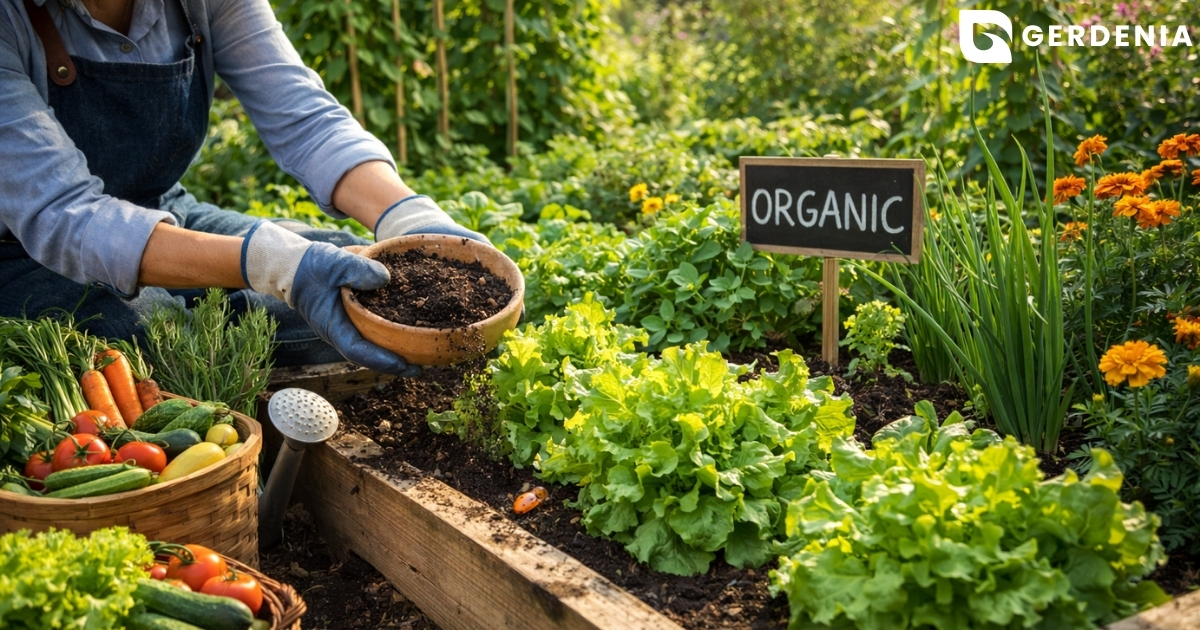
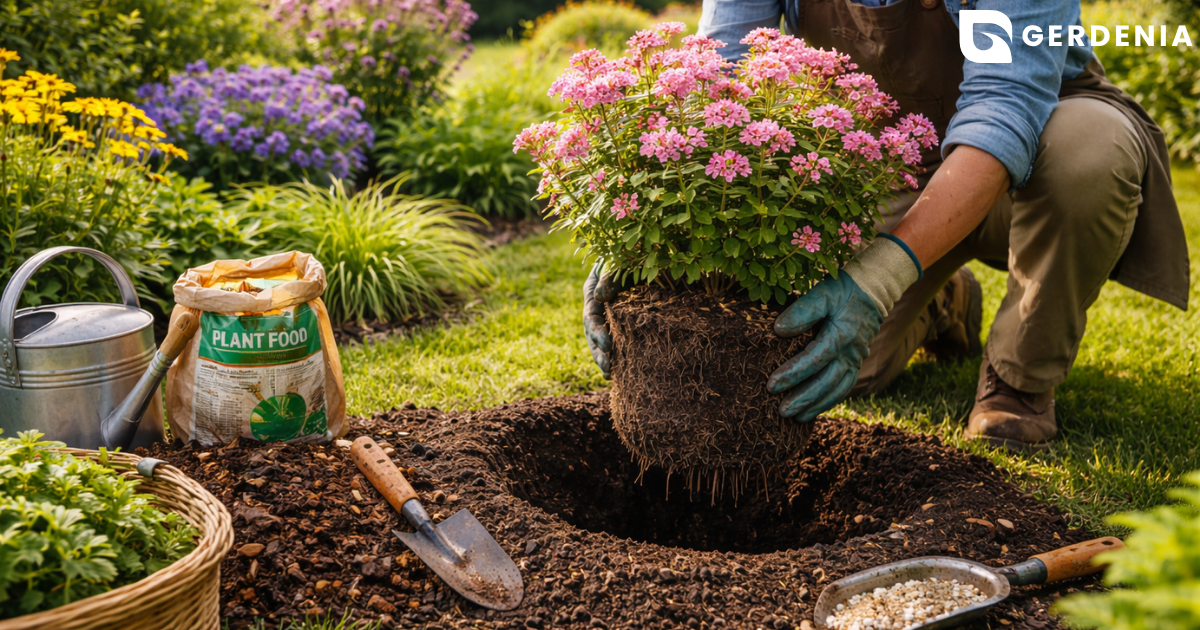
Soil quality is a crucial factor in the success of your flower bed. Conduct a soil test to determine its pH and nutrient levels. Based on the results, you may need to amend the soil with organic matter, such as compost, to improve its fertility and drainage. Different plants have specific soil preferences, such as acidic or alkaline conditions, so tailor your soil amendments accordingly. Consider the texture of your soil—whether it’s clay, sandy, or loamy—as this affects drainage and nutrient availability. Incorporating organic matter can improve soil structure and encourage healthy root development.
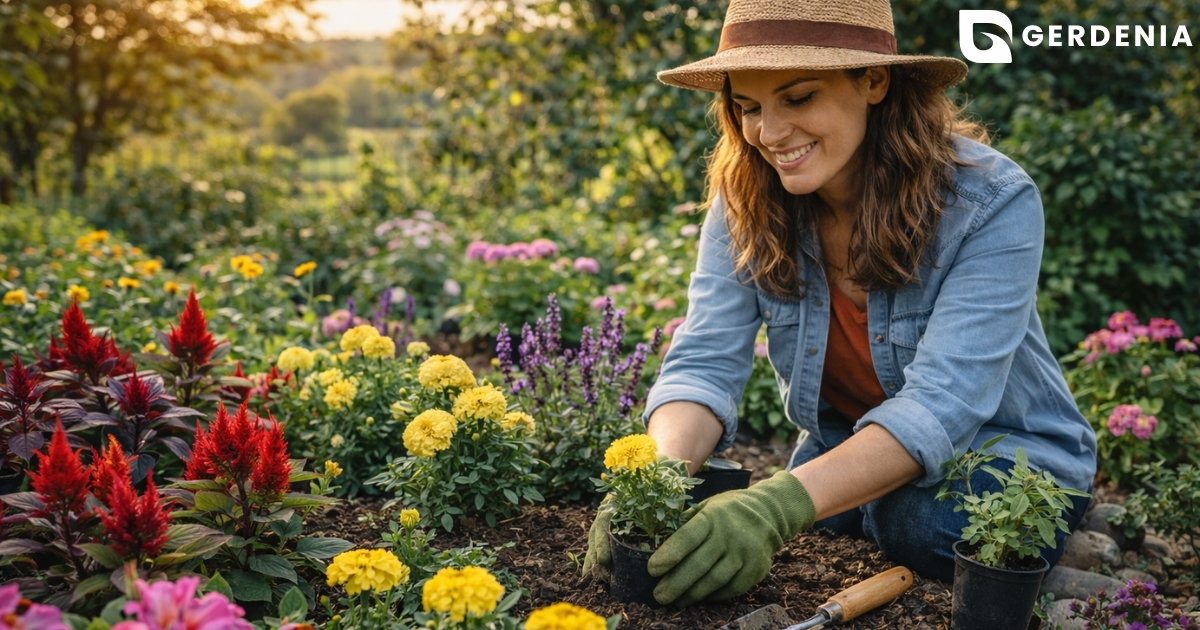
Different plants have varying sunlight needs, ranging from full sun to partial or full shade. It is important to observe the light patterns in your garden and choose plants accordingly. Sun-loving plants like marigolds and zinnias thrive in bright locations, while shade-tolerant varieties like hostas and ferns are perfect for less sunny spots. Consider the changing angle of the sun throughout the year and how it affects light availability. In addition, be mindful of the shadows cast by buildings or trees, as these can impact the amount of light reaching your flower bed. Grouping plants with similar light requirements will ensure that each receives the necessary amount of sunlight for optimal growth.
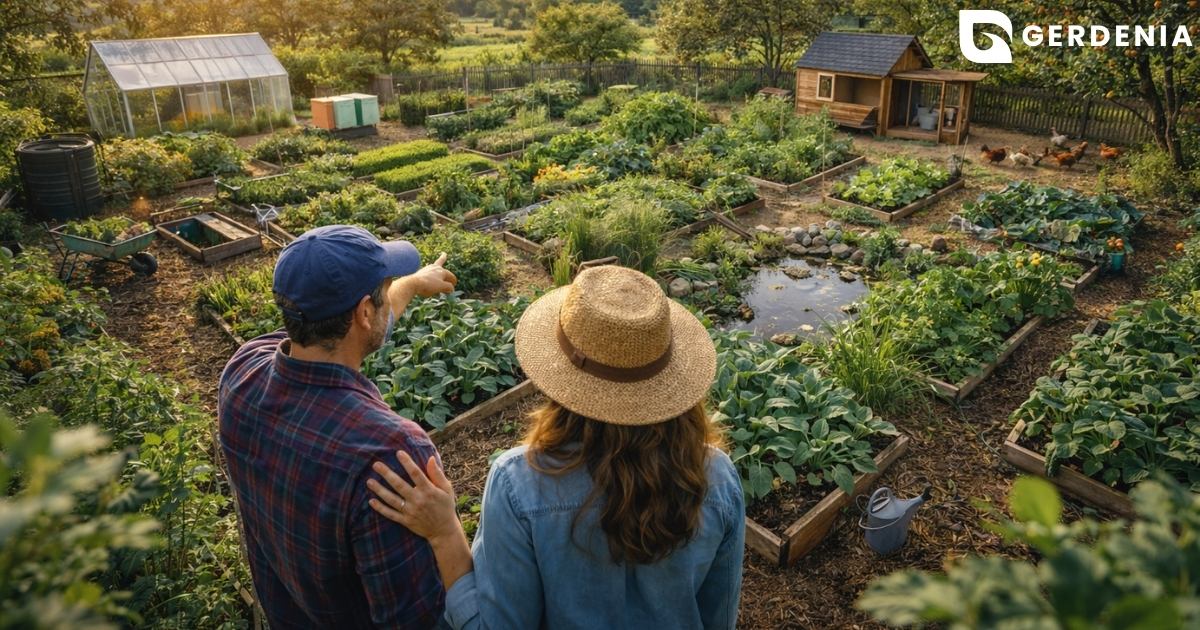
Creating a well-structured layout for your flower bed ensures that it remains visually appealing throughout the seasons. Consider the following tips to design an effective layout:
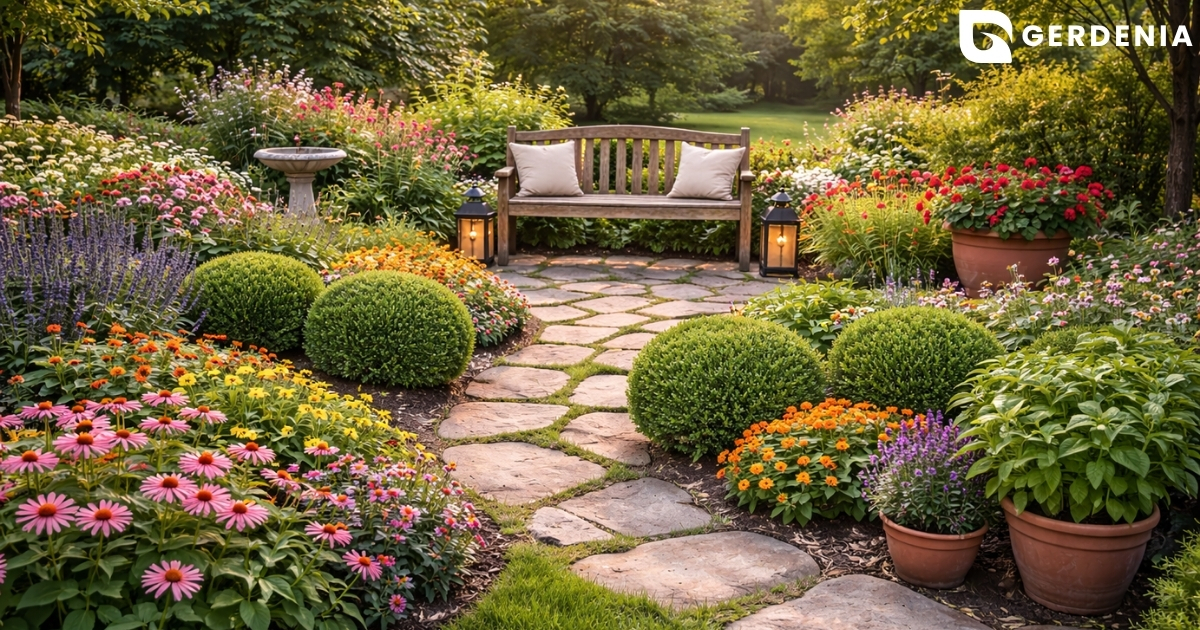
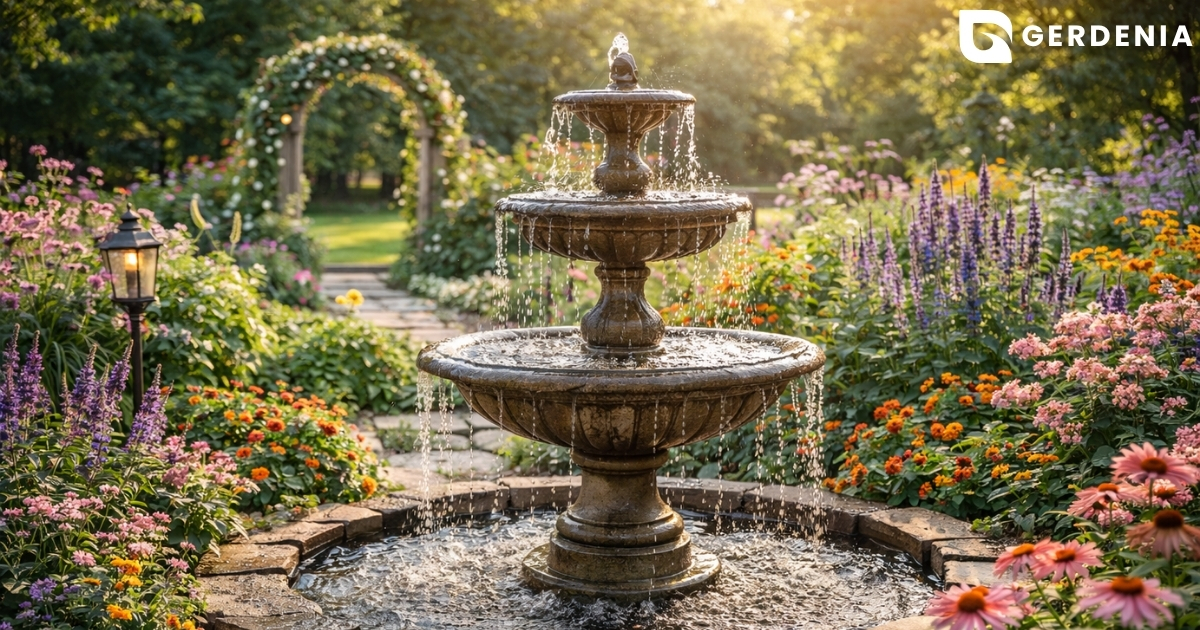
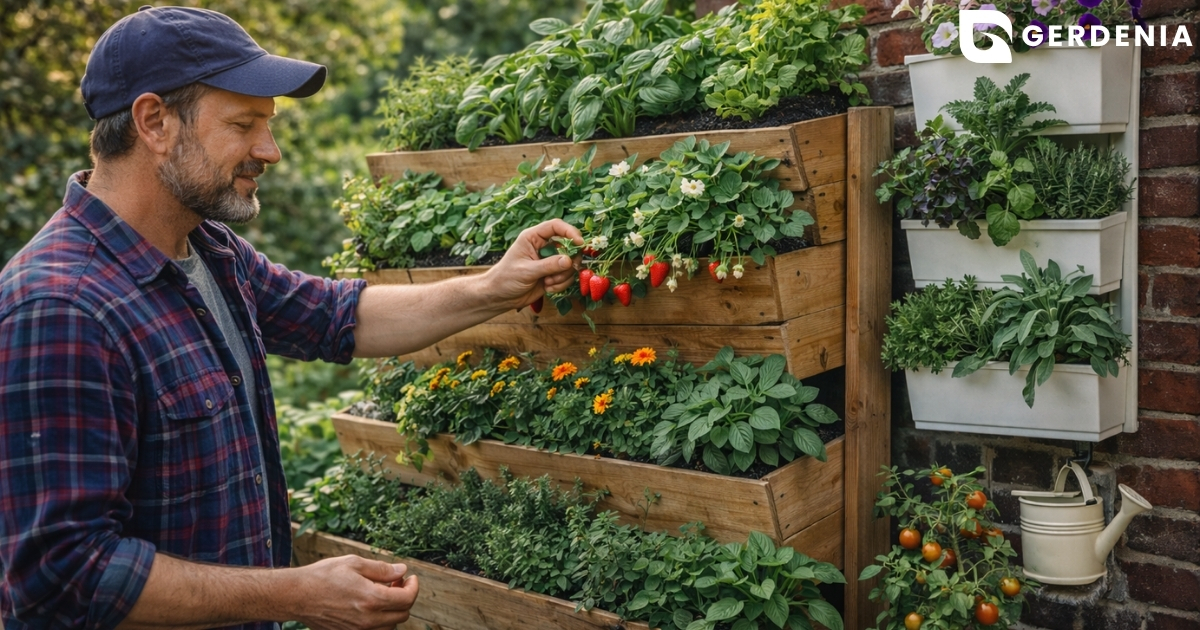
Incorporate focal points, such as a striking plant or garden ornament, to draw attention and add interest. Additionally, arrange plants in layers, with taller plants at the back and shorter ones at the front, to create depth and dimension. Focal points can be anything from a unique sculpture to a particularly eye-catching plant, and they help guide the viewer’s gaze through the garden. Layering not only enhances visual interest but also maximizes space, allowing more plants to thrive in a given area.
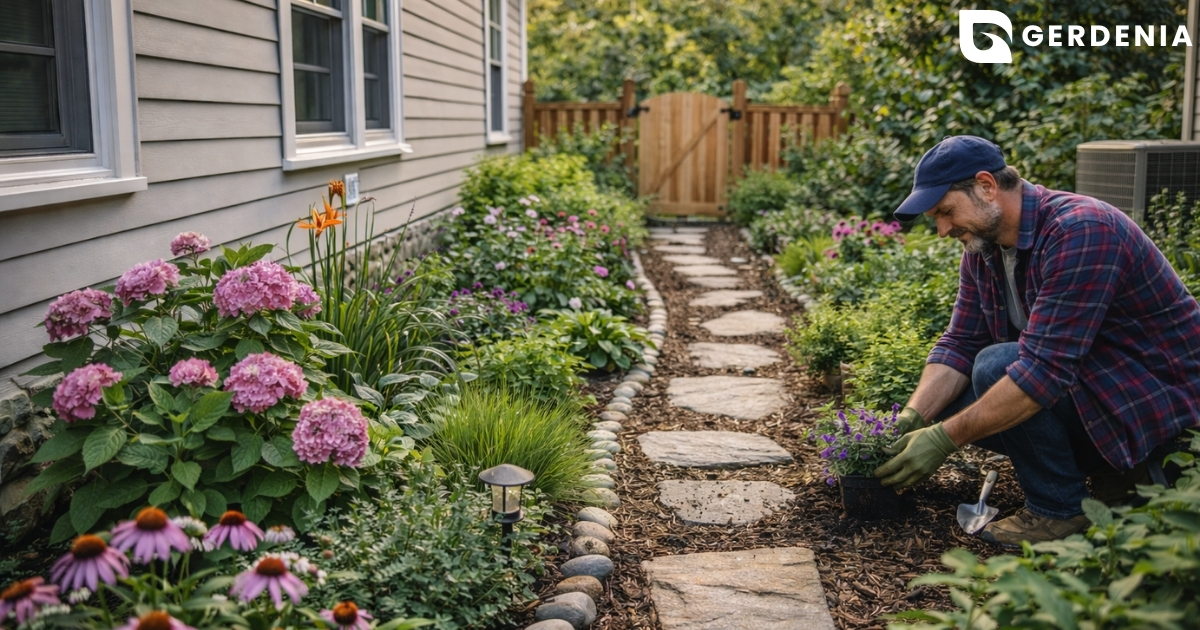
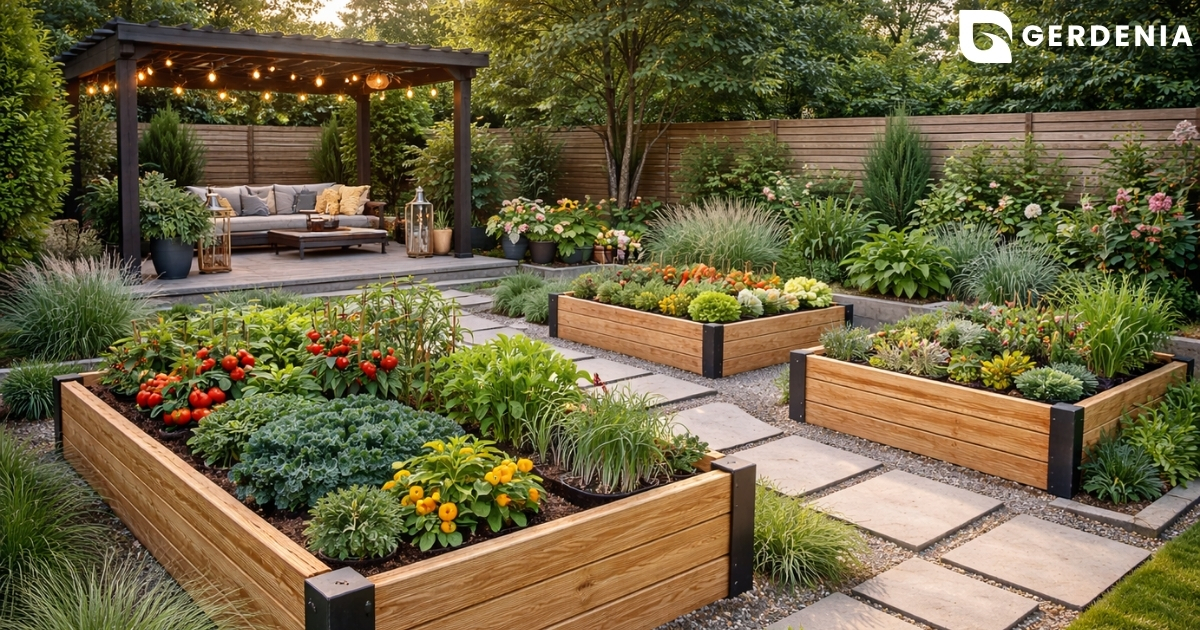
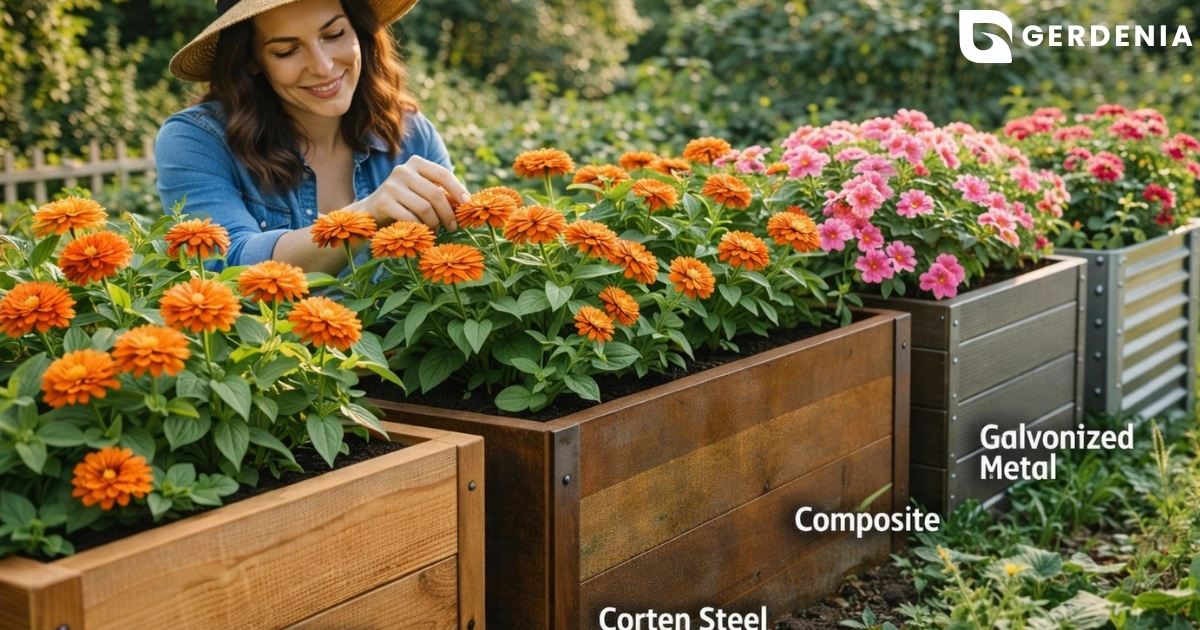
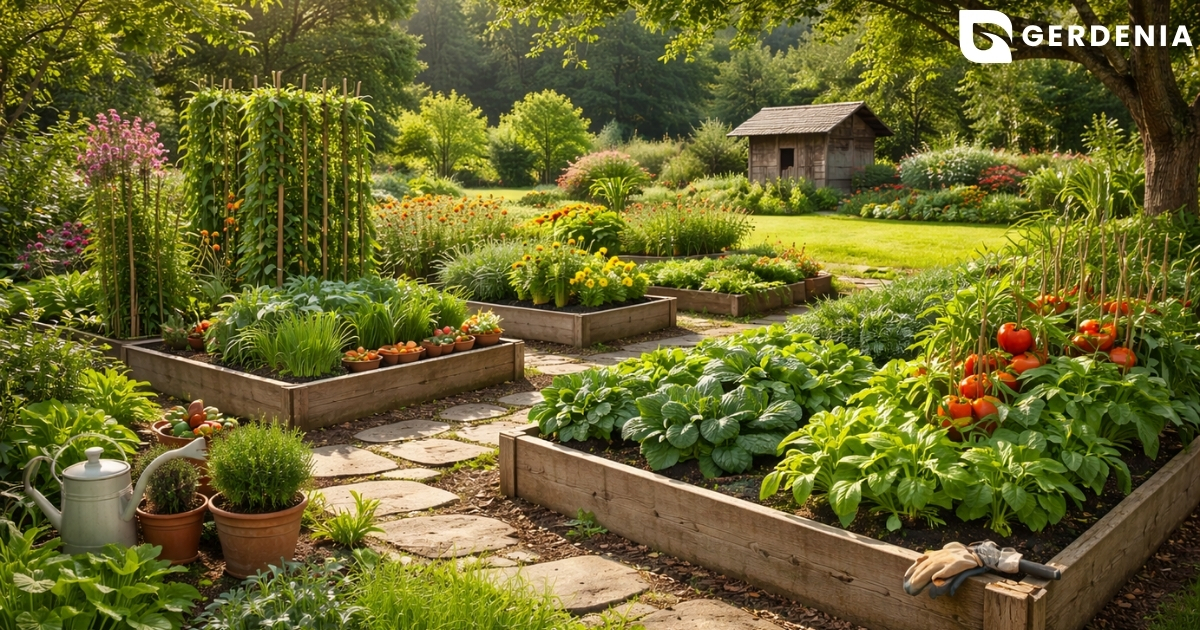
Pathways not only provide access to different areas of the garden but also add structure and definition. Use materials like gravel, stepping stones, or mulch to create paths that complement the overall design. Consider the width of the pathways to ensure they are functional and accessible. Borders, whether made from brick, stone, or metal edging, provide a neat finish and help contain the plants within the flower bed. They also prevent grass and weeds from encroaching into the garden space, maintaining a tidy appearance.
Designing with the seasons in mind ensures that your flower bed remains attractive year-round. Choose a variety of plants that bloom at different times, ensuring continuous color and interest. Incorporate evergreen plants for winter structure and consider the use of bulbs for early spring blooms. Plan for seasonal maintenance tasks, such as mulching in fall or pruning in spring, to keep your garden looking its best as the seasons change.
Maintaining a beautiful flower bed requires regular care and attention. Implementing effective maintenance strategies ensures that your garden remains healthy and vibrant throughout the year.
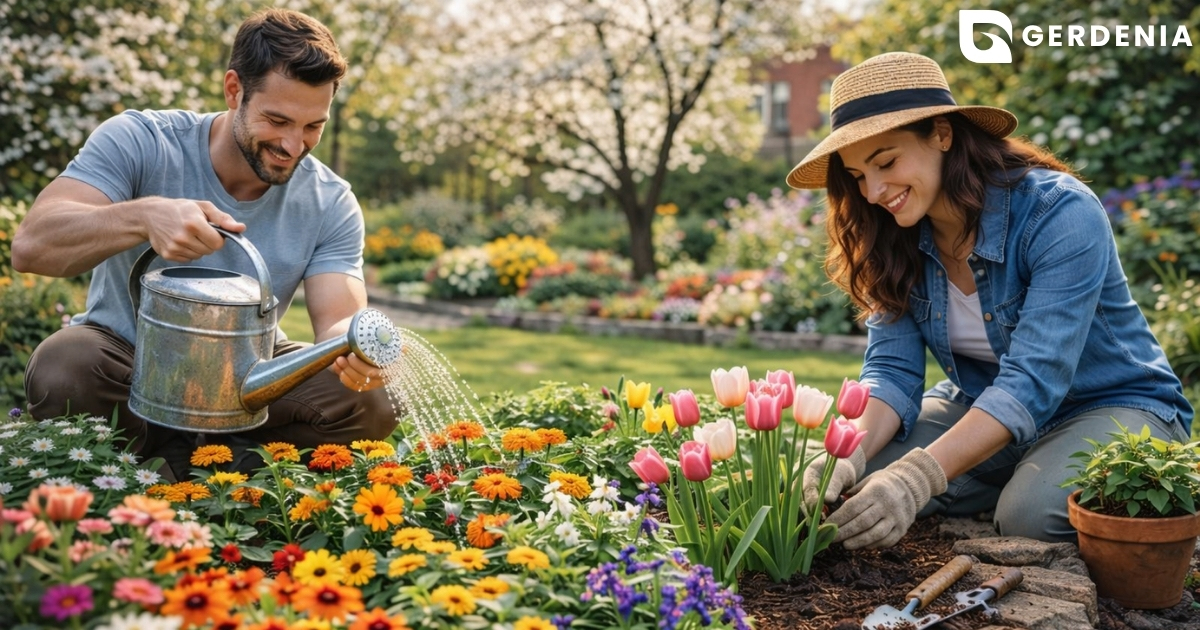
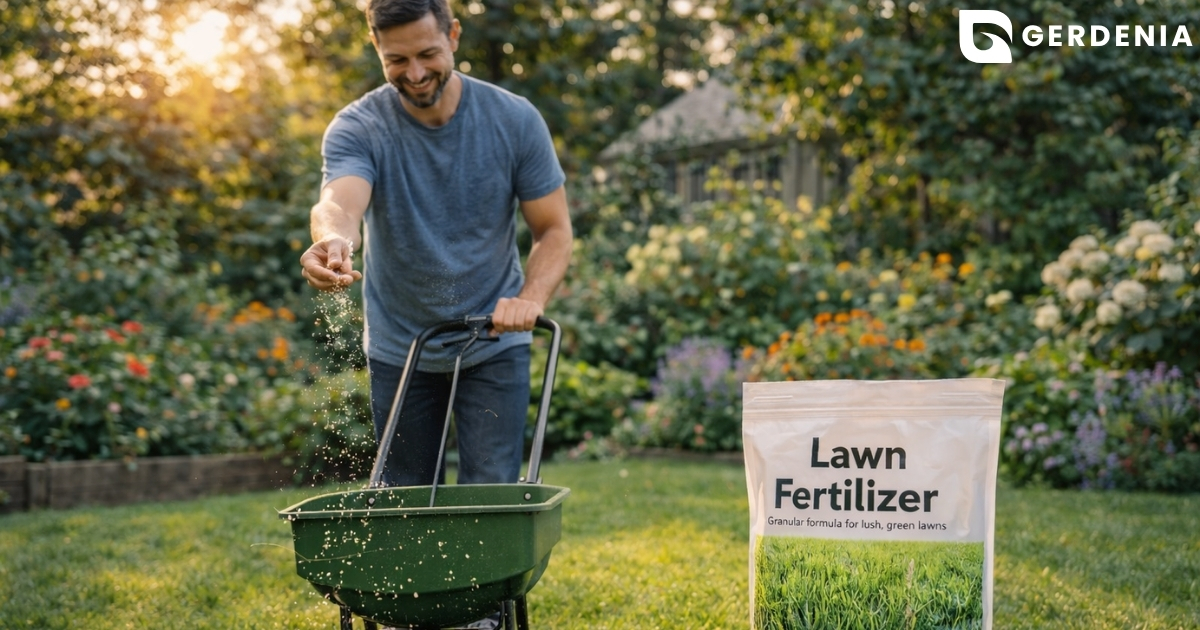
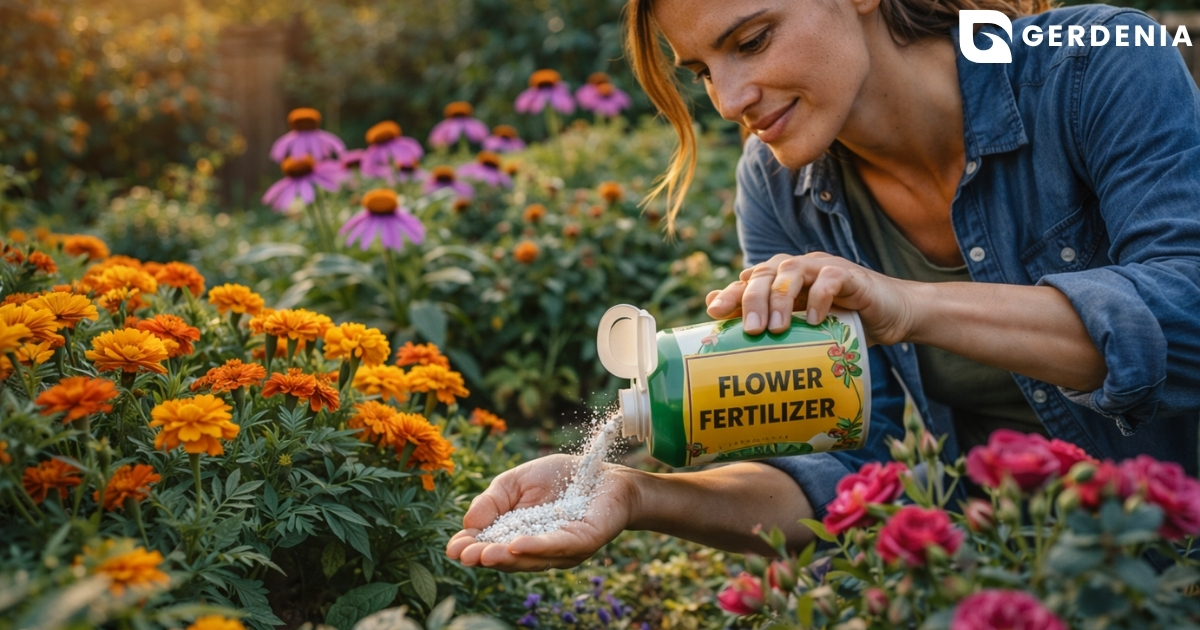
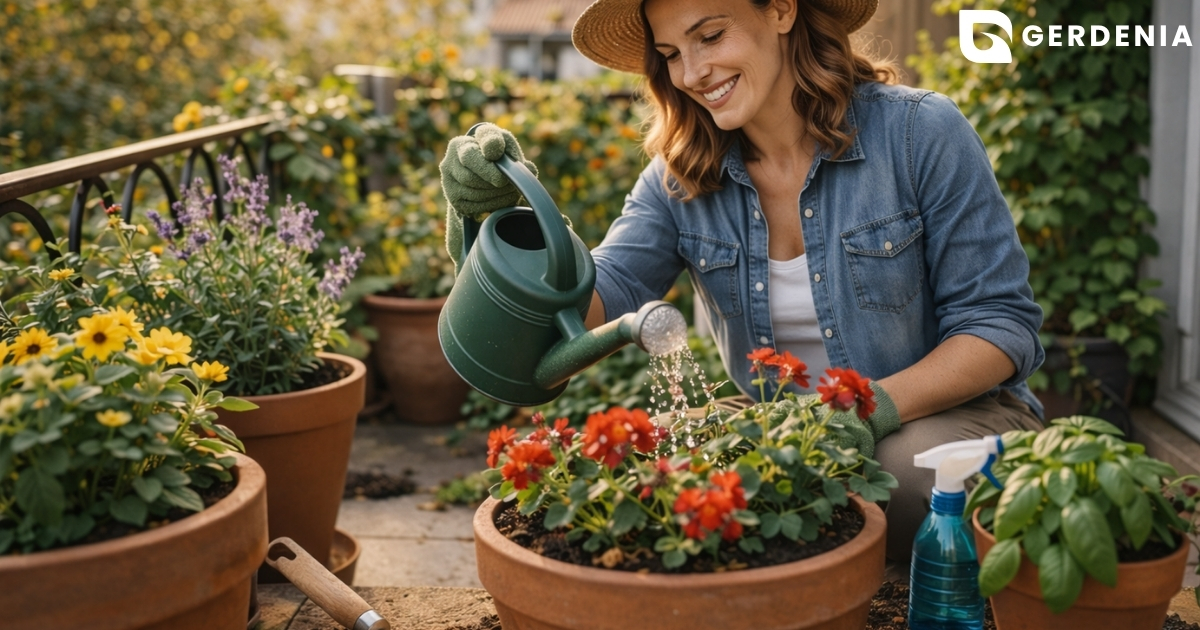
Proper watering is essential for plant health. Water deeply but infrequently to encourage deep root growth. This method helps plants become more drought-tolerant over time. Adjust your watering schedule based on weather conditions and plant needs. Fertilize your plants with a balanced, slow-release fertilizer to provide essential nutrients, following the manufacturer’s instructions for application rates. Consider organic fertilizers, which can improve soil health and support beneficial organisms.
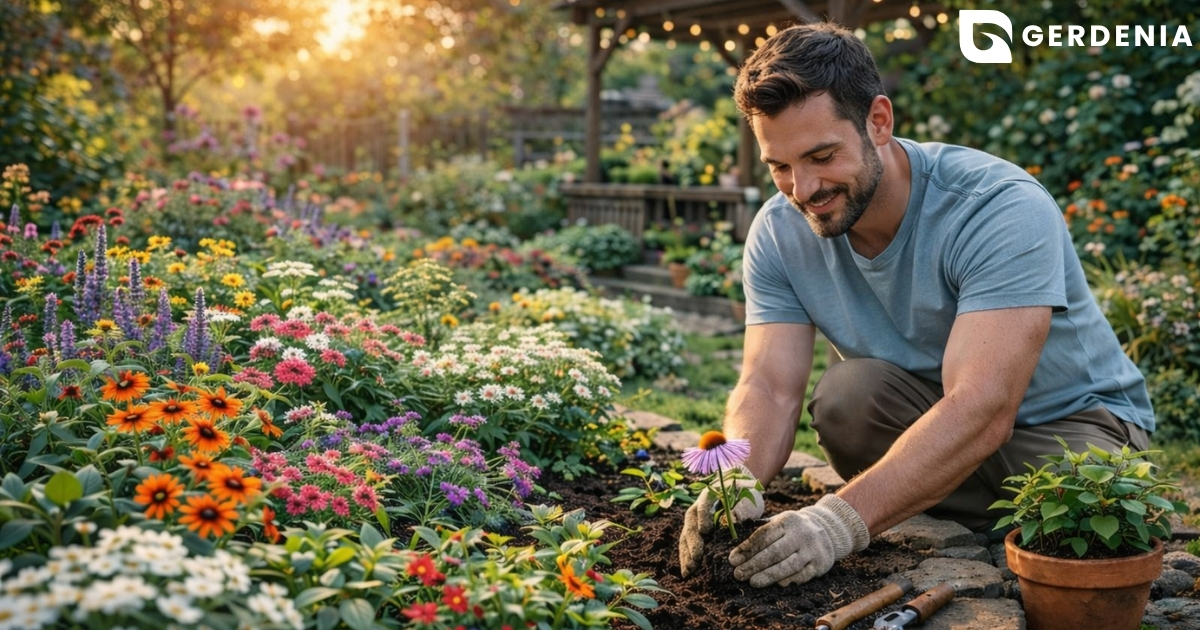
Regular pruning helps maintain plant shape and encourages new growth. Prune at the right time for each plant species to avoid removing flower buds or causing stress. Deadheading, or removing spent flowers, prevents plants from setting seed and promotes continued blooming. Both practices are crucial for sustaining the vitality of your flower bed. These tasks also help prevent disease by increasing air circulation and removing potential breeding grounds for pests.
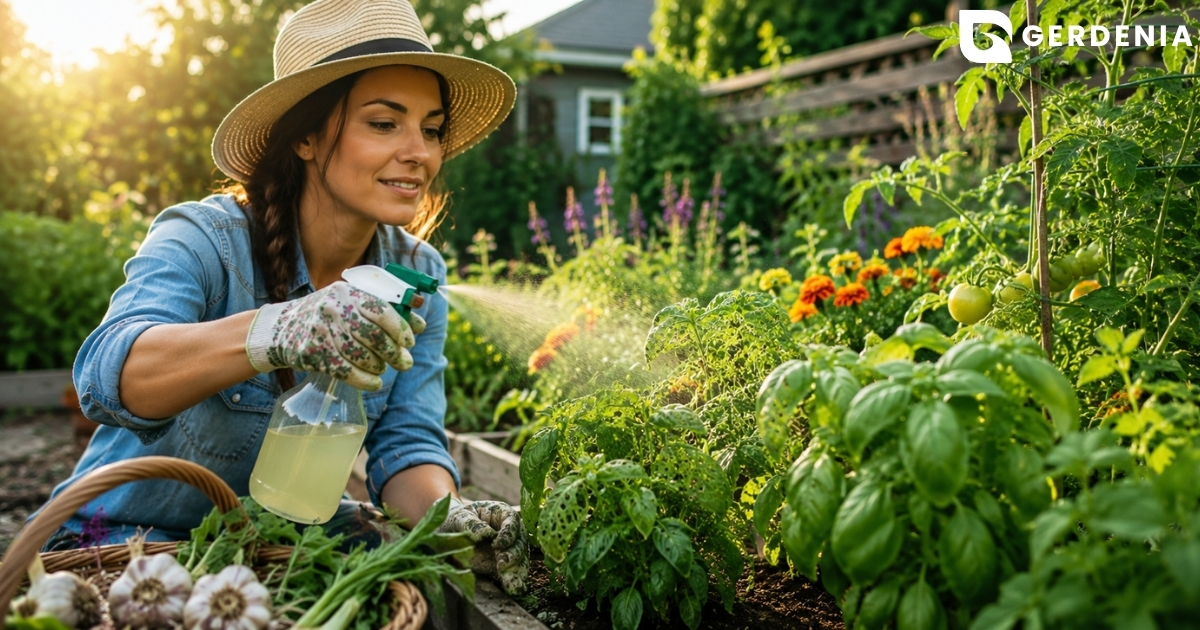
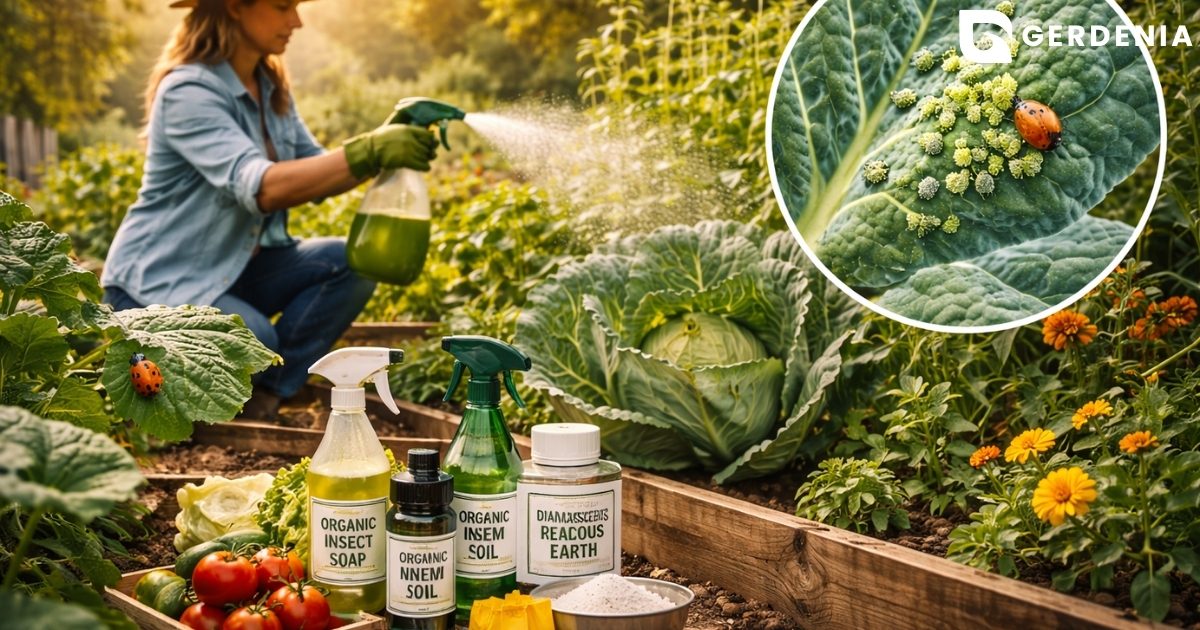
Monitor your plants for signs of pests and diseases, and take action promptly to prevent widespread damage. Organic solutions, such as neem oil or insecticidal soap, are effective for controlling many common garden pests. Additionally, practicing crop rotation and maintaining plant diversity can reduce the risk of disease. Encourage beneficial insects, such as ladybugs and lacewings, to naturally manage pest populations. Regularly inspect plants for early signs of trouble, and address issues before they escalate.
To spark your creativity, consider these inspiring flower bed ideas that showcase the beauty of landscape flower gardens:
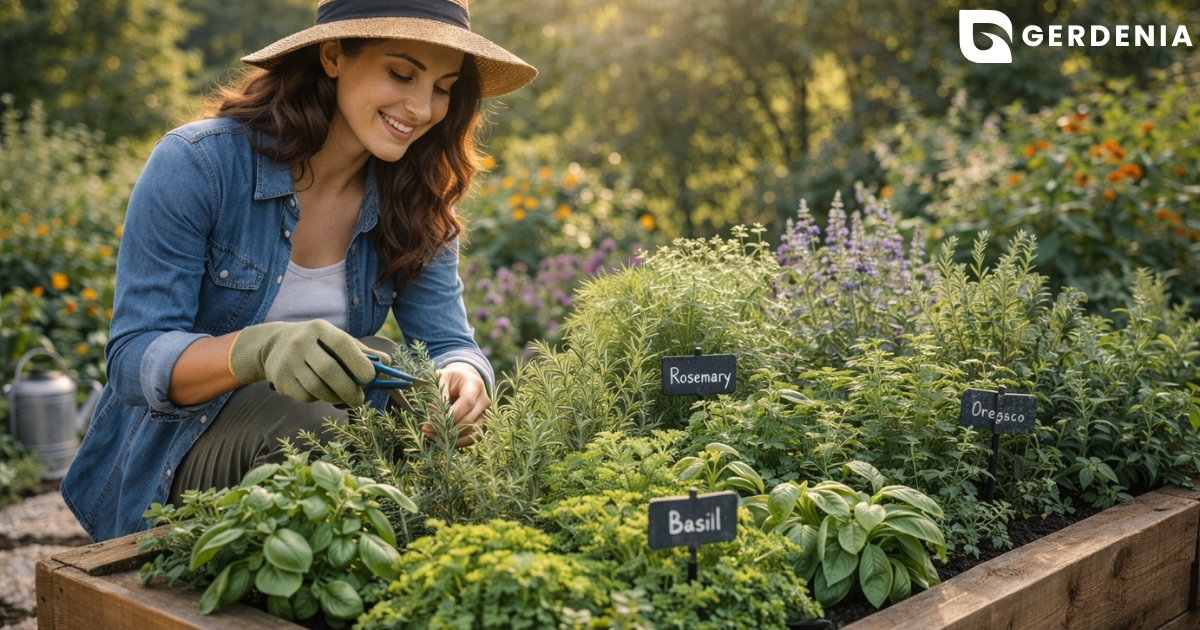
A cottage garden exudes rustic charm with its informal arrangement and diverse plant selection. Combine perennials, annuals, and herbs for a lush, colorful display. Add climbing roses or clematis to trellises for vertical interest. Incorporate winding paths and quaint garden ornaments to enhance the nostalgic feel. Embrace a mix of heights, colors, and textures to achieve a natural and inviting ambiance.
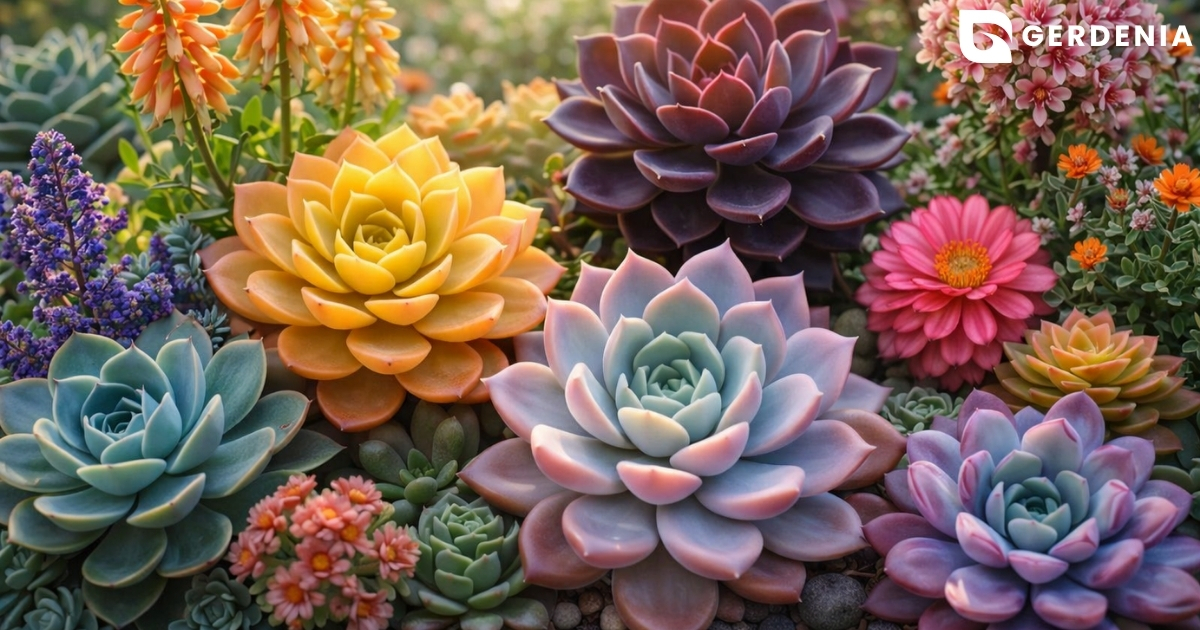
For a contemporary look, opt for a minimalist design with clean lines and a limited color palette. Use ornamental grasses, succulents, and architectural plants like agave to create a sleek and sophisticated flower bed. Focus on form and structure, using repetition and symmetry to reinforce the minimalist aesthetic. Choose a few statement plants and let their sculptural qualities shine.
Design a flower bed that offers year-round interest by including a mix of plants that bloom in different seasons. Early-blooming bulbs like daffodils and crocuses herald the arrival of spring, while late-summer perennials like asters and sedums provide color into fall. Consider adding winter interest with plants that have colorful bark or berries. Incorporate a variety of textures and forms to create a dynamic and engaging landscape throughout the year.
In conclusion, creating stunning flower beds in your backyard involves a thoughtful approach to design, plant selection, and maintenance. By understanding the principles of flower bed design and implementing effective care strategies, you can enjoy a beautiful and thriving garden that enhances your outdoor living space. With the right planning and creativity, your backyard can become a captivating landscape filled with the beauty of nature.