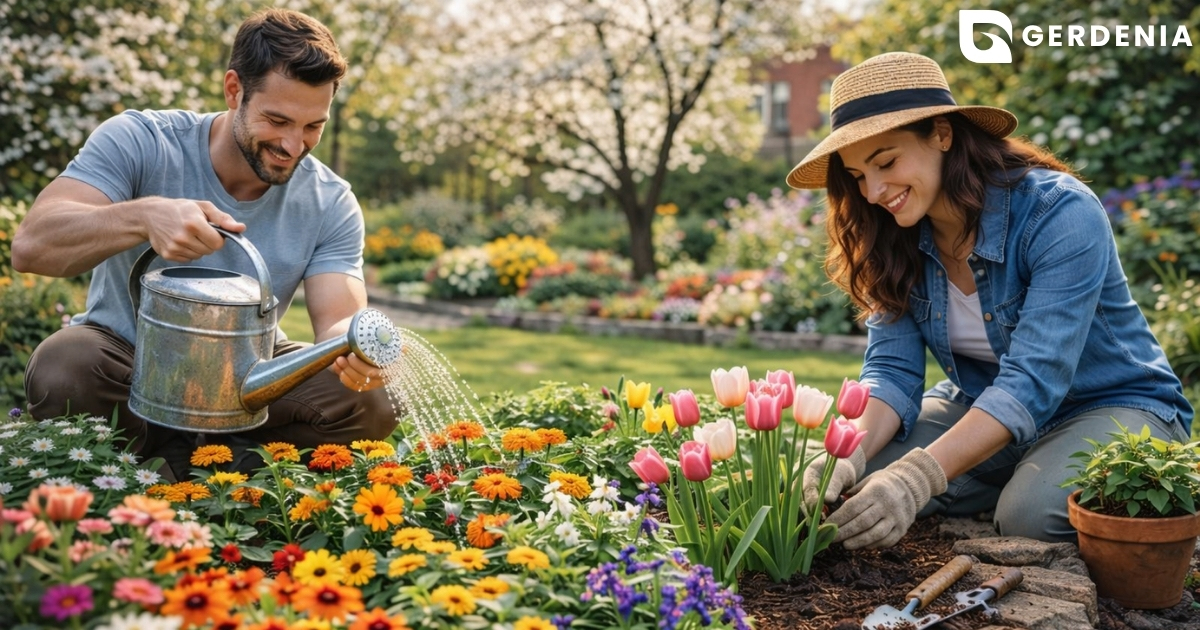
Imagine stepping outside to a vibrant wave of salvia and the sweet scent of fresh alyssum greeting you each morning. That sensory burst is the magic of a bedding garden, offering an immediate visual return on investment that transforms a dull lawn into a neighborhood showpiece. Industry data reveals that boosting your curb appeal with fresh landscaping is one of the fastest ways to increase a home’s emotional and financial value.
You might look at an empty dirt patch and worry that a “black thumb” will doom your efforts before they begin. Fortunately, executing beautiful flower bed ideas front of house doesn’t require botanical expertise. Consider a bedding garden—a concentrated display of plants meant to be viewed as a single aesthetic feature—like an outside furniture arrangement. You are simply grouping living, colorful pieces together to build an inviting outdoor room.
Conquering planting anxiety is completely doable with a clear plan. By evaluating your yard’s sunlight to pick the best spot, designing a foolproof layout, and mastering basic watering tricks, you set the foundation for lasting success.

Sun vs. Shade: How to Read Your Yard Before You Buy
Choosing a location based on looks alone is a common mistake when brainstorming gardening bed ideas. Instead, take a single day to watch how the sun moves across your property. You might find patches of blazing sun, or discover areas getting “dappled light”—that gentle, flickering sunlight filtering through larger tree branches.
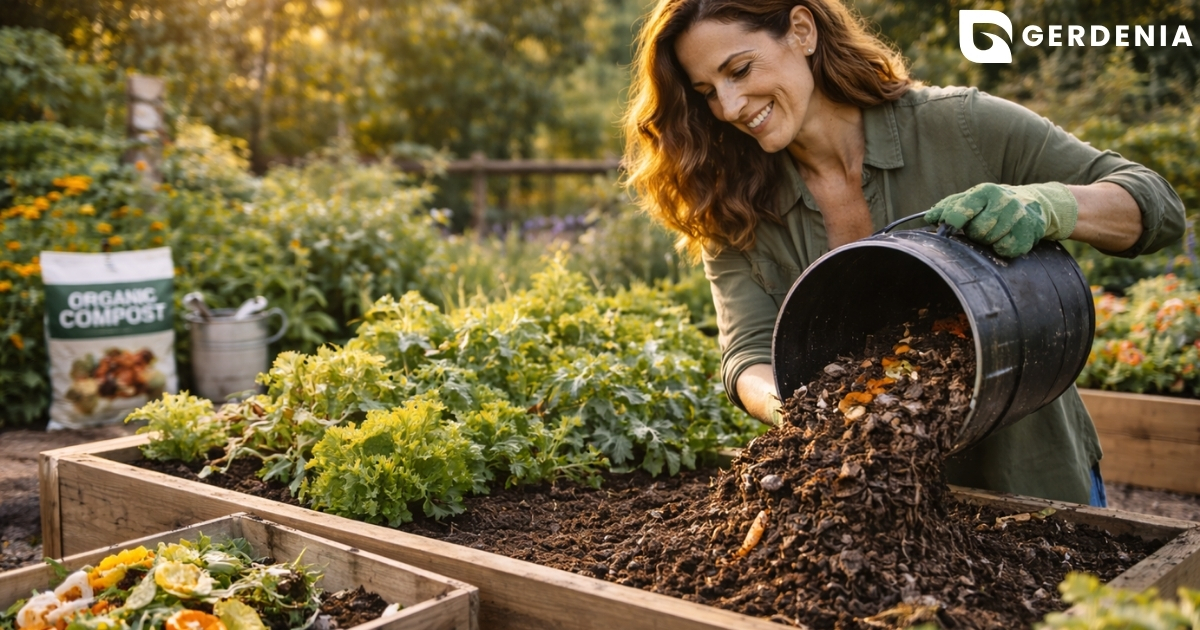
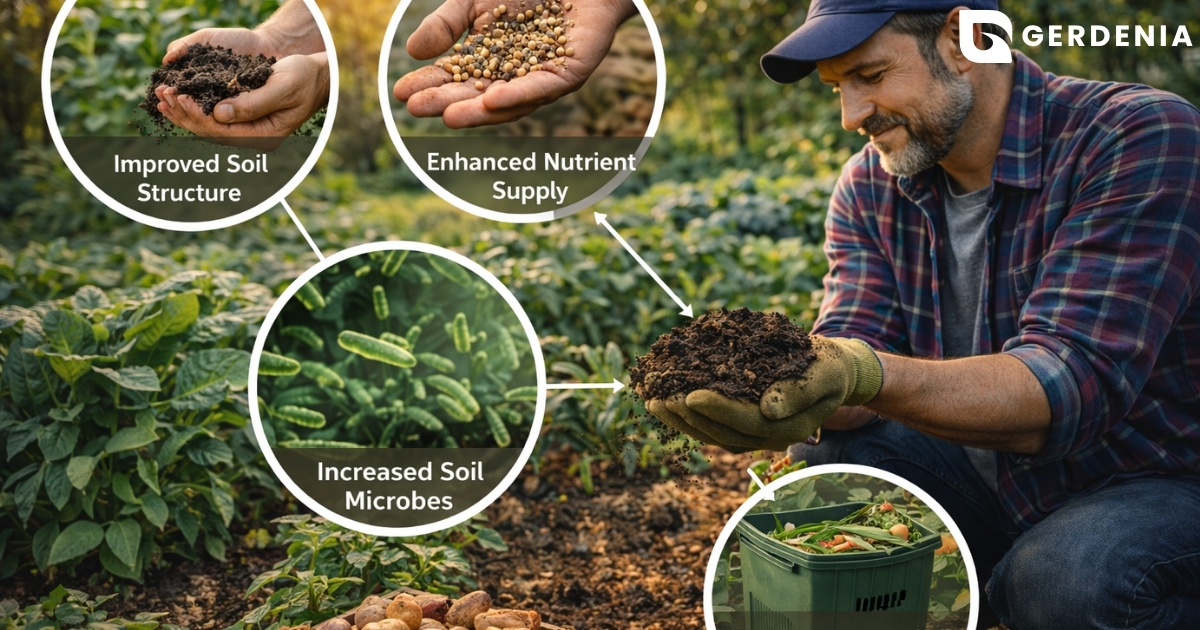
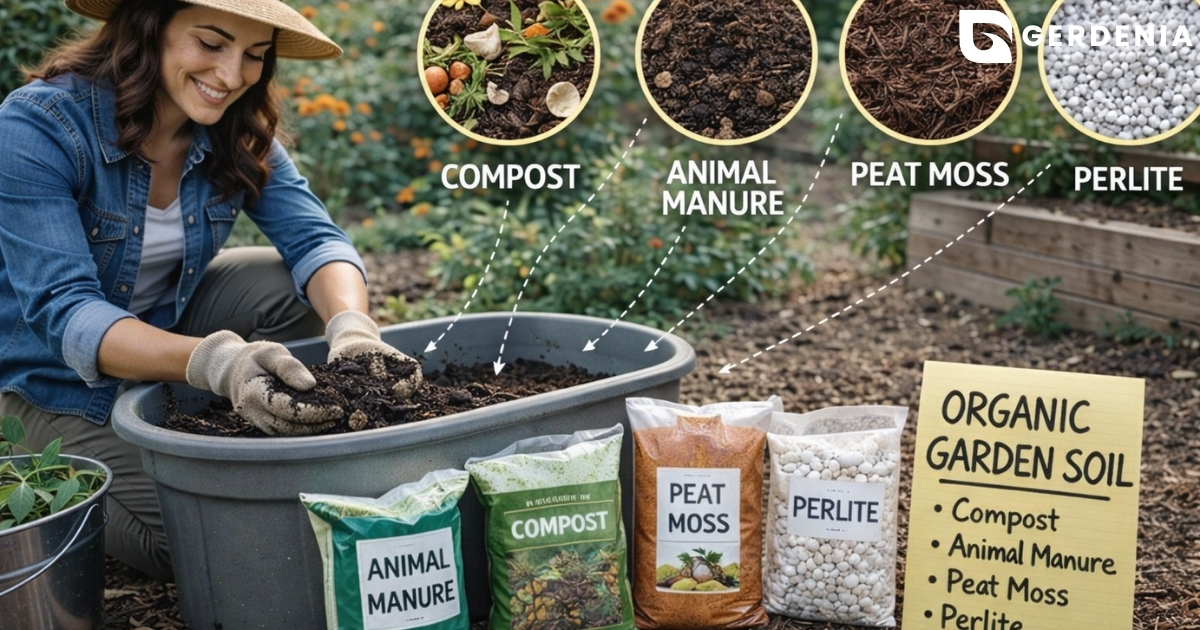
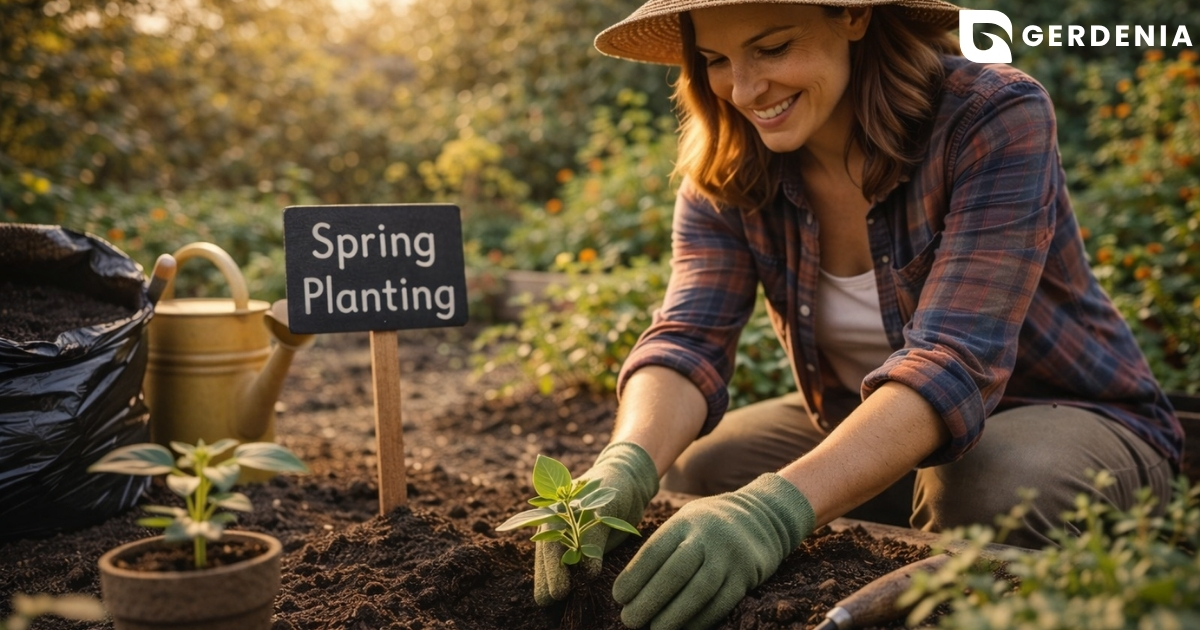
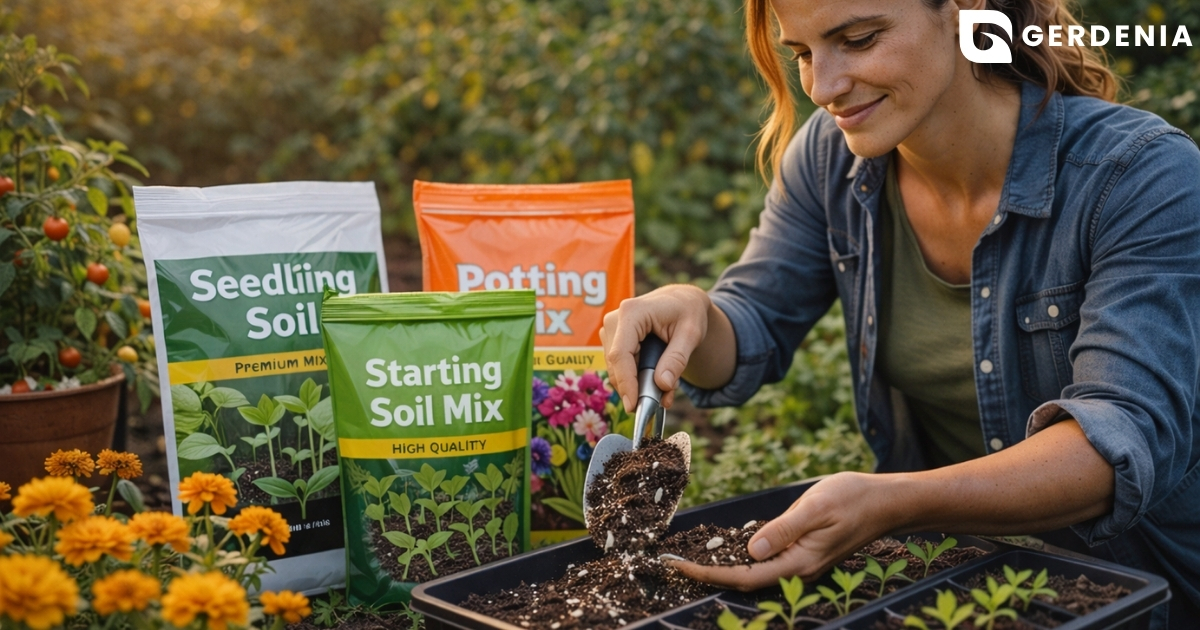
Below ground, moisture matters just as much as sunshine. Preparing soil for new flower beds comes down to the “Sponge Analogy.” Your dirt should feel exactly like a wrung-out kitchen sponge: moist but never dripping. If water pools on top like a puddle on a sidewalk, simply mix in some compost to improve your drainage.
Armed with this knowledge, you can finally select plants based on their needs rather than just pretty packaging. Those damp, darker areas are suddenly perfect for shade-loving plants for north-facing borders, like leafy Hostas. Once you have matched flowers to their ideal environment, balancing their lifespan ensures reliable year-round color.
The Roommate Rule: Mixing Annuals and Perennials for Year-Round Color
Figuring out what to put in flower beds often comes down to balancing your budget with your energy level. Consider annuals as your summer flings: they deliver non-stop, vibrant blossoms for one single season, but must be replaced yearly. Perennials, on the other hand, are your long-term roommates. They cost a bit more upfront, but they faithfully return every spring, forming the reliable backbone of your yard.
Relying entirely on one plant type leaves you either constantly replanting or facing a garden that lacks punch during peak summer. The best flower garden ideas in front of house use perennials so your yard doesn’t go completely “bald” in winter, while using annuals to bridge the gap with flashy, temporary blooms.
Quick Comparison:
- Popular Annuals (One-and-Done): Marigolds, Petunias, and Sweet Alyssum
- Popular Perennials (Long-Term): Hostas, Coneflowers, and Black-eyed Susans
Blending annuals and perennials for seasonal color creates a dynamic display that practically manages itself while keeping costs down over time. With the right mix of returning and temporary residents selected, arranging them beautifully relies on a proven design blueprint.
The ‘Thriller, Filler, Spiller’ Design Blueprint

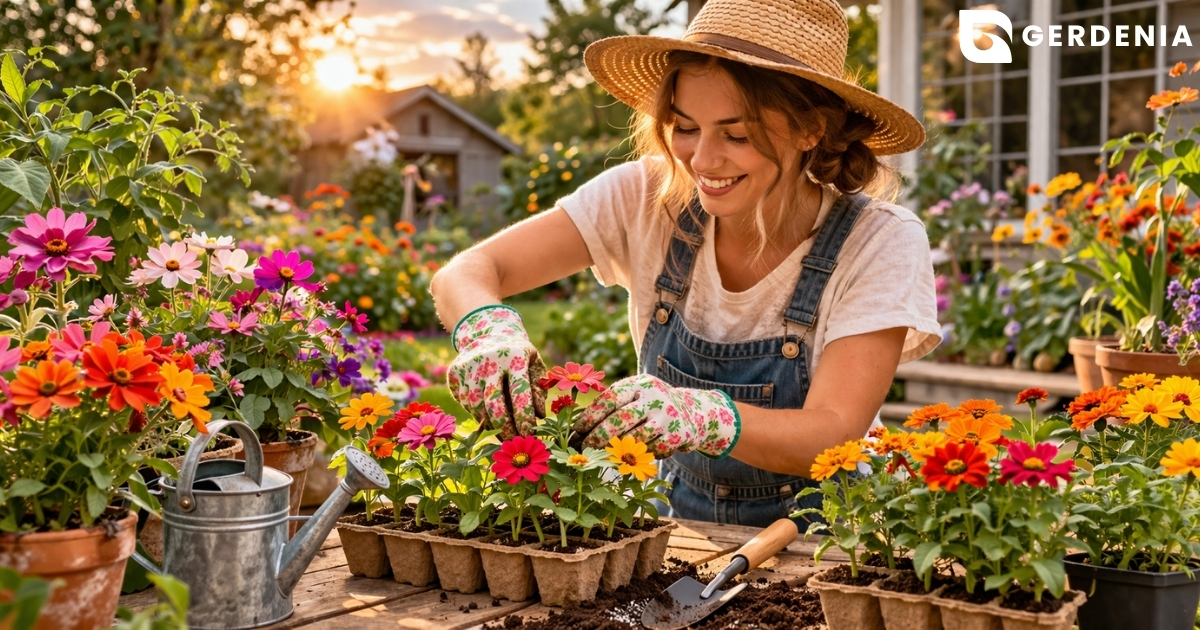
Staring at freshly purchased potted plants from the hardware store can leave you wondering how to arrange them without looking messy. Taking the guesswork out of garden bed design is incredibly easy when you borrow a favorite trick from professional landscapers: the Thriller, Filler, Spiller formula. This simple three-part strategy ensures your yard looks purposely styled rather than randomly planted, working beautifully whether you are planting a tiny window box or an entire front border.
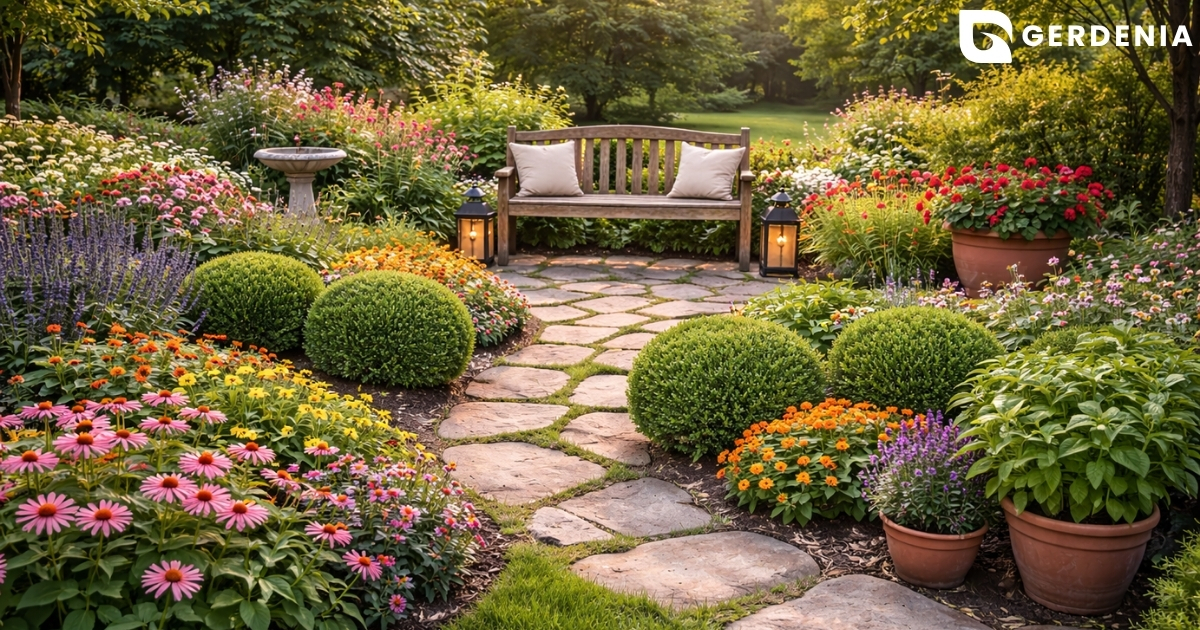
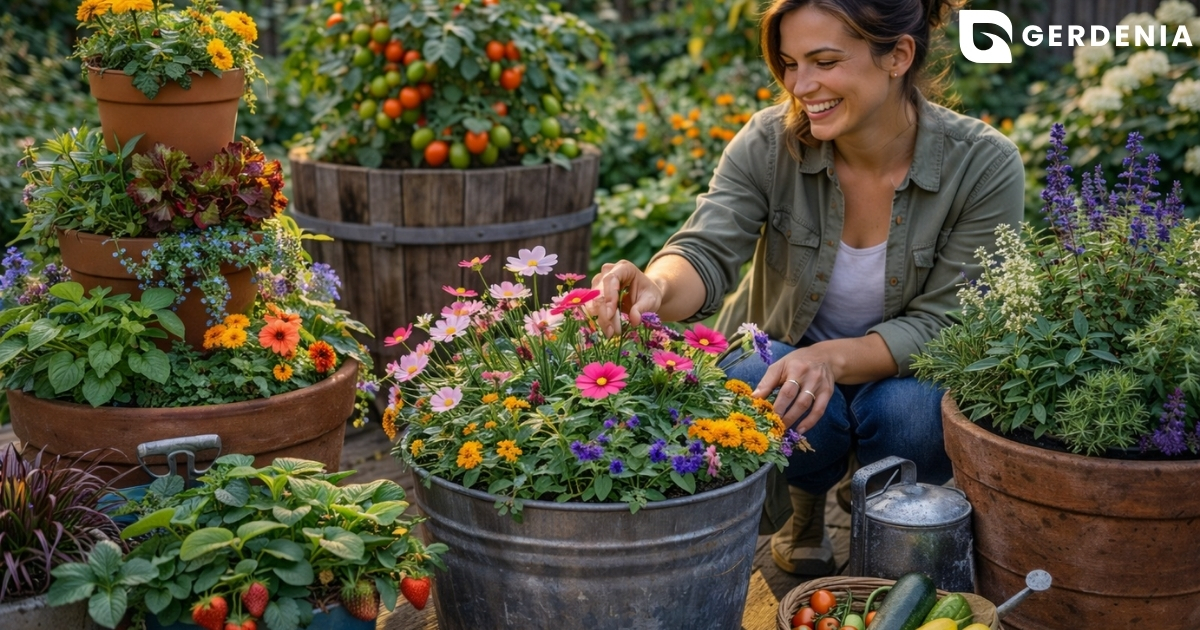
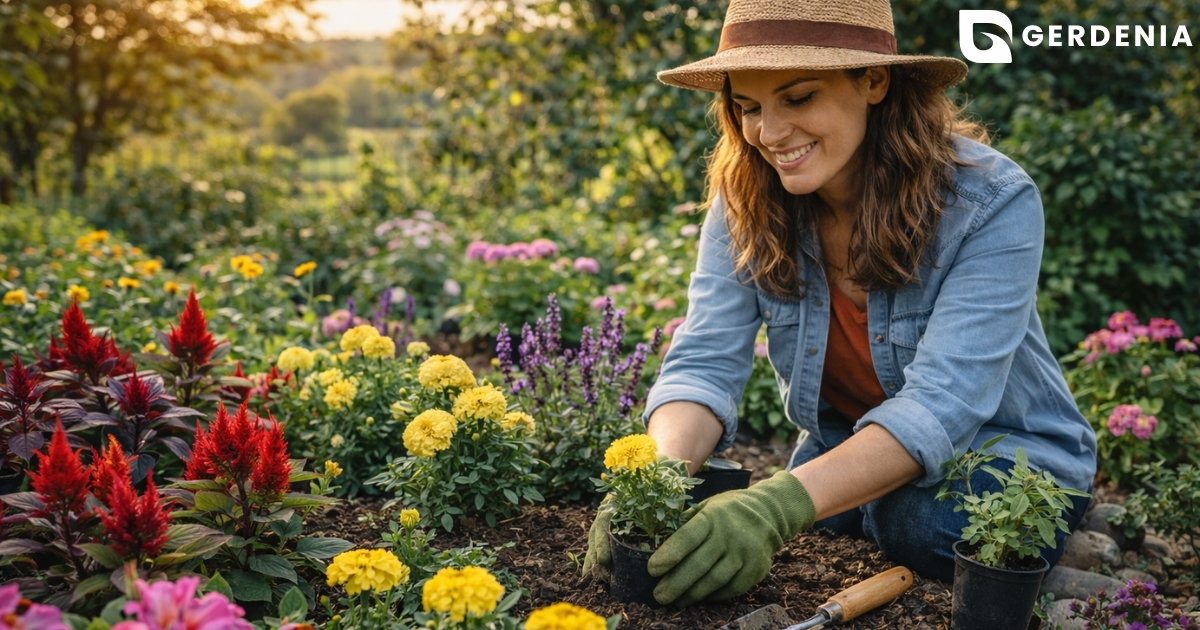
Every great layout starts with a “Thriller,” the show-stopping centerpiece providing striking height and dramatic structure. Picture tall, spiky Purple Fountain Grass standing proudly at the back or center of your space. Surrounding that star player are your “Fillers,” the reliable, mounding plants that add colorful volume and hide bare dirt. Medium-sized bloomers like bright pink Geraniums or leafy Hostas are perfect for simple flower bed designs, weaving the arrangement together into a solid visual mass.
The final touch that brings life to basic landscape bed ideas is the “Spiller,” those energetic trailing plants that soften the harsh edges of your borders. Low-growing beauties like Sweet Alyssum tumble gracefully toward the lawn, grounding the design and making it look permanently established. A perfectly balanced grouping easily scales across your entire property by layering plants for maximum front yard impact.
Curb Appeal Secrets: Layering Plants for Front Yard Impact
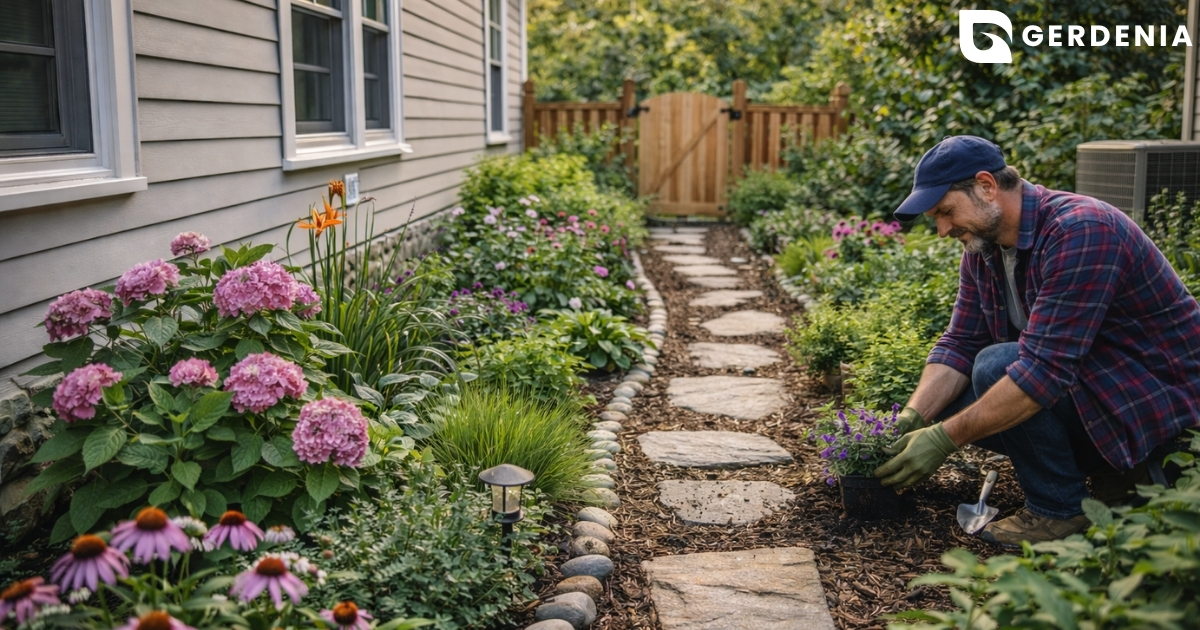
Scaling your container layout to the yard is simply a matter of size. The most effective flower bed designs for front of house use a “stadium seating” approach so every plant gets seen. Like at a sports arena, place tall shrubs at the back against the foundation, medium perennials in the middle, and short groundcovers in the front so nothing is hidden.
Nature rarely grows in perfect pairs, which is why grouping plants in odd numbers looks so visually satisfying. Planting three Hostas together creates a natural sweep of color instead of a rigid, unnatural row. This “rule of odds” is also a fantastic strategy for cheap flower bed ideas, as clustering several inexpensive small plants instantly mimics a lush, expensive professional landscape.
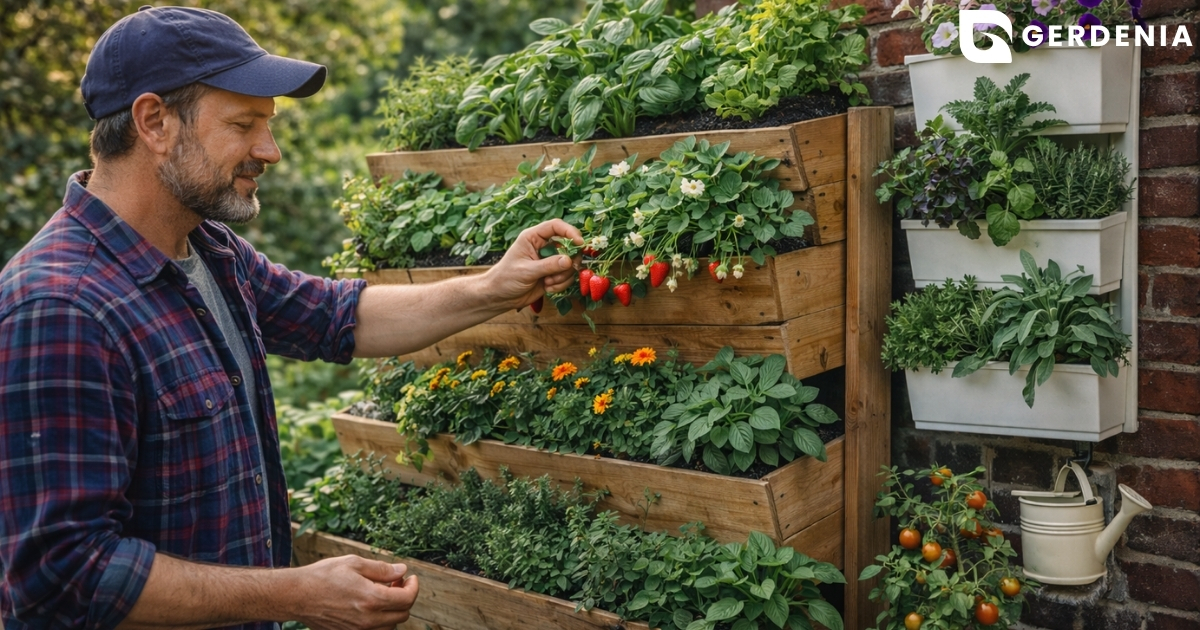
Framing this beautiful new arrangement requires a clear physical border to stop unruly lawn grass from creeping into your soil. Choosing between wood and stone garden edging materials ultimately depends on your home’s exterior; rustic timber suits charming cottage styles, while crisp stone blocks frame modern architecture perfectly. If ground-level borders aren’t an option, or you want to elevate your planting game, maximizing small spaces with raised beds offers a perfect alternative.
Maximize Small Spaces with Raised Bed Layouts

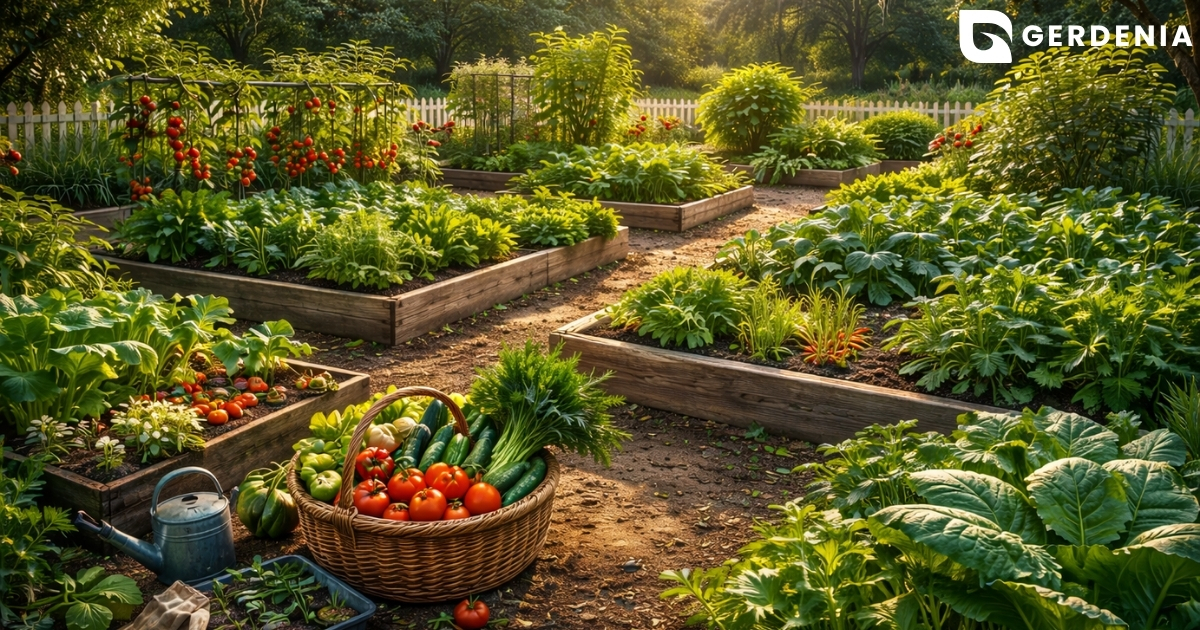
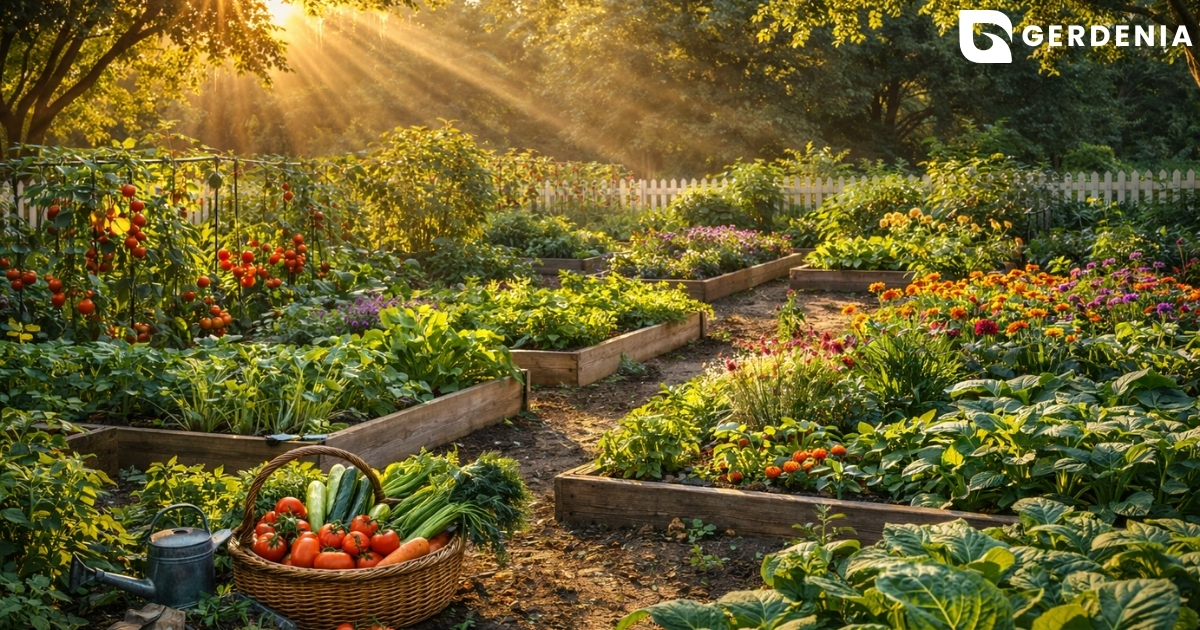
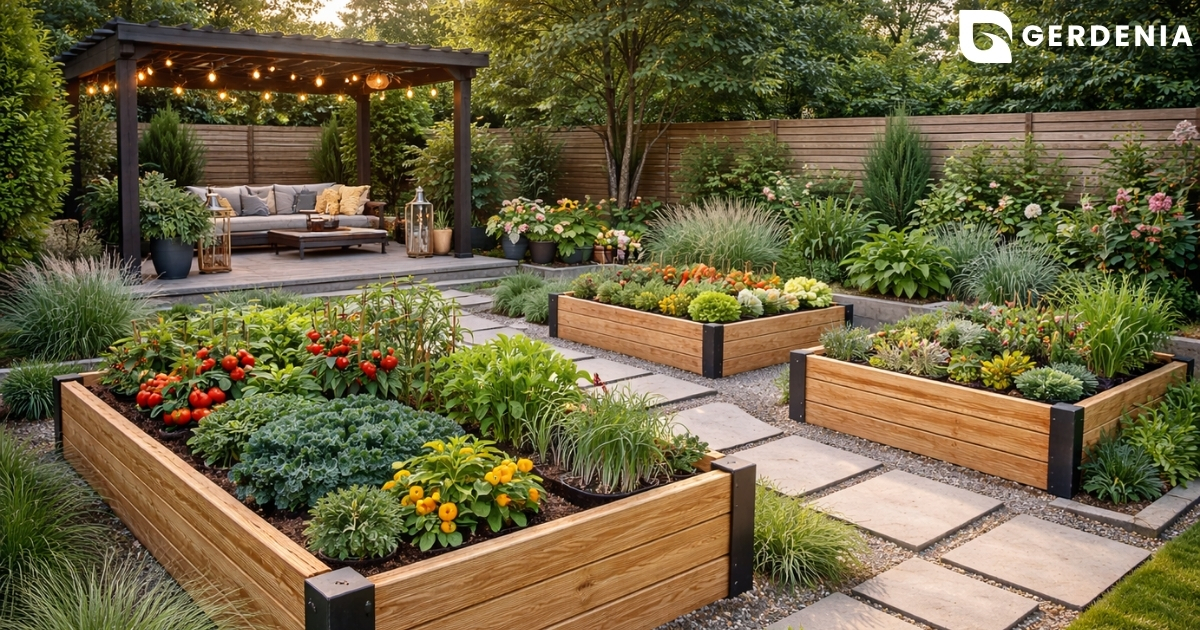
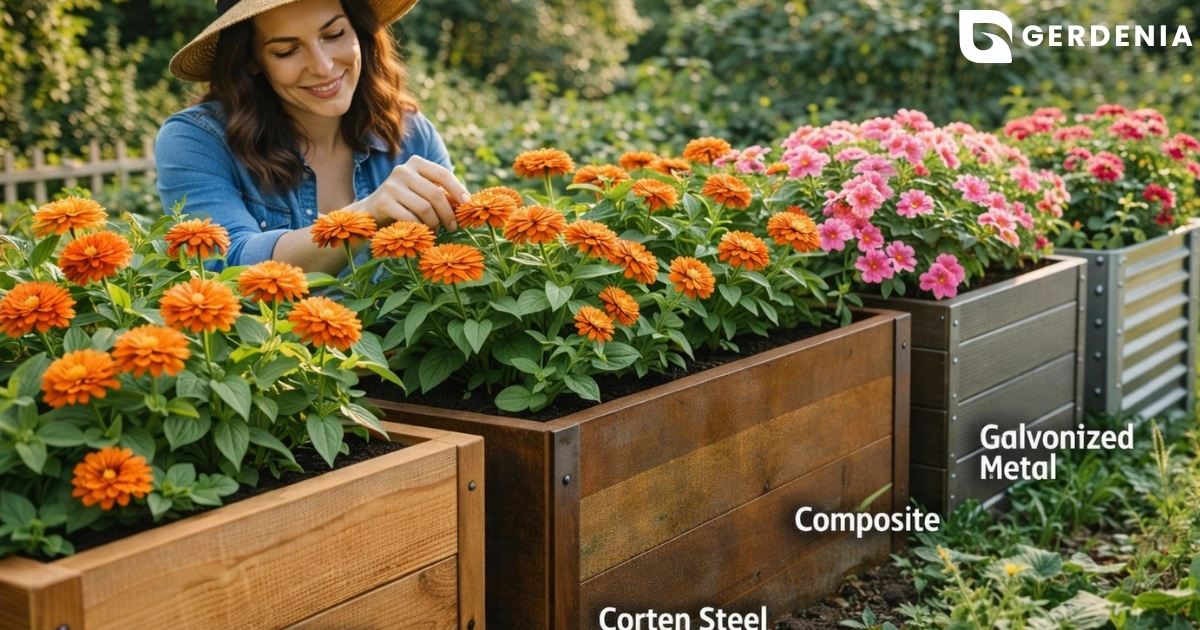
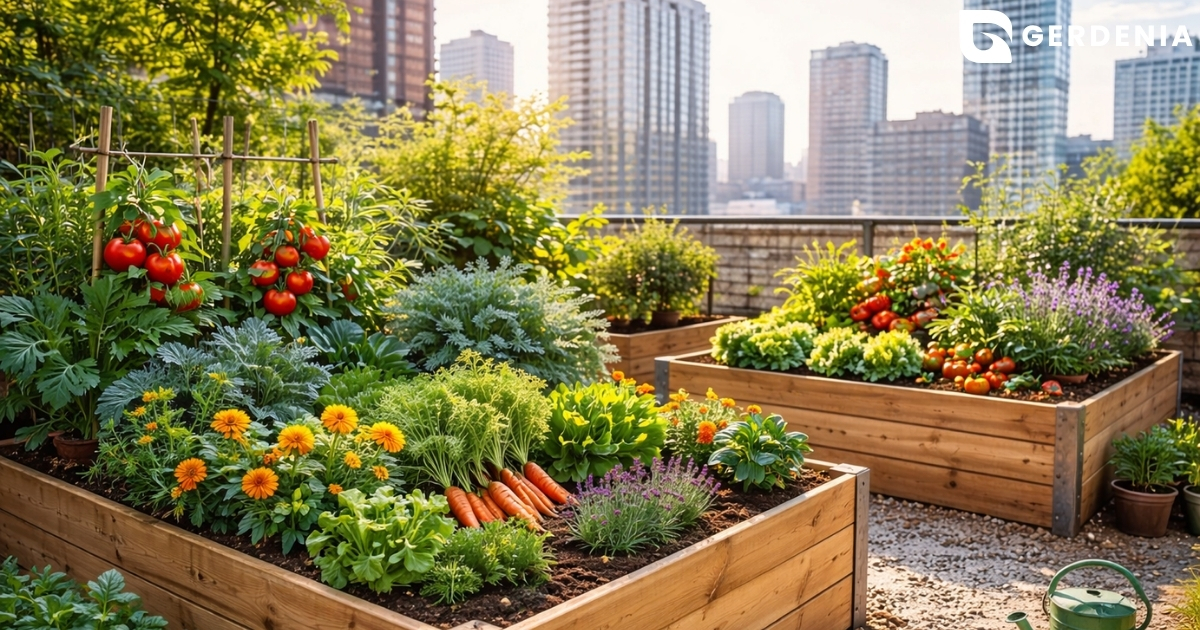
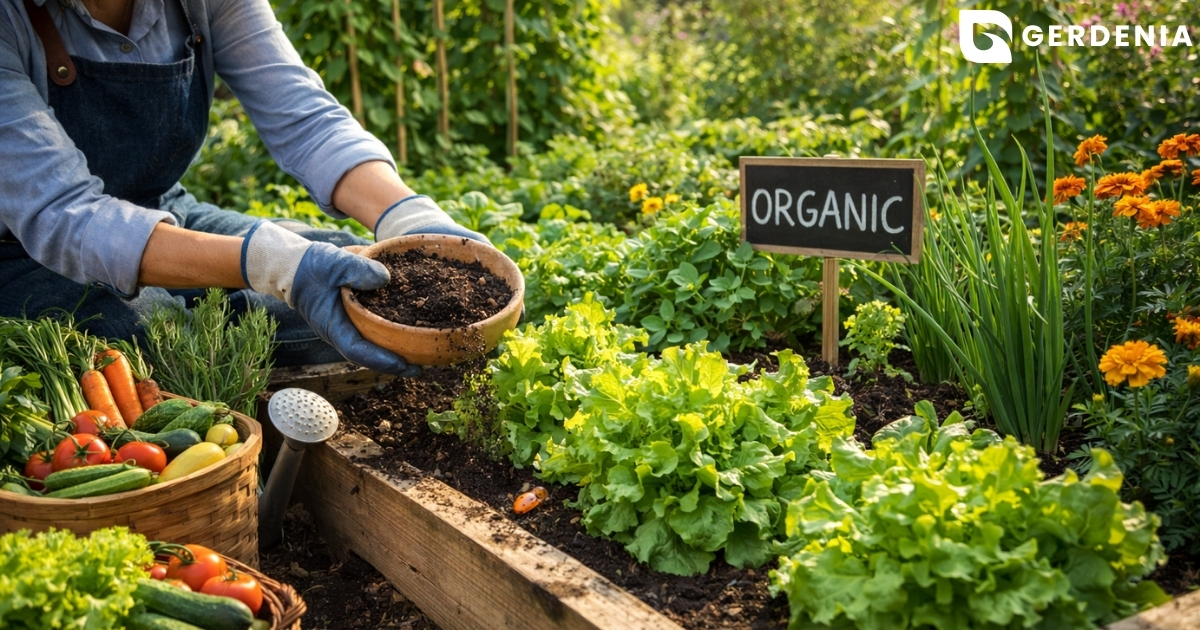
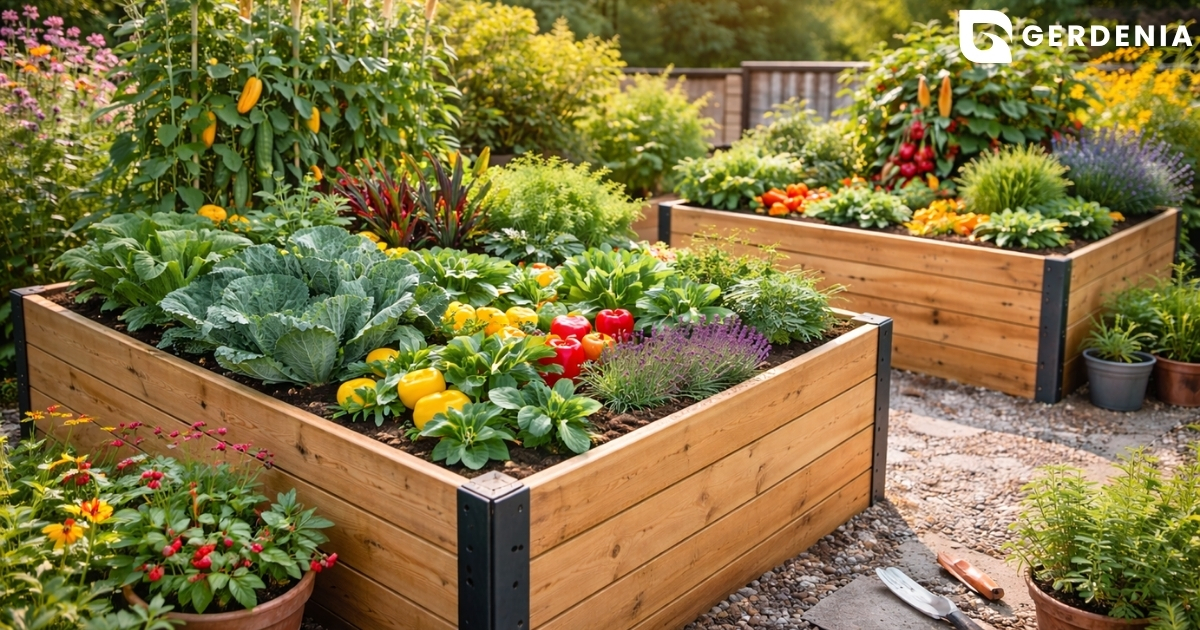
Tired of aching knees and rock-hard dirt? Exploring raised bed flower garden ideas is your backyard savior. Lifting your soil into a waist-high wooden frame means zero bending or kneeling for you. These small garden bed ideas also prevent soil compaction—a common issue where heavy foot traffic squashes the dirt so tightly that delicate roots suffocate. Because you never walk inside a raised box, the earth stays perfectly loose and fluffy like a wrung-out sponge.
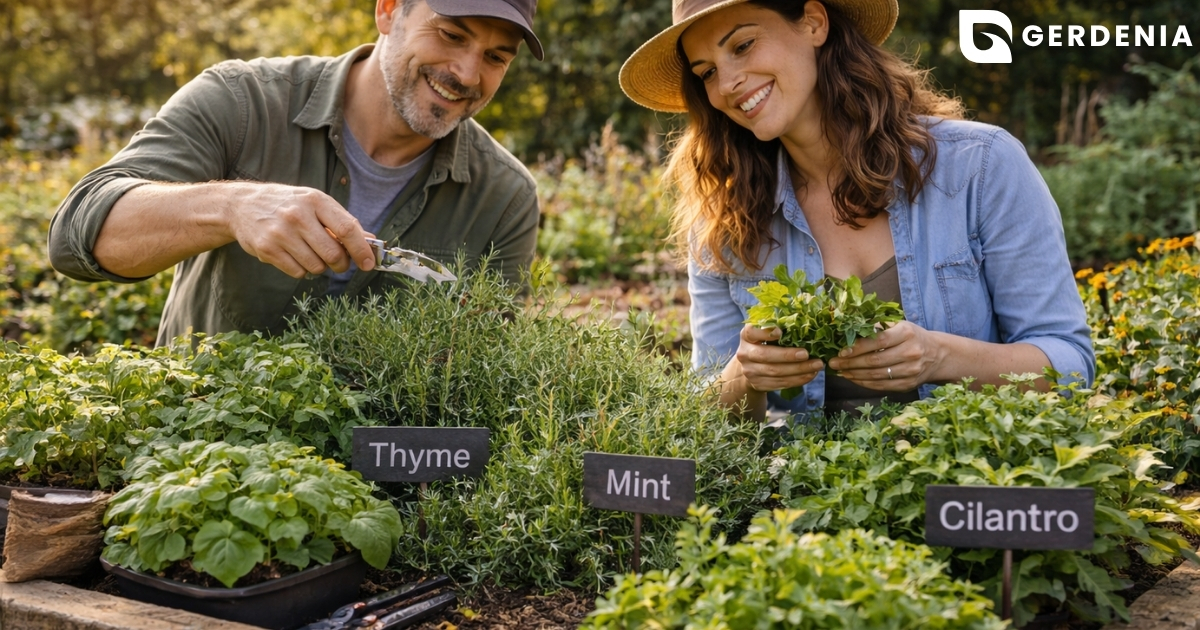
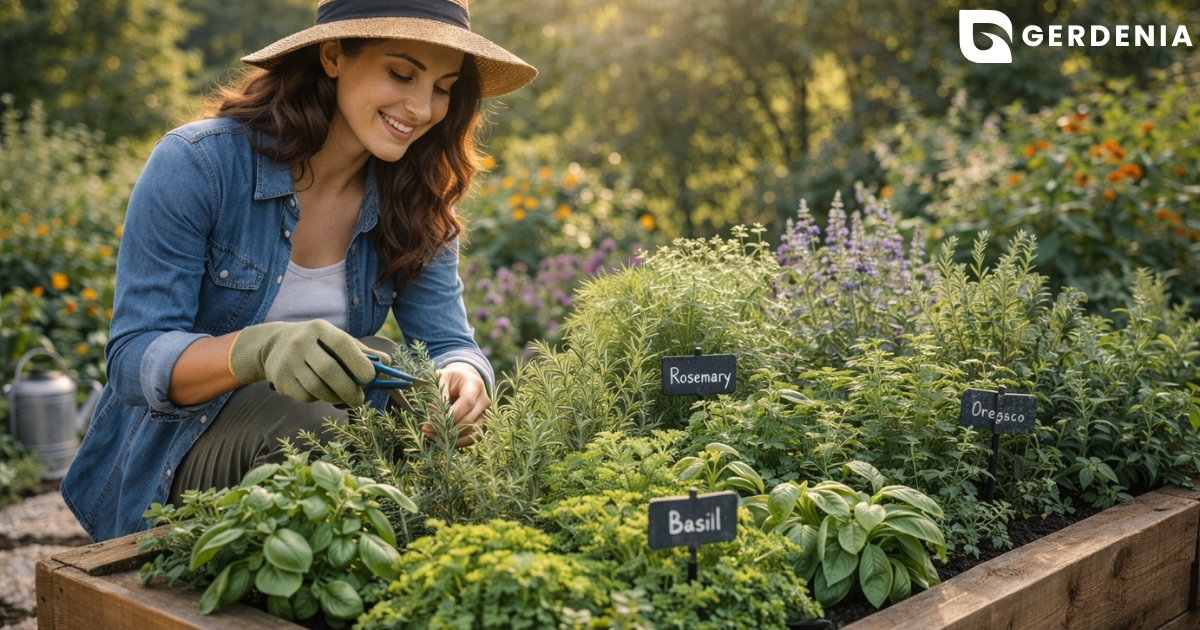
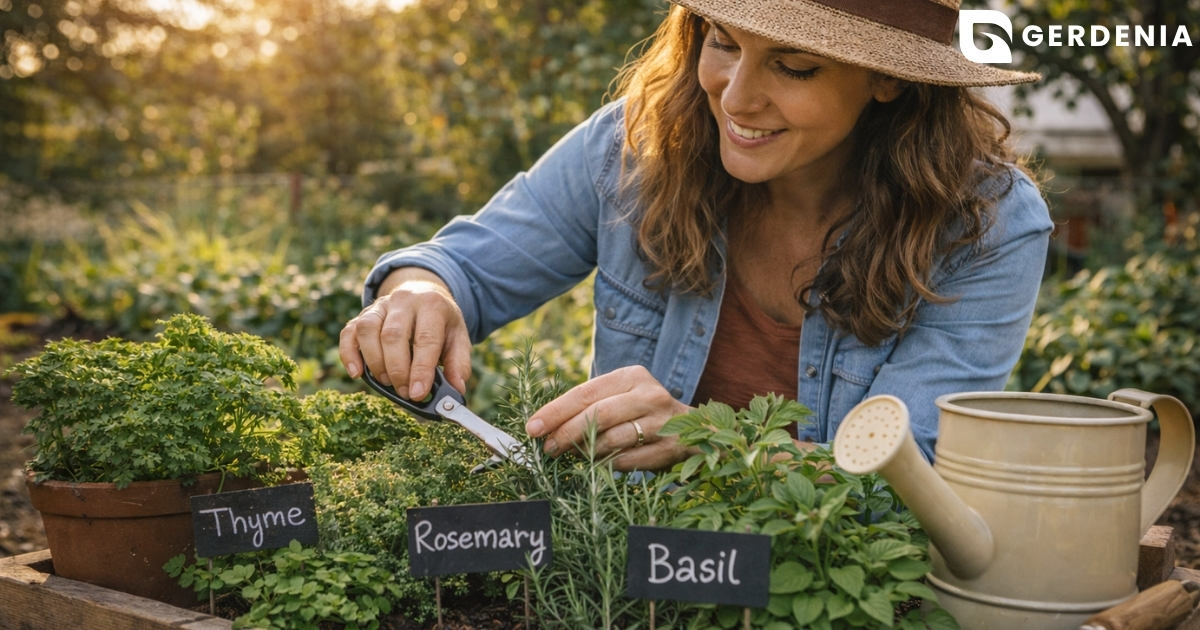
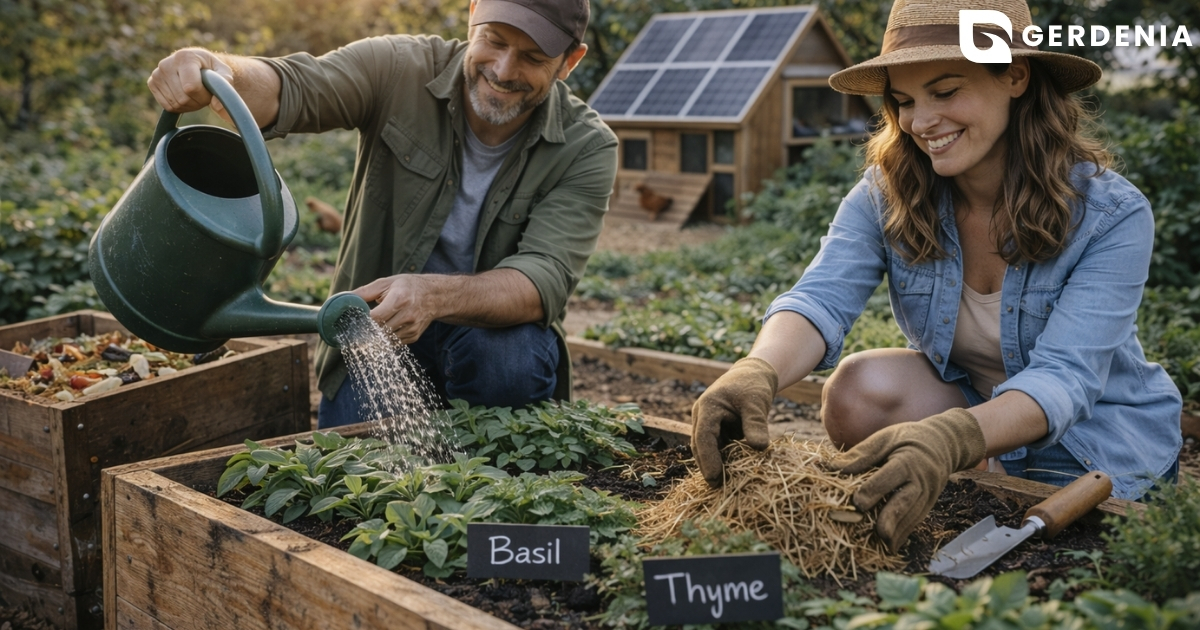
Packing these elevated spaces with pollinator-friendly flower garden combinations easily turns your yard into a butterfly haven. Mixing bright blooms with culinary herbs creates an irresistible buffet for bees. To finish the look, add resilient ground covers that thrive on neglect—like creeping thyme, sweet alyssum, or tough sedum—to naturally smother weeds. Try this simple 3-step ‘Plug-and-Play’ combination for a sunny small bed:
- Back: Purple Coneflower (tall, colorful blooms for butterflies)
- Middle: Sweet Basil (lush, fragrant herb filler)
- Front: Creeping Thyme (cascading, low-water border)
Once your plants are settled, simple maintenance routines will keep them thriving all season.
Feeding and Weeding: Maintenance Hacks for Busy Gardeners
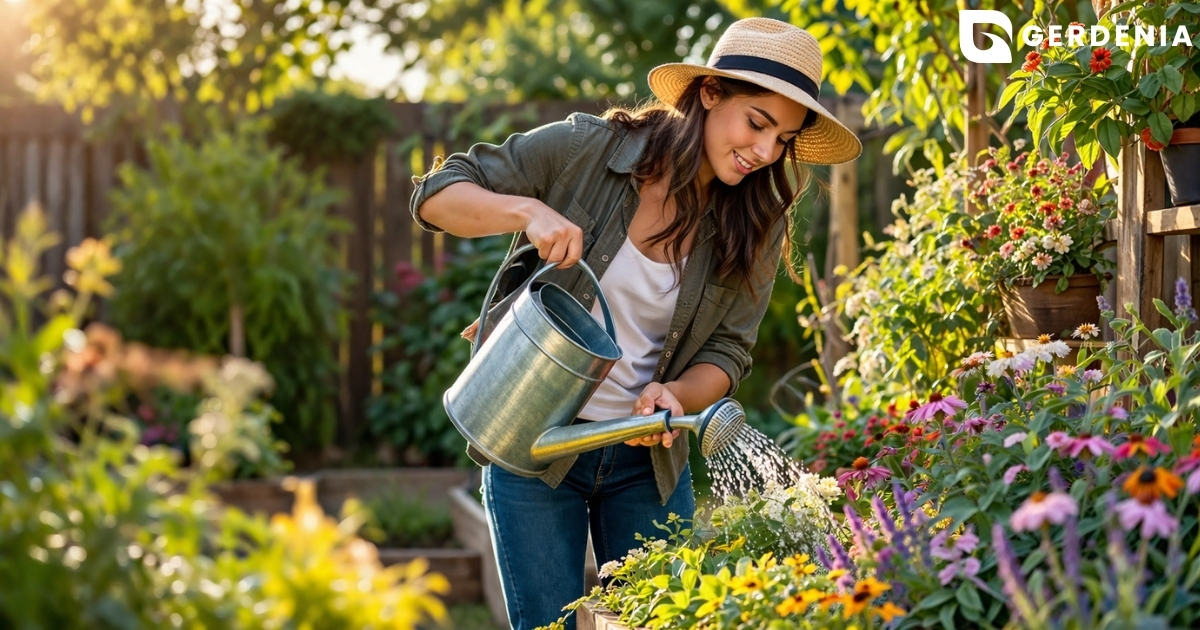
Spending weekends battling weeds isn’t the dream. To keep low-maintenance flower bed plants looking pristine, apply a two-inch layer of shredded bark. Using mulch for weed suppression in garden beds blocks the sunlight weed seeds need to sprout, acting like a protective blanket over the dirt. It also locks in soil moisture so you have to water far less often.
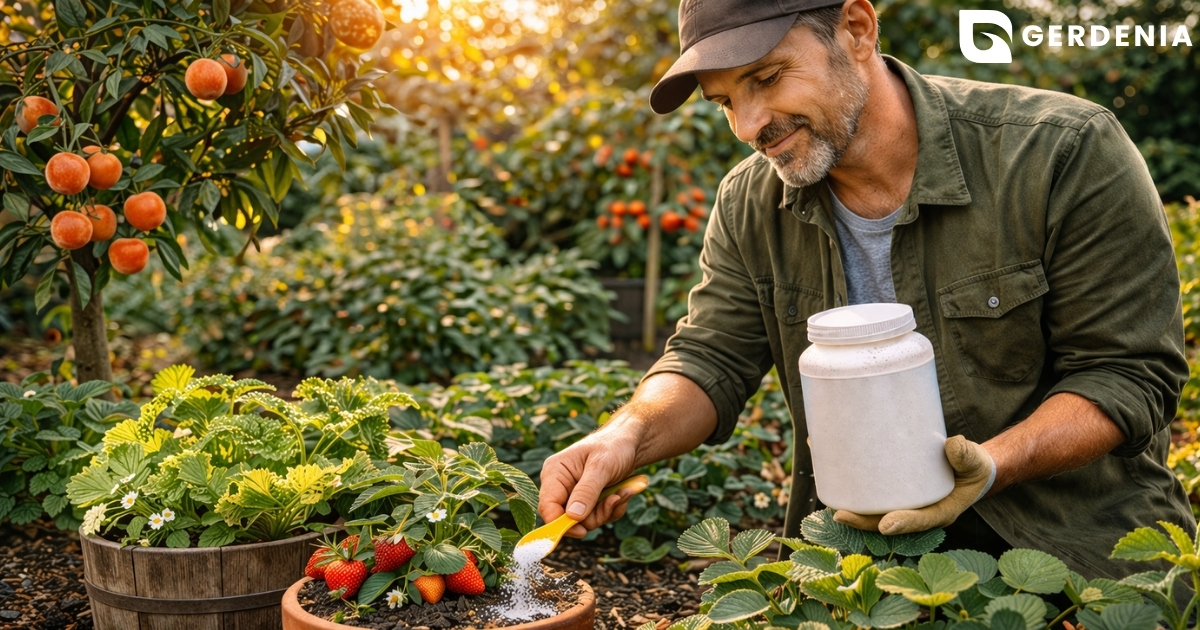
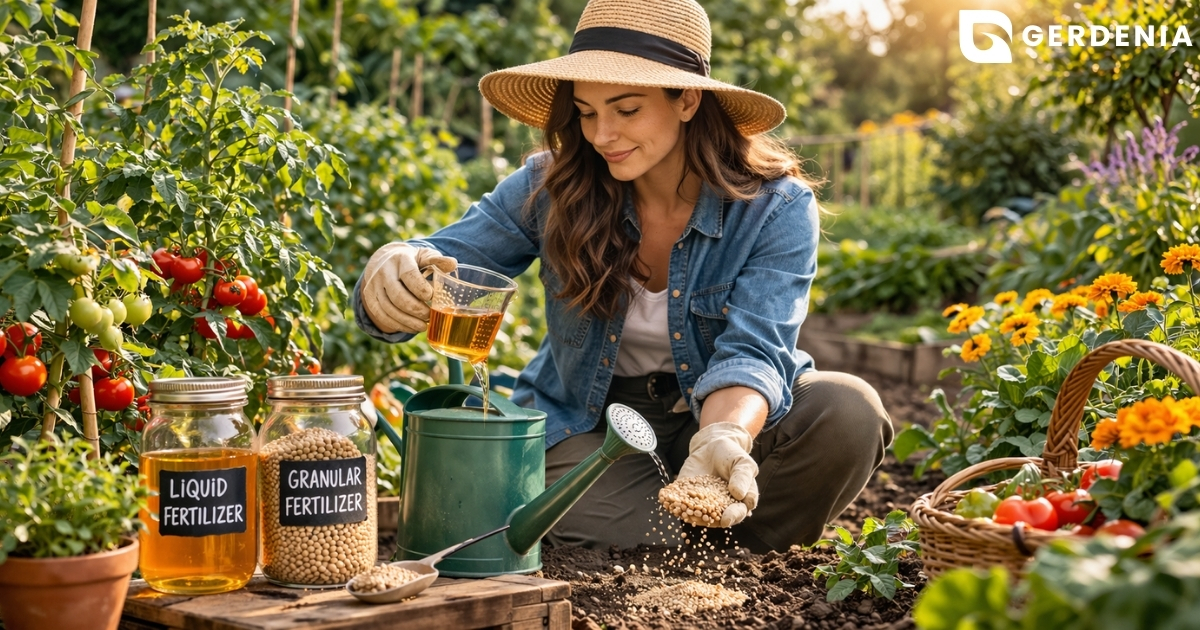
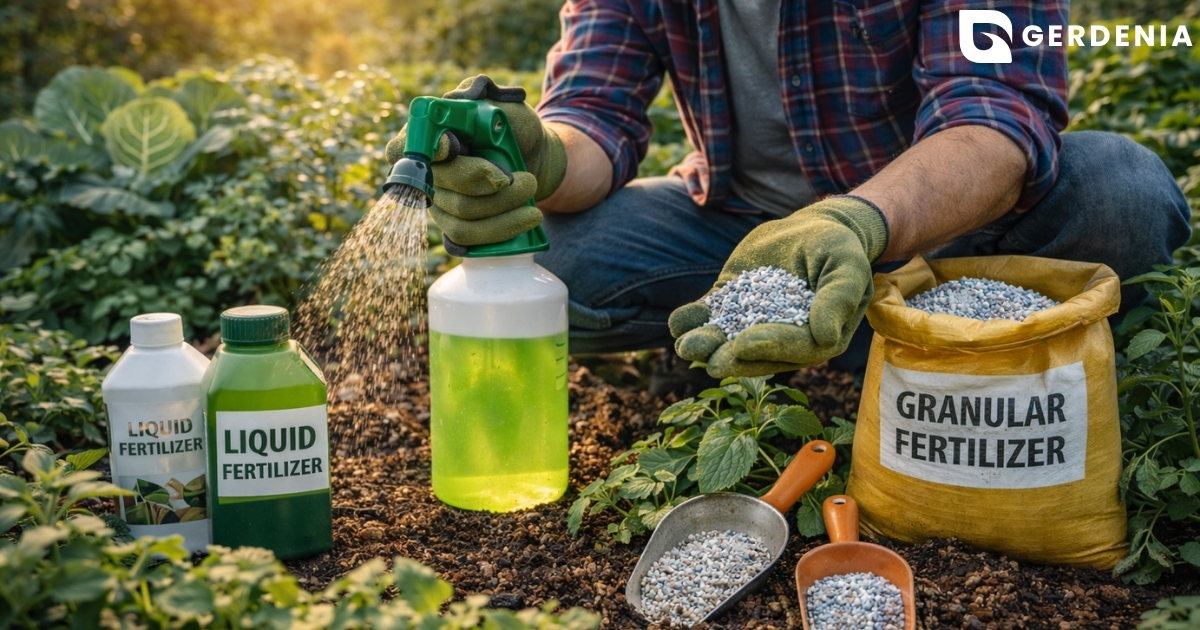
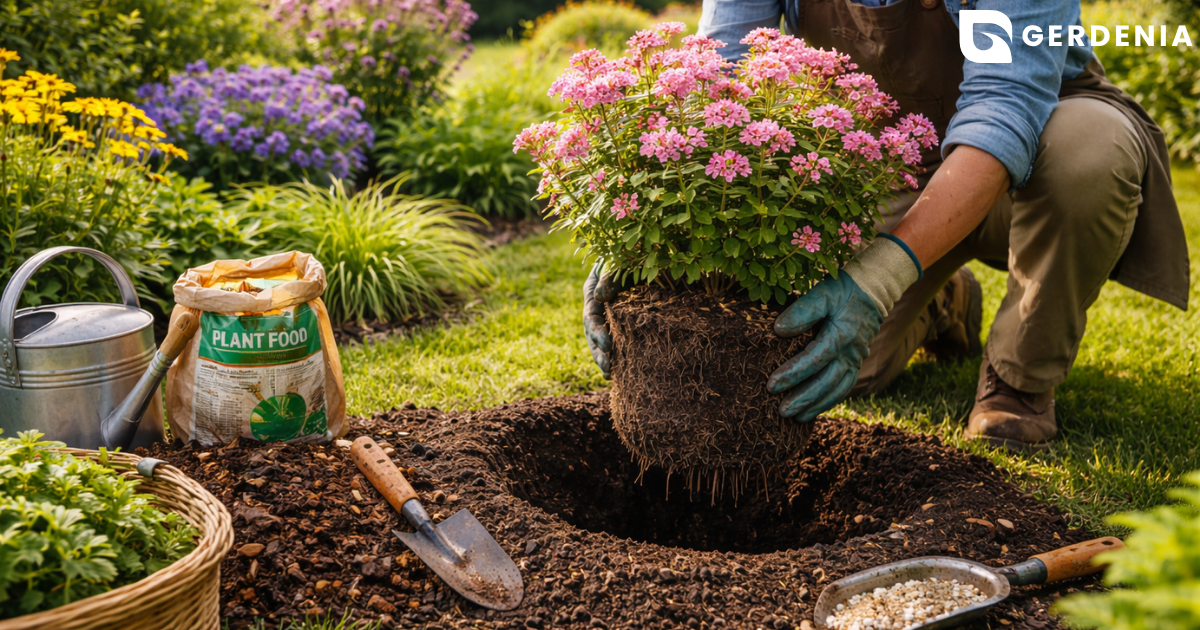
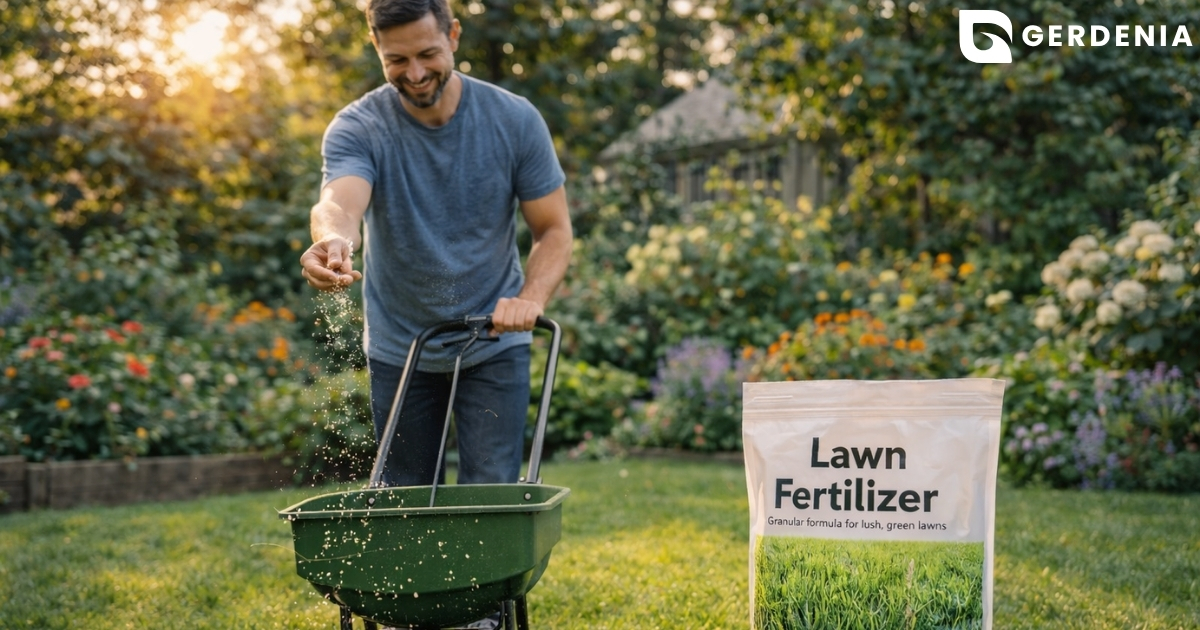
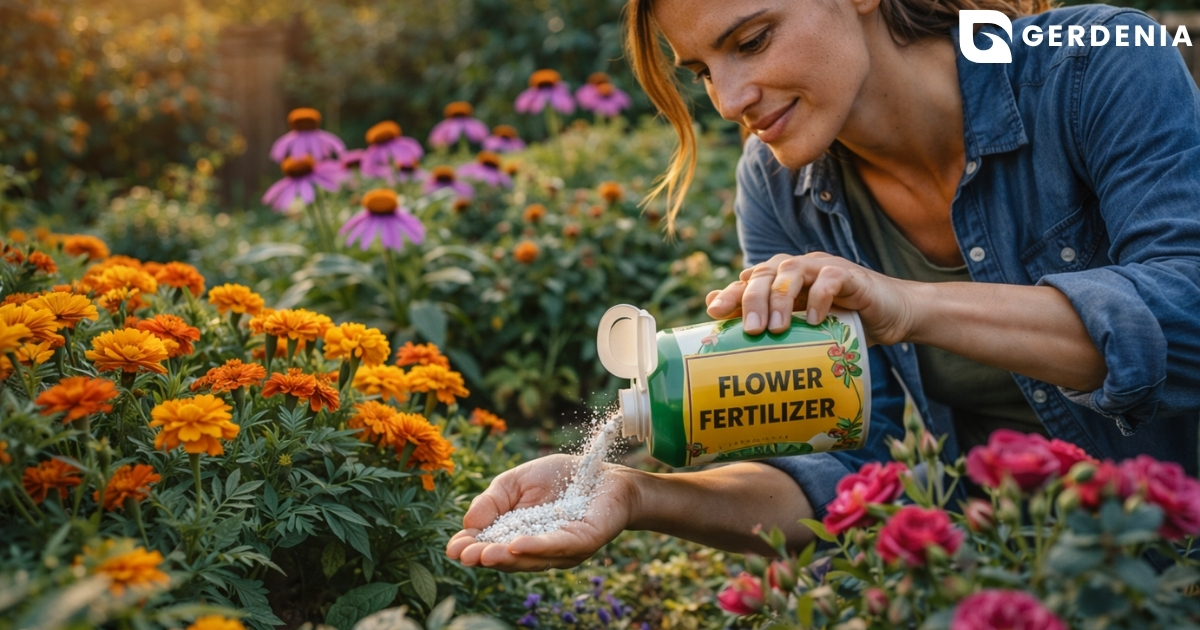
While your garden needs nutrients, heavy liquid chemicals can accidentally “burn” tender roots. Instead, sprinkle slow-release fertilizers for flowering plants into the dirt at planting time. Picture these tiny pebbles as timed vitamin capsules for your yard. They dissolve gradually with every rainstorm, safely delivering a gentle, continuous meal over several months without any extra measuring on your part.
When bright petals finally wither, simply pinch them off just below the fading bloom. This quick trick—known as deadheading—stops the plant from making seeds and redirects its energy into growing fresh, colorful flowers. A few minutes of snipping dramatically extends your blooming season. Mastering these summer chores naturally leads to planning a four-season garden that keeps the visual impact year-round.
Your 4-Season Garden Roadmap: Keeping the Wow Factor Year-Round
Designing a garden border from scratch starts by simply matching the right plants to your yard’s available sunlight. Start small with a single “pocket bed” using these bedding garden ideas to see immediate results and build confidence.
Consistent practice naturally reduces future costs, ensuring your landscape gets better and more affordable over time. Keep your new space thriving with this simple routine:
Garden Success Checklist:
- Test soil moisture daily (aiming for that perfect “moist sponge” feel).
- Snip off faded blooms to encourage fresh flowers.
- Pull stray weeds weekly before their roots deepen.
- Note which simple flower bed ideas thrive best in your yard.
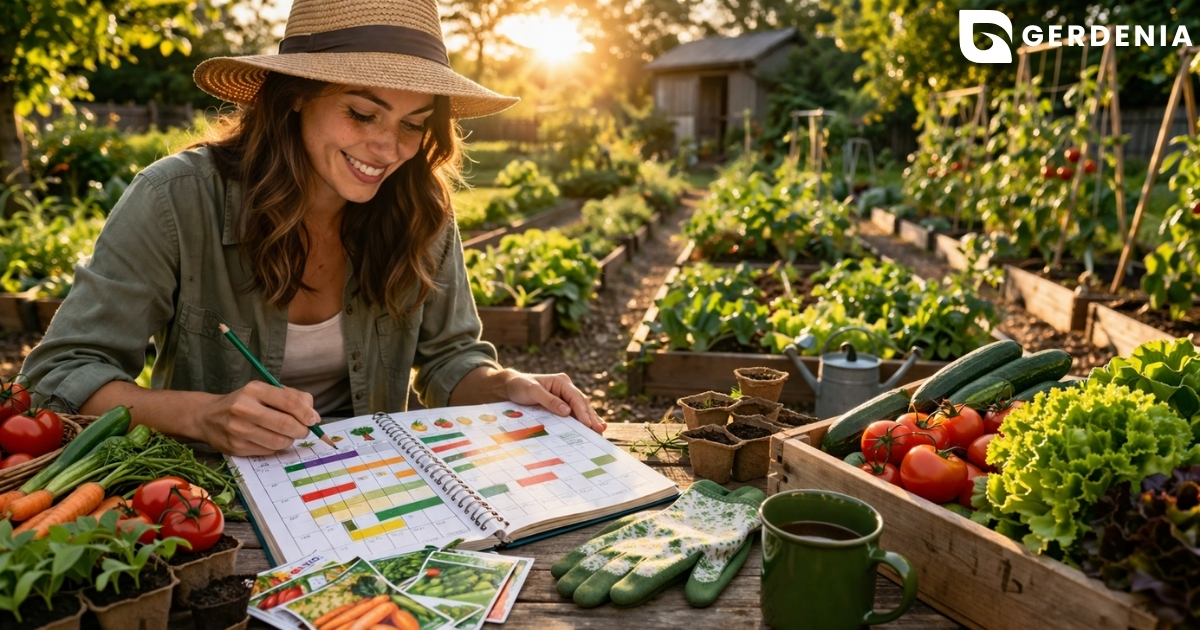
- Plan next season’s layout before the current one ends.