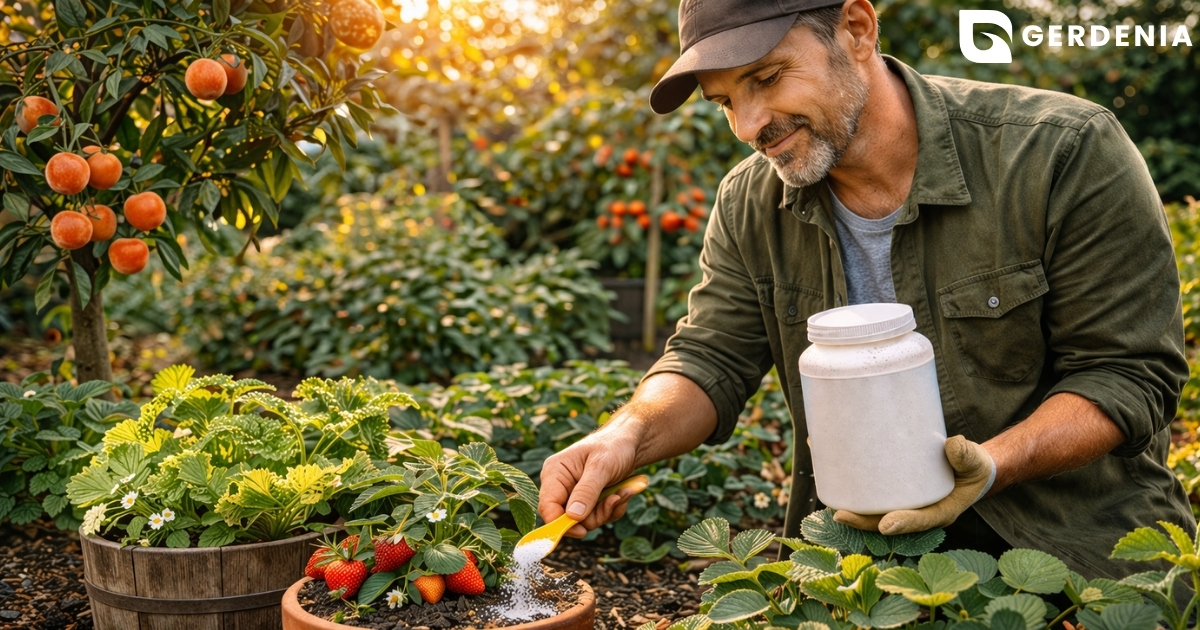
Biting into a sun-warmed peach from your own backyard is an unforgettable sensory experience. Yet, securing that mouth-watering sweetness requires more than a simple garden hose. Experienced growers know that while sunlight and water act as basic calories, fruit fertilizer serves as a vital multivitamin. Backyard favorites like apple trees are “heavy feeders,” demanding massive energy to produce generous crops.
Unfortunately, relying solely on your yard’s existing dirt often leads to disappointment. Roots naturally extract available minerals over time, causing severe nutrient depletion in residential soils. To solve this hidden problem, gardeners must replenish the ground with quality plant food for fruit trees. This directly boosts your crop’s sugar development, guaranteeing a much sweeter harvest.

Cracking the N-P-K Code: The ‘Up, Down, All Around’ Method
Staring at garden products can feel like trying to crack a secret code, but those three prominent numbers on the front of every bag are actually quite simple. They represent the primary macronutrients—the “meat and potatoes” of plant diets—always listed in the same sequence: Nitrogen, Phosphorus, and Potassium (N-P-K).
You might wonder, is 10 10 10 fertilizer good for fruit trees? While a balanced fertilizer for fruit trees works nicely for general, everyday maintenance, understanding what each specific number does helps you target exactly what your plant needs to produce a larger harvest. Experienced growers decipher these numbers using the “Up, Down, All Around” rule:
- Nitrogen (Up): Fuels lush, green leaf growth above ground.
- Phosphorus (Down): Pushes deep roots and triggers heavy blooming for bigger fruit.
- Potassium (All Around): Acts as an immune booster, supporting overall plant health.
More isn’t always better when selecting the right NPK for fruit trees, however. Overloading your plant with a massive dose of nitrogen causes “nutrient burn,” where the tree absorbs salts too quickly, resulting in crispy, brown leaf edges. To avoid this stress, you must align your feeding schedule with the plant’s natural appetite.
The Best Time to Feed: Why Spring is Your Secret Weapon
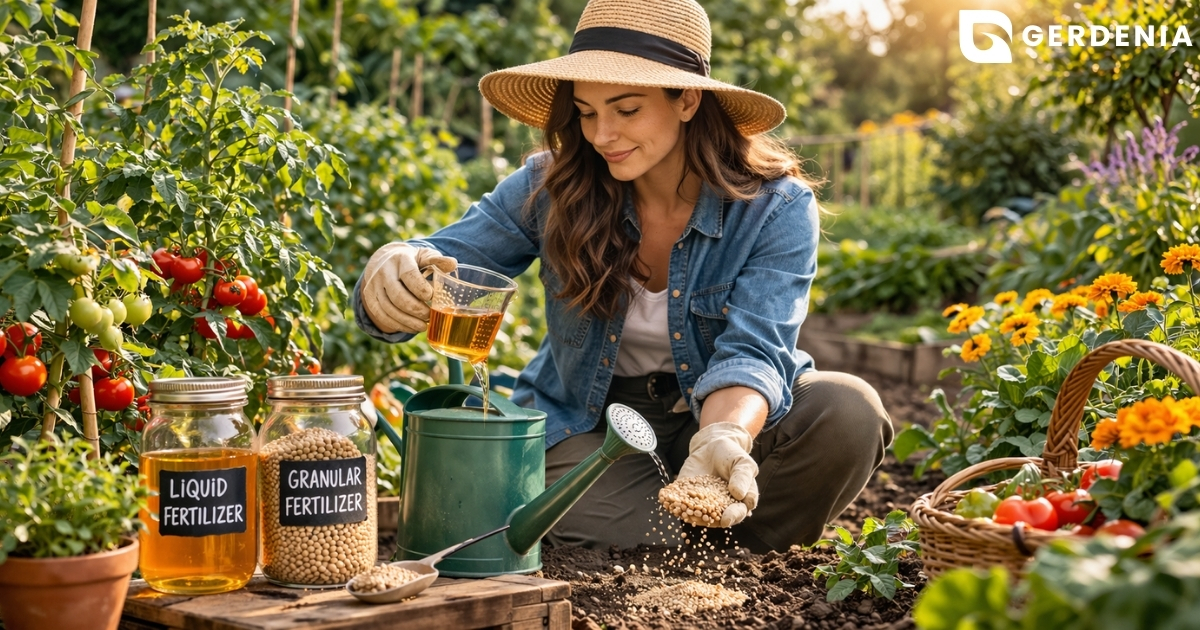
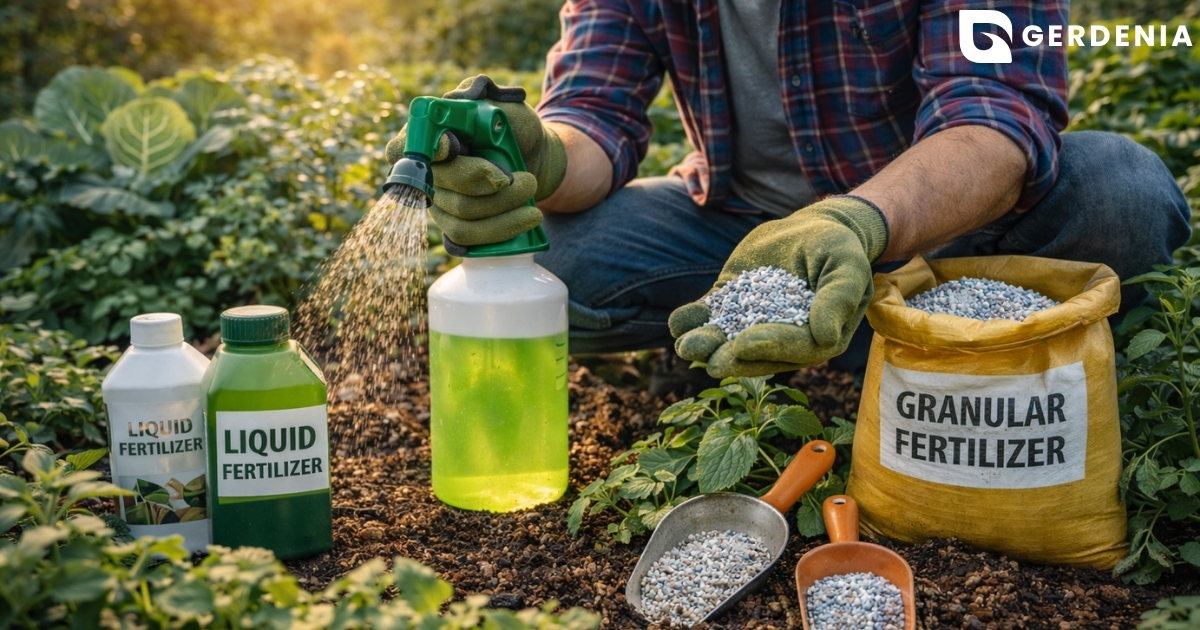
Just like eating a heavy meal before bed, feeding a tree at the wrong time wastes energy. The best time to fertilize fruit trees aligns with their natural awakening. For this growth marathon, you have two options: liquid fertilizers, acting as a quick energy drink, and slow-release granular fertilizers, functioning like a hearty meal that safely breaks down over several months to provide steady nutrition.
Matching these applications to the plant’s internal clock ensures optimal harvests. Follow these specific seasonal feeding milestones:
- Late Winter (Dormancy): Apply your slow-release fertilizer just before the soil completely thaws.
- Early Spring (Bud Break): Begin fertilizing fruit trees in spring exactly when the very first green leaf tips emerge from the branches.
- Early Summer (Fruit Set): Once the blossoms drop and tiny green fruits appear, use fast-acting liquid feeds to boost fruit size.
Crucially, understanding when to feed fruit trees also requires knowing exactly when to stop. Halting all fertilizer by late summer prevents fragile new branches from suffering deadly winter freeze damage. With your seasonal calendar successfully scheduled, it is time to choose the right menu for your plants.
Organic vs. Synthetic: Choosing the Right ‘Diet’ for Your Trees
Standing in the garden center aisle, choosing between organic vs synthetic plant nutrients is much like deciding between a drive-thru and a home-cooked meal. Synthetic fertilizers act like fast food, delivering an immediate, highly concentrated burst of energy that greens up hungry leaves almost overnight.

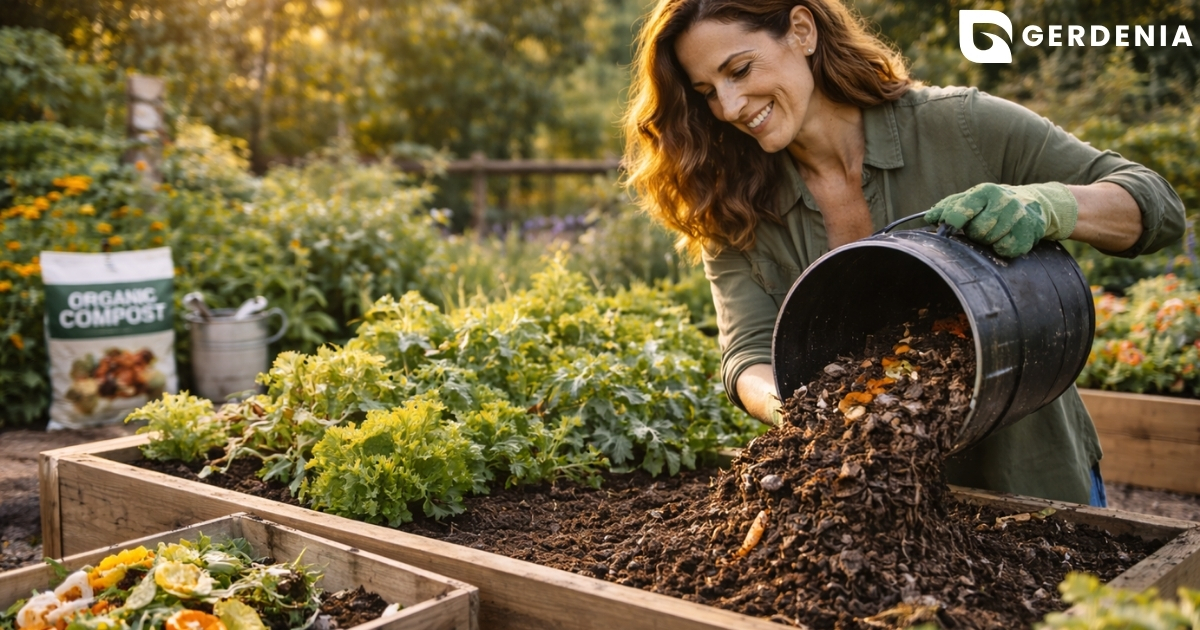
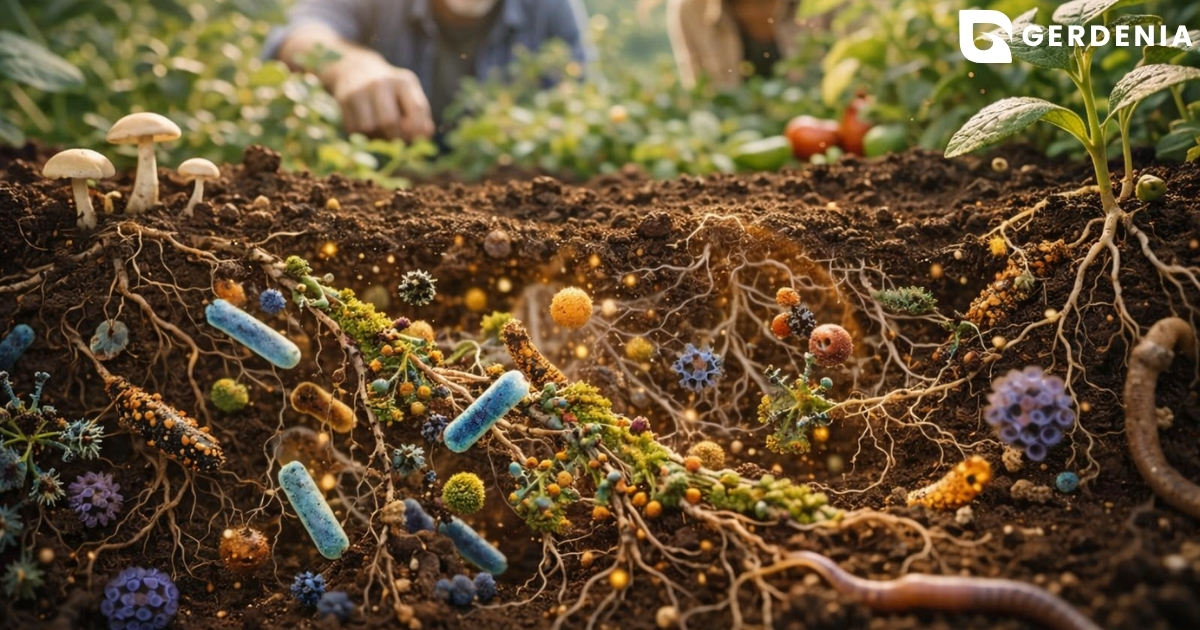
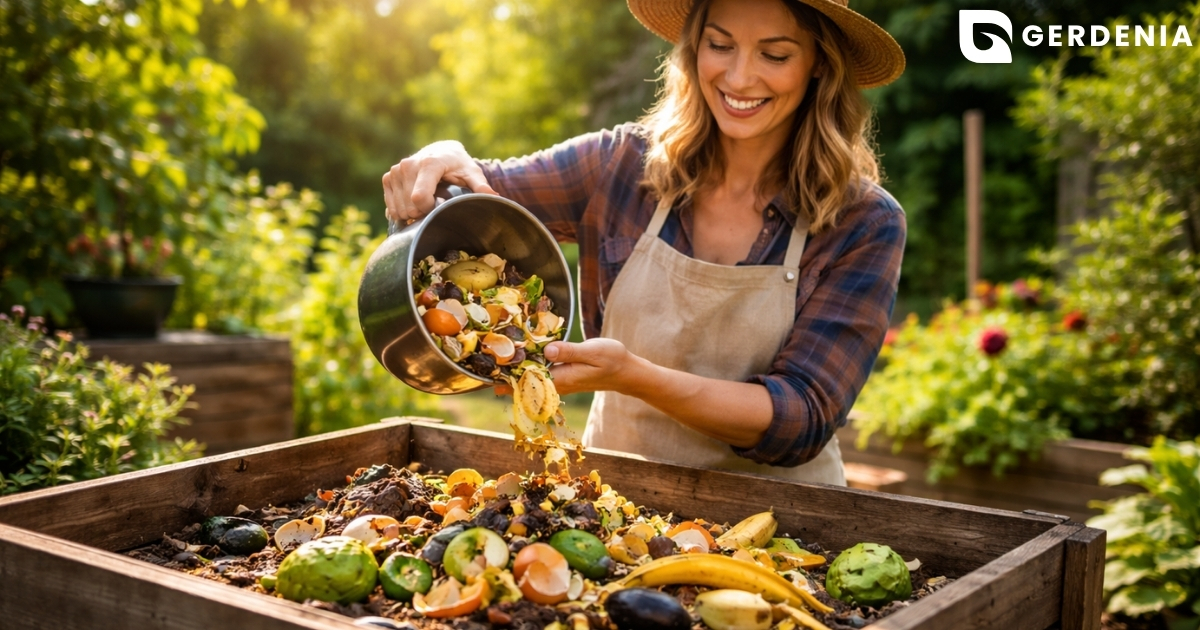
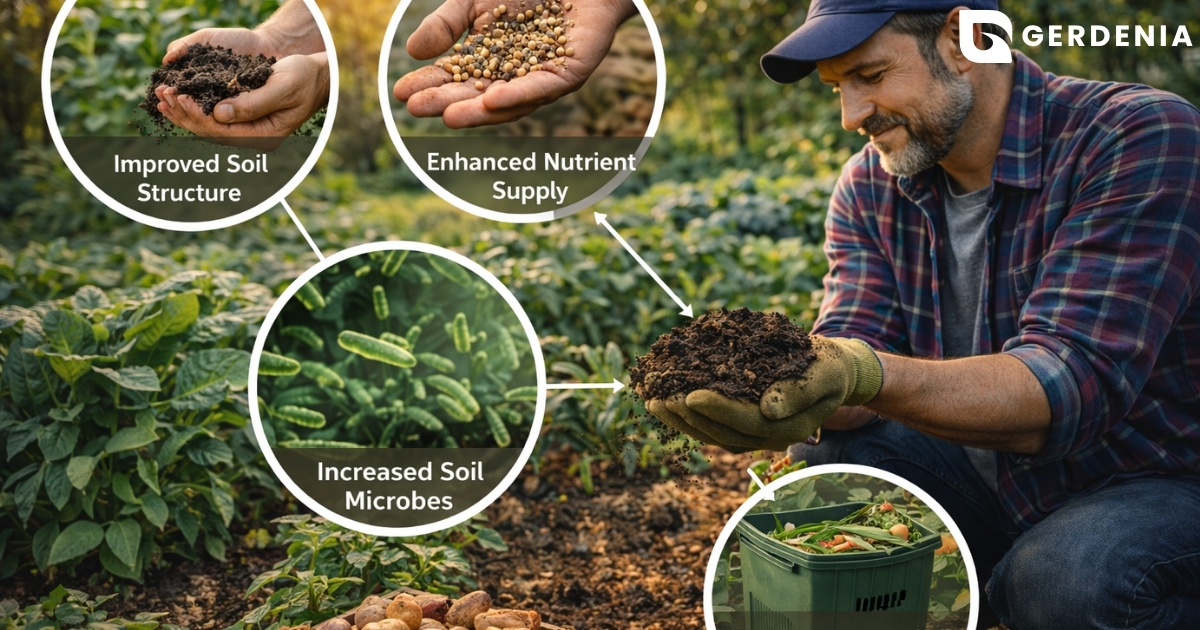
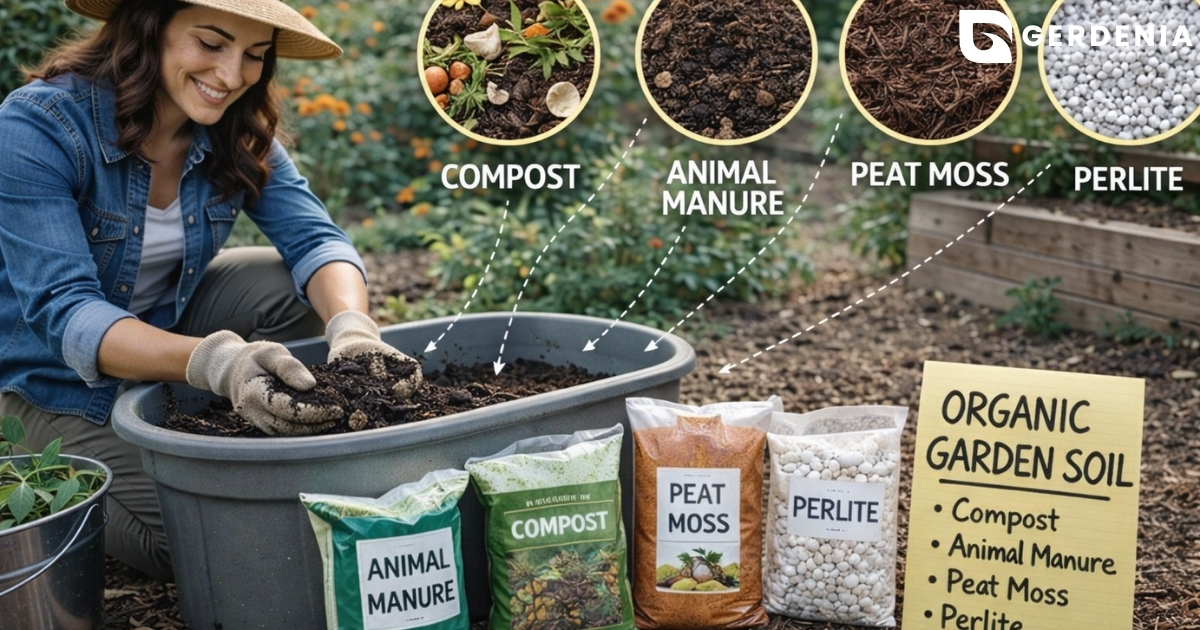
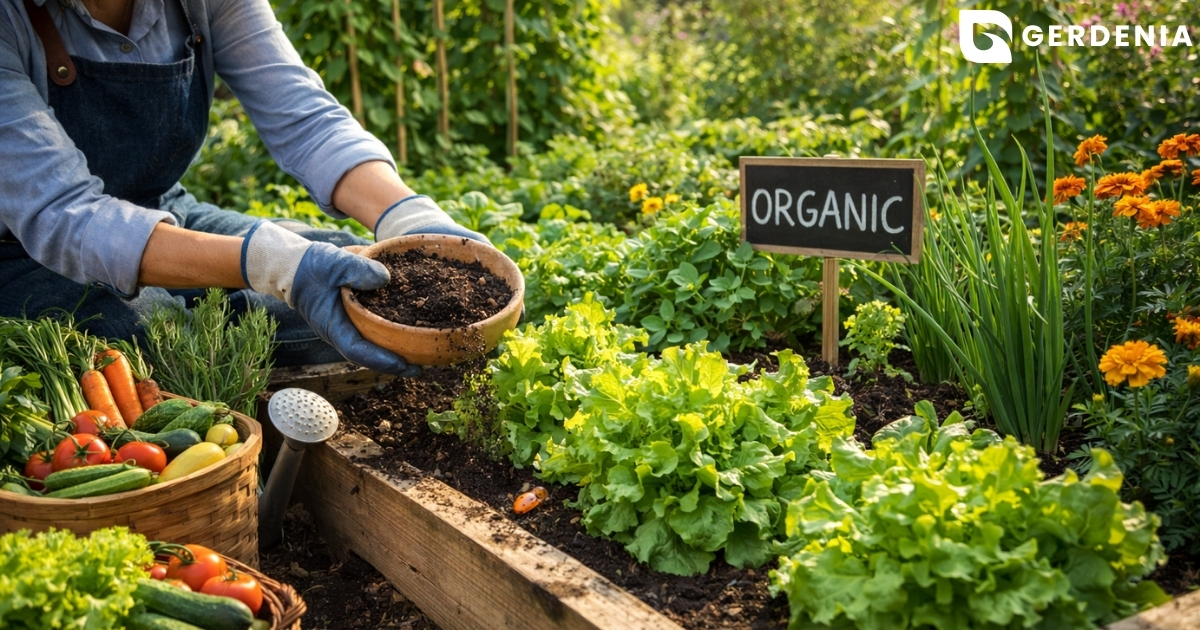
While quick fixes are tempting, organic options build the “whole foods” foundation your garden craves over time. The best organic fertilizer for fruit trees doesn’t just feed the plant; it feeds the dirt itself. By top-dressing with aged manure or rich compost, you actually improve soil structure, making it spongy enough to hold water while building a robust soil immune system that naturally protects delicate roots from disease.
However, there are specific moments when a rapid synthetic boost is exactly what a struggling plant needs to survive a severe nutrient crash. If your citrus tree is suddenly fading or your apples are refusing to set, you must diagnose the exact problem before choosing a remedy.
Troubleshooting Your Orchard: From Yellow Leaves to Dropping Blossoms
Have you ever wondered why a tree grows plenty of foliage, but the colors look slightly wrong? Plants communicate hunger through their leaves, making it easy to play garden detective. Before grabbing extra nitrogen fertilizer for fruit trees, check these common deficiency symptoms:
- Yellowing older leaves: Signals a lack of Nitrogen.
- Purple tints: Points to a Phosphorus shortage.
- Brown leaf edges: Means Potassium is missing.
Watching beautiful spring flowers fall to the ground instead of turning into fruit is heartbreaking. If you are researching why fruit trees drop blossoms, the culprit is often a lack of trace minerals. While NPK provides the main calories, micronutrients—like calcium and zinc—act as essential daily vitamins. Whether you want the best fertiliser for apple trees or backyard citrus, finding a blend with these minerals prevents flower loss while providing the necessary micronutrients for sweeter harvest yields.
Even perfectly balanced plant food won’t help if your tree cannot absorb it. You might apply premium nutrients, but if the dirt is too acidic or alkaline, those minerals stay locked away.
Why Soil pH is the ‘Gatekeeper’ of Your Tree’s Nutrition
Pouring premium fertilizer around your trees won’t help if roots cannot actually absorb it. Soil pH acts as an invisible gatekeeper, measuring whether your ground is acidic or alkaline. When levels fall outside a plant’s preferred range, the gate tightly locks. Suddenly, the essential minerals for root development become trapped in the dirt. Recognizing this hidden barrier is usually the real secret to fixing nutrient deficiencies in citrus, rather than simply adding extra plant food.
Before buying heavy fertilizers, find out exactly what kind of dirt you have. Testing soil pH for home orchards takes only minutes using a basic garden center kit. Knowing your starting point lets you easily adjust the soil, unlocking those trapped nutrients so your plant can finally eat. With the pH balanced and the nutritional gate wide open, you are ready to explore your seasonal feeding checklist for a bumper crop.
Your Seasonal Feeding Checklist for a Bumper Crop
You no longer have to stare blankly at the garden center aisle. Knowing exactly what your plants crave empowers you to confidently choose the best fertilizer for fruit trees and grow sweeter harvests. Create your personalized schedule using this gardener’s wisdom checklist:
- Test soil pH to unlock nutrient gates.
- Choose the right NPK fruit tree food based on soil needs.
- Apply feed at spring bud break.
- Embrace the benefits of mulching for nutrient retention.
Feeding your orchard is about more than a single season’s yield; it is about building a thriving, long-term soil ecosystem. Start with these foundational steps to support a healthy, fruit-producing garden.