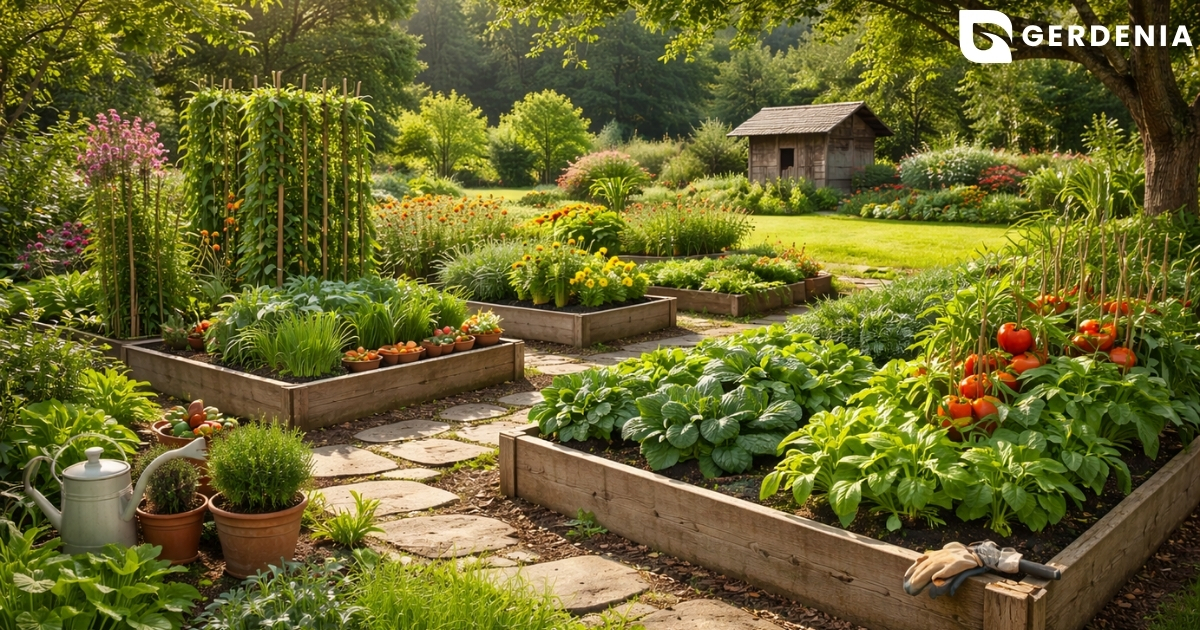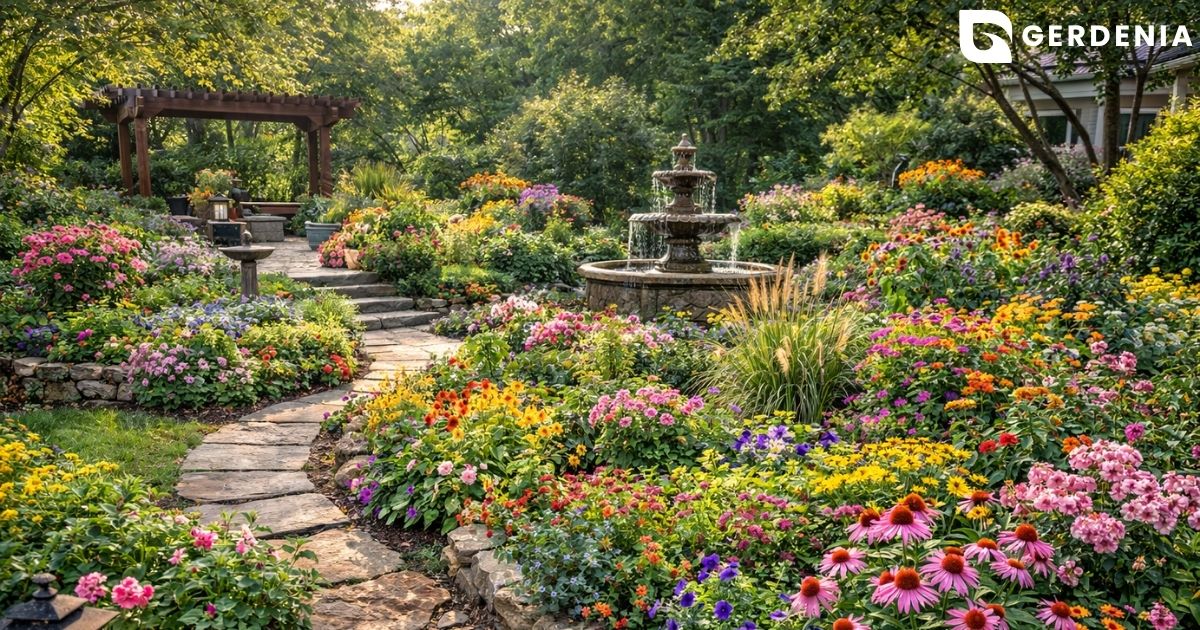
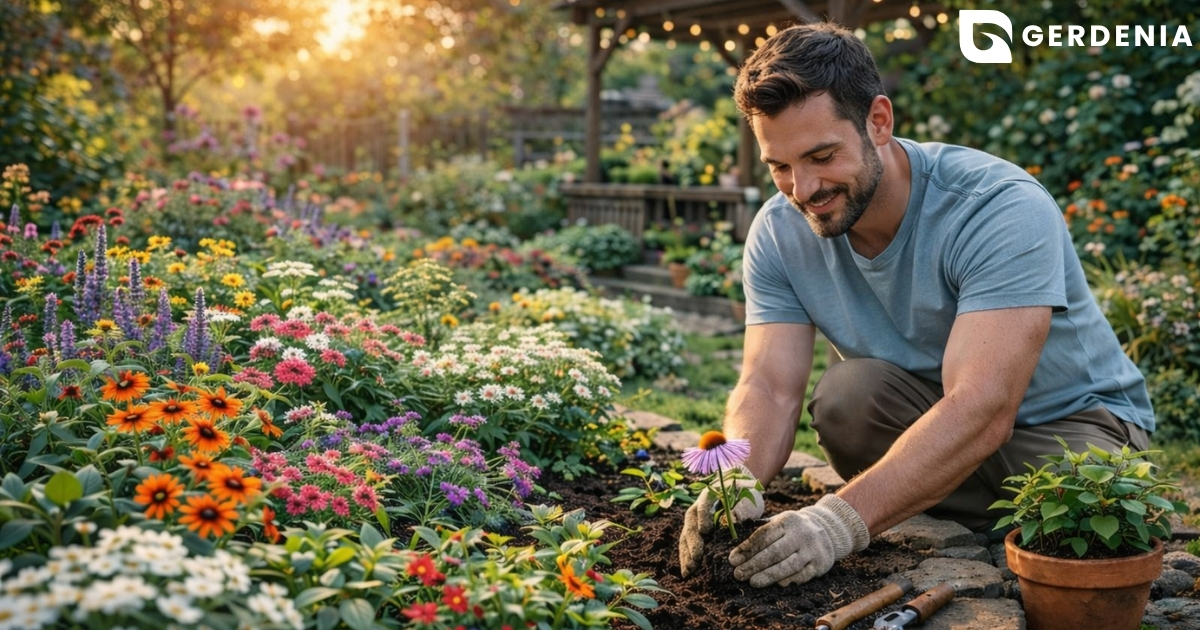
Imagine pulling into your driveway and being greeted by a burst of color that changes with the seasons. New gardeners often waste money on beautiful blooms that quickly wither because they lack a strategy for front yard flower bed curb appeal. Industry data reveals that the secret to lasting outdoor beauty isn’t a magical green thumb, but rather a solid floor plan.
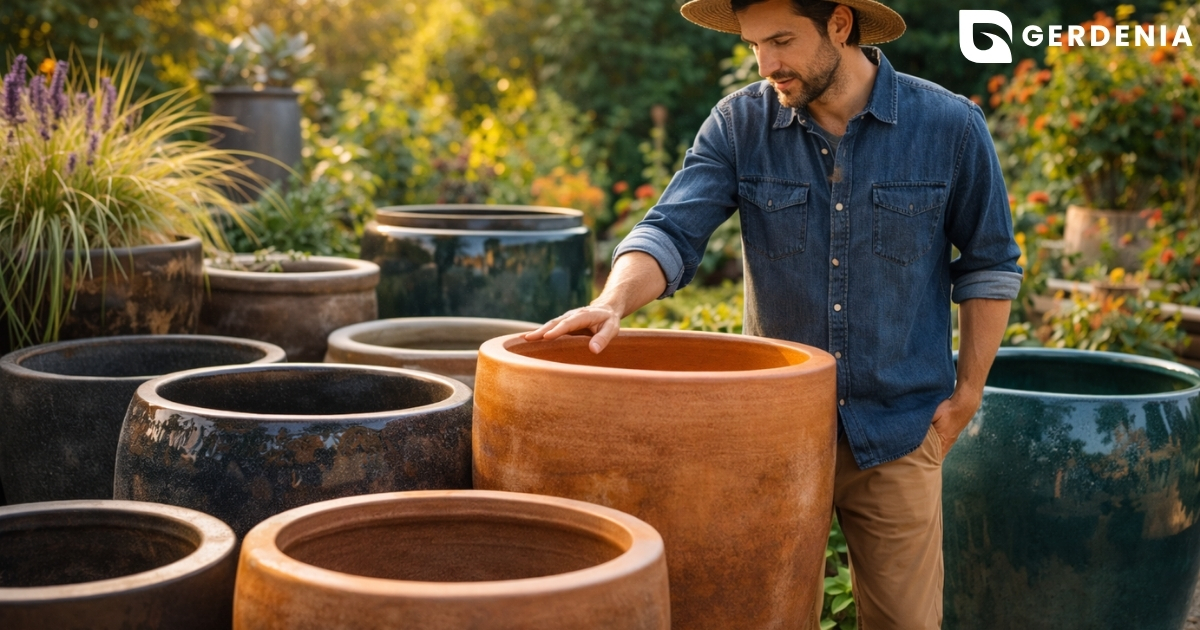
Think of your outdoor space like a living room to master perennial vs annual flower garden planning. Perennials are your heavy furniture—permanent plants that return yearly to reliably anchor your design. Annuals act as your decorative throw pillows, completing their entire life cycle in one season to provide temporary, vibrant pops of color exactly where you need them.
Choosing permanent plants that actually survive your winter requires knowing your “hardiness zone,” a geographic temperature map universally used by growers. Armed with your local zone number, planning your ideal garden becomes straightforward. A simple three-phase progression from mapping your location to planting makes mastering easy maintenance achievable.

The Shadow Test: How to Pick the Perfect Spot So Your Flowers Don’t Just Survive, But Thrive
We all know plants need sun and water, but assuming your whole yard gets equal light leads to burnt leaves or weak, “leggy” stems. Every property has micro-climates—small zones where fences, rooflines, or trees alter the local environment. To create successful garden flower bed designs, you must match your plants to these highly specific spots rather than treating the whole yard as one zone.
Rather than guessing, perform the “Shadow Test” to decide if you need a shade-loving perennial garden design or the best flower combinations for sunny borders. Simply check your yard’s shadows at:
- 10 AM: Gentle morning light. If your spot is only sunny now, you have “partial shade.”
- 2 PM: Peak intensity. Areas without shadows here are baking in “full sun.”
- 5 PM: The cool-down. Continuous sun from 2 PM to 5 PM requires highly heat-tolerant flowers.
Master the ‘Class Photo’ Rule: A Simple 3-Tier Layering System for High-Impact Flower Beds
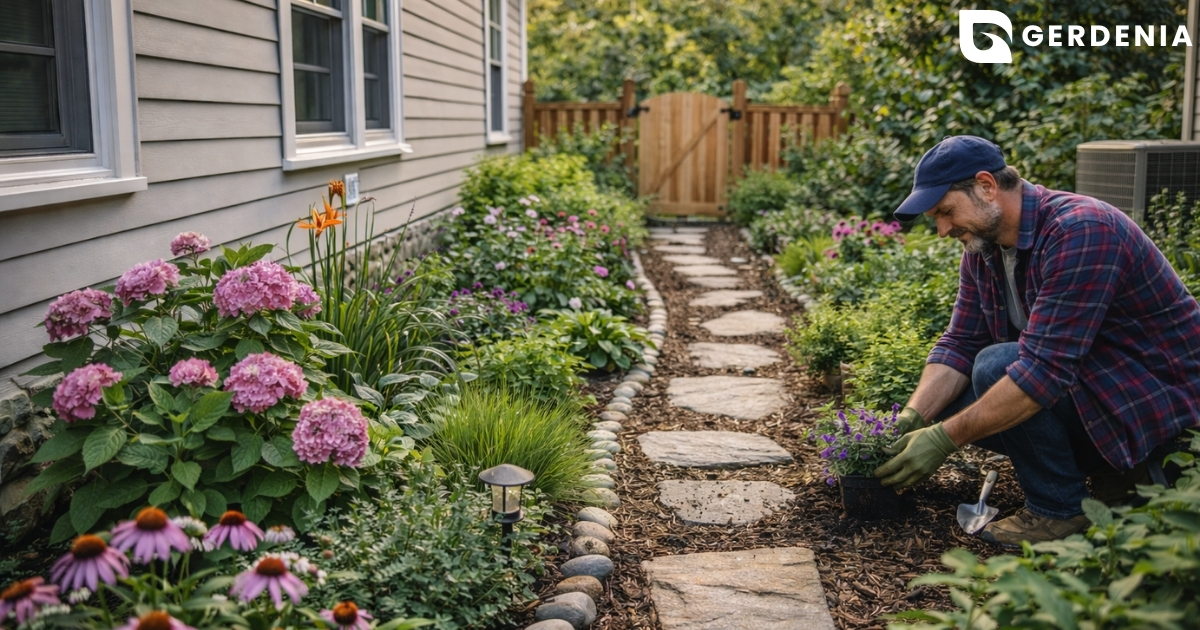
We’ve all seen gardens that look messy because the plants are jumbled together like a chaotic crowd. The secret to stunning flower bed ideas isn’t a greener thumb; it’s using the “Class Photo” rule. Just like a school picture, place the tallest subjects in the back so nobody gets hidden.
[Image: A side-view diagram showing three distinct heights of plants: a tall grass or shrub in the back, flowering perennials in the middle, and short border flowers in the front.]
This layered flower bed planting guide builds beginner-friendly small space garden blueprints that look incredibly full but intentionally organized. When arranging your layout, follow this simple checklist:
- Tall Anchors (Back): Background giants set the stage and provide height.
- Mounding Fillers (Middle): Bushy plants bridge the gap and hide the bare, woody stems of your taller plants.
- Ground-Huggers (Front): Short border flowers provide a neat, colorful finish.
Getting heights right is only half the battle; proper spacing keeps everything healthy. While tempting to pack flowers tightly for instant impact, leaving breathing room ensures vital airflow and prevents overcrowding.

Anchor Your Garden with ‘Living Furniture’: Selecting Low-Maintenance Perennials for Constant Structure
Imagine decorating a room without furniture; it would simply be a chaotic pile of throw pillows. In your yard, “anchor plants” act as that essential furniture. These are your perennials—plants that return every year to form the permanent, foundational structure of perennial layouts. To guarantee these investments survive the winter, always match the nursery tag to your local Hardiness Zone. If your yard sits in Zone 5, a delicate Zone 8 plant will freeze.
Building low-maintenance perennial garden layouts means selecting rugged plants that thrive without daily coddling. For foolproof, deer-resistant flower garden plans, try grouping these three reliable options:
- Coneflowers: Drought-tolerant sun-lovers that only need occasional deadheading to keep pushing out fresh flowers.
- Hostas: Lush, leafy textures perfect for framing the shady spots under trees.
- Daylilies: Indestructible bloomers ideal for surviving those awkward, dry spaces near the driveway.
Before digging, always verify the plant tag’s mature height and spread so your green furniture doesn’t unexpectedly outgrow its assigned space.
Run the ‘Bloom Relay Race’: How to Sequence Plants for Continuous Color from April to October
Experiencing a garden that looks spectacular in May, only to become a sea of tired green leaves by July, is incredibly frustrating. This mid-summer slump happens when your plants share the exact same “bloom window”—the specific weeks they actually produce flowers. To eliminate these awkward brown spots, treat your yard like a relay race where one plant finishes its floral run just as the next takes the baton.
[Image: A horizontal timeline showing different flowers blooming in succession: Tulips (Spring), Salvia (Early Summer), Coneflowers (Late Summer), and Sedum (Fall).]
Crafting a dynamic seasonal color palette for perennial beds requires picking reliable runners for every leg of the year. You might start with spring daffodils, let summer-loving salvias take over in June, and rely on sturdy asters for autumn. Staggering these natural cycles transforms your outdoor space into evolving, living floral arrangements rather than a single, quickly fading display.
If managing all those changing batons sounds overwhelming, “repeat bloomers” are your ultimate cheat code. Plants like Black-Eyed Susans will flower, rest briefly, and then magically push out fresh color weeks later. Utilizing these hardworking varieties is the easiest trick for designing a continuous bloom flower bed without a horticulture degree.

Beginner-Friendly Blueprints: 3 Fail-Proof Plant Recipes for Small Spaces and Borders
Staring at hundreds of little plastic pots at the garden center can quickly turn weekend inspiration into decision paralysis. The secret to avoiding that overwhelmed feeling is “companion planting”—simply grouping plants together that share the exact same sunlight and watering needs. Think of it like matching roommates; you wouldn’t put a dry-weather desert plant in the same bed as a thirsty fern. By utilizing companion planting for ornamental flower gardens, you ensure your plants naturally thrive together with minimal effort on your part.
To skip the guesswork, here are three pre-made layouts designed to fill common awkward spaces, like the dirt ring around your mailbox or a bare fence line. Each trio uses the “Class Photo” rule—tallest in back, medium in the middle, shortest in front—creating instant visual harmony:
- The ‘Pollinator Party’: Create a buzzing pollinator garden landscape design for beginners by pairing tall Aster, medium Bee Balm, and short Salvia.
- The ‘Cottage Border’: For romantic cottage-style flower garden border ideas, anchor the back with lush Peonies, add spiky Foxglove in the middle, and edge the front with creeping Catmint.
- The ‘Drought-Proof Patch’: Need tough plants for a baking-hot driveway strip? Try drought-tolerant flowering plant arrangements using Russian Sage, aromatic Lavender, and low-growing Sedum.
Planting these curated trios guarantees your beds will look professionally designed right out of the gate. Keep your permanent botanical furniture blooming beautifully by maintaining a tidy space.
The Final Flourish: Why ‘Deadheading’ and Mulch Keep Your Garden Looking Fresh All Summer
Watching blooms fade is frustrating, but you can easily trick your plants into producing more color through “deadheading.” When a blossom wilts, simply snip it off. This redirects the plant’s energy away from making seeds and back into creating fresh petals. This quick weekly trim is exactly why these resilient varieties are heavily recommended when people ask what the easiest flowers are for a first-time garden.
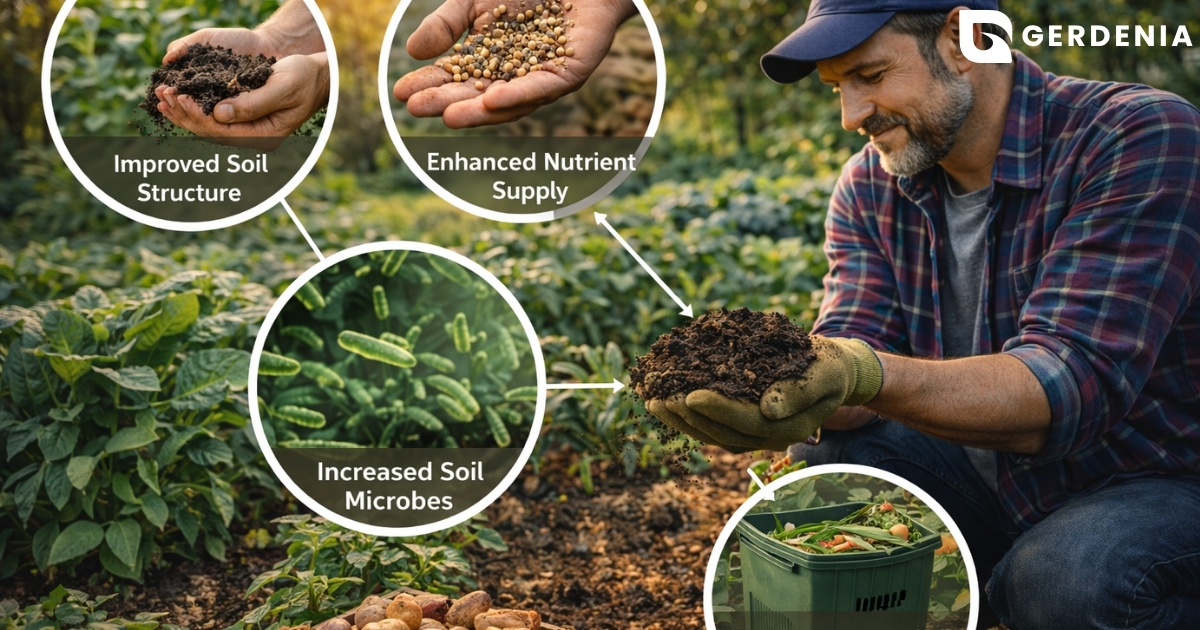
Protecting your bare soil is the real secret behind successful low-maintenance perennial garden layouts. Think of mulch as a protective carpet for your outdoor room. A two-inch layer of shredded bark acts as a physical barrier that stops weeds, while effectively locking in moisture so your roots survive summer heatwaves. This insulating layer is the invisible hero supporting brilliant flower bed ideas, drastically reducing your watering chores.
Yard care shouldn’t consume your entire weekend. Maintain a professional aesthetic by establishing a 10-Minute Weekly Maintenance Checklist:
- Snip faded blooms
- Pull ‘opportunist’ weeds
- Check soil moisture
From Dirt to Delight: Your Step-by-Step Action Plan for a Successful Garden Reveal
You no longer have to wander the nursery hoping for the best. By understanding your sun exposure and plant layers, you can tackle a manageable three-step weekend project. Start by picking your spot, sketching your layout using the “Class Photo” rule, and building a strict shopping list of perennial “furniture” and annual “throw pillows.” This focused strategy prevents overwhelming impulse buys and moves you confidently from planning to planting.
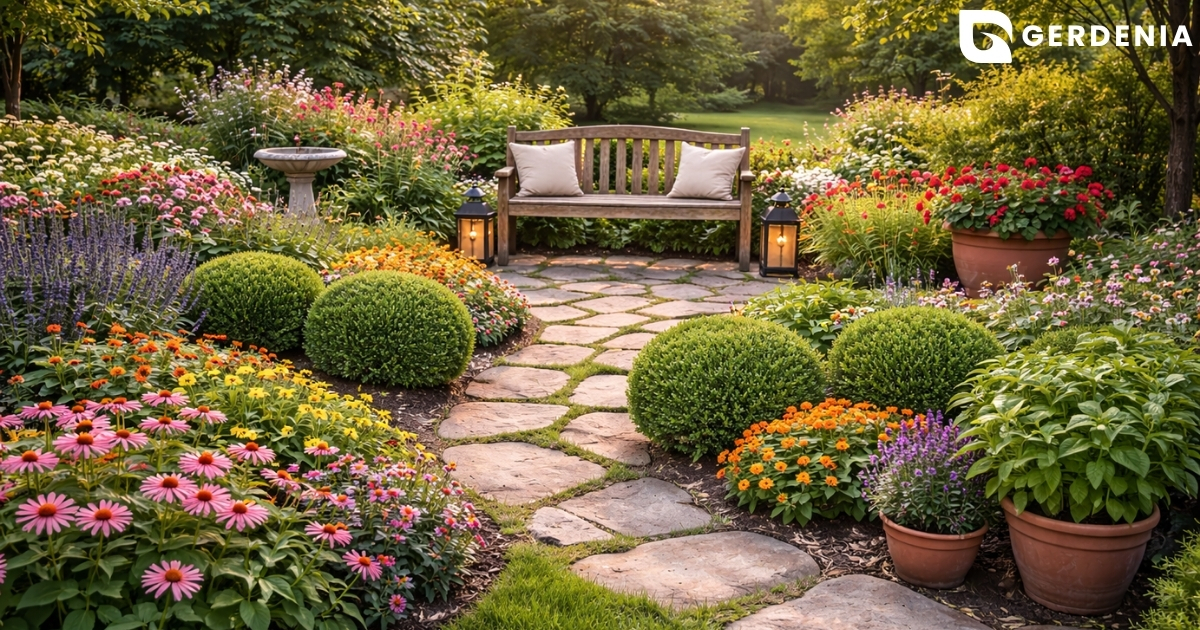
Treating your exterior like an extension of your home completely transforms your approach to flower bed design and perennial layouts. You are no longer just filling dirt; you are intentionally designing living architecture. Whether you need front yard curb appeal or simply want beautiful fresh flowers for cutting, start with one small, perfectly placed cluster. Get your hands in the dirt this weekend and watch your vision bloom.