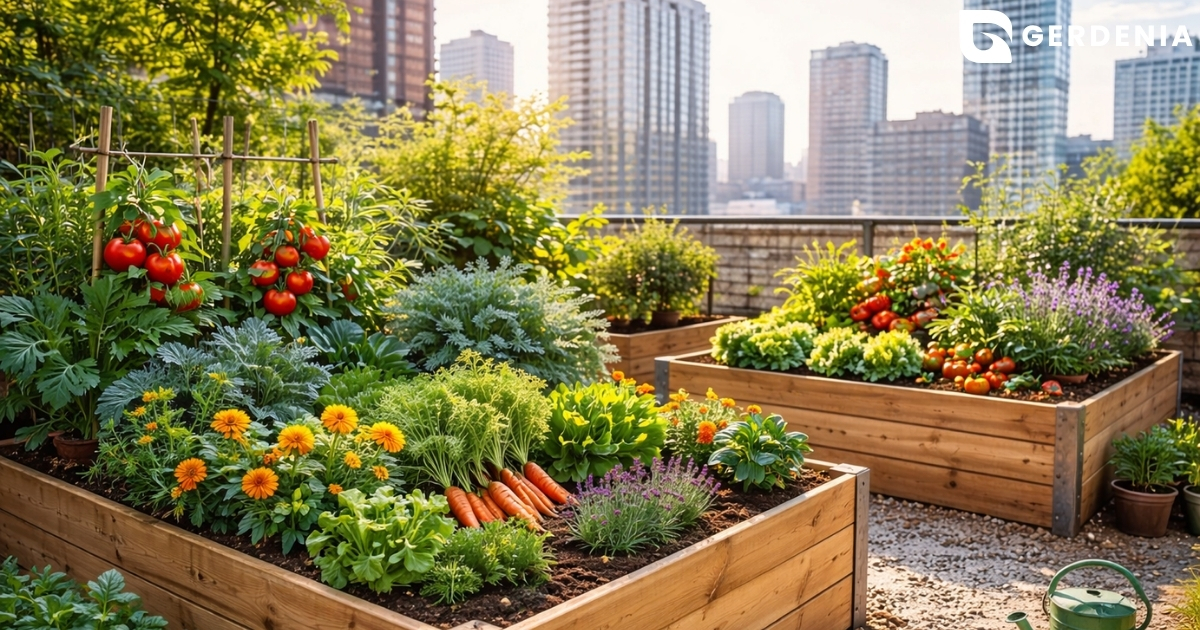
Urban gardening is steadily gaining traction as a practical and sustainable solution to many modern challenges. As urban areas continue to expand, the desire for green spaces and sustainable food sources is increasing. People are looking for ways to incorporate nature into their daily lives, even in the most compact urban settings. High rise garden beds offer a versatile and efficient way to achieve this, providing urban dwellers with the opportunity to grow their own food and beautify their surroundings. Let’s explore the benefits of using high rise garden beds and how they can transform your urban gardening experience.

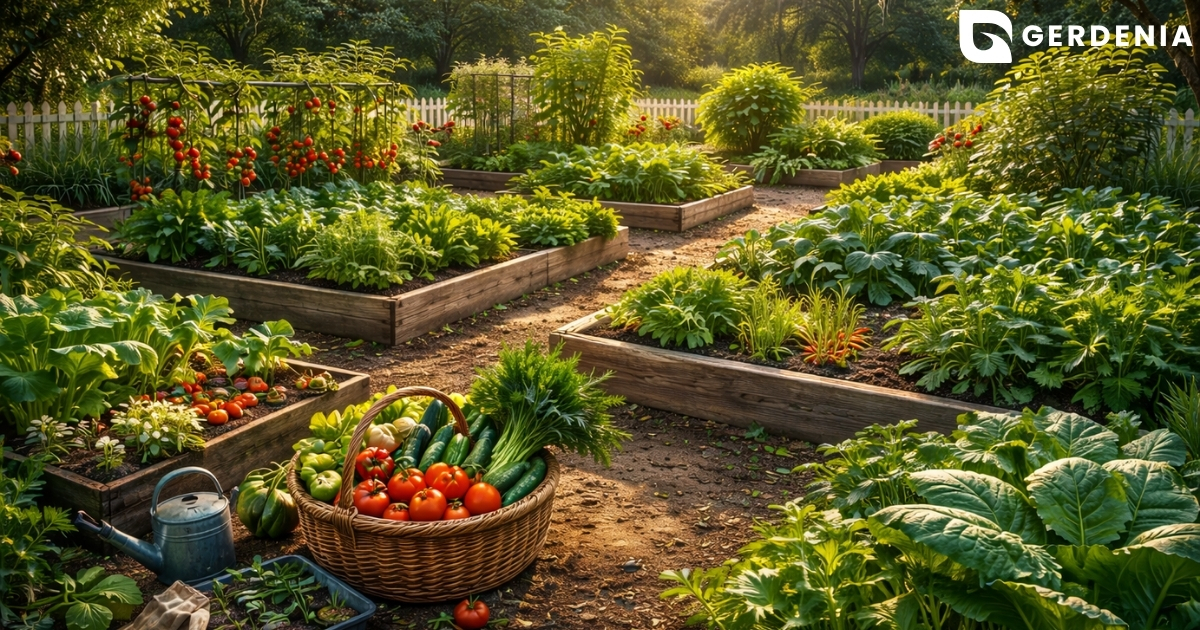
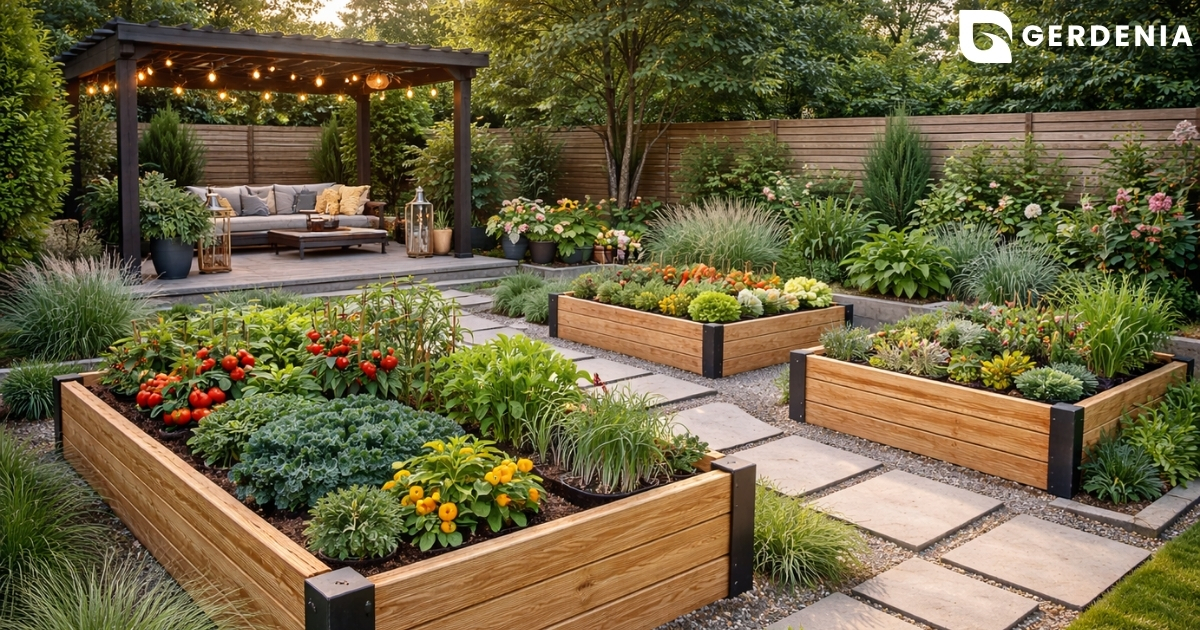
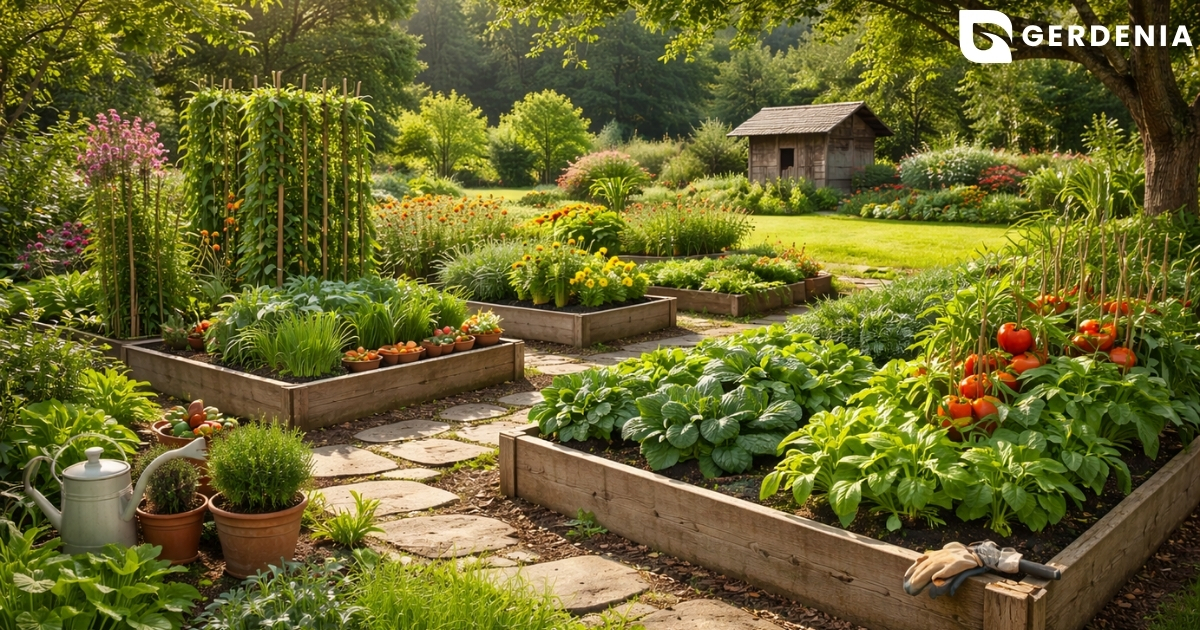
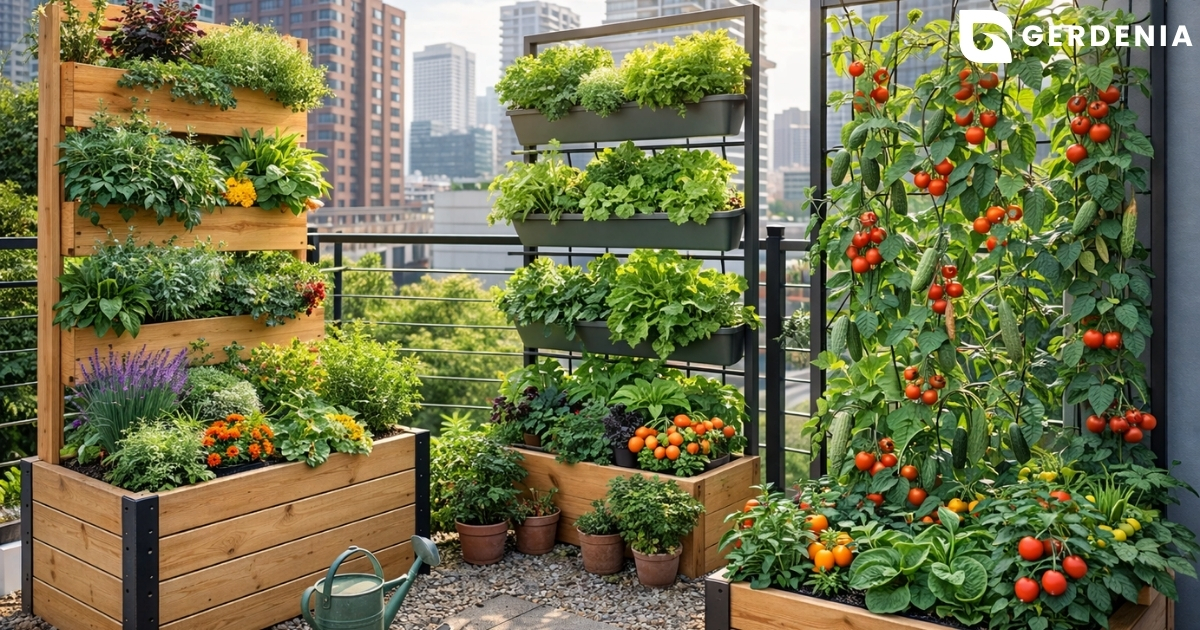
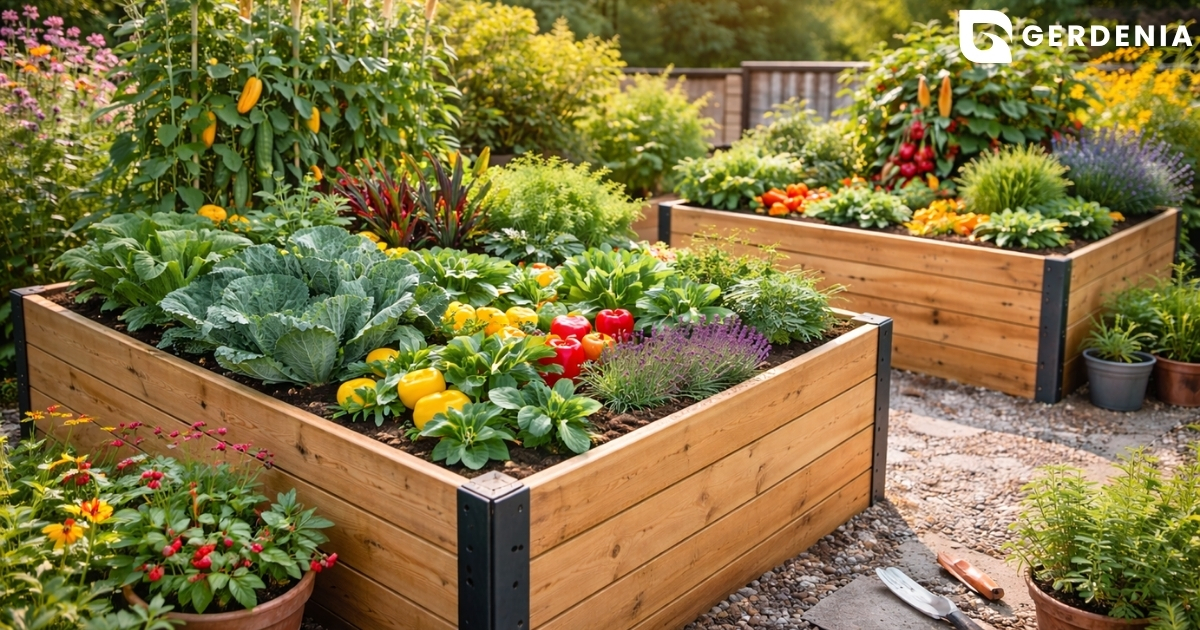
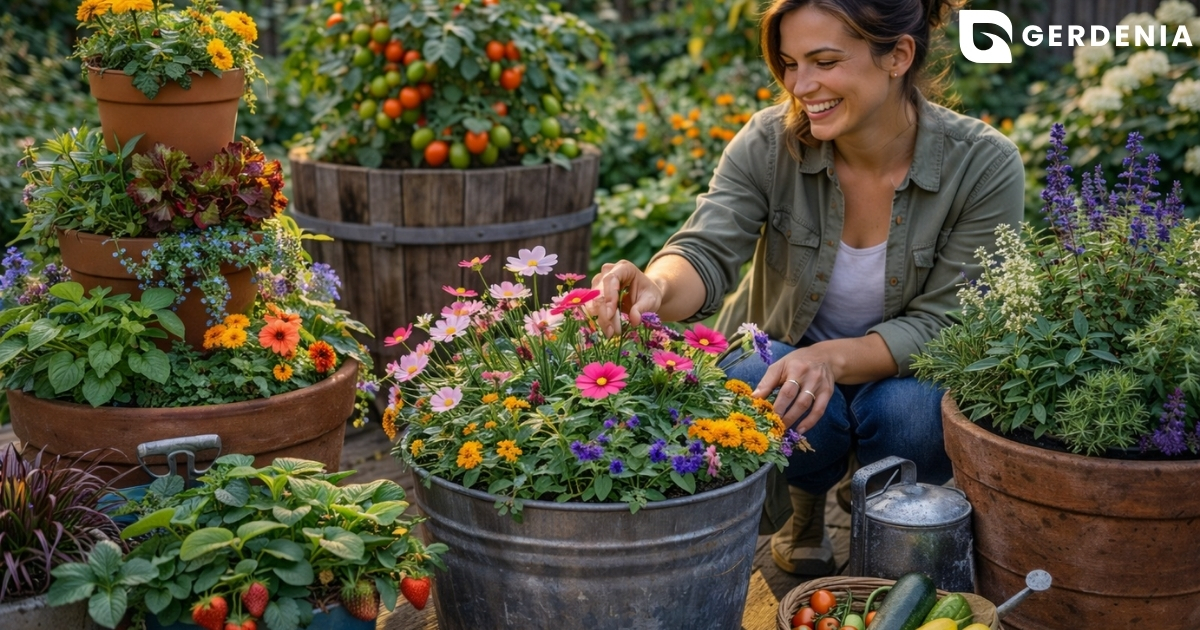
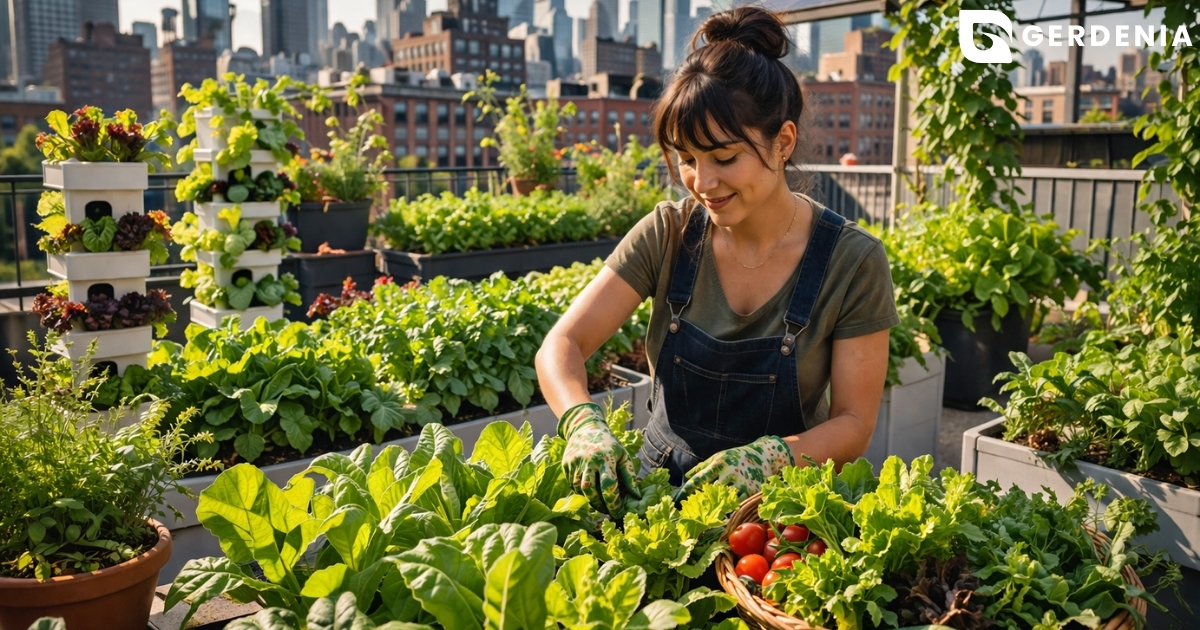
High rise garden beds, also known as raised beds, are elevated planters that enable you to cultivate plants above the ground level. These structures are designed to optimize space and improve growing conditions by allowing better control over the environment. They are available in a variety of shapes and sizes to suit different needs, such as covered raised garden beds for protection against the elements, raised rectangular planters for efficient space use, and plastic raised planters for easy maintenance. These versatile beds can be placed on balconies, rooftops, or small yards, making them perfect for urban environments where space is a premium.
Types of High Rise Garden Beds
- Large Raised Garden Beds: These are ideal for growing a diverse range of plants, including vegetables, herbs, and flowers. Large raised beds provide ample space, enabling you to cultivate a mini-farm in your urban setting. They can accommodate more extensive root systems, which is beneficial for plants that require more soil depth.
- Small Garden Raised Beds: Perfect for limited spaces, these compact beds can fit on balconies or patios, allowing you to enjoy gardening even in the smallest areas. They are excellent for beginners or those who want to start small, providing a manageable space to experiment with different plants.
- Plastic Raised Planters: Lightweight and durable, plastic planters are easy to move and maintain, making them a popular choice for urban gardeners. Their portability is a significant advantage, enabling you to rearrange your garden layout or move plants to catch the best sunlight throughout the day.
- Stand Up Gardens: These elevated planters enable gardening without the need to bend or kneel, making them accessible for individuals with mobility issues. Stand up gardens are ergonomically designed to reduce strain, allowing more people to enjoy the benefits of gardening with ease and comfort.
Advantages of High Rise Garden Beds
Improved Soil Quality
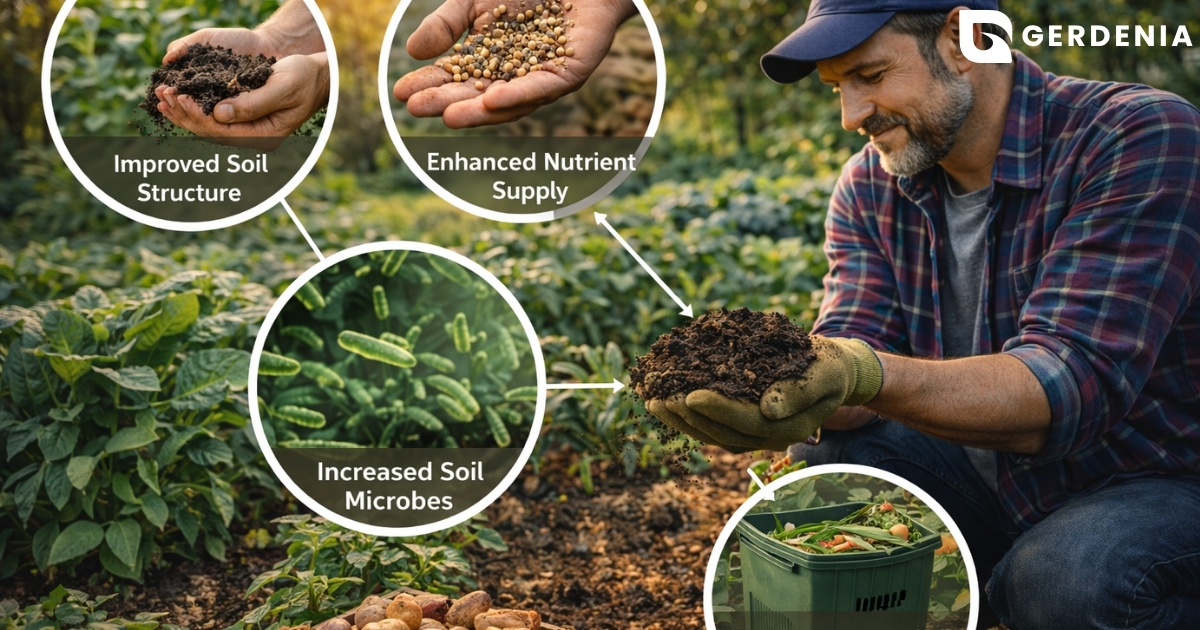
One of the primary benefits of using high rise garden beds is the ability to control soil quality. Urban soil is often contaminated with pollutants or heavily compacted, making it unsuitable for healthy plant growth. Raised garden beds allow you to start fresh by filling them with a custom soil mix that supports robust plant development. This control over soil composition means you can tailor the nutrient content and pH to suit specific plant needs, leading to healthier and more productive gardens.
Better Drainage
Raised beds offer superior drainage capabilities, preventing waterlogged soil and root rot, which are common issues in urban gardening due to heavy rains or inadequate drainage systems. Proper drainage ensures that plant roots receive enough oxygen, a critical factor for plant health and growth. High rise garden beds allow excess water to easily escape, maintaining the right moisture balance and reducing the risk of fungal diseases.
Pest Control

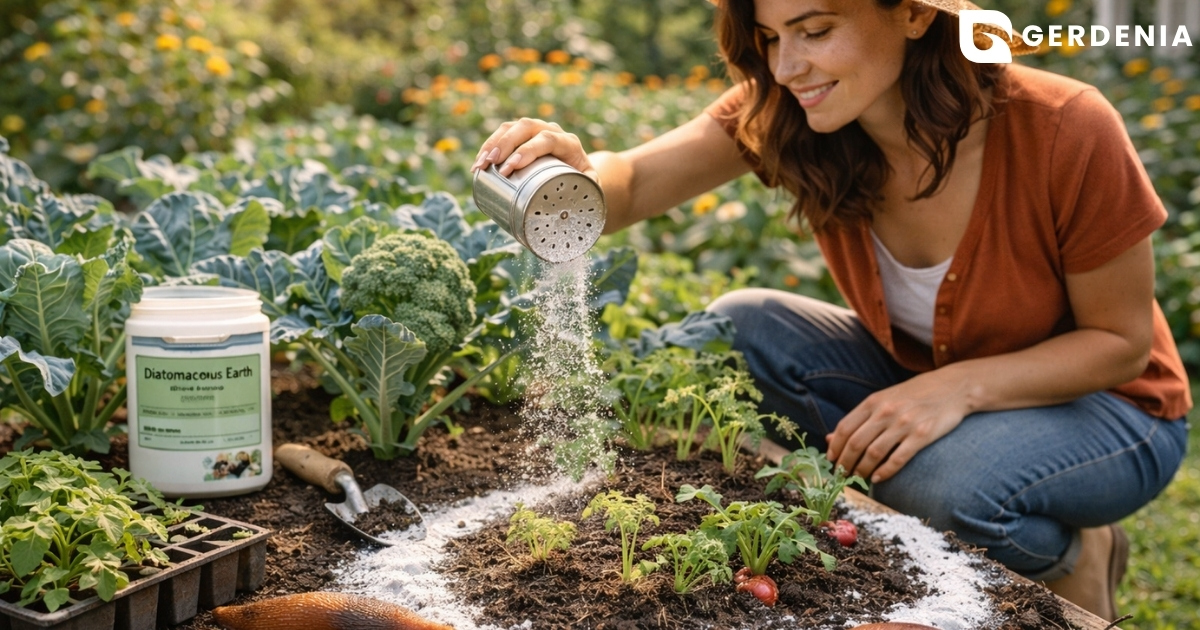
Urban environments can harbor a variety of pests that can damage your plants. High rise garden beds act as a physical barrier that helps deter some common pests, such as slugs and snails, which find it more challenging to reach the elevated plants. Additionally, the elevation makes it easier to spot and manage pest infestations before they become a serious problem. You can also easily add protective covers or netting to keep other pests at bay, providing an extra layer of security for your plants.
Space Efficiency
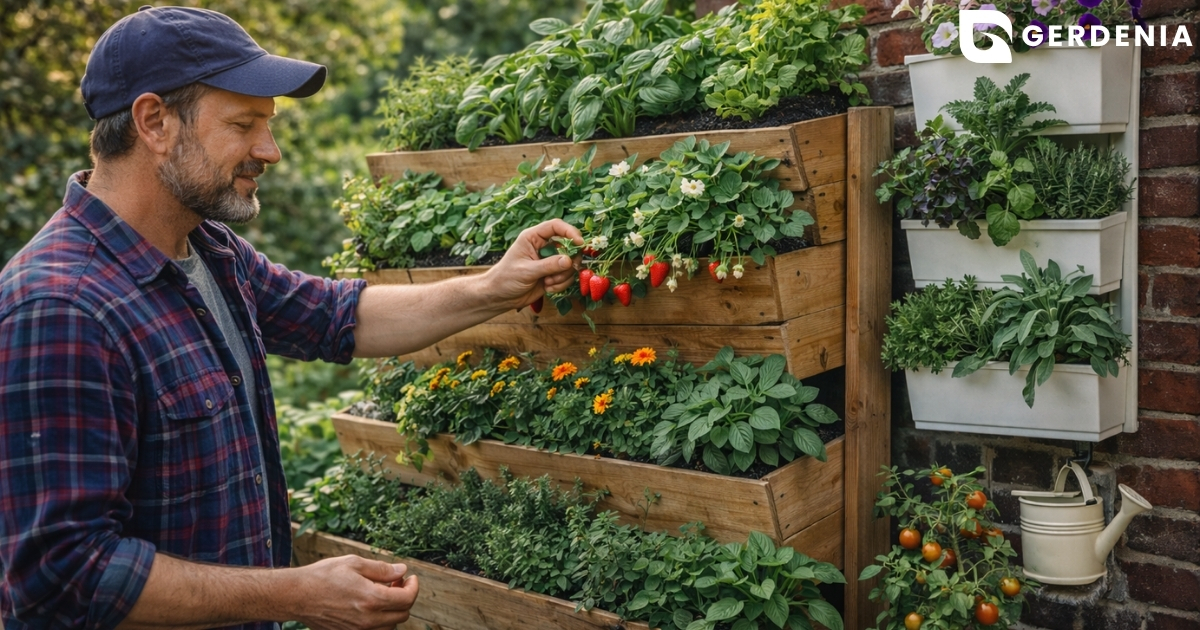
Urban spaces are often limited, and high rise garden beds maximize the available area for gardening. By utilizing vertical space, these beds enable you to grow a diverse array of plants within a small footprint, making them ideal for compact urban living. Raised rectangular planters and stand up gardens are particularly space-efficient, allowing you to cultivate more plants in less space. This efficiency can also translate into higher yields, providing more fresh produce from limited urban spaces.
Ergonomic Gardening
Gardening can be physically demanding, but high rise garden beds make it more accessible and comfortable. Stand up gardens eliminate the need to bend or kneel, reducing strain on your back and joints, which can be a significant barrier for many people. This ergonomic design makes gardening enjoyable and accessible for people of all ages and abilities, promoting inclusivity and encouraging a wider range of individuals to engage in gardening activities.
Extended Growing Season
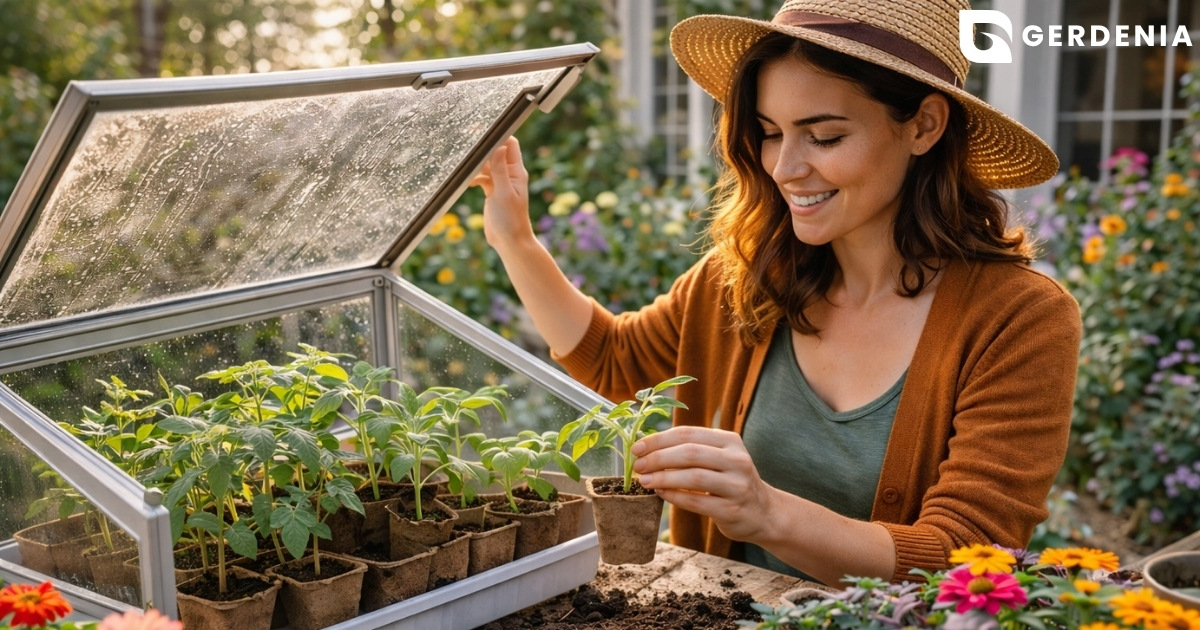
Raised beds tend to warm up faster in the spring and retain heat longer in the fall, effectively extending the growing season. This allows you to start planting earlier and harvest later than traditional in-ground gardens, giving you more time to enjoy fresh produce. You can also add covers to create a mini-greenhouse effect, further extending the growing season by protecting plants from unexpected frosts or cooler temperatures.
Designing Your High Rise Garden Bed
Choosing the Right Location
Select a sunny spot for your garden bed, as most plants require at least six hours of sunlight per day to thrive. If your space is limited, consider using mobile plastic raised planters that can be moved to follow the sun throughout the day. This flexibility allows you to optimize light exposure and ensure that your plants receive the energy they need for growth.
Selecting the Right Materials
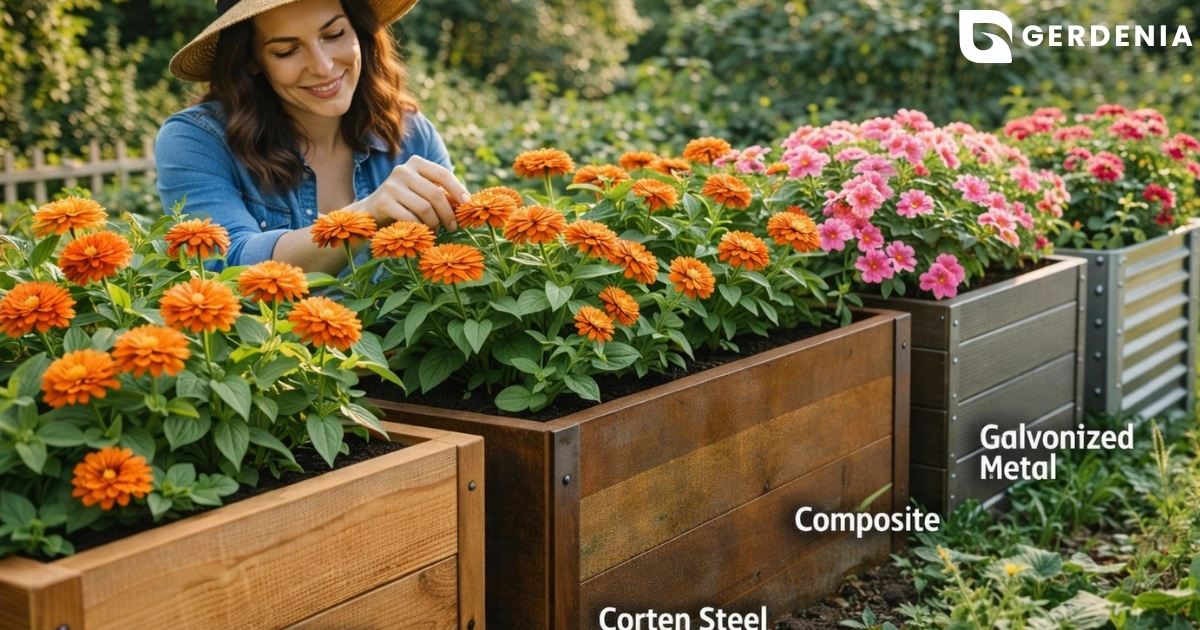
When building or purchasing a high rise garden bed, consider the materials you use. Wood, metal, and plastic are common choices, each offering distinct advantages and disadvantages. Wood is aesthetically pleasing and provides a natural look, but it may require more maintenance and treatment to prevent decay. Metal is durable and long-lasting, capable of withstanding harsh weather conditions, but it can become hot in direct sunlight. Plastic is lightweight, easy to clean, and resistant to weathering, but may not have the same visual appeal as other materials.
Soil and Plant Selection
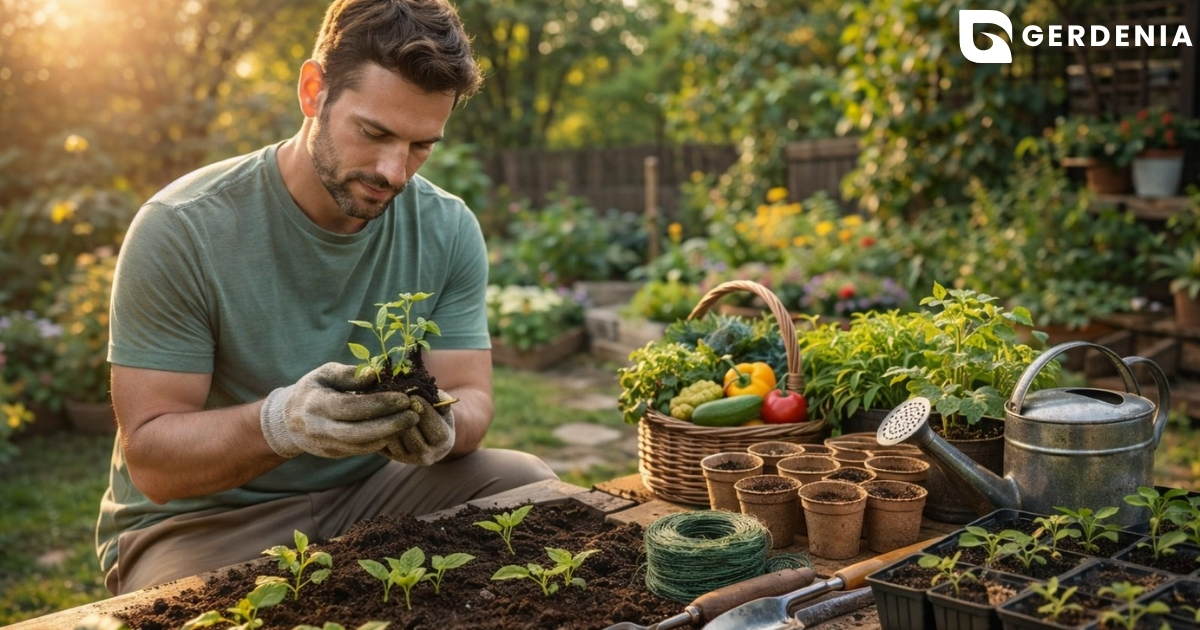
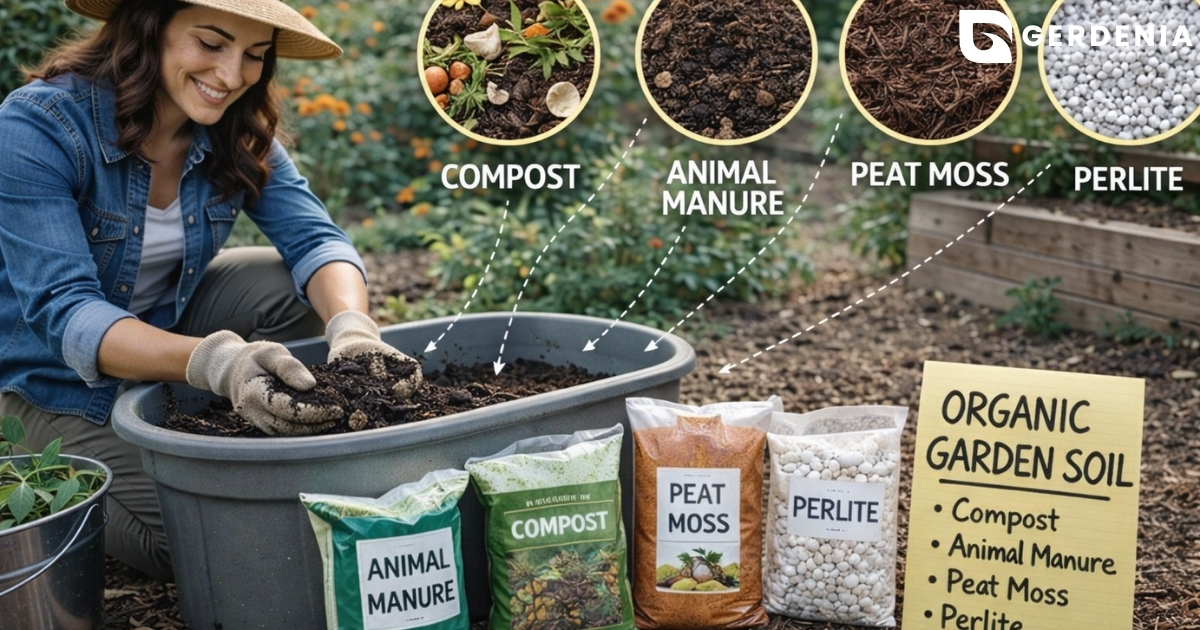
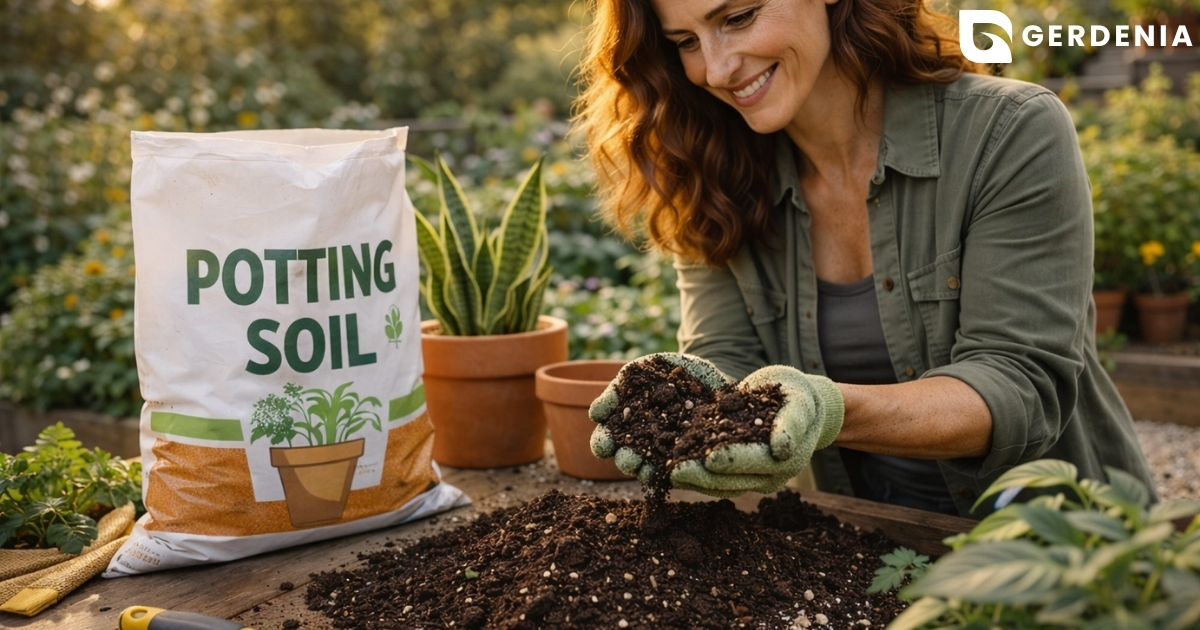
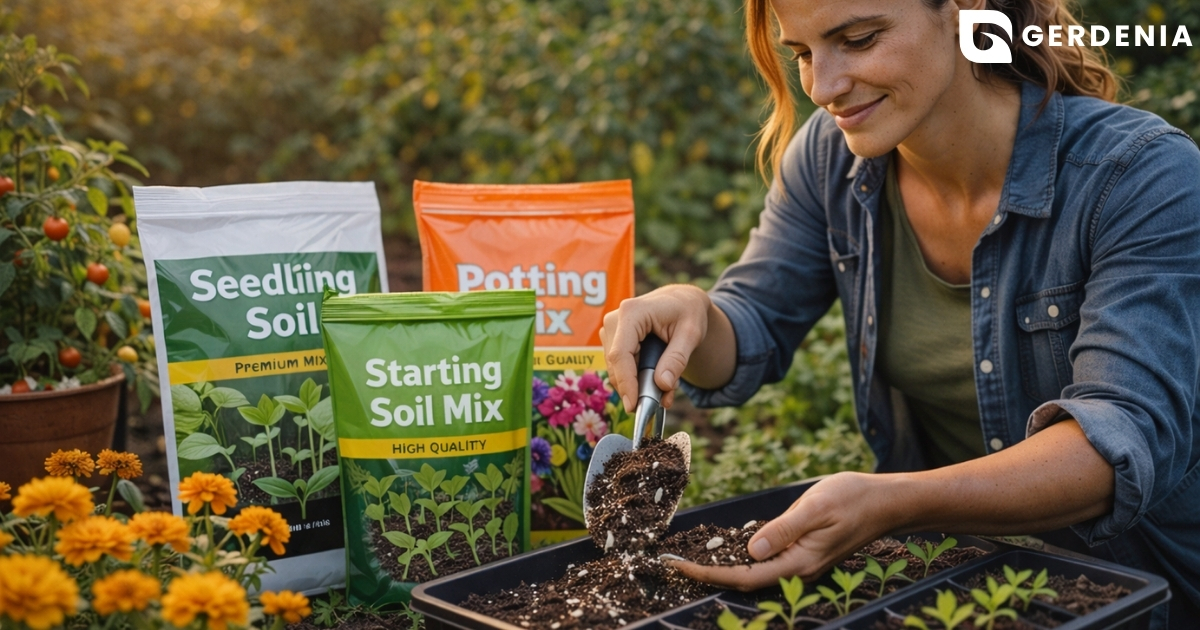
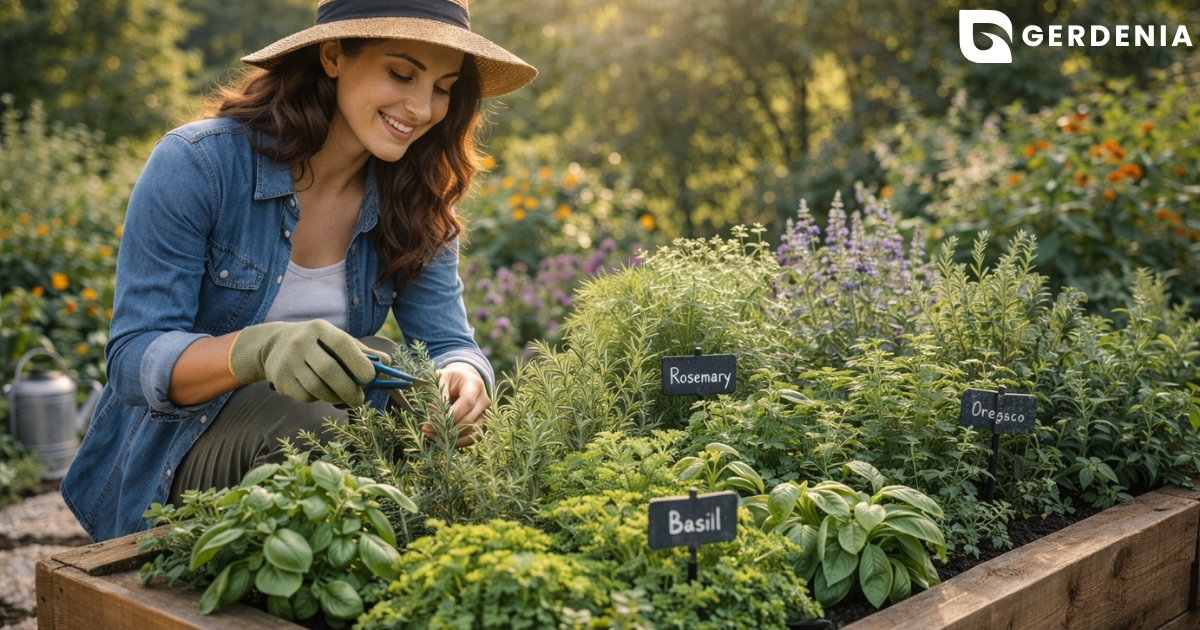
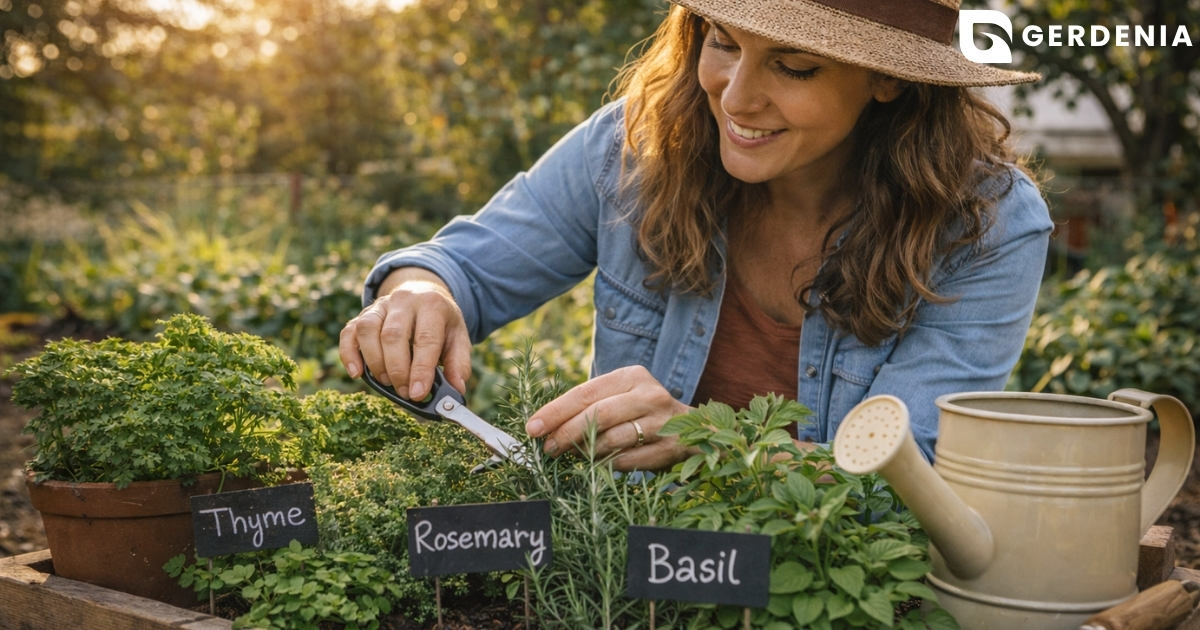
Choose a high-quality soil mix specifically designed for raised beds, typically including a blend of compost, peat moss, and vermiculite or perlite. This combination ensures essential nutrients and proper drainage, supporting healthy plant growth. When selecting plants, consider your local climate and the amount of sunlight your garden bed receives. Leafy greens, herbs, and compact vegetables like tomatoes and peppers are excellent choices for urban gardens, as they are typically well-suited to container growing and can thrive in varying conditions.
Maintenance Tips for High Rise Garden Beds
Watering
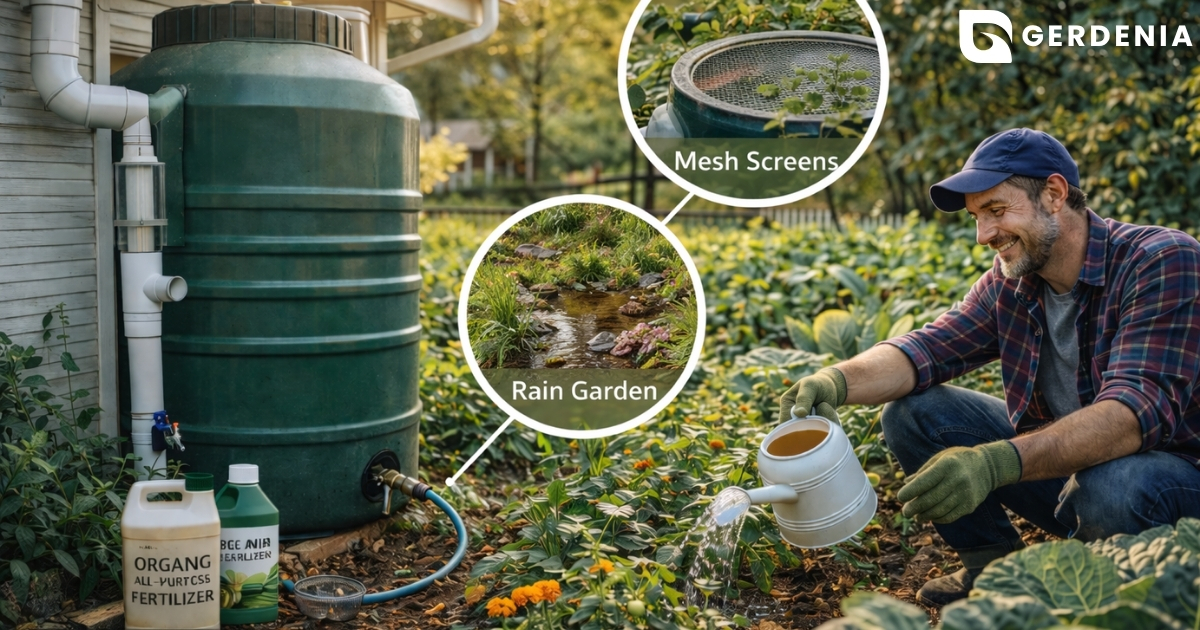
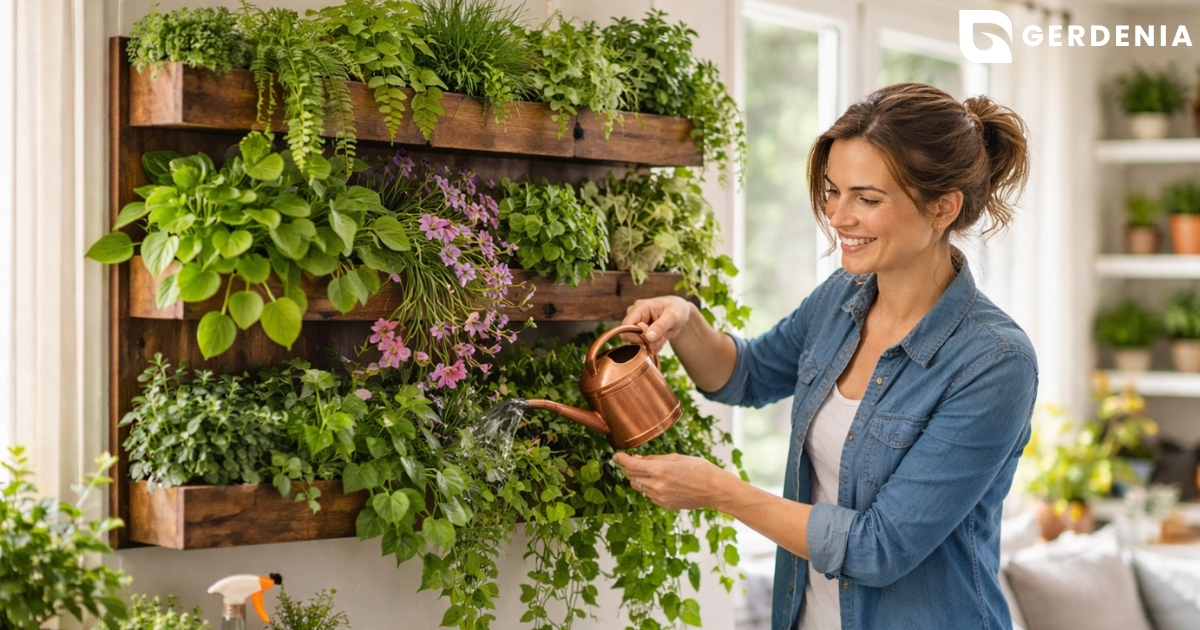
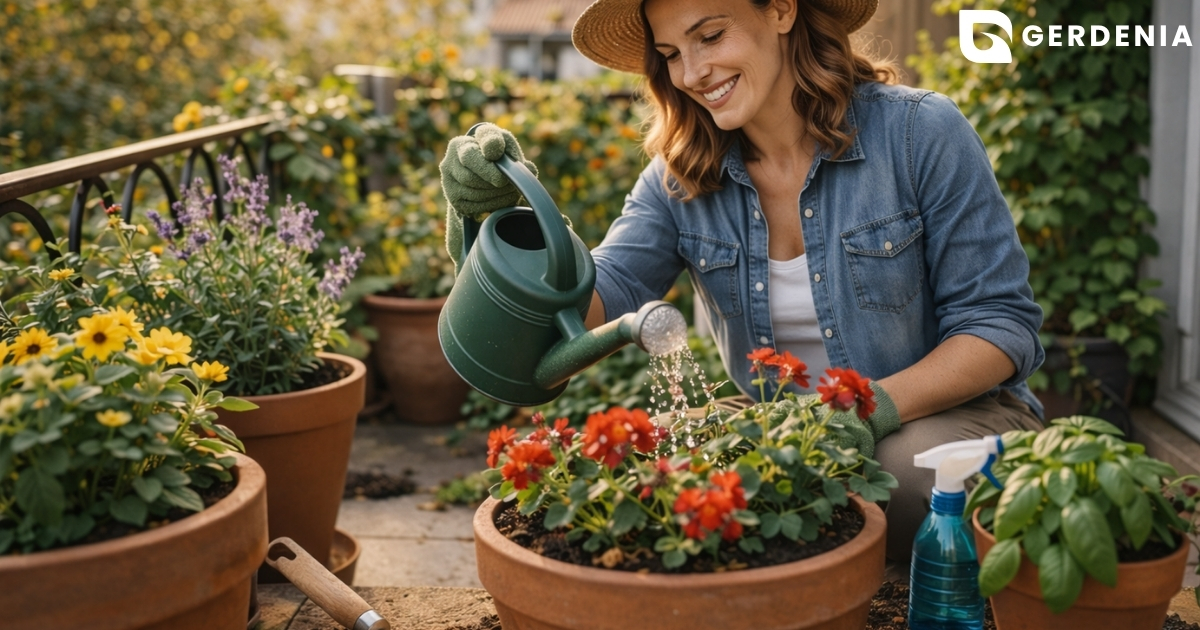
Raised beds tend to dry out faster than in-ground gardens, so consistent watering is essential for maintaining healthy plants. Implementing a drip irrigation system or soaker hoses can provide efficient water delivery, minimizing waste and ensuring even moisture distribution. Regularly check the soil moisture, especially during hot or windy weather, to prevent dehydration and stress on your plants.
Fertilizing
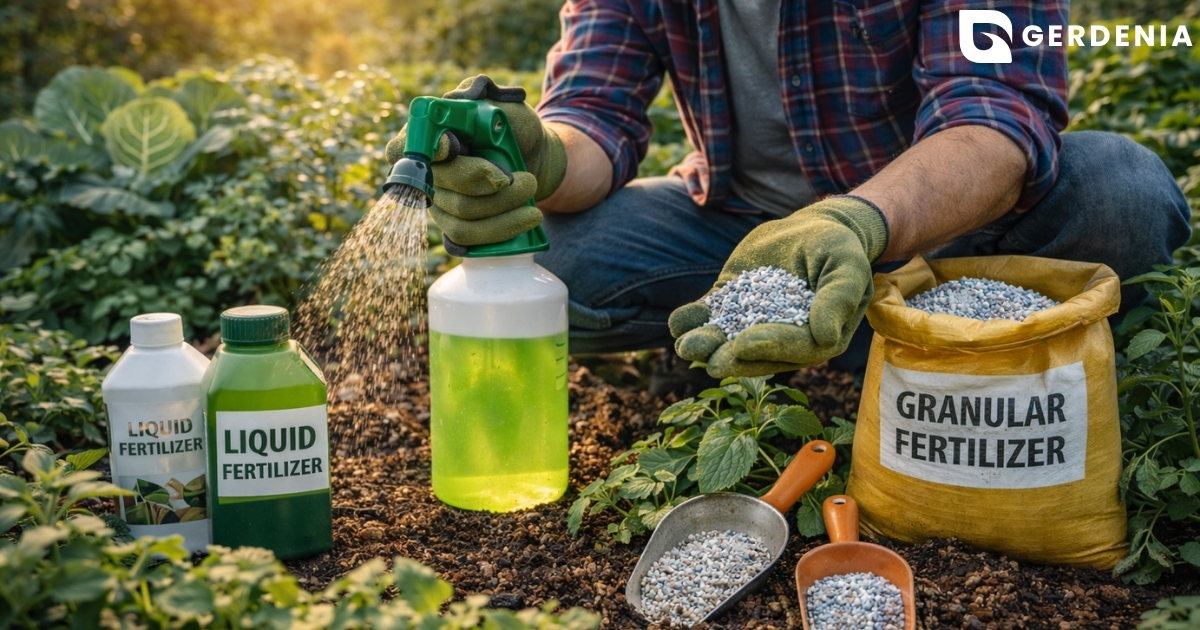
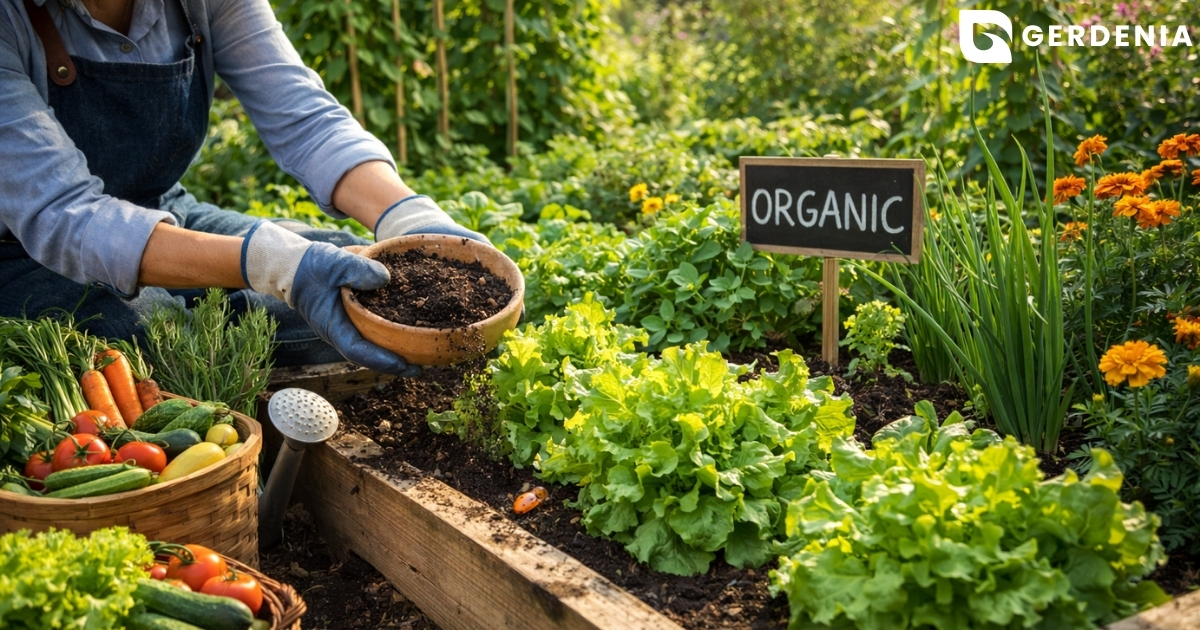
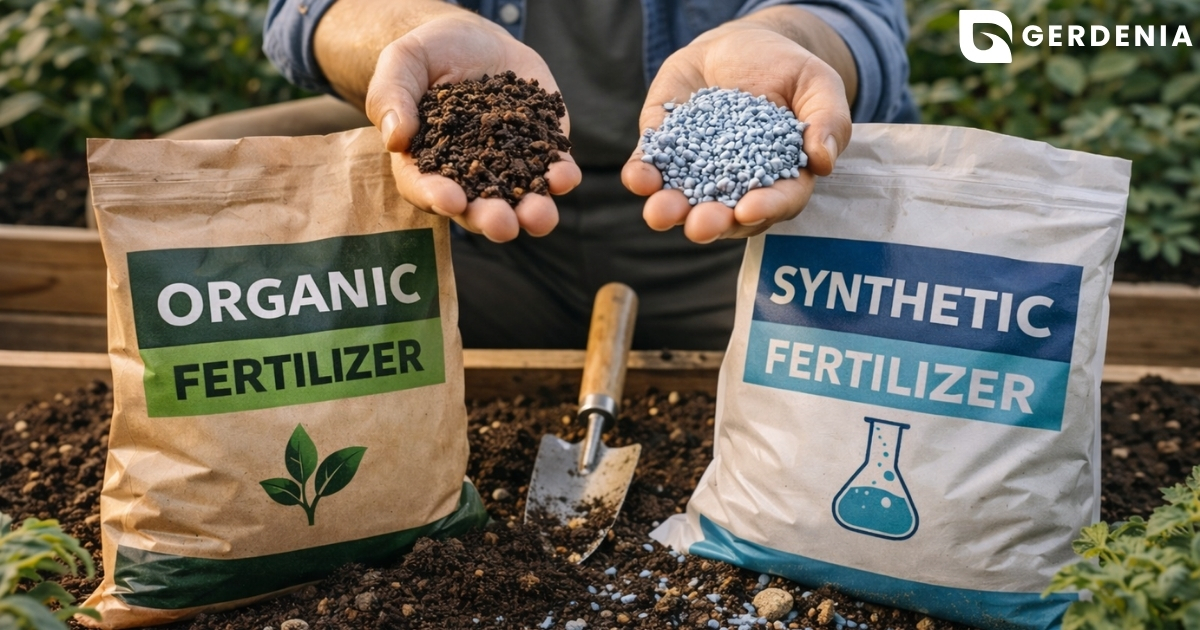
High rise garden beds benefit from regular fertilization to replenish essential nutrients that may be depleted over time. Use organic fertilizers or compost to maintain healthy soil and promote vigorous plant growth without introducing harmful chemicals. Following package instructions for application rates and timing is crucial to avoid over-fertilization, which can harm plants and lead to nutrient imbalances.
Pest Management
Monitor your plants regularly for signs of pests or diseases, as early detection is key to preventing significant damage. Employ organic pest control methods, such as neem oil or insecticidal soap, to protect your plants without harming beneficial insects. Regularly inspect the undersides of leaves for pests and remove any affected foliage promptly to prevent the spread of infestations.
Seasonal Maintenance
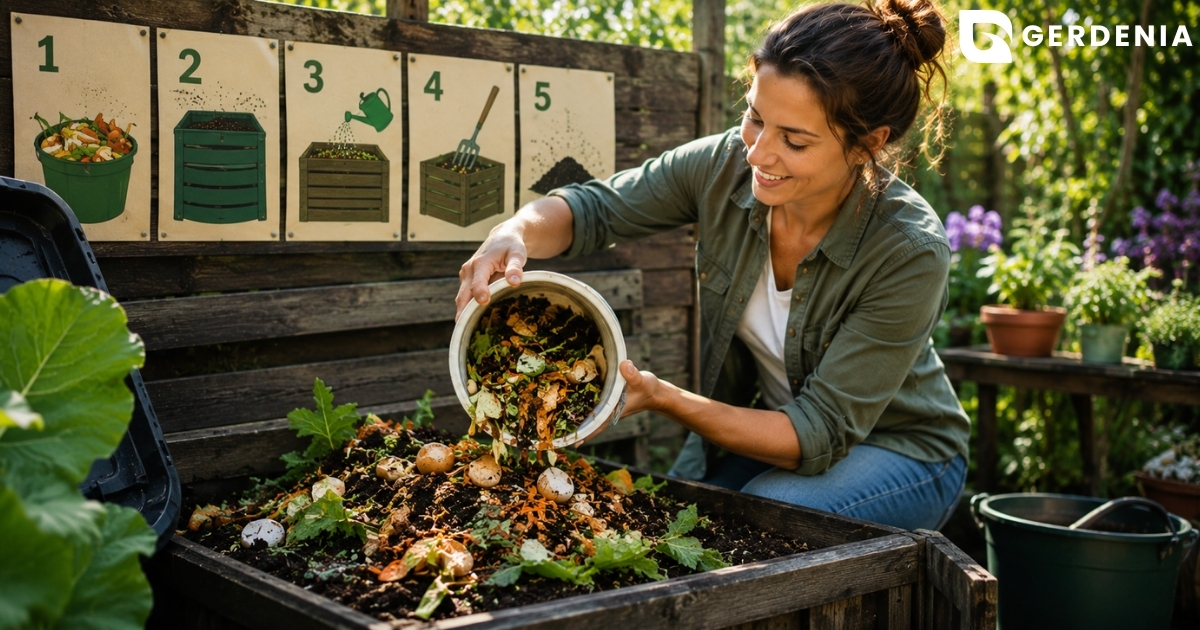
At the end of the growing season, remove any remaining plant debris and replenish the soil with fresh compost to prepare for the next cycle. Cover your high rise garden bed with a protective layer, such as mulch or a weather-resistant cover, to shield it from harsh winter conditions. This preparation helps maintain soil health and structure, ensuring your garden is ready for planting when the new season begins.
Conclusion
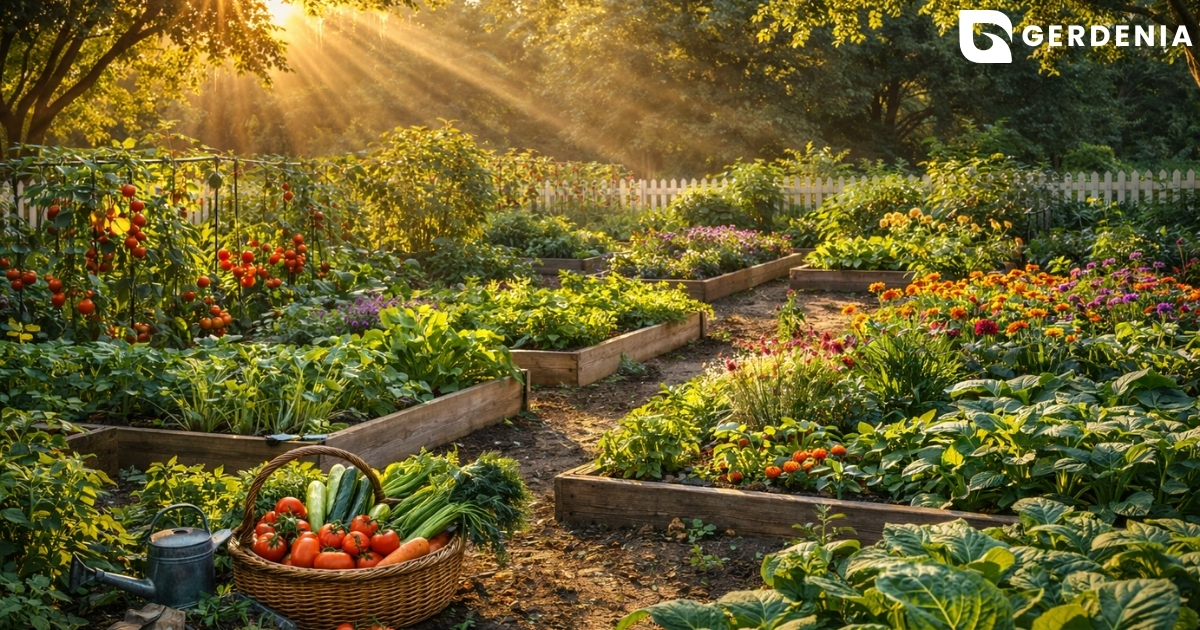
High rise garden beds offer numerous benefits for urban gardening, from improved soil quality and drainage to space efficiency and extended growing seasons. By investing in a high rise garden bed, you can transform your limited urban space into a thriving garden, providing fresh produce and a beautiful green oasis. This innovation not only enhances your living environment but also contributes to a more sustainable and self-sufficient lifestyle.
Whether you’re a seasoned gardener or a beginner, high rise garden beds make urban gardening accessible and enjoyable for everyone. With the right planning, materials, and maintenance, your urban garden can flourish, bringing nature into your city life and fostering a deeper connection with the environment.