Have you ever been fooled by a warm week in February, only to lose a tray of young seedlings to a surprise April freeze? Locals know this notorious phenomenon well, affectionately calling it the “False Spring.” This erratic temperature swing tricks eager growers into putting seeds in the dirt far too early. Determining exactly when to plant garden in georgia requires ignoring those randomly sunny afternoons and looking at the bigger environmental picture.
Think of your local Hardiness Zone like your home’s thermostat setting—it simply tells us the coldest your specific “house” gets during the winter. Planting a tomato in the Blue Ridge mountains is vastly different from planting one down in Savannah because their winter climates differ drastically. Knowing your specific zone provides a critical safety buffer against those unexpected late frosts.
A frequent mistake is trusting the weather app rather than the ground beneath your feet. While the afternoon breeze might feel perfectly warm on your skin, soil temperature is actually a much more reliable metric for your plants than air temperature. The earth takes significantly longer to warm up than the sky, and placing tender roots into freezing mud will stall their development immediately.
According to the University of Georgia Extension, the state’s gold-standard resource for agricultural timing, waiting for the ground to consistently reach sixty degrees is essential. Relying on their localized data helps you build a dependable vegetable planting schedule tailored perfectly to your county. By trusting proven soil metrics over deceptive weather patterns, you guarantee your long-term Georgia gardening success.
Decoding the Georgia Hardiness Zone Map
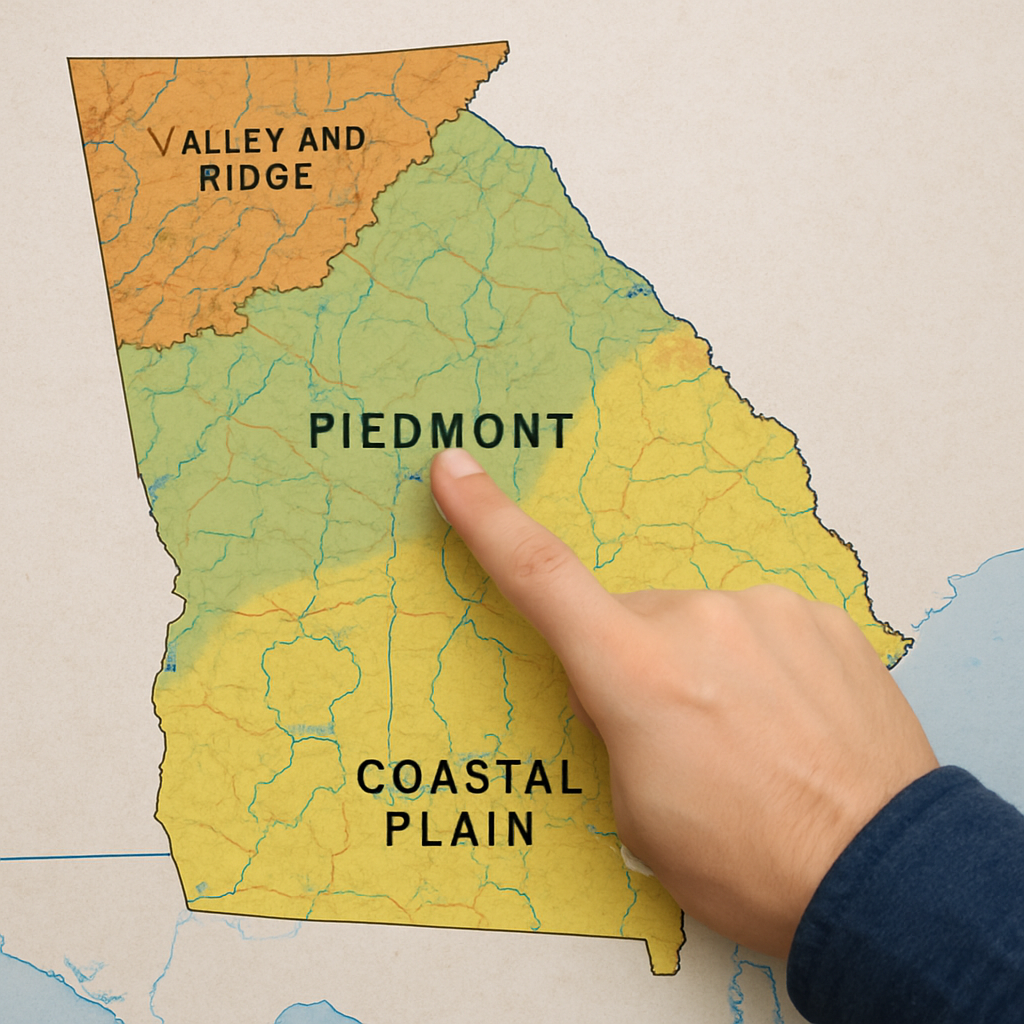
If you’ve lived here long, you know our weather has a mind of its own. To solve this puzzle, gardeners rely on USDA zones Georgia rankings. From the chilly Blue Ridge peaks to the balmy coast, our state’s zones range widely from 6b to 9a.
Driving south reveals exactly why these numbers matter. Right through the middle of the state runs the “Fall Line,” a natural drop-off separating the hilly Piedmont from the flat Coastal Plain. This boundary drastically shifts our planting regions GA. South of this line, soils warm up weeks earlier, meaning southern gardeners can plant collard greens and tomatoes while northern folks are still scraping windshield ice.
Checking a Georgia hardiness zones map prevents you from putting tender plants outside too early. Our state divides naturally into three distinct areas:
- The Mountains (Zones 6b-7b): Coolest winters, requiring the most patience.
- The Piedmont (Zones 7b-8a): The clay-heavy middle ground covering Atlanta.
- The Coastal Plain (Zones 8b-9a): South of the Fall Line with early, warm springs.
Knowing your specific zone prepares you for the next critical step: using your last frost date as an insurance policy against the “False Spring.”
The ‘False Spring’ Insurance Policy: Mastering Last Frost Dates
The classic “False Spring” is a major hurdle for local gardeners. To survive the deception of a warm March week followed by April ice, you must know the difference between a light frost (temperatures dipping to 32°F, nipping tender leaves) and a hard freeze (dropping below 28°F, destroying roots). A late spring freeze can easily wipe out your hard work if you ignore your local Georgia frost dates.
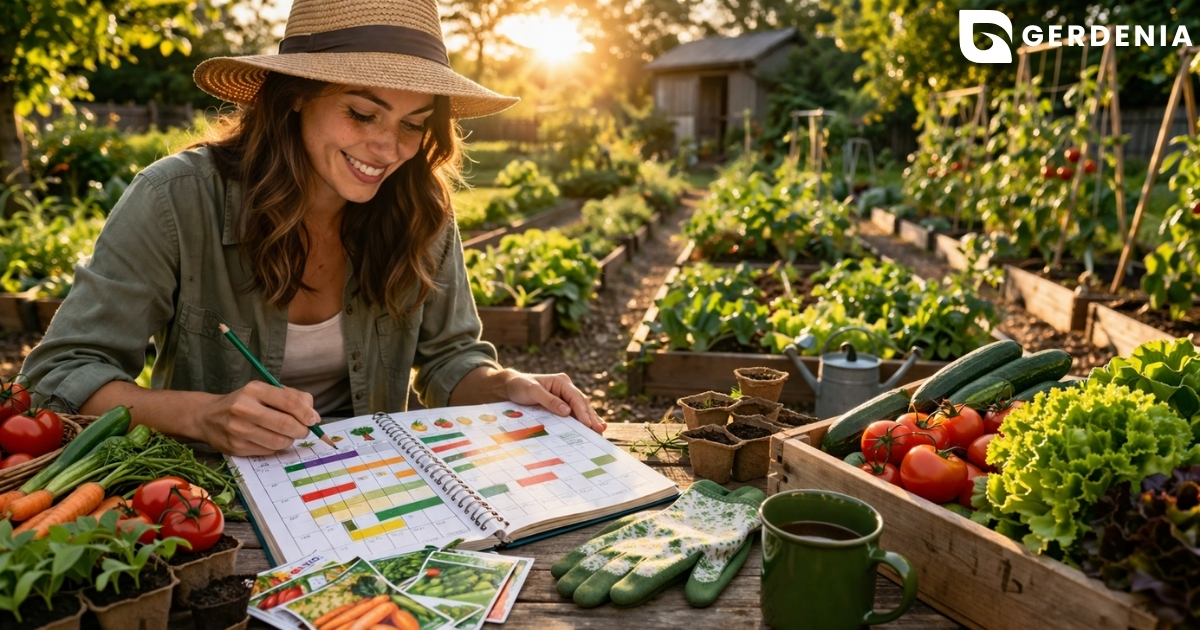
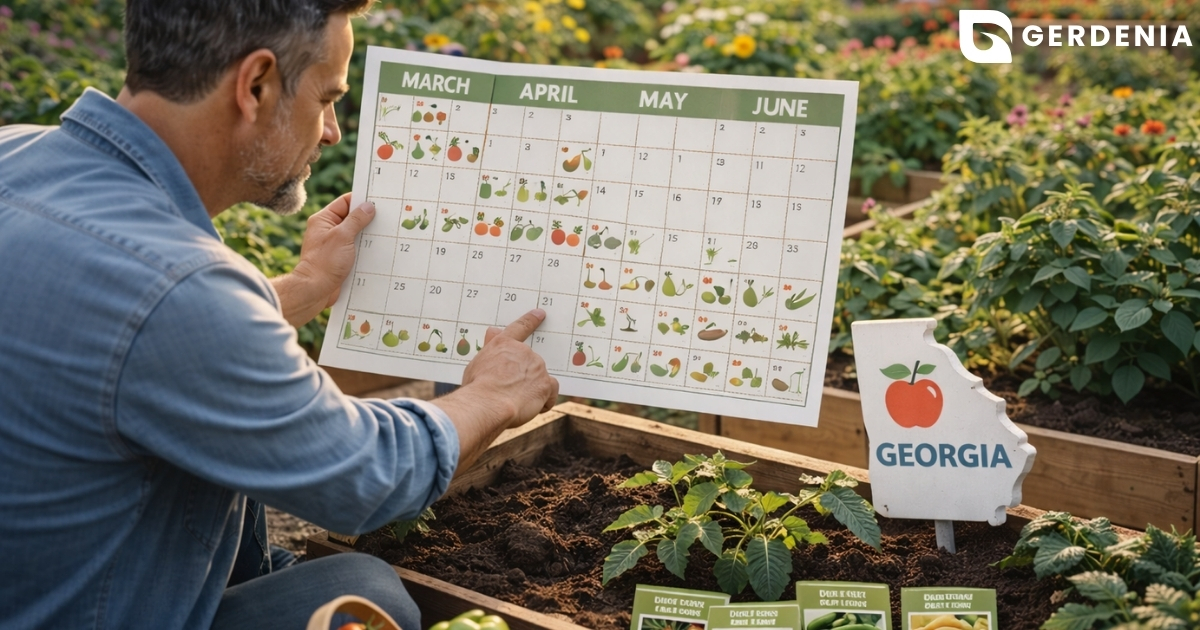
The best tool for timing this isn’t a shovel; it’s the calendar. An average last frost date by city marks the historical point when freezing weather usually ends. Because our state’s geography varies so wildly, this milestone shifts significantly depending on your zip code:
- Blue Ridge: April 25
- Atlanta: April 4
- Macon: March 21
- Savannah: March 1
Here is the catch: those dates are just a 50/50 gamble, not a guarantee. To protect sensitive seedlings, you need a “Safety Buffer.” Adding a two-week wait past your official date acts as cheap insurance against unpredictable weather swings. Once that buffer window safely closes, the dirt is finally ready. With frost worries officially behind you, it is time to start timing your cool-season staples for the spring kickoff.
Spring Kickoff: Timing Your Cool-Season Staples
While waiting out that final frost safety buffer, your garden does not have to sit empty. The secret to a longer harvest is understanding cool season vs warm season vegetables. Think of cool-season crops as your “winter-jacket” plants. They actually prefer chilly, early spring air and easily survive light frosts. You can execute a late winter sowing strategy for these hardy greens long before spring officially begins.
The trick to successful early germination is checking soil temperature rather than just the air outside. Seeds for peas and onions need the dirt to reach about 45°F to wake up. Any reliable vegetable planting chart georgia will tell you to get these chilling survivors in the ground between late February and early March:
- Collards
- Kale
- Onions
- Broccoli
- Lettuce
Getting these into the soil early prevents a garden killer known as “bolting.” When Georgia’s heat inevitably spikes, cool-weather plants panic and rapidly grow a tall flower stalk, which turns their edible leaves horribly bitter. Knowing exactly when to plant collards in Georgia ensures they mature before a sweltering May afternoon triggers this bolting response. Once these early greens finish, the soil is finally warm enough for summer crops.
The Tomato Window: Nailing the Transition to Summer
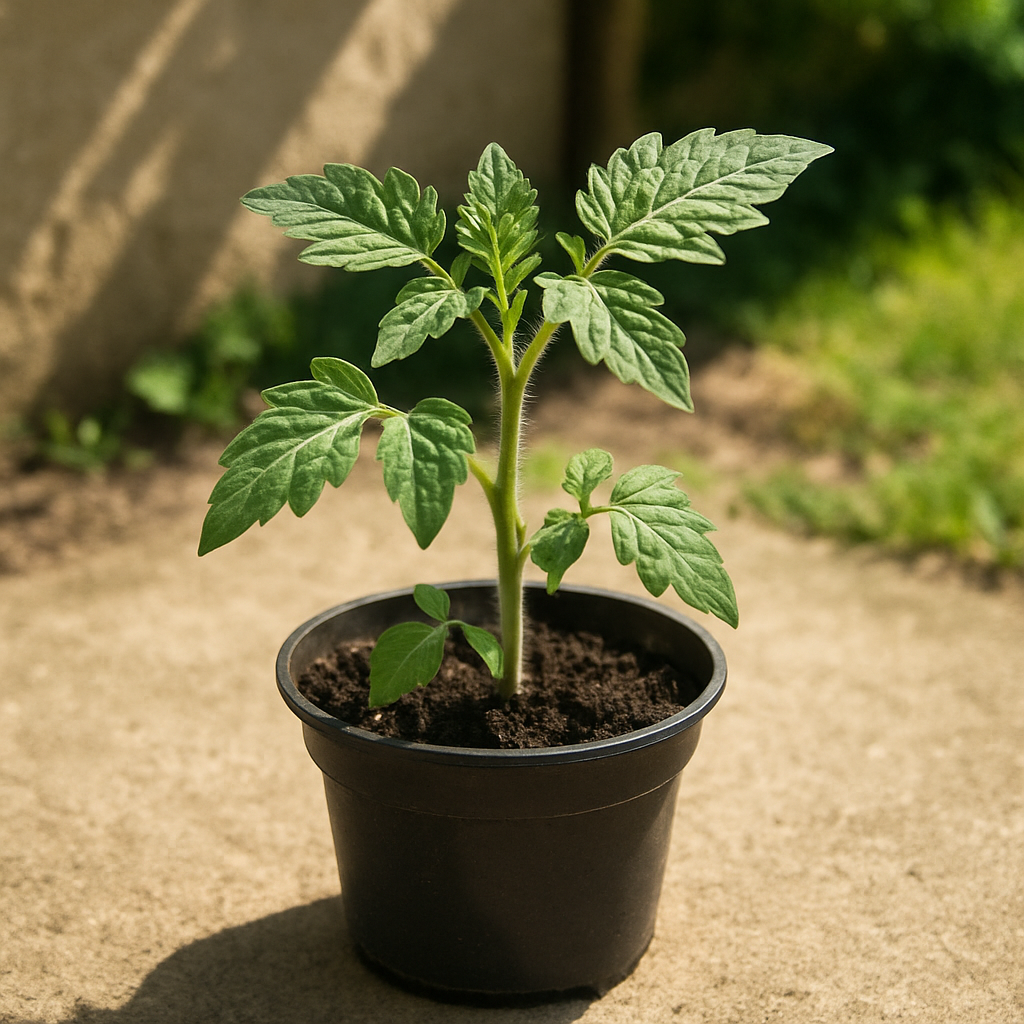
Rushing a seedling into the ground in early March often results in it just sitting there shivering. Nailing the best time to plant tomatoes in GA requires looking down instead of up. While the spring air might feel warm, summer crops care deeply about the soil temperature for vegetable seed germination and root development. Your garden beds must reach a cozy 65°F before these tender plants permanently move out. Finding this optimal transplanting time for peppers and tomatoes—usually mid-April—ensures they grow strong and set fruit long before the extreme July heat stunts their production.
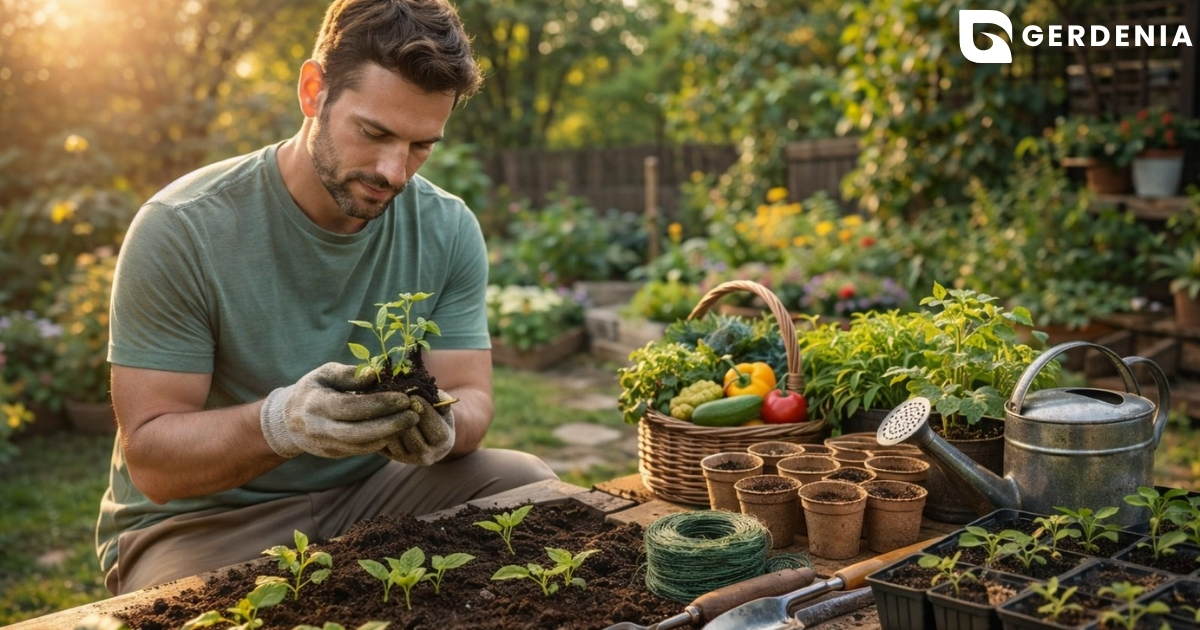
Once the dirt is warm enough, your indoor plants still need a gradual transition called “hardening off.” Think of this step as a week-long outdoor bootcamp to prevent fatal transplant shock from sudden wind and intense sunlight.
- Days 1-2: Two hours of dappled afternoon shade, then back indoors.
- Days 3-5: Half-day of gentle morning sun, protected from harsh breezes.
- Days 6-7: Full outdoor sun exposure before planting.
Successfully graduating your delicate seedlings into the summer garden establishes the foundation for a massive backyard harvest. However, as the grueling summer sun eventually takes its toll, even the healthiest early crops will tire out, leading to the inevitable late-summer slump.
Defeating the ‘August Burn-Up’ with Succession Planting
When late July arrives, Georgia’s 90-degree heat and suffocating humidity cause many spring plants to give up. Instead of staring at a withered garden bed, use a strategy called succession planting. Think of this as working in shifts: as soon as one crop fades, you immediately replace it with a new seed. Utilizing succession planting for humid climates ensures your backyard produces fresh food straight through August rather than hitting a late-summer dead zone.
Making this shift work requires choosing the right replacements. While early tomatoes struggle in extreme heat, certain “Georgia-Tough” crops actually thrive when the air feels like a sauna. By tracking your gardening in georgia month by month, you will know exactly when to swap delicate plants for these summer heat tolerant vegetable varieties:
- Okra: Thrives in direct, scorching sun and heavy humidity.
- Southern Peas: Heat-loving legumes that naturally enrich your soil.
- Sweet Potatoes: Sprawling vines that actively prefer hot dirt.
Protecting your remaining spring holdovers requires defending them against the brutal mid-day sun. Rigging an inexpensive shade cloth over struggling peppers lowers the temperature just enough to help them survive. As these resilient crops push through the grueling late summer, slightly cooler evenings will eventually signal the start of the autumn growing season.
The Second Harvest: Planning Your Georgia Fall Garden
Escaping the brutal summer heat means finally embracing fall vegetable gardening in Georgia. To pull off a successful autumn harvest, you must master a technique called backward scheduling. Think of this like cooking a holiday dinner: you work in reverse from the exact time your guests will eat. In the garden, your ultimate deadline is the First Frost Date—the earliest day freezing temperatures arrive to kill tender plants.
That deadline dictates your entire strategy because the first frost date North Georgia vs Coastal Georgia varies wildly. A Blue Ridge gardener might see ice by mid-October, while a Savannah gardener grows safely until late November. Simply find your local date using University of Georgia Extension maps, check the “days to maturity” on your seed packets, and count backward on the calendar. Add a two-week safety buffer for unpredictable weather to secure your ideal planting window.
Maximizing this Georgia vegetable planting schedule requires acting while the soil remains warm. Follow this timeline for sowing fall crops in August and September:
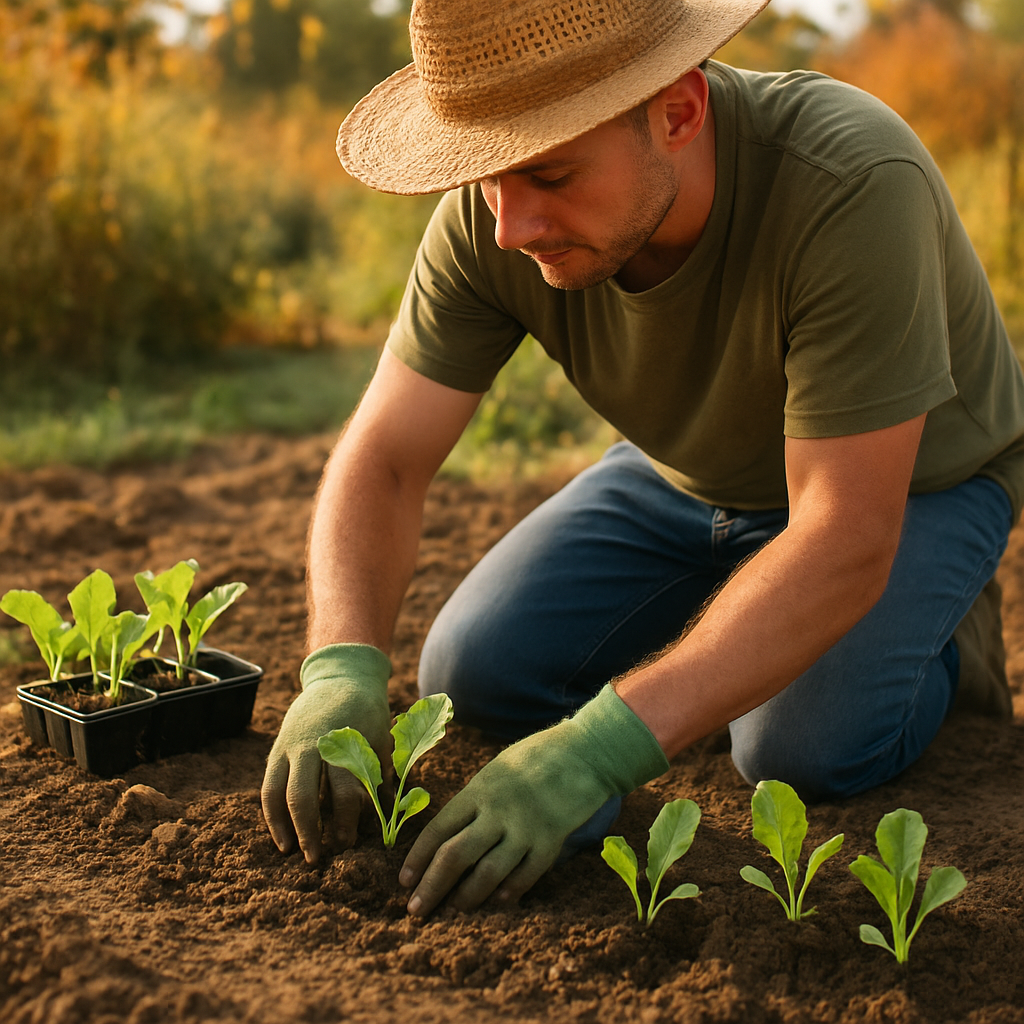
- Mid-August: Start broccoli and cabbage seeds in shaded trays.
- Early September: Direct sow leafy greens like collards and spinach.
- Late September: Plant root vegetables like radishes as the evenings cool.
Winter Prep: Seeds, Fruit Trees, and Soil Protection
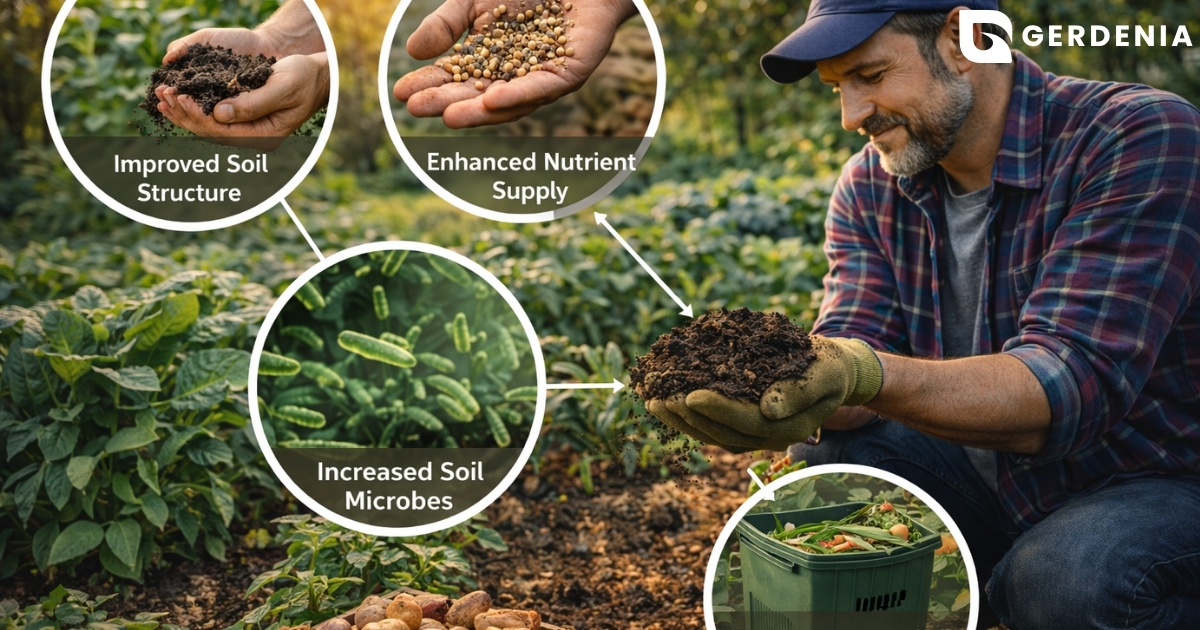
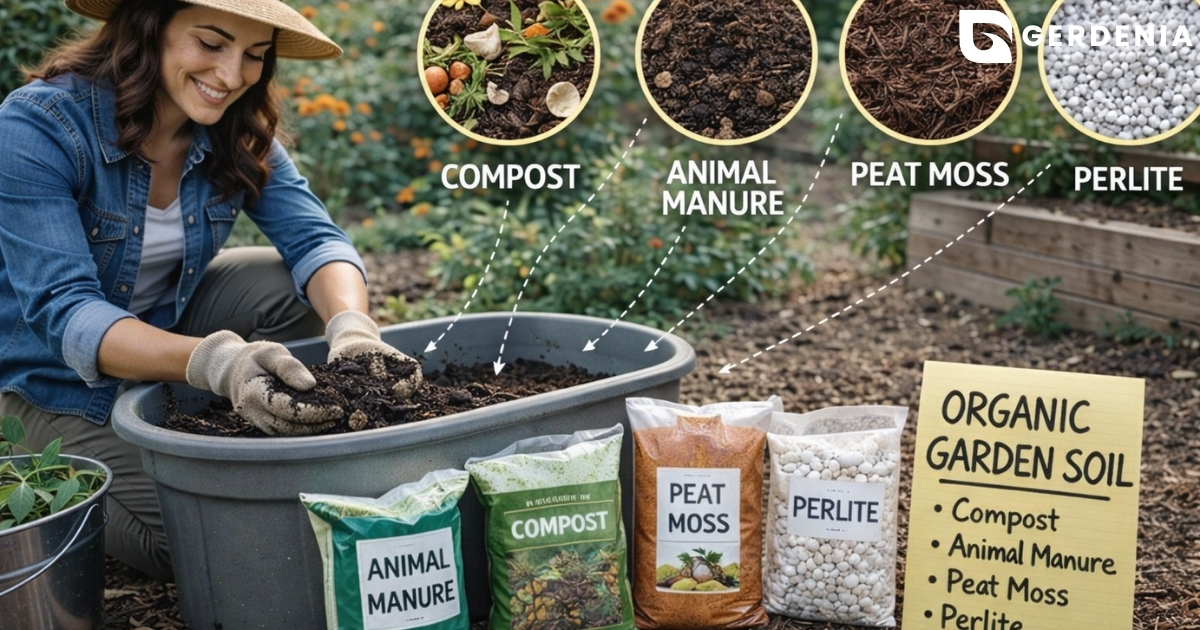
While your garden beds might look empty after the fall harvest, the coldest months are actually the perfect time to rebuild your dirt. Instead of leaving bare earth, you can use winter cover crops for Georgia gardens, like crimson clover. Think of a cover crop as a living blanket that protects the ground from freezing rain and naturally adds nutrients back into our stubborn red clay.
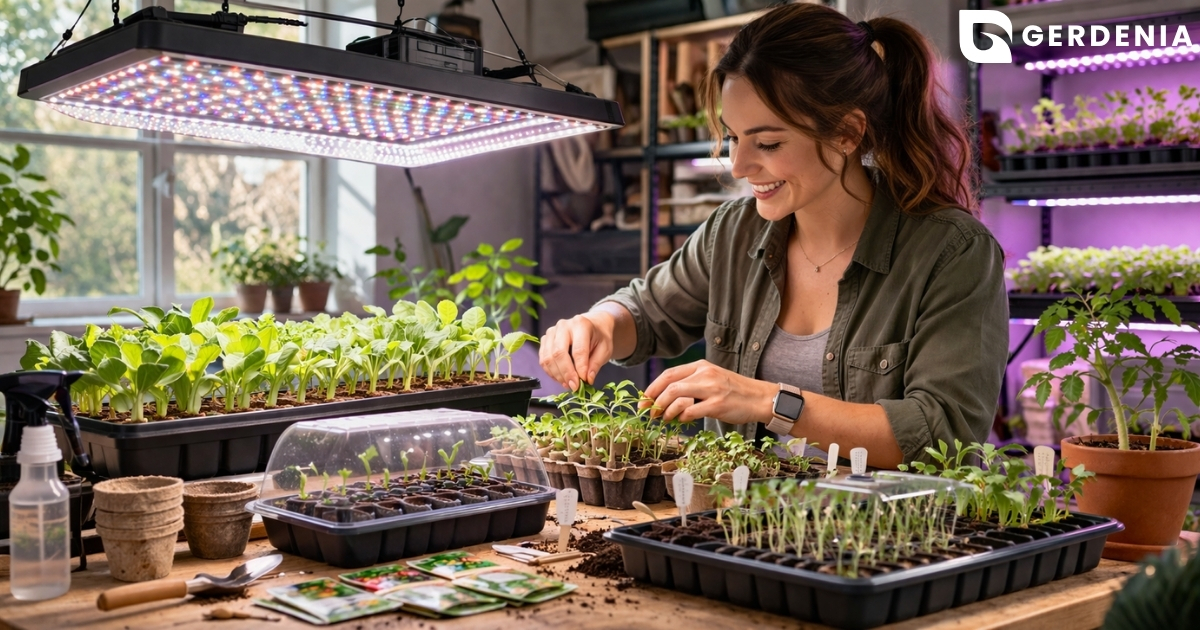
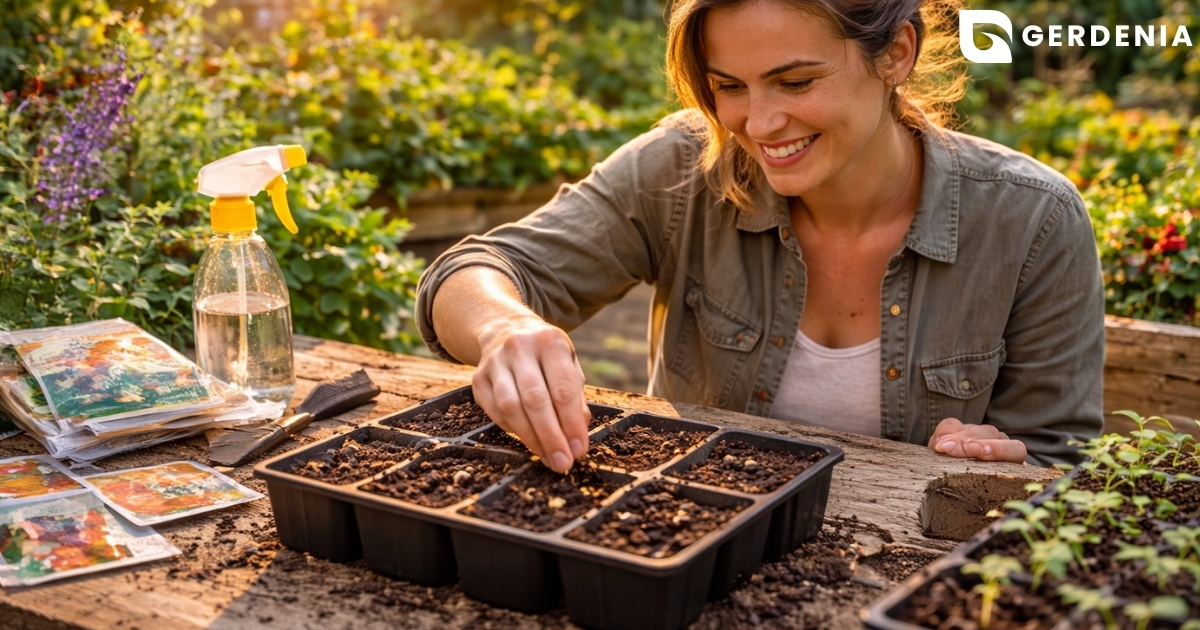
January is the ideal time to shift your gardening focus to the kitchen table. Starting seeds indoors in late winter is your best defense against Georgia’s notorious “False Spring”—those tricky warm days in February that tempt you to plant too early. Setting up seed trays near a sunny window lets you safely nurture delicate tomatoes and peppers, jumpstarting the spring season without risking your tender sprouts to a surprise freeze.
Outdoors, the freezing weather provides the safest window for establishing permanent additions to your yard. Planting fruit trees in late winter, while they are completely “asleep” in their dormancy phase, ensures their roots settle deeply before the brutal summer heat demands all their energy. Follow this schedule for the state’s most reliable growers:
- Apples: Plant bare-root trees from January through February, especially in the North Georgia mountains.
- Peaches: Get these local classics into the ground by mid-February.
- Figs: Safely plant by late February down in the Coastal plains.
Your Year-Round Georgia Success Roadmap
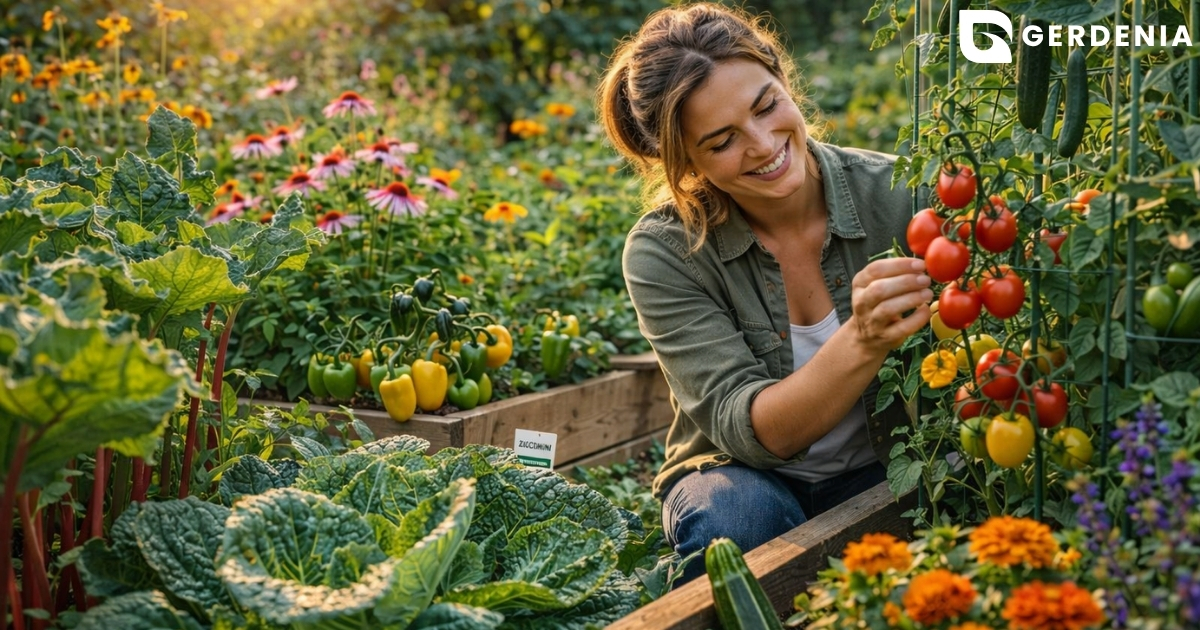
You no longer have to cross your fingers and guess when to plant garden in georgia. By understanding the natural rhythm of our state’s distinct regions, you have transformed unpredictable southern weather from a frustrating obstacle into a manageable, year-round strategy.
To guarantee your gardening success, start by identifying the average last frost date for your specific city and applying that crucial two-week safety buffer. Once you know your date, download a local Georgia vegetable planting chart to build a personalized calendar tailored strictly to your backyard. With your schedule in hand, simply pick a reliable regional favorite like tomatoes or collards and confidently put your first seed into the soil.
Those notorious “False Spring” temperature swings will inevitably return to tease us, but you now possess the knowledge to outsmart them. Armed with the right timing and a little patience, you are completely equipped to turn your patch of dirt into a thriving, resilient harvest.