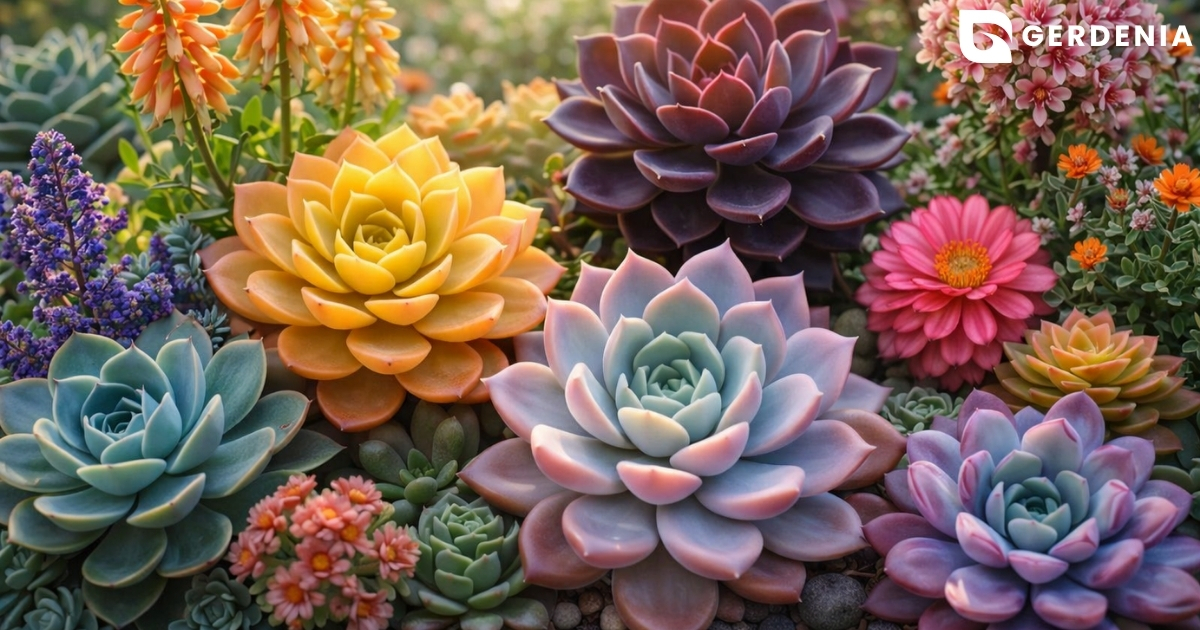
You likely bought your chunky green companion for its low-maintenance leaves, but one morning you wake up to find a vibrant, neon-pink crown reaching for the ceiling. Think succulent plants are just static pebbles with roots? According to botanists, almost all of these desert favorites are secret flowering machines. Instead of remaining unchanging year-round, they offer incredible aesthetic value far beyond their everyday foliage.
This magical transformation is actually a standard part of their natural bloom cycle, though it often catches beginners completely off guard. A succulent flower isn’t just a random event; it acts as a “thank you” from your plant, signaling that it has moved past merely surviving into truly thriving. When they possess enough stored energy, these resilient beauties reward your good care by sending up spectacular shapes like bells, stars, or tiny paintbrushes.
Unlocking this grand finale usually comes down to understanding a few basic environmental triggers. While learning exactly how to make succulents bloom requires paying attention to a simple balance of sunlight and seasonal temperature shifts, the payoff is magnificent. Ten beginner-friendly varieties eagerly put on this spectacular show right on your windowsill.

Is That a New Leaf or a Flower?
Have you ever noticed your plant growing a strange, tall “antenna”? When new growth appears, it can be tricky to know if you’re getting a baby plant or a highly anticipated succulent flower. As your plant shows signs of maturity, it will channel energy into producing either an offset (a baby “pup”) or a bloom stalk, botanically known as an inflorescence. To tell an inflorescence vs offsets apart early on, look for these three physical differences:
-
Location: Pups usually sprout near the soil line, while bloom stalks shoot directly from the center or tucked between the upper leaves.
-
Thickness: A flower stalk resembles a slender spear, whereas a pup starts as a chunky, miniature version of the mother plant.
-
Leaf Shape: The tiny leaves on a stalk lie flat and point upward, unlike the thick, rounded rosettes of a new baby.
Spotting that slender stalk means your care routine is working beautifully. While many succulents push out these bright displays during spring, others save their energy for the colder months.
1. Christmas Cactus (Schlumbergera): The Winter Holiday Hero
Unlike the sun-loving rosettes on your windowsill, the Christmas Cactus (Schlumbergera) is a jungle native that puts on a spectacular winter show. When this plant shifts from its leafy growing phase into its blooming phase, the tips of its segmented stems erupt into vibrant, drooping bell-shaped flowers. Many people struggle to get these holiday favorites to re-bloom, assuming they just need extra water. However, the secret lies in a biological timer called photoperiodism. Because it is a “short-day plant,” it relies on specific autumn cues to start building those blooms rather than just relying on moisture.
To trigger this floral display, you must master the “darkness treatment” starting in early fall. The plant requires 12 to 14 hours of complete, uninterrupted darkness every night for six weeks, combined with a slight chill. Reaching the optimal temperature for succulent budding—around 50 to 55 degrees Fahrenheit—tells the plant it is time to perform. Once tiny buds appear, the darkness treatment is finished.
2. Echeveria: The Iconic Coral Bells
While jungle succulents droop, the classic rosette-shaped succulent on your windowsill takes a dramatic vertical approach. When an Echeveria is ready to produce a succulent flower, it shoots up a tall stalk called an inflorescence. You might be surprised to see a vibrant, neon-coral stem suddenly emerging from those soft, pastel-colored leaves. These arching inflorescences hold tiny, bell-shaped blooms resembling little lanterns dangling high above the main plant.
Managing these impressive displays requires a bit of simple strategy. Because these stems grow surprisingly long to attract pollinators, caring for blooming stalks often means managing their top-heavy weight. If the heavy stalk starts pulling your pot sideways, gently prop it up with a wooden chopstick. Enjoy the neon bells while they last, then simply snip the faded stem near its base so the plant can save energy.

3. Jade Plant (Crassula ovata): The Starry White Cluster
Unlike the quick-blooming Echeveria, a Jade plant (Crassula ovata) treats its blooms as a reward for long-term patience. Since you already know these plants grow at a famously slow pace, it makes sense that they need several years to establish themselves before attempting to reproduce. One of the clearest signs of succulent maturity is the sudden appearance of tight, pinkish-white buds at the branch tips. When they finally open, each flower forms a delicate, five-pointed star, completely transforming the familiar green canopy into a sparkling cluster.
Unlocking this starry display actually requires you to purposefully ignore your plant during the colder months. Jades need a winter “nap,” or dormancy, to initiate their blooming cycle. To mimic their natural habitat, move them to a cool, bright windowsill and drastically cut back on watering. This “dry winter” method—combining chilly nights with dry roots—signals the plant to push out flowers.
4. Aloe Vera: The Yellow Paintbrush Spike
You likely bought your Aloe for its soothing gel, but given plenty of bright sunlight, it will reward you with a spectacular show. Pushing a tall stalk straight up from its center, a mature Aloe produces a striking cluster of yellow-to-orange tubular blossoms. These colorful, tube-shaped blooms look almost like a glowing paintbrush. Their sunny, open native habitats explain why these tall spikes evolved: they are absolute magnets for hummingbirds. While some indoor hobbyists actually enjoy pollinating blossoms by hand, simply placing your plant outdoors for the summer turns every flower into a natural nectar cup for local pollinators.
Because these impressive stalks reach so high, they can easily snap if left completely exposed on a breezy patio. To support an Aloe bloom stalk in windy conditions:
-
Insert a bamboo stake deeply into the soil near the stalk’s base.
-
Loosely secure the stem to the stake using soft garden twine.
-
Shift the pot near a sheltered wall.
5. Hens and Chicks (Sempervivum): The Grand Finale ‘Death Bloom’
Unlike the reliable Aloe, your “Hens and Chicks” (Sempervivum) puts on a much more dramatic show. You might find your main plant transforming from a flat rosette into a tall, stretched-out cone. Beginners often assume their plant just needs sunlight, but this sudden vertical growth is actually among the classic succulent death bloom symptoms. Technically called a “terminal bloom,” the stalk grows directly from the plant’s center, permanently stopping new leaf growth.
This striking transformation happens because these plants are “monocarpic” (meaning they flower once and die). Rather than saving energy, the mother plant channels every drop of water and nutrients into producing one massive flower for pollinators. Other favorites, like the massive Agave, share this exact all-or-nothing grand finale.
Fortunately, a fading mother leaves behind a wonderful legacy. Long before her final show, she produces a tight cluster of offsets, affectionately known as “chicks.” While the main plant slowly withers, those baby plants happily live on to fill your pot. Gently remove the dried mother once she finishes, letting the next generation take over.
6. Crown of Thorns (Euphorbia milii): The Year-Round Color Machine
If the dramatic farewell of a monocarpic plant sounds a bit too stressful, the Crown of Thorns (Euphorbia milii) offers the perfect remedy. Given a sunny windowsill, this tough little shrub is a year-round color machine. Surprisingly, those vibrant red, pink, or yellow “petals” you admire aren’t actually the succulent flower at all. They are modified leaves called bracts, acting like colorful neon signs that point pollinators toward the tiny, true blossoms nestled in the center. Because these bracts are tough leaves rather than delicate petals, they last for months, providing continuous visual rewards just for offering consistent light.
Keeping this brilliant display tidy requires a little bit of caution. When deadheading spent blossoms from a Crown of Thorns, always wear gardening gloves to protect yourself from the plant’s notoriously irritating, milky sap. Simply snip away the faded stems carefully to encourage fresh growth, ensuring the sticky sap never touches your skin.
7. Kalanchoe: The Florist’s Favorite Bouquet
You have probably noticed the cheerful Kalanchoe sitting near the checkout aisle at your local supermarket. These popular potted plants are famous for their brilliant, flat-topped clusters of tiny blossoms that burst into color all at once—a spectacular event growers call a “flush.” While treating this vivid display like a temporary grocery store bouquet is common, figuring out how to make succulents bloom again turns a seemingly disposable purchase into a permanent, rewarding houseplant.
Triggering that elusive second flush requires a specific routine known as “re-blooming,” which always starts with a good haircut. Once the original display fades, carefully prune the dead stalks down to the glossy green leaves so the plant redirects its energy toward fresh growth. To create new buds, Kalanchoes need a cozy winter rest period featuring about fourteen hours of complete darkness each night. If you can provide this long winter nap, you will be rewarded with another massive spring bouquet.
8. Stapelia (Starfish Flower): The Weird and Wonderful ‘Stinkers’
If you assume every succulent flower looks like a delicate bell or a cheerful daisy, the Stapelia will completely change your perspective. Often called the “Starfish Flower,” this plant produces one of the most shocking visual displays you can grow on a windowsill. Instead of reaching for the ceiling on a tall stalk, its massive, maroon, star-shaped bloom bursts open right at the soil line.
Exploring the different types of succulent inflorescence (the botanical term for a bloom or flower cluster) is always a fun adventure, but the Stapelia takes things to a bizarre new level. That fuzzy, fleshy appearance isn’t just for show; it is a clever biological trick called mimicry. The Stapelia is a “carrion flower,” meaning it intentionally mimics the look and smell of rotting meat to attract its favorite pollinators: flies. Because of this funky, garbage-like odor, you will definitely want to move this plant to a well-ventilated patio when a bud forms.

9. Huernia (Dragon Flower): The Low-Growing Gems
If the giant starfish bloom seems too intense, the closely related Huernia offers an exotic look on a friendlier scale. Often called the “Lifesaver Plant,” this peculiar succulent doesn’t sprout from a tall stalk. Instead, it relies on basal blooming, meaning buds form right at the bottom of the stems. When these tiny blossoms open against the soil, they reveal intricate zebra stripes and a raised, glossy center ring that looks exactly like a maroon candy lifesaver.
Coaxing these striking gems to open requires careful lighting. Unlike many plants that love baking in a hot window, Huernias naturally grow under the shade of taller desert bushes. You will want to provide bright, dappled light to trigger those hidden blooms without scorching their delicate stems.
10. Lithops (Living Stones): The Daisy From a Rock
Just when you think your “Living Stones” are doing absolutely nothing, they put on a spectacular show. If you watch the crack running down the middle of your Lithops, you might notice it widening. This initiates fissure blooming and the plant’s dramatic splitting cycle, where old outer leaves part to reveal new growth inside. Right from this central split, a massive, daisy-like flower will emerge. The blossom is frequently larger than the plant itself, entirely hiding the tiny “stone” beneath a canopy of bright yellow or white petals.
To experience this magic, you must resist your strongest gardening instinct and stop watering them. In harsh, arid native deserts, Lithops survive by absorbing moisture directly from their dying outer leaves as they split. Adding a splash of water during this transition will instantly turn your precious pebble into mushy rot. Simply let those old leaves shrivel while you enjoy the bloom.
The Secret Formula: Light, Temperature, and the ‘Nap’
You might keep your indoor aloe or jade perfectly green, but surviving isn’t the same as blooming. To coax blossoms across an entire collection, you must think like the desert. These plants rarely flower under perfectly stable indoor conditions; they rely on environmental stress triggers—a touch of “good stress”—to signal it is time to reproduce. This requires stepping away from cozy, room-temperature routines and setting up a dynamic “Goldilocks” environment.
Reviewing a succulent blooming season chart reveals that most varieties prepare to bud during distinct seasonal shifts. To mimic this natural magic on your windowsill, simply provide the ‘Big Three’ triggers:
-
Bright, filtered light (6+ hours): Maximize bright sunshine to give them energy without scorching the sensitive leaves.
-
Cool night temperatures (50-55°F): Provide a winter “nap” by keeping them far away from warm heating vents.
-
Reduced winter water: Let the soil stay completely dry for longer stretches while the plant rests.
That sharp nighttime drop is a secret weapon known as thermal induction. Consistently reaching the optimal temperature for succulent budding rings the plant’s internal alarm clock, flooding it with hormones to push out a brilliant flower stalk.
Feeding for Flowers: The Phosphorus and Potassium Boost
Even with perfect sunlight and a proper winter rest, your plant needs specialized fuel to push out those vibrant, waxy starbursts. While plants need regular feeding, the type of nutrients you provide makes a massive difference between a simple green pebble and a flowering showpiece. Standard houseplant foods are usually packed with nitrogen, a nutrient designed strictly to push out lush foliage. If you feed your plant a nitrogen-heavy mix, it will spend all its energy growing chubby new leaves and completely ignore building a flower stalk.
Finding the best fertilizer for blossoms means looking for a “bloom booster” ratio on the label. These special formulas cut back on the leaf-growing nitrogen and load up on phosphorus to trigger bud development, alongside potassium for overall health. Providing this targeted mix right at the start of their spring growing season gives them the exact energy they crave.
After the Show: Pruning and Seed Saving
Eventually, those vibrant coral bells and tiny trumpets will begin to shrivel. Leaving faded flowers on your plant might seem harmless, but caring for blooming stalks properly means knowing when to say goodbye. By snipping off the dried flower—a process gardeners call “deadheading”—you instantly redirect the plant’s precious energy back into growing chubby new leaves instead of maintaining a dying stem. Promptly removing these spent blooms also eliminates a favorite hiding spot for common pests like mealybugs.
If you feel adventurous, you can delay deadheading spent blossoms to try saving seeds from succulent pods. After a flower dries completely, a swollen pod may form, eventually cracking open to reveal tiny, dust-like seeds that are ready for harvesting. Whether you are collecting these seeds to grow baby plants or simply tidying up your windowsill classic, always follow this three-step stalk removal process:
-
Wait for complete drying so the stalk is entirely crisp.
-
Use sterilized snips to prevent bacterial infections.
-
Cut close to the base but avoid the main stem.
Troubleshooting: Why Is My Succulent Being Shy?
If you find yourself staring at a perfectly green rosette and wondering why it refuses to flower, the main culprit is usually inadequate sunshine. Plants sitting on a shady desk simply cannot capture enough energy to produce a blossom. Flowers are an energy-intensive luxury; without bright, consistent light, your plant will always prioritize basic leaf survival over putting on a colorful show.
Occasionally, you might spot your windowsill plant suddenly growing tall and excitedly assume a bloom is starting. If the main stem pulls upward and those normally chubby leaves space far apart, you are actually witnessing etiolation. This simply means your plant is stretching desperately to find the sun. A true floral stalk looks completely different, emerging as a skinny, separate antenna rather than stretching the whole plant.
Beyond fixing your lighting, patience remains your greatest gardening tool. Many popular varieties require several years of maturing before they feel established enough to reward you with blossoms.
Your Action Plan for a Flowering Garden
Successful succulent care goes beyond mere survival. Remember, a flower is always a beautiful bonus, not a strict requirement for a healthy plant. If you are eager to see those vibrant bells or waxy starbursts, start simple. Your immediate first step is shifting your pot a few inches closer to a bright, south-facing window.
Matching nature’s rhythm is the key to consistent blooms. Try this four-season calendar to guide your care:
-
Spring: Feed with a diluted bloom-boosting fertilizer to fuel new growth.
-
Summer: Maximize bright sunlight so they can store energy.
-
Fall: Allow a slight cool down to trigger their natural cycles.
-
Winter: Let them rest by cutting back on water.
Identify which varieties match your specific home environment. Whether you pick an easy-going Christmas Cactus for a dimmer room or a sun-loving Aloe for a bright sill, trust the process and provide the right seasonal triggers. Soon you will wake up to one of nature’s most dramatic desert surprises.